Is your knee hurting? It could be nothing, but it could also be something serious. Check out the 7 most common signs you have knee arthritis and what you can do to alleviate it.
Knee osteoarthritis is a prevalent and often debilitating condition that affects a significant portion of the population. This degenerative joint disorder is characterised by the progressive deterioration and loss of cartilage within the knee joint. As the protective cartilage wears away over time, individuals experience a range of signs and symptoms that can significantly impact their daily lives. In this comprehensive exploration, we will delve into the top seven signs and symptoms of knee arthritis, shedding light on each aspect to help individuals better understand the intricacies of this condition.
Living with knee arthritis poses challenges that extend beyond physical discomfort. The unpredictability of pain, coupled with stiffness and swelling, can disrupt daily activities, affecting everything from simple movements to essential tasks. The nuances of these symptoms create a complex landscape for individuals dealing with knee arthritis, making it essential to decipher and address each aspect comprehensively.
Furthermore, the impact of knee arthritis goes beyond mere physical discomfort; it can intrude upon one’s quality of sleep, affecting the ability to find restful reprieve during the night. The variable nature of knee pain, with its sporadic flare-ups and periods of relative ease, introduces an element of uncertainty, making it challenging for individuals to plan their activities and engage in life with confidence.
The information in this article was based on a video shared by Dr. Jeffrey Peng, a skilled orthopedist and sports medicine specialist who runs a YouTube channel. He’s on a mission to make the latest medical info easy to understand for those keen on a healthy lifestyle. Dr. Peng focuses on non-surgical solutions for sports injuries, using advanced techniques like orthobiologics and ultrasound guidance. His expertise extends to treating osteoarthritis, tendinopathies, and various musculoskeletal issues. He holds board certifications in sports medicine and family medicine.
In the following sections, we will meticulously unpack each of the seven signs and symptoms associated with knee arthritis. This exploration aims to empower individuals with knowledge, providing them with a clearer understanding of what transpires within their knees. Additionally, we will discuss a fundamental and universally beneficial treatment approach that can help mitigate pain, preserve independence, and potentially slow down the progression of arthritis.

Related: Is Running Bad For Your Knees?
By gaining insights into the intricacies of knee arthritis and embracing a multifaceted approach to its management, individuals can take proactive steps towards reclaiming control over their lives. Through a combination of awareness, tailored interventions, and the guidance of healthcare professionals, those grappling with knee arthritis can navigate this journey with a more informed and resilient perspective.
7 Most Common Signs You Have Knee Arthritis
Below are Jeffrey Peng’s 7 most common signs you have knee arthritis.
1. Pain
The most common and noticeable symptom of knee arthritis is pain. Some individuals experience pain only during movement, while others may feel it even when at rest. The unpredictability of pain, with fluctuations in intensity and timing, can make daily activities challenging and may even disturb sleep.
2. Stiffness
Degenerative changes in the knee joint, including cartilage wear and inflammation, contribute to stiffness. Typically more pronounced in the mornings or after extended periods of inactivity, stiffness can hinder activities like squatting or walking upstairs. For some, it’s a minor annoyance, but for others, it significantly impacts daily tasks.
3. Swelling
As cartilage wears away, the bones within the knee joint can rub against each other, causing inflammation and fluid buildup. Swelling can make activities involving knee bending uncomfortable, with the severity and frequency varying among individuals.
Related: How to Bulletproof Your Knees with 1 Exercise
4. Decreased Range of Motion and Mobility
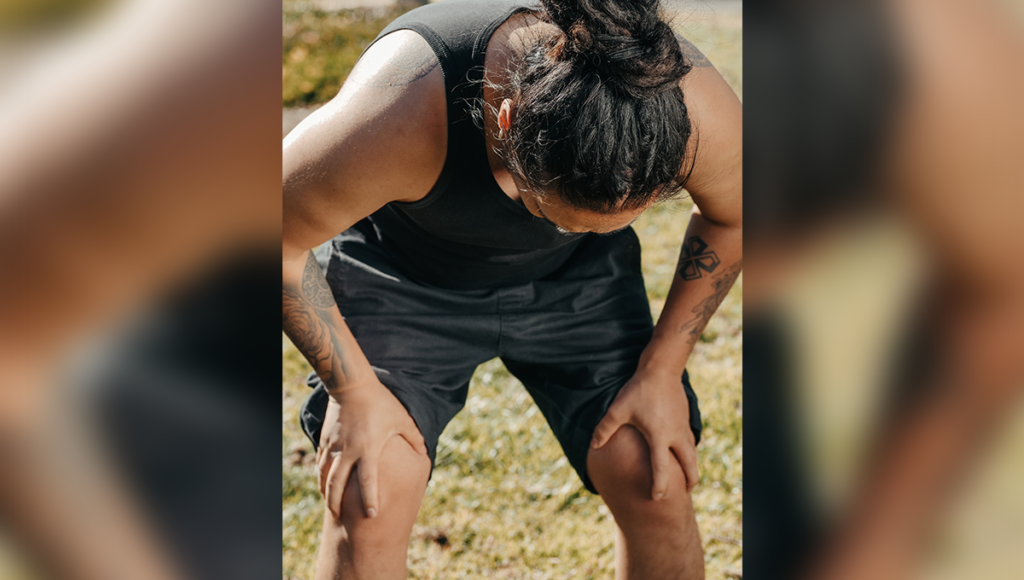
The loss of smooth, frictionless motion in the knee due to cartilage wear, bone spurs, and inflammation can result in limited mobility. This can affect day-to-day activities like kneeling, getting up from a chair, or even putting on shoes.
5. Mechanical Symptoms
Ongoing degeneration can lead to mechanical symptoms such as crepitus – a grinding or crunching sound during knee movement. Another symptom is the sensation of the knee locking up or catching, often caused by structural issues like meniscus tears, cartilage pieces, or bone spurs.
6. Weakness and Instability
Pain and inflammation in the knee can cause surrounding muscles to weaken and atrophy, leading to a feeling of instability. This may result in the knee giving out or buckling, particularly during weight-bearing activities like walking.
7. Deformity
The gradual loss of normal knee definition due to structural changes, including bone spurs, can lead to deformities like bow-legged or knock-kneed appearances. These altered alignments not only impact the knee’s appearance but also contribute to increased pain and functional limitations.
Read Also: Best Exercises to Treat Ankle Sprains
Treatment: Exercise Therapy
Exercise therapy stands as a cornerstone in the comprehensive management of knee arthritis, offering a proactive and empowering approach to alleviate symptoms and enhance overall joint health. This therapeutic modality encompasses a range of exercises designed to address the unique challenges posed by arthritis, providing a multifaceted solution to improve mobility, strength, and overall quality of life.
- Aerobic Exercise:
Regular engagement in aerobic exercises, such as walking, cycling, or swimming, plays a crucial role in maintaining joint health. These activities stimulate the production of synovial fluid, enhancing joint lubrication and reducing stiffness. Moreover, aerobic exercise promotes better blood circulation, aiding in the reduction of inflammation and swelling associated with knee arthritis. Integrating aerobic activities into a routine not only contributes to the overall well-being but also fosters a positive impact on joint function.

What Are the Minimum Steps You Should Walk Every Day for Health Benefits (Not 10K)
- Strength Training:
Targeted strength training forms a pivotal aspect of exercise therapy for knee arthritis. Focusing on strengthening key muscle groups surrounding the knee, including the quadriceps, glutes, hamstrings, and calves, helps provide essential support to the joint. As these muscles become stronger, they contribute to improved stability, reducing the risk of mechanical symptoms such as catching or grinding. Incorporating resistance exercises tailored to individual capabilities can effectively counteract muscle weakness and enhance overall joint function.
- Flexibility Exercises:
Incorporating flexibility exercises into a routine helps combat the decreased range of motion associated with knee arthritis. Stretching exercises for the quadriceps, hamstrings, and other relevant muscle groups aid in maintaining or improving joint flexibility. Enhanced flexibility can alleviate the feeling of stiffness, making day-to-day activities more manageable and contributing to an improved overall quality of life.
- Low-Impact Activities:
Opting for low-impact activities is essential for individuals with knee arthritis. Activities such as swimming or cycling place minimal stress on the joints while providing effective cardiovascular benefits. Low-impact exercises enable individuals to engage in regular physical activity without exacerbating joint pain, fostering a sustainable and long-term approach to arthritis management.
- Consultation and Individualised Plans:
While exercise therapy offers a general framework, consulting with a healthcare professional is paramount for the development of an individualised treatment plan. A healthcare provider can assess the specific needs and limitations of each individual, tailoring exercise recommendations to address their unique symptoms and overall health status. This personalised approach ensures that the exercise regimen aligns with an individual’s capabilities and contributes to a sustainable and effective arthritis management strategy.
Understanding the signs and symptoms of knee arthritis is crucial for effective management. While exercise therapy plays a pivotal role, a multimodal approach tailored to individual symptoms is essential. Consulting with a healthcare professional can help determine the most suitable treatment plan, offering relief and improving overall quality of life for those living with knee arthritis.
For a deeper analysis of the 7 most common signs you have knee arthritis, you can watch the video below. In it, Dr. Peng goes further in detail mode to explain the signs and what you can do about it.
5 Exercises to Help Relieve Knee Pain
Best Exercise to Lower Blood Pressure
What Are The Issues Of Not Having a Healthy Mobile Knee?
Not maintaining a healthy knee can lead to a range of problems that affect various aspects of an individual’s life. Here are some of the significant issues associated with an unhealthy knee:
Chronic Pain: Unhealthy knees often result in chronic pain, impacting the individual’s day-to-day life and overall well-being. Persistent discomfort can hinder mobility, making routine activities challenging and affecting the quality of sleep.
Limited Mobility: A lack of knee health contributes to decreased joint flexibility and range of motion. This limitation in mobility can impede an individual’s ability to perform basic movements, affecting activities like walking, climbing stairs, or bending down.
Functional Limitations: Unhealthy knees may lead to functional limitations, making it difficult to engage in activities that were once routine. Everyday tasks such as getting in and out of a car, standing up from a chair, or even putting on shoes can become challenging.
Muscle Weakness and Atrophy: Knee issues often result in muscle weakness and atrophy, particularly in the muscles surrounding the knee joint. This weakness can create a cycle of reduced activity, as individuals may avoid movements that cause discomfort, leading to further muscle deterioration.
Instability and Risk of Falls: An unhealthy knee can contribute to a sense of instability, making individuals more prone to falls. The fear of the knee giving out may lead to hesitancy in movement, further exacerbating the risk of accidents.
Impact on Mental Health: Chronic knee problems can have a significant impact on mental health. Constant pain, limited mobility, and the frustration of being unable to perform routine activities may contribute to stress, anxiety, and even depression.
Compensatory Issues: To cope with knee problems, individuals may unknowingly adopt compensatory movements or altered gait patterns. This can lead to additional stress on other joints, such as the hips, lower back, and ankles, potentially causing secondary issues.
Reduced Quality of Life: Overall, an unhealthy knee can substantially diminish an individual’s quality of life. The combination of pain, limited mobility, and functional restrictions can result in a reduced ability to participate in social, recreational, and occupational activities.
Impact on Independence: Unhealthy knees can compromise an individual’s independence. Difficulty in performing routine tasks may necessitate increased reliance on others for assistance, affecting one’s sense of autonomy and self-sufficiency.
Progression of Joint Damage: Neglecting knee health may allow the progression of joint damage, leading to worsening conditions such as osteoarthritis. Timely intervention and proactive management are crucial to slowing down or mitigating the advancement of joint deterioration.
In conclusion, not maintaining a healthy knee can have far-reaching consequences, affecting both physical and mental aspects of an individual’s life. Proactive measures, including exercise therapy, regular check-ups, and lifestyle adjustments, are essential for preserving knee health and ensuring a better overall quality of life.
5 Most Common Causes of Knee Pain for CrossFit Athletes

Best Practices for Running with Arthritis
For individuals diagnosed with arthritis who wish to continue running, the following five best practices are recommended:
- Start slow and gradually increase distance and speed to avoid overexertion and reduce the risk of injury.
- Incorporate cross-training activities that involve different movements to strengthen various muscle groups and prevent overuse injuries.
- Stretch after running to maintain flexibility and prevent the tightening of muscles, especially crucial for those with limited range of motion due to arthritis.
- Consider running on softer surfaces, such as turf or outdoor trails, to reduce impact on joints.
- Ensure proper footwear by selecting shoes that fit well and replacing them when worn out. Visit a reputable running store for guidance on suitable footwear based on your foot characteristics.
The Ultimate Mobility Test That You Can Do Anywhere
From Training to Failure to Eating Clean: Explaining Controversial Fitness Topics
How To Take the Fitness Age Challenge and Find Out How Old You Really Are