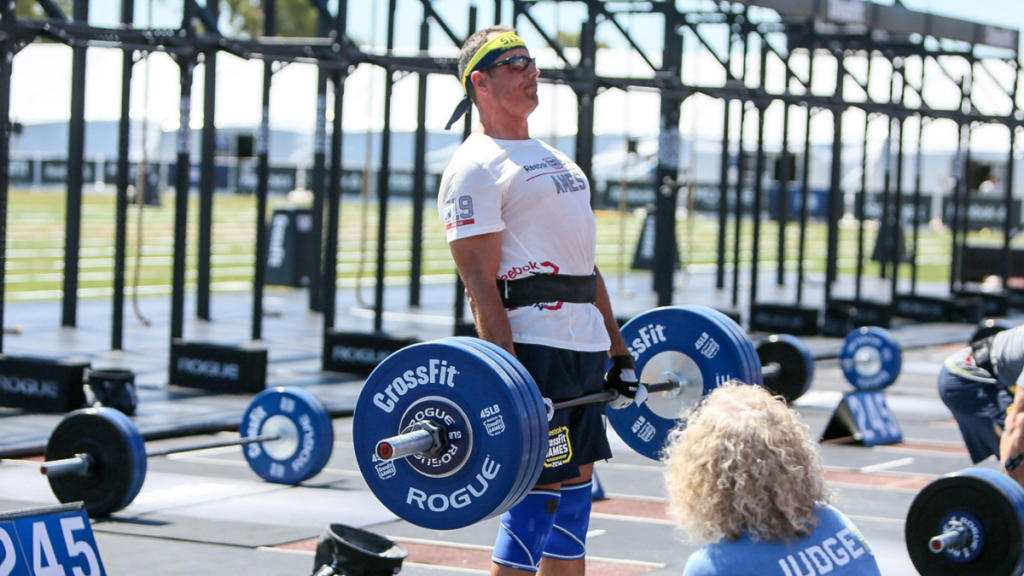
When it comes to the gym, there’s often confusion about whether men and women should be training differently.
You might wonder, should women be lifting as heavy as men? Or vice versa? Let’s clear up the confusion once and for all.


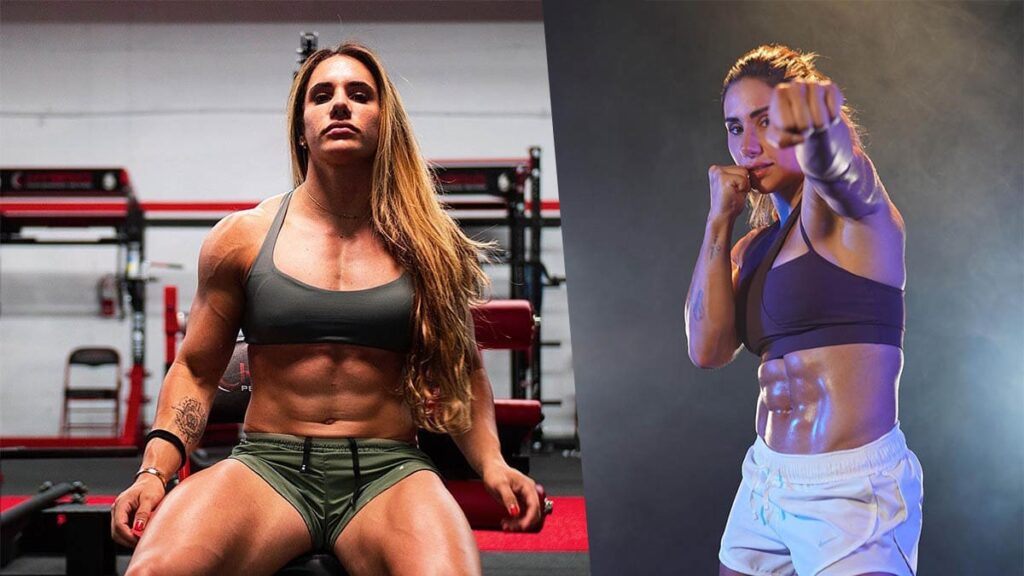
Stefi Cohen, a dominant force in powerlifting with 25 world records, transcends mere lifting feats.
As a Doctor of Physical Therapy and Exercise Physiologist, she brings a no-nonsense approach to training and nutrition. In her latest YouTube video, Stefi Cohen delves into the nuanced realm of gender-specific training approaches, offering invaluable insights that challenge conventional wisdom.
Join us as we explore Stefi’s unique perspective on training and unravel the key differences between men’s and women’s training methodologies.
Take a look at the individuals in the gym. Can you spot any glaring differences in their exercise selection? Chances are, you can’t, and that’s because there shouldn’t be any. Regardless of gender, exercise selection should align with individual goals.
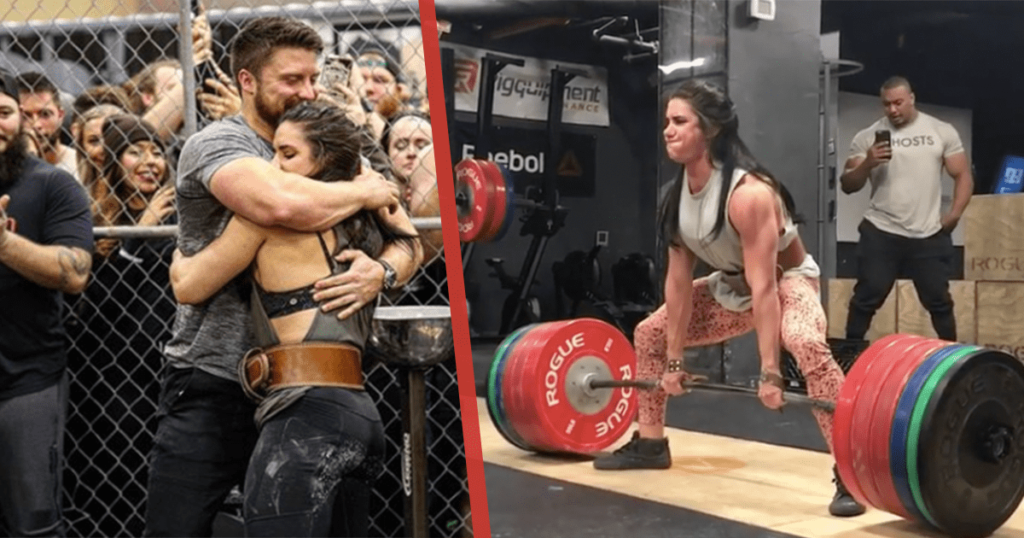
Women often aim for a lean and petite physique, while men typically focus on gaining size and strength. The key here is understanding that exercise selection should reflect these objectives. Whether it’s frequency, volume, or intensity, the differences lie in personal goals, not gender.
Insights from Base Body Babes: A Women’s Gym Perspective
Let’s dive deeper into the discussion with insights from Diana, the owner of Base Body Babes, a women’s gym specializing in strength training. At Base Body Babes, they adopt a training approach similar to what you might follow. While many women may lack experience when they step into the gym, the focus remains on essential lifts like squats, deadlifts, and overhead presses.
One of the biggest challenges for women entering the weight room is feeling intimidated. Many are unfamiliar with these fundamental movements. However, gyms like Base Body Babes provide a welcoming environment, making it easier for women to embrace strength training.
Unveiling Strength Training Insights: A Conversation with Molly Galbraith
In a recent video interview, Molly Galbraith, the visionary behind Girls Gone Strong, shared illuminating perspectives on strength training for women.

Molly pointed to a groundbreaking meta-analysis conducted by Greg Nuckols, shedding light on some surprising revelations. The findings were eye-opening. Contrary to conventional beliefs, women exhibit relative strength and muscle mass gains at rates nearly identical to men. In some instances, women even outpace men in relative strength gains, a phenomenon attributed partly to initial differences in training backgrounds.
The term “untrained” doesn’t imply an equal starting point for everyone. Women in studies often enter with less sports experience, particularly in upper body-focused activities. As a result, they possess greater potential for relative strength gains, especially in their upper bodies, at the onset of training.
Redefining Strength Paradigms: Challenging Conventional Wisdom
In light of these findings, we confront a paradigm shift in our understanding of strength training. Science continually challenges conventional wisdom, reshaping our perceptions of what’s possible.
The data not only dispels the notion of women requiring specialized strength programs but suggests that they may respond even more favorably to identical training regimens compared to men. It’s a testament to the dynamic nature of scientific inquiry, urging us to rethink preconceived notions about gender and strength.
As we unravel the complexities of strength training, it’s crucial to embrace evidence-based practices that transcend gender stereotypes. Stay tuned as we explore the implications of these findings and uncover practical strategies for optimizing strength training for everyone, regardless of gender.
Unveiling Gender-Specific Training Differences
As we explore the realm of strength training, it’s crucial to acknowledge the unique differences between men and women. While many disparities can be attributed to variations in body weight and lean mass, there are key distinctions that deserve our attention.
Firstly, women often showcase superior endurance, capable of completing more repetitions at a given percentage of their one-rep max compared to men. This endurance advantage, coupled with faster recovery rates, sets the stage for nuanced training approaches tailored to female physiology.

Moreover, women appear to respond differently to light load training, exhibiting less muscle gain in comparison to men. This phenomenon may stem from variations in muscle fiber composition and recruitment patterns, highlighting the need for tailored training protocols.
Harnessing the Power of the Menstrual Cycle
The menstrual cycle adds another layer of complexity to women’s training dynamics. While conflicting data exists regarding the impact of menstruation on exercise performance, one thing is clear: every woman’s experience is unique.
Despite the variability in menstrual cycles, understanding your body’s cues can optimize training efficacy. By attuning to how you feel throughout your cycle, you can tailor workouts to align with your energy levels and physiological fluctuations.
Individualized training recommendations take precedence, recognizing that a woman’s cycle phase is just one of many factors influencing daily performance. While women aren’t a separate species from men, acknowledging these nuanced differences empowers us to craft training regimens that resonate with our individual needs and capabilities.
Whether you’re a female athlete, a coach working with women, or simply someone keen on understanding gender dynamics in training, embracing these insights fosters inclusivity and effectiveness in the fitness sphere. Remember, the fundamentals of strength training remain steadfast, regardless of gender. It’s about harnessing your inner strength and confidence to achieve your fitness goals, one rep at a time.
Learn More
Unbelievably Effective Science-Backed Arm Exercises You’ve Never Seen Before
The Diet that Will Transform Your Body in 100 Days
What Happens to Your Body When You Try the Anti-Ageing Diet for 90 Days?