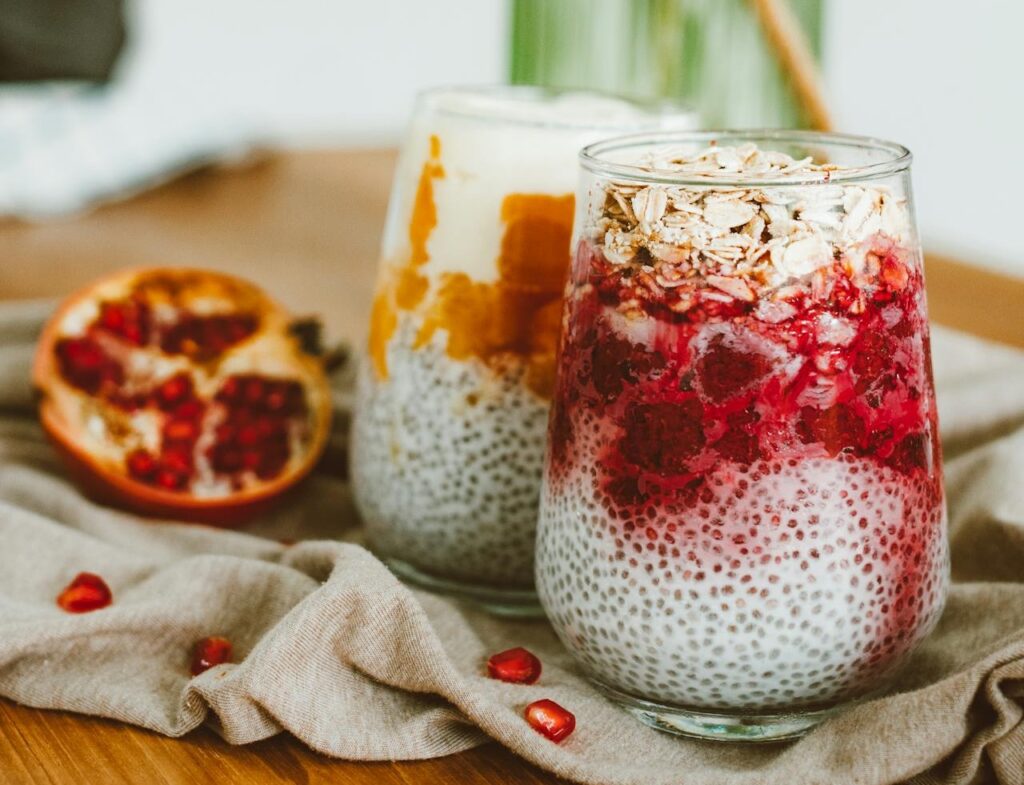
In the quest for optimal health and effective weight management, the role of diet cannot be overstated.
Among the myriad dietary choices, whole grains stand out as a cornerstone of nutrition, offering a plethora of benefits for those looking to maintain a healthy weight and improve their overall well-being. Unlike their refined counterparts, whole grains are rich in essential nutrients, including dietary fibre, vitamins, and minerals, all of which play a crucial role in sustaining a healthy body.


Recent studies have increasingly spotlighted whole grains not just as a nutritious staple, but as a pivotal component in strategies aimed at fat loss. This body of research underscores the significance of whole grains in enhancing satiety, regulating blood sugar levels, and improving metabolic health—factors that are vital in the journey towards shedding excess weight.
The fibre content in whole grains, in particular, is lauded for its ability to promote feelings of fullness, thereby reducing overall calorie intake.

With an abundance of whole grains to choose from, it can be daunting to discern which varieties offer the greatest benefits for those specifically targeting fat loss. This article aims to simplify that decision by highlighting the three best whole grains that have been shown to significantly contribute to weight management and fat loss.
Through a careful examination of their nutritional profiles and the scientific evidence supporting their efficacy, we hope to provide valuable insights for anyone looking to enhance their diet for better health and weight outcomes.
Introduction
Incorporating whole grains into one’s diet stands as a pivotal element in the quest for effective weight management and overall health enhancement.
These nutrient-dense staples, in contrast to their refined counterparts, are laden with essential dietary fibre, vitamins, and minerals, contributing significantly to a well-rounded diet. The health benefits of whole grains extend far beyond just providing essential nutrients; they play a crucial role in maintaining a healthy body weight, improving digestion, and reducing the risk of chronic diseases such as type 2 diabetes and heart disease.
The significance of whole grains in a diet tailored for fat loss has been increasingly highlighted by a growing body of scientific research.
These studies underscore the efficacy of whole grains in promoting satiety, enhancing metabolic health, and regulating blood sugar levels. Specifically, the high fibre content found in whole grains is celebrated for its ability to induce feelings of fullness, thereby aiding in the reduction of overall calorie intake—a key factor in weight management and fat reduction.
Given the vast array of whole grains available, determining which types offer the most significant benefits for fat loss can be challenging. This article aims to demystify this selection process by identifying and discussing the three best whole grains proven to be particularly effective in supporting weight loss efforts.
Through a detailed examination of their nutritional benefits and the scientific evidence backing their role in fat loss, this piece seeks to equip readers with the knowledge needed to make informed dietary choices that align with their health and weight management goals.
Understanding Whole Grains and Fat Loss
Whole grains are the seeds of cereals and other plants that contain all three original parts: the bran, germ, and endosperm.
Unlike refined grains, which have been processed to remove the bran and germ, whole grains retain these components, making them richer in nutrients. The bran provides a good source of fibre, minerals, and antioxidants, while the germ is rich in healthy fats, vitamin E, and B vitamins.
The endosperm, common to both whole and refined grains, offers carbohydrates and some proteins. This intact structure not only contributes to the nutritional density of whole grains but also impacts their health benefits and the body’s response to their consumption.
How Whole Grains Contribute to Fat Loss
High Fibre Content: The fibre in whole grains can help reduce body fat by promoting a feeling of fullness. This satiety effect can lead to reduced calorie intake, as individuals may feel satisfied with less food. Moreover, fibre aids in the slow digestion of food, ensuring a gradual release of energy and preventing spikes in blood sugar levels.

- Low Glycemic Index: Whole grains typically have a lower glycemic index (GI) than refined grains. Foods with a low GI are digested and absorbed more slowly, resulting in a slower rise in blood sugar and insulin levels. This can be beneficial for weight management, as high insulin levels are associated with fat storage.
- Promoting Satiety: Besides fibre, whole grains contain significant amounts of protein and healthy fats, which can further enhance feelings of fullness and reduce overall calorie intake.
The Role of Whole Grains in a Balanced Diet
Incorporating whole grains into a balanced diet can contribute to an array of health benefits beyond fat loss. These include:
- Enhanced Digestive Health: The fibre in whole grains supports a healthy digestive system, promoting regular bowel movements and preventing constipation.
- Reduced Risk of Chronic Diseases: Regular consumption of whole grains has been linked with a lower risk of chronic diseases such as heart disease, type 2 diabetes, and certain forms of cancer. The nutrients found in whole grains, such as antioxidants, vitamins, and minerals, play a role in this protective effect.
- Nutrient-Rich Food Source: Whole grains are a natural source of essential nutrients, including B vitamins (niacin, thiamine, and folate), minerals (iron, magnesium, and selenium), and phytochemicals, all of which are important for maintaining good health.
By understanding the distinctive qualities of whole grains and their role in promoting fat loss and overall health, individuals can make informed dietary choices that support their health and weight management goals.
Integrating whole grains into daily meals can be a simple yet powerful step towards achieving a balanced, nutritious diet.
The Three Best Whole Grains for Fat Loss
Quinoa, often hailed as a “superfood,” is a nutrient-rich grain that has gained popularity worldwide for its remarkable health benefits.
Unlike many grains, quinoa is considered a complete protein, containing all nine essential amino acids that the body cannot produce on its own. It is also high in fibre, vitamins, and minerals, such as magnesium, iron, and B vitamins, making it an excellent addition to any diet, especially for those aiming for fat loss.
Quinoa
Quinoa’s unique nutritional profile makes it stand out among whole grains. A 100-gram serving of cooked quinoa provides approximately:
- 4 grams of protein
- 2 grams of fibre
- Significant amounts of magnesium and iron
- A low glycemic index, which helps in maintaining stable blood sugar levels
The Role of Quinoa in Fat Loss
The high protein and fibre content in quinoa not only supports muscle growth and repair but also contributes significantly to fat loss.
Protein is known for its thermogenic effect, meaning it can increase metabolism and calorie burning. Furthermore, the fibre in quinoa helps promote feelings of fullness for longer periods, reducing the likelihood of overeating and snacking on unhealthy options.
Additionally, the low glycemic index of quinoa prevents blood sugar spikes, which can lead to cravings and fat storage.
Incorporating Quinoa into Meals
Quinoa is incredibly versatile and can be easily incorporated into your diet. Here are some tips for adding quinoa to your meals:
- Breakfast: Start your day with a quinoa breakfast bowl. Mix cooked quinoa with your choice of milk, fruits, nuts, and seeds for a nutritious breakfast that keeps you full until lunch.
- Salads: Add cooked quinoa to salads for extra protein and fibre. It pairs well with a variety of vegetables and dressings, adding a satisfying crunch.
- Main Dishes: Replace rice or pasta with quinoa in your main dishes. It serves as a fantastic base for stir-fries, curries, and even stuffed peppers.
- Snacks: For a quick snack, try quinoa cakes or quinoa bars that are high in protein and fibre, making them a perfect choice for a midday energy boost.
By incorporating quinoa into your diet, you can enjoy a delicious and versatile grain that not only contributes to fat loss but also enhances your overall nutritional intake.
Oats
Oats are a staple whole grain renowned for their health benefits and are a popular choice in diets focused on weight management and overall wellness. They are packed with essential nutrients, including high levels of fibre, protein, vitamins, and minerals such as magnesium, zinc, and iron. Oats are particularly valued for their heart-healthy properties, thanks to their ability to lower cholesterol and improve blood sugar control.
Health Benefits of Oats
Oats offer a wealth of health benefits that make them an excellent addition to any diet. They are not only beneficial for heart health but also play a crucial role in digestive health, thanks to their high soluble and insoluble fibre content.
This balance of fibres aids in regulating digestion and ensuring a healthy gut. Furthermore, oats are a great source of antioxidants, which help combat oxidative stress and inflammation in the body.
The Role of Beta-Glucan in Fat Loss
One of the key components that sets oats apart is beta-glucan, a type of soluble fibre found in high concentrations within them. Beta-glucan has been shown to contribute significantly to weight management and fat loss.
It works by forming a gel-like substance in the gut, which slows down the emptying process and the absorption of glucose into the bloodstream. This effect helps in regulating appetite and reducing overall calorie intake by promoting a feeling of fullness and satisfaction after meals.
Additionally, the slow digestion process aids in maintaining stable blood sugar levels, preventing spikes that can lead to increased fat storage.
Incorporating Oats into Your Diet
Incorporating oats into your diet is both easy and versatile, offering numerous ways to enjoy this nutritious grain:
- Breakfast: Oats are most commonly consumed as porridge, which can be topped with fruits, nuts, seeds, or honey for added flavour and nutrition. Overnight oats are another convenient and healthy option, soaked in milk or yogurt and left overnight to thicken.
- Baking: Oats can be used in baking to add fibre and texture to bread, muffins, and cookies. They can also be ground into flour as a healthy alternative to all-purpose flour.
- Smoothies: For a nutrient-packed breakfast or snack, blend oats into your smoothies. They add a creamy texture and boost the fibre content, keeping you full for longer.
- Savoury Dishes: Oats can also be used as a thickening agent in soups and stews or as a healthy filler in meatballs and burgers.
By making oats a regular part of your diet, you can benefit from their rich nutritional profile and their ability to aid in fat loss, all while enjoying a variety of delicious and satisfying meals.
Barley
Barley is a highly nutritious whole grain that has been a staple food in many cultures for thousands of years. Known for its rich nutty flavour and chewy texture, barley is not just a culinary delight but also a powerhouse of nutrition.
It is packed with essential nutrients, including dietary fibre, vitamins (notably B vitamins), minerals (such as selenium, magnesium, and iron), proteins, and antioxidants.
Nutritional Value and Weight Management Benefits
Barley’s nutritional profile makes it an excellent choice for those looking to manage their weight. It is particularly high in soluble fibre, including beta-glucan, which plays a significant role in weight loss and maintenance.
Soluble fibre helps in regulating the body’s sugar absorption, thus maintaining stable blood sugar levels and reducing hunger pangs. This can lead to a lower calorie intake over the day, facilitating weight loss.
Additionally, the presence of insoluble fibre aids in digestion and can prevent constipation, contributing to a healthier digestive system.
The consumption of barley has also been linked to a reduced risk of chronic diseases such as type 2 diabetes, cardiovascular diseases, and certain cancers, thanks to its fibre content and the presence of essential nutrients and antioxidants.
Soluble Fibre in Barley and Fat Loss
The soluble fibre found in barley, particularly beta-glucan, is beneficial for fat loss. It forms a viscous solution in the gut that slows digestion and the absorption of nutrients, leading to a prolonged feeling of fullness and reduced appetite.
This mechanism can significantly aid in weight management, as it prevents overeating and helps in sustaining a calorie deficit necessary for fat loss. Moreover, the slow release of glucose into the bloodstream ensures steady energy levels and prevents insulin spikes, which are associated with fat storage.
Incorporating Barley into Daily Meals
Barley is incredibly versatile and can be included in daily meals in various delicious ways:
- Soups and Stews: Barley adds a wonderful texture and thickness to soups and stews. It acts as a bulking agent, making dishes more filling and satisfying.
- Salads: Cooked barley can be cooled and mixed into salads. It pairs well with vegetables, leafy greens, and a dressing of your choice, making for a nutritious and hearty meal.
- Side Dishes: Instead of rice or pasta, consider using barley as a side dish. It can be flavoured with herbs and spices for an extra kick.
- Breakfast Cereal: Barley flakes or barley grits can be used as a breakfast cereal. Cook them in milk or water and top with fresh fruits, nuts, and a drizzle of honey for a healthy start to your day.
- Baking: Ground barley flour can be used in baking bread, muffins, and other baked goods, adding nutritional value and a unique flavour.
By integrating barley into your diet, you can enjoy its myriad health benefits, including its potential for aiding in weight management and fat loss. Its versatility in cooking ensures that incorporating barley into your meals can be both an enjoyable and healthful endeavour.
Preparing and Eating Whole Grains for Fat Loss
Incorporating whole grains into your diet can be a game-changer for weight management and overall health. However, how you prepare and consume these grains can significantly affect their nutritional benefits and your fat loss efforts. Here are some insights and tips on making the most of whole grains for weight management.
Preparing Whole Grains to Retain Nutritional Value
Choose Whole Over Refined: Always opt for whole grains in their least processed form. This ensures that you get the maximum fibre, vitamins, and minerals that these grains have to offer.
Cooking Method Matters: To preserve the nutrients in whole grains, use cooking methods like boiling, steaming, or baking. Avoid frying or adding excessive fat, which can negate the health benefits.
Soaking and Sprouting: Soaking grains like barley, quinoa, and oats overnight can reduce cooking time and make nutrients more bioavailable. Sprouting can further enhance the nutritional profile by reducing antinutrients that can inhibit mineral absorption.
Portion Control and Avoiding Common Pitfalls
Measure Your Portions: While whole grains are nutritious, they are also calorie-dense. Use measuring cups or scales to ensure appropriate serving sizes. A portion of cooked grains should be about the size of your fist.

Beware of Added Sugars and Fats: When buying pre-packaged whole grain products like bread or cereal, check the ingredients list for added sugars and fats, which can hinder your fat loss efforts.
Balance Your Plate: Whole grains should be part of a balanced diet. Ensure your meals also include lean protein, healthy fats, and plenty of vegetables to maximise satiety and nutrition.
Simple, Healthy Whole Grain Recipes for Fat Loss
1. Quinoa & Black Bean Salad
Combine cooked quinoa with black beans, chopped bell peppers, corn, fresh cilantro, and a lime vinaigrette for a protein-packed, fibre-rich meal.
2. Oatmeal with Berries and Nuts
Cook oats in water or almond milk. Top with fresh berries, a sprinkle of chia seeds, and a few almonds for a balanced breakfast that keeps you full for hours.
3. Barley Vegetable Soup
Simmer cooked barley in a broth with onions, garlic, carrots, celery, tomatoes, and spinach. Season with herbs for a comforting, nutrient-dense meal.
4. Baked Millet and Vegetables
Mix cooked millet with roasted vegetables, a dash of olive oil, and your choice of spices. Bake in an oven-safe dish until crispy on top.
5. Buckwheat Pancakes
Use buckwheat flour to make pancakes. Serve with a topping of Greek yoghurt and mixed berries for a healthy twist on a breakfast classic.
Incorporating whole grains into your diet for fat loss doesn’t have to be dull or complicated. By preparing grains properly, practising portion control, and trying out simple, nutritious recipes, you can enjoy the myriad benefits of whole grains while working towards your weight management goals.
Other Considerations
While incorporating whole grains into your diet is a step in the right direction for fat loss and improved health, it’s crucial to remember that this is just one part of a larger puzzle.
Achieving and maintaining a healthy weight involves a holistic approach that includes a balanced diet, regular physical activity, and mindfulness of individual dietary needs and restrictions.
The Importance of a Balanced Diet
A balanced diet is essential for providing your body with the nutrients it needs to function optimally. Whole grains should be consumed as part of a varied diet that includes plenty of fruits, vegetables, lean proteins, and healthy fats.
This diversity ensures that you get a wide range of vitamins, minerals, and antioxidants, which support overall health and aid in weight management. Consuming a variety of foods also helps to prevent dietary boredom, making it easier to stick to your weight loss goals.
Regular Physical Activity
Physical activity is another critical component of a successful fat loss plan. Exercise not only helps to burn calories but also builds muscle, which can increase your resting metabolic rate.
Aim for at least 150 minutes of moderate aerobic activity or 75 minutes of vigorous activity each week, along with muscle-strengthening exercises on two or more days a week. Remember, the best exercise is one that you enjoy and can stick to in the long term.
Awareness of Allergens and Dietary Restrictions
When incorporating whole grains into your diet, it’s important to be aware of potential allergens and dietary restrictions.
For example, individuals with coeliac disease or non-coeliac gluten sensitivity should avoid grains that contain gluten, such as wheat, barley, and rye. Fortunately, there are many gluten-free whole grains available, including quinoa, buckwheat, and millet, that can be enjoyed without adverse effects.
Additionally, some people may experience bloating or discomfort when increasing their fibre intake too quickly. If you’re new to eating high-fibre whole grains, it’s a good idea to introduce them gradually and ensure you’re drinking plenty of water to help facilitate digestion.
Incorporating whole grains into your diet for fat loss is a wise choice, but it’s most effective when part of a comprehensive approach that includes a balanced diet, regular physical activity, and an awareness of individual dietary needs and restrictions. By taking a holistic view of your health and making informed food choices, you can enjoy the numerous benefits of whole grains and move closer to achieving your weight management goals.
Conclusion
Throughout this article, we have explored the remarkable benefits of quinoa, oats, and barley, three whole grains that stand out for their nutritional value and their efficacy in supporting fat loss efforts.
Each of these grains brings a unique set of nutrients to the table—quinoa with its complete protein profile, oats with their heart-healthy beta-glucan, and barley with its appetite-controlling soluble fibre.
These characteristics not only aid in weight management but also contribute to overall health, offering a range of vitamins, minerals, and antioxidants that support various bodily functions.
The incorporation of these whole grains into your diet can be a straightforward and delicious endeavour, with numerous versatile recipes available to suit any meal of the day. From breakfast bowls and salads to soups and side dishes, quinoa, oats, and barley can enhance the nutritional profile of your meals, making them more satisfying and beneficial for weight management.
However, it’s essential to remember that the journey to improved health and weight loss is multifaceted. While whole grains are a crucial component of a healthy diet, they are most effective when part of a balanced diet that includes a variety of food groups. Additionally, regular physical activity is indispensable in creating a calorie deficit and promoting fat loss, alongside consuming nutrient-dense foods like whole grains.
For those with specific dietary needs or restrictions, such as gluten sensitivity, it’s important to choose whole grains that align with these requirements. Quinoa and oats, for example, are naturally gluten-free, although it’s crucial to ensure oats are certified gluten-free to avoid cross-contamination.
If you are considering making significant changes to your diet or if you have specific health concerns, consulting with a dietitian or nutritionist can provide you with personalised dietary advice.
These professionals can help tailor your diet to meet your individual needs, ensuring that you can enjoy the full benefits of whole grains and other nutritious foods in your journey towards improved health and weight management.
In conclusion, quinoa, oats, and barley are not only versatile and delicious but also powerful allies in the quest for fat loss and better health. By incorporating these whole grains into your diet, you can take a significant step towards achieving your weight management goals while also enriching your body with essential nutrients.
Learn More
Unbelievably Effective Science-Backed Arm Exercises You’ve Never Seen Before
The Diet that Will Transform Your Body in 100 Days
What Happens to Your Body When You Try the Anti-Ageing Diet for 90 Days?