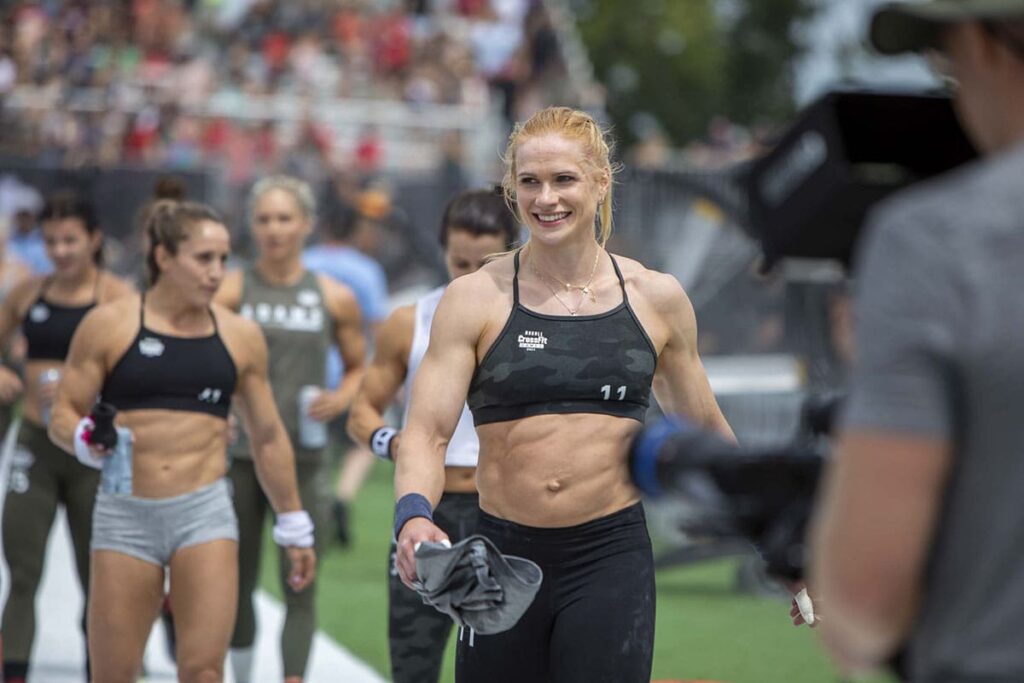
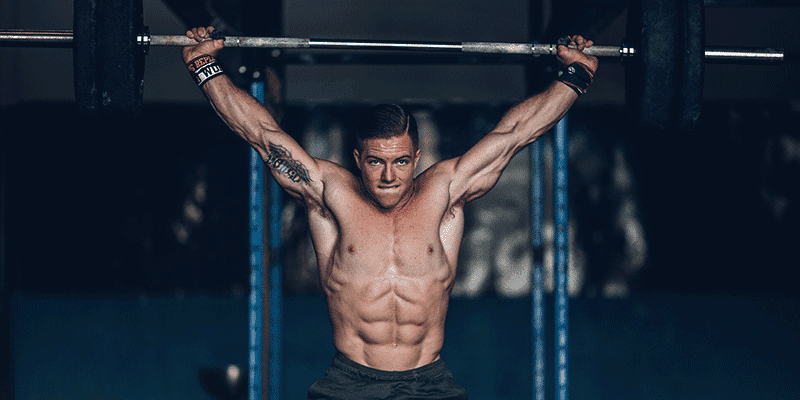
Achieving the coveted six-pack is often seen as the pinnacle of fitness success, symbolising not just core strength but also a high level of physical fitness and discipline.
Beyond their aesthetic appeal, well-defined abdominal muscles play a crucial role in overall body stability, posture, and performance in physical activities.


The journey to revealing your abs involves a multifaceted approach, encompassing a balanced diet, comprehensive fitness regimen, and specific exercises designed to tone and strengthen the core.
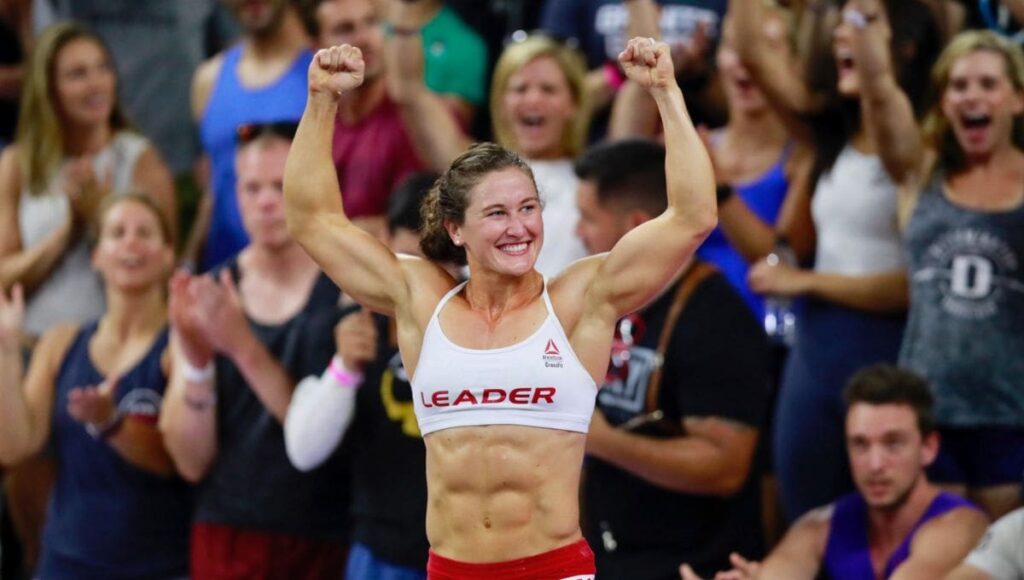
However, it’s essential to set realistic expectations. The visibility of six-pack muscles is significantly influenced by individual body fat levels, which can vary greatly from person to person. This means that two individuals following the same exercise routine might achieve different results. A combination of targeted abdominal exercises, cardiovascular workouts, and a calorie-controlled diet is key to reducing body fat and defining those muscles.
It’s also important to acknowledge the role of genetics and individual body shapes in determining how and where we lose fat, and how our muscles develop and appear.
Anatomy of the Abdominal Muscles
The abdominal muscle group is more complex than many realise, comprising several key muscles that contribute to core strength, stability, and the appearance of a six-pack. At the forefront are the rectus abdominis muscles, extending vertically along the front of the abdomen. These are the muscles that form the coveted six-pack when well-defined and low in body fat.
Read Also: What To Do If Calorie Deficit Stops Working
Flanking the rectus abdominis are the obliques, which are divided into internal and external sections. These muscles are responsible for twisting and side-bending movements, playing a significant role in the sculpted appearance of the waist and the overall stability of the core.
Beneath these, the transverse abdominis acts like a corset, wrapping around the spine for protection and stability. While not visible like the rectus abdominis, the transverse abdominis is essential for core strength, helping to maintain good posture and support the lower back.
Key Factors in Achieving Six-Pack Abs
The visibility of six-pack abs is largely dependent on one’s body fat percentage. Regardless of how strong your abdominal muscles are, a layer of fat can keep them hidden from view. Reducing body fat through a combination of diet and cardiovascular exercise is crucial for unveiling these muscles.
Overall Fitness and Diet
A holistic approach to fitness, incorporating strength training, cardio workouts, and flexibility exercises, supports muscle growth and fat loss. Additionally, a diet rich in lean proteins, whole grains, fruits, and vegetables, while low in processed foods and sugars, helps reduce body fat levels, making it easier for your six-pack to emerge.

Genetics and Individual Variability
It’s important to recognise the role of genetics in body shape, fat distribution, and muscle development. Some individuals may find it easier to achieve visible abs due to their natural body composition, while others may have to work harder for the same results. Understanding and accepting this variability is key to setting realistic goals and celebrating your unique achievements in fitness.
By addressing these critical factors, individuals can develop a targeted approach to reveal their six-pack abs, combining disciplined fitness routines with strategic dietary choices. However, the journey is unique for everyone, requiring patience, persistence, and a positive attitude towards personal progress and health.
The 3 Most Effective Ab Exercises
Achieving a defined six-pack requires more than just wishful thinking; it demands a strategic approach to exercise that targets the core muscles from multiple angles and intensities. Below, we explore three of the most effective ab exercises that have been proven to sculpt and strengthen the abdominal region, ensuring both aesthetic appeal and core functionality.
Exercise 1: Planks
Description: The plank is a fundamental core strengthening exercise that engages multiple muscle groups simultaneously, making it an efficient and effective workout. Variations such as the side plank and forearm plank allow for targeted engagement of different areas of the core.
Step-by-Step Guide:
- Begin in a prone position on the floor, supporting your weight on your forearms and toes.
- Ensure your elbows are directly beneath your shoulders and your body forms a straight line from head to heels.
- Engage your core by pulling your belly button towards your spine.
- Maintain this position, ensuring your hips do not sag or lift too high.
- For variations, shift to a side plank by rotating your body and stacking one foot on top of the other, lifting your opposite arm towards the ceiling.
Planks work by requiring your core muscles to stabilise your body against gravity, building endurance and stability. This exercise is not only about holding a position but actively engaging and strengthening the entire core, including the rectus abdominis, obliques, and transverse abdominis.
Exercise 2: Bicycle Crunches
Description: Bicycle crunches are a dynamic exercise that combines the traditional crunch with a pedalling motion, engaging both the rectus abdominis and obliques. This exercise introduces a rotational component that targets the muscles from various angles.
Instructions:
- Lie flat on your back with your hands behind your head, elbows wide.
- Lift your knees to a 90-degree angle and elevate your shoulder blades off the ground.
- Bring your right elbow towards your left knee, extending your right leg out.
- Alternate sides in a fluid, cycling motion.
- Focus on the quality of the movement rather than speed, ensuring your core does the work.
The effectiveness of bicycle crunches lies in their ability to engage multiple core muscles through rotational movement and resistance. This exercise is particularly good for defining the oblique muscles, contributing to the appearance of a toned, sculpted abdomen.
Exercise 3: Leg Raises
Overview: Leg raises are a powerful exercise for targeting the lower abdominal muscles. They can be performed in various forms, including lying on the floor or hanging from a bar, to increase the intensity and range of motion.
- For lying leg raises, lie flat on your back, legs straight, and hands beneath your lower back for support.
- Slowly raise your legs to a 90-degree angle, keeping them straight and pressed together.
- Lower them back down without letting them touch the floor, maintaining control and tension in your abs.
For hanging leg raises, grasp a pull-up bar, hanging with your legs straight down. Lift your legs in front of you while keeping them straight, then lower them back down with control.
Leg raises specifically target the lower portion of the rectus abdominis, a region often difficult to engage with other exercises. By maintaining a controlled movement and avoiding momentum, you effectively engage and strengthen the lower abs, contributing to core strength and definition.
The Literal Most Effective Exercise for Reducing Visceral Belly Fat
Incorporating these exercises into your fitness routine will significantly enhance your core strength and contribute to the aesthetic definition of your six-pack muscles. Remember, consistency and proper form are key to achieving the best results.
Incorporating Ab Exercises into Your Routine
Creating a comprehensive workout routine that effectively integrates cardiovascular exercises, strength training, and targeted abdominal workouts is crucial for achieving and maintaining six-pack abs.
Creating a Balanced Workout Routine
Cardiovascular Exercise: Incorporate activities like running, cycling, or swimming into your routine 3-5 times a week. Cardio helps reduce body fat, revealing the toned muscles underneath.
Strength Training: Engage in full-body strength training exercises 2-4 times a week to build muscle and increase your metabolism. This should include compound movements such as squats, deadlifts, and bench presses that, while focusing on major muscle groups, also engage the core.
Targeted Abdominal Exercises: Include the aforementioned ab exercises in your routine, focusing on them 2-3 times a week. These should be done at the end of your workout to ensure your core is activated throughout your training session.
Frequency, Sets, and Repetitions
Start with 2-3 sets of each ab exercise, with repetitions ranging from 10 to 15 per set. As your strength and endurance improve, increase the number of sets and repetitions gradually.
Allow at least 48 hours of rest for your abdominal muscles to recover before targeting them again directly, as muscle growth occurs during the recovery period.
Progression and Consistency
Gradually increase the intensity of your ab workouts by adding more repetitions, sets, or incorporating weights where applicable.
Consistency is key. Aim to maintain a regular workout schedule, and don’t get discouraged by short-term fluctuations in appearance or performance. Progress is cumulative and often subtle in the short term.
Supplementary Tips for Enhancing Six-Pack Definition
Achieving a defined six-pack goes beyond just exercise; it encompasses a holistic approach to health and fitness. Here are additional tips to enhance your results:
Dietary Recommendations
Focus on a balanced diet rich in lean proteins, whole grains, fruits, and vegetables. These foods provide the nutrients necessary for muscle growth and recovery.
Monitor your calorie intake to ensure you’re in a slight caloric deficit to lose body fat, but not so much that it hampers your ability to perform or recover from workouts.

Limit processed foods, sugars, and excessive fats, as these can contribute to fat gain and hinder muscle definition.
Hydration and Sleep
Stay well-hydrated by drinking plenty of water throughout the day. Proper hydration is essential for optimal metabolic function and muscle recovery.
Prioritise sleep, aiming for 7-9 hours per night. Quality sleep is crucial for recovery, hormone regulation, and overall health, impacting both fat loss and muscle growth.
Functional Exercises and Daily Activities
Incorporate functional exercises into your routine, such as Pilates or yoga, which enhance core strength and flexibility through controlled movements.
Look for opportunities to engage your core in daily activities. This could include standing on one leg while brushing your teeth to challenge your balance or using a standing desk to maintain core engagement throughout the day.
By adopting these strategies, you’ll not only work towards achieving a more defined six-pack but also improve your overall health and fitness. Remember, the journey to sculpting your abs is a marathon, not a sprint; dedication and a holistic approach are your keys to success.
Conclusion
In our comprehensive exploration of how to define and sculpt six-pack muscles, we’ve covered the essential exercises, dietary habits, and lifestyle adjustments necessary to achieve this coveted fitness goal.
It’s clear that a multifaceted approach is paramount, combining dedicated abdominal workouts with overall physical conditioning and mindful nutrition.
- Targeted Abdominal Exercises: We detailed three effective exercises — planks, bicycle crunches, and leg raises — each chosen for their proven ability to strengthen and define the core muscles from various angles.
- Balanced Workout Routine: Emphasising the importance of incorporating cardiovascular exercises, strength training, and targeted ab workouts into a well-rounded fitness regimen.
- Diet and Lifestyle: Highlighting the critical role of a balanced diet, adequate hydration, sufficient sleep, and functional daily activities in reducing body fat and enhancing muscle definition.
Achieving six-pack abs is as much about revealing the muscles through fat loss as it is about strengthening them. This dual approach ensures not only the aesthetic appeal of a toned abdomen but also the functional benefits of a strong, stable core.
Maintaining a balanced approach to fitness and health is crucial. It’s about making consistent, healthy choices rather than resorting to extremes. Sustainable results come from a commitment to a healthy lifestyle over the long term, integrating exercise, diet, and recovery in a way that is maintainable and enjoyable.
Finally, it’s essential to remember that six-pack abs are the result of a combination of targeted exercises, sound nutrition, and healthy lifestyle choices. This trifecta works together to not only sculpt the abdominal muscles but also to enhance overall health and well-being.
The journey to achieving a six-pack is unique for each individual, influenced by genetics, starting point, and personal health.
It requires patience, persistence, and a positive mindset. Celebrate your progress along the way and remember that the greatest benefits are often felt, not just seen.
Here’s to your success in achieving both the aesthetic and functional benefits of a well-defined core.