In the quest for improved health and body composition, exercise plays a pivotal role alongside a balanced diet.
Engaging in regular physical activity not only bolsters our overall health but is also instrumental in achieving and maintaining fat loss.


Among the myriad of exercise options available, cardiovascular exercises stand out for their efficacy in burning calories, improving heart health, and enhancing metabolic efficiency.
Swimming and cycling are two such cardiovascular activities that have garnered widespread popularity for their health benefits and accessibility. Swimming, with its full-body engagement and low-impact nature, offers a unique blend of resistance and cardiovascular training.
On the other hand, cycling, whether stationary or outdoor, is highly praised for its cardiovascular benefits, calorie-burning potential, and the convenience it offers to individuals seeking an effective fat loss exercise that can be integrated into daily routines.
This article aims to delve into the comparative effectiveness of swimming and cycling for fat loss. By examining the nuances of each exercise, from calorie expenditure to their impact on muscle engagement and overall health, we intend to offer insights into which activity might best serve your fat loss goals.
The Basics of Fat Loss
Understanding fat loss requires a grasp of basic metabolic principles. At its core, fat loss occurs when the body experiences a caloric deficit, meaning it uses more calories for energy than it consumes through food and drink. This deficit forces the body to tap into stored fat for energy, leading to weight loss.
Metabolism plays a crucial role in this process. It encompasses all the biochemical processes that occur within our bodies, including those that break down food for energy and those that construct or repair body tissues. The rate of metabolism varies from person to person, influenced by factors like genetics, age, muscle mass, and physical activity levels.
Cardiovascular exercise, such as swimming and cycling, significantly impacts our metabolic rate and the caloric deficit needed for fat loss. These activities not only burn a substantial number of calories during the exercise itself but can also elevate the metabolic rate for hours afterwards, a phenomenon known as the ‘afterburn effect’ or excess post-exercise oxygen consumption (EPOC). If you like tracking effort and planning sessions, a Triathlon calculator from SwimBikeRun.rocks can help you estimate splits and pacing across swim and bike work.
Moreover, regular engagement in cardiovascular exercise can improve heart health, increase lung capacity, and enhance overall endurance, making it a cornerstone of any effective fat loss regimen.
By exploring the benefits and considerations of swimming and cycling, we aim to provide a comprehensive understanding of how these exercises can fit into a fat loss strategy, considering individual preferences, lifestyles, and goals.
Swimming
Swimming stands out as a versatile and comprehensive form of exercise, beloved for its ability to provide a full-body workout without the harsh impact associated with many land-based activities. This aquatic exercise involves a variety of strokes, each with its unique benefits and techniques, including the freestyle, breaststroke, backstroke, and butterfly.
The intensity of a swimming session can vary widely, from leisurely laps to vigorous, high-intensity interval training (HIIT) sessions, making it suitable for individuals at all fitness levels.
Benefits of Swimming for Fat Loss
Whole-body workout: Swimming engages multiple muscle groups simultaneously, including the arms, legs, back, and core. This comprehensive muscle engagement not only aids in building lean muscle mass but also contributes to a higher resting metabolic rate, accelerating fat loss.
High calorie burn: The calorie expenditure during swimming is significant, with variations depending on the stroke used and the intensity of the workout. For example, a vigorous session of butterfly stroke can burn more calories than a leisurely breaststroke, allowing individuals to adjust their workouts according to their fat loss goals.
Low impact: One of the most appealing aspects of swimming is its low-impact nature. Water provides natural resistance and supports the body, reducing the strain on joints, tendons, and bones. This makes swimming an excellent option for those with injuries, arthritis, or other conditions that make high-impact exercises challenging.
Considerations
Need for a swimming pool: Access to a swimming pool is a prerequisite for this exercise, which can be a barrier for some. Depending on your location, this may involve membership fees at a local gym or community centre, which should be factored into your fitness budget.
Learning curve for efficiency in different strokes: While swimming is accessible to beginners, mastering the efficiency of different strokes can take time and practice.

The effectiveness of swimming for fat loss is significantly enhanced by proper technique, as it ensures a more intense workout and greater calorie burn. For those new to swimming, or looking to improve their technique, lessons from a qualified instructor can be invaluable.
How to Combine HIIT and LISS to Lose Fat Faster
Swimming offers a unique blend of benefits for those seeking to lose fat in a low-impact, enjoyable, and effective way. However, the necessity for pool access and the potential learning curve for mastering various strokes are important considerations. Regardless, with the right approach and commitment, swimming can be a highly rewarding component of anyone’s fat loss journey.
Cycling
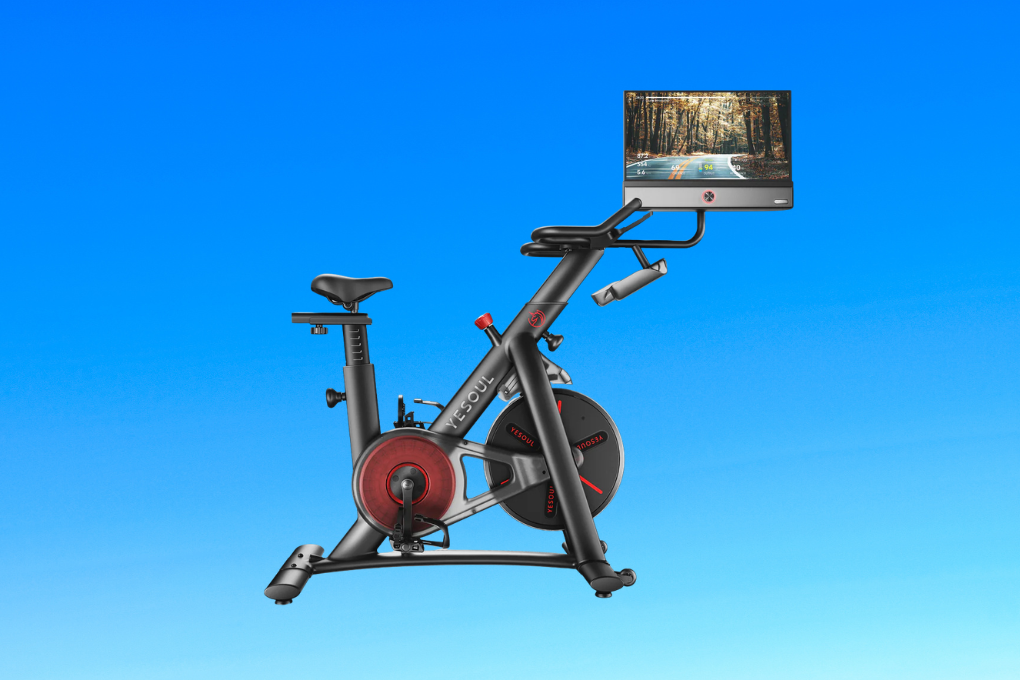
Cycling is a highly adaptable form of exercise that caters to a wide range of fitness levels and preferences. It can be enjoyed outdoors, taking in scenic routes and fresh air, or indoors on a stationary bike, allowing for exercise regardless of weather conditions.
The intensity of cycling can vary dramatically, from gentle rides through the park to challenging uphill climbs or high-speed sprints, making it a versatile option for fat loss and fitness improvement.
Benefits of Cycling for Fat Loss
High calorie burn: Cycling, particularly at higher intensities or on inclines, can lead to significant calorie expenditure. The effort required to propel the bike forward, especially against resistance (like hills or high gear settings on stationary bikes), makes it an excellent exercise for burning fat and improving cardiovascular health.
Accessibility: Whether you prefer the stationary bike at the gym or heading outdoors on a road or mountain bike, cycling is an accessible option for many. Outdoor cycling, in particular, offers the added benefit of exploring new environments, while stationary bikes provide a convenient and time-efficient workout at home or in the gym.

Builds leg muscle: Regular cycling helps in strengthening and toning the leg muscles, including the quadriceps, hamstrings, and calves. Building muscle not only enhances your metabolic rate, making your body more efficient at burning calories at rest, but also improves your overall physique and stamina.
Considerations
Risk of injury from impact or overuse: While cycling is generally considered low impact compared to running, there is a risk of injury from road accidents when cycling outdoors. Additionally, improper bike setup or posture can lead to overuse injuries, such as knee or back pain. Ensuring your bike is correctly adjusted to fit your body and learning proper cycling techniques are crucial to minimise these risks.
May require significant investment: Starting with cycling, especially outdoor cycling, can necessitate a considerable initial investment. The cost of purchasing a bike, along with necessary safety equipment and maintenance, can add up. However, the long-term benefits of cycling for health and fat loss can outweigh these initial costs for many individuals.
Cycling presents a formidable option for those looking to lose fat, offering high calorie burn, muscle building, and the joy of movement, either outdoors or indoors. While considering the investment and the small risk of injury, it remains a favoured choice for its effectiveness and the sense of freedom it provides. With the right precautions and commitment, cycling can be a rewarding part of a fat loss journey, offering both physical benefits and mental refreshment.
Swimming vs Cycling for Fat Loss
When considering swimming and cycling for fat loss, both exercises offer unique benefits and can be tailored to suit individual fitness levels and preferences. A direct comparison in terms of calorie burn, muscle engagement, and accessibility reveals distinct advantages and considerations for each.
Calorie Burn and Muscle Engagement
Both swimming and cycling are effective for burning calories, which is crucial for creating the caloric deficit needed for fat loss. The calorie burn from swimming can vary significantly based on the stroke used and the intensity of the workout. For example, a vigorous butterfly or freestyle lap swimming session can expend a considerable number of calories.
The Literal Most Effective Exercise for Reducing Visceral Belly Fat
Cycling, particularly at higher intensities or on inclines, also boasts a high calorie burn. The difference in muscle engagement between the two is notable; swimming provides a whole-body workout, engaging multiple muscle groups, while cycling primarily targets the lower body, including the quadriceps, hamstrings, and glutes.
Accessibility
Accessibility is another important factor. Cycling, whether outdoor or stationary, is widely accessible and can be integrated into daily routines, such as commuting. Swimming requires access to a pool, which may not be as readily available to everyone.
Additionally, weather and environmental factors play a role; cycling outdoors is weather-dependent, whereas swimming in an indoor pool offers a year-round alternative regardless of external conditions.
Suitability for Different Fitness Levels and Preferences
Both exercises cater to a wide range of fitness levels and preferences. Swimming is particularly beneficial for those seeking a low-impact option due to joint issues or injuries, as the water’s buoyancy reduces stress on the body. Cycling appeals to those looking for a high-intensity cardiovascular workout that can also be used for practical purposes, like transportation.
Environmental and Logistical Factors
Environmental and logistical considerations include the need for a swimming pool and the impact of weather on outdoor cycling. These factors can influence the consistency and feasibility of engaging in either activity, depending on individual circumstances.
Other Considerations
The importance of combining exercise with a healthy diet cannot be overstated when it comes to effective fat loss. Neither swimming nor cycling alone can compensate for poor dietary habits. Additionally, consistency and enjoyment in the chosen exercise are vital for long-term fat loss and health benefits. Finding an activity that one enjoys and can sustain over time is crucial for maintaining a healthy lifestyle.
Read Also: What To Do If Calorie Deficit Stops Working
Conclusion
In summary, both swimming and cycling offer substantial benefits for individuals looking to lose fat. The choice between the two should be based on personal preferences, lifestyle, fitness levels, and accessibility. Swimming provides a low-impact, whole-body workout suitable for all fitness levels, whereas cycling offers high calorie burn and practicality for daily commuting, with a focus on lower body muscle engagement.
We encourage readers to try both exercises to determine which they prefer and can sustain in the long term. Ultimately, the best exercise for fat loss is the one that fits seamlessly into your life, meets your personal fitness goals, and, most importantly, is something you enjoy and can stick with over time.