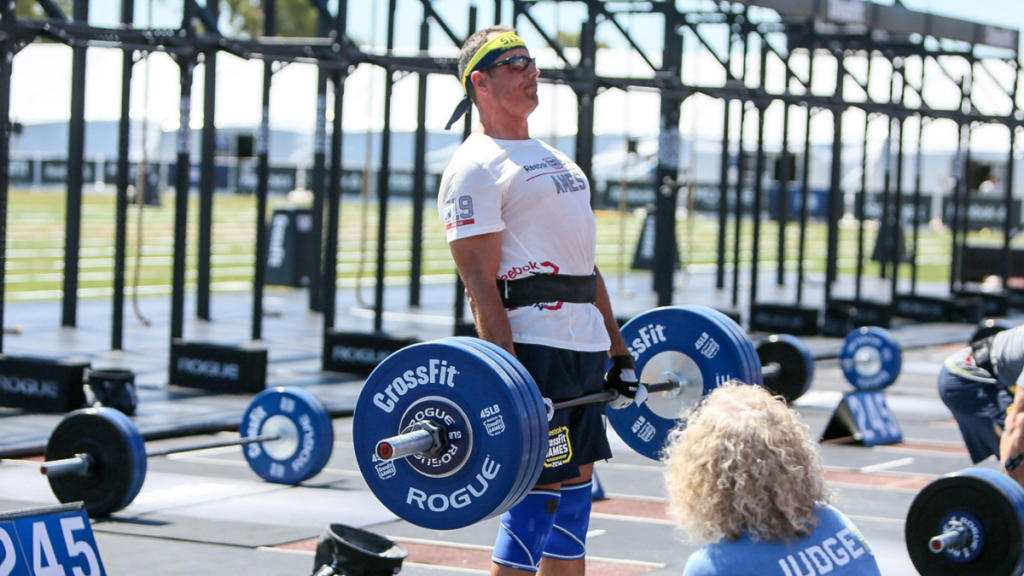
Find out what happens to your body when you put on muscle mass, plus get workout and diet tips to bulk up faster.
How to Bulk Up
Putting on muscle is one of the best things you can do for yourself. Not only can it enhance the way you look, but extra muscle mass is a great way to ensure the maintenance of bone density and joint health well into old age. Adopting a lean bulking strategy is one of the most effective approaches to achieve these benefits.


What is Bulking?
If you’re interested in following a guide to building lean muscle, bulking is one of the integral processes to improving muscle mass that you will need to familiarize yourself with.
Bulking is one of three steps in a bodybuilding weight management cycle. The phases an individual goes through while bodybuilding are: bulking, cutting, and maintenance.
Though you may not consider yourself a bodybuilder, you can apply these strategies to meet your goals in the gym, no matter how straightforward or ambitious they may be.
Benefits of Lean Bulking
Reduced Body Fat
As you begin to increase the amount of lean muscle on your body through strength training, your body fat will often start to reduce, provided you are following a lean bulk program, as opposed to a dirty bulk. For a lean vs. dirty bulk, the difference lies in the method through which you achieve mass gains via your diet.
If you choose to lean bulk, you consume whole foods like:
- Lean proteins
- Complex carbohydrates
- Leafy greens
- Healthy fats

All these elements help to ensure a bulk that is clean and lean, reducing the amount of extra body fat you put on through your diet in the process.
Improved Appearance
If a more muscular appearance is a goal that one seeks, bulking can be one of the best methods to increase attractiveness.
A bulkier physique can give you the appearance of a broader frame with a more even balance between your upper body and lower body. For individuals focusing on working out for aesthetics and aiming to train for a nicer-looking physique, adding lean mass to your body may give you a better appearance and improve your confidence.
Lean vs. Dirty Bulk
If you are beginning a fitness transformation program for your body, you may be asking yourself this question: is it better to lean bulk or dirty bulk? This will depend greatly on your overall health and what improvements you hope to make to your body in the future.
Let’s explore some tips to lean out vs. dirty bulk.
Lean Bulk
The lean bulk technique relies on a more sustained way of making slight caloric increases to elevate your total calories over time. Usually, those on lean bulking journeys aim to add 250-500 extra calories per day to their food intake.
Using the best foods for clean bulking, this slight caloric surplus can help increase weight slowly, generally over a period of at least several months for steady weight gain that is easier to keep on.
Dirty Bulk
Conversely, when performing a dirty bulk, it is not necessary to consume healthy calories. Embarking on a dirty bulk approach can be challenging without gaining excess body fat.
Those who are dirty bulking can consume any and all foods that they choose with the aim of increasing their overall body mass.
Though this method may help spur weight gain for those who have a very difficult time putting on any weight (hardgainers), it is not recommended to dirty bulk over a long period of time. This can lead to excessive body fat, increasing the risk of cardiovascular illnesses.
How Can You Bulk Up?
Resistance Training
Introducing resistance exercise into your training program is one of the best ways to supplement your bulking diet. Aim to include at least 2-3 days of strength training per week into your fitness routine if you want to know how to bulk up.

Track Macros
To calculate a good baseline on how to lean bulk without getting fat, it can be a good idea to track the macronutrients and calories you consume. To understand more about macronutrients and their impact on the body, see How to Calculate Your Macros and Calories.
If extra fat on your body becomes visible and distracting during a bulk, the balance of carbohydrates to protein to fats may be disproportionate.
Consuming a macronutrient ratio that hovers around 20% fats, 30-40 percent proteins and approximately 30-40 percent carbohydrates is sufficient for most people who want to lose weight or build muscle.
Depending on which of these endeavors you gear your workouts toward, the macronutrient ratio will likely vary.
On top of this, making sure that you understand how many calories you should eat to lose fat is an essential component of making informed nutritional decisions on your bulking journey.
Increasing Daily Protein
One’s ability to eat enough protein per gram of body weight will be essential. Aim to add 0.8-1 gram of protein per pound of body weight (1.4- 2.2 grams per kg) if you are looking to bulk up.
Increasing your protein intake is one of the most important steps to ensure that you are gaining mostly muscle rather than excess fat. More protein can also be beneficial in helping you to keep your muscle gains over time
If you’re looking for a diet plan to improve your overall protein intake, check out this Full Bulking Up Meal Plan.
Focus on Recovery
To help your body grow and bulk in a healthy way, it is essential to get in adequate rest.
Prioritizing stretches after a workout is crucial to maintaining the health of your muscles. Proper stretching techniques help reduce post-exercise muscle soreness.
Stretching can increase blood flow to the part of the body that is being stretched and therefore help to reduce sensations of tenderness or pain.
With warm muscles after a workout, by putting pressure on muscles using stretches, a cool-down procedure can also stimulate muscle growth to get a lean bulk look.
Make sure to incorporate a 5-minute daily stretching routine to unlock your mobility after every workout.
Supplements
For some, adding athletic nutrition supplements to your workouts like micronized or monohydrate creatine may be an effective way to put on lean muscle mass.
Although they do not directly cause muscular gains, supplements may help you bulk up faster by improving the quality of your workouts.
There is a correlation between creatine supplementation and muscle contraction rates, maximal strength and power.
Using these metrics, you may be able to improve certain components of a workout that lead to improvements both in overall strength and muscular hypertrophy.
By gaining the capacity to work out more efficiently, choosing the right supplements may lead to an improved ability to put on muscle mass while staying lean and avoiding dangerous excess body fat.
Conclusion
In an increasingly sedentary world, where desk jobs and work-from-home culture have led many to lapse on their fitness targets, defining the goalposts for building healthier habits is more essential than ever.
The quest for a more muscular physique may be paramount among many athletes and gymgoers. This includes those who are seeking to fuel fat loss and improve physical performance.
It also encompasses people hoping to work their muscles to look bigger and more attractive. If you want to learn how to bulk up, the main steps are to: increase your protein intake, aim for lean protein sources, and include a goal of resistance training twice per week.
To help bulk up, focus on keeping track of your macronutrients and calorie consumption. It is also beneficial to increase the amount of protein you eat daily.
Healthy and active recovery is a crucial part of helping to gain lean muscle mass as well. Stretching the muscles will help to stimulate growth in the body parts you stretch and reduce the muscular soreness that you experience after a workout.
Pain-free muscles will allow you to train more frequently, increasing your overall training volume so your muscles have more opportunities to work in order to grow.
Finally, if you are struggling to lean bulk, a supplement may help you to spearhead quicker muscular growth. Although athletic performance supplements like creatine don’t grow the muscles directly, they can improve energy levels that are needed to facilitate more efficient workouts.
Ensure that you are taking adequate recovery measures as well. Strength training and a calorie surplus should be combined with proper sleep and sufficient hydration if you are hoping to see and maintain healthy muscular gains through bulking.