Add these fitness routines that defy age into your life.
As we age, our bodies undergo inevitable changes that can affect our strength, flexibility, and overall health. However, growing older doesn’t have to mean accepting a decline in vitality or physical ability.


Related: How Little Can You Do and Still Grow Muscle?
Staying active is crucial for maintaining our health, warding off diseases, and ensuring a high quality of life during our later years. The benefits of regular exercise extend far beyond mere physical health; they also include enhanced mental well-being, reduced risk of chronic diseases, and improved cognitive function.
The concept of age-defying fitness routines offers a beacon of hope for anyone looking to maintain their zest for life and physical independence.
These aren’t just any exercises; they are specifically tailored to meet the unique needs of older adults, focusing on improving strength, flexibility, balance, and cardiovascular health. By engaging in these routines, individuals can combat the common effects of aging, such as muscle loss, joint pain, and decreased stamina.
5 Methods of Progressive Overload to Force Muscle Growth
The promise of these routines is powerful: not only can they help improve physical health, but they also foster a sense of vitality and a youthful spirit. Engaging in age-defying fitness routines can make daily activities easier, reduce the risk of falls, and even slow the aging process itself. Beyond the physical benefits, these exercises provide an opportunity for social interaction, mental stimulation, and a deepened sense of personal achievement.
In essence, adopting age-defying fitness routines is about embracing a lifestyle that values longevity and wellness. It’s a commitment to living your best life at any age, with the strength and energy to enjoy each day to its fullest. As we delve into the specific routines that can help turn back the clock, remember that it’s never too late to start. With dedication and the right approach, you can defy age and embrace a healthier, more vibrant future.
Section 1: Strength Training for Resilience
As we age, one of the most significant challenges we face is the natural decline in muscle mass and strength, a condition known as sarcopenia.
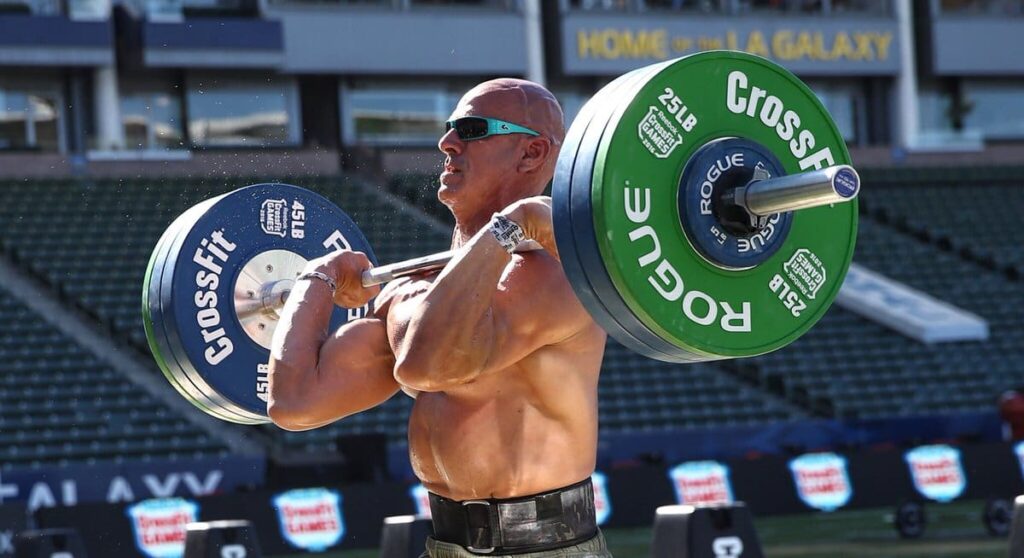
This decline can start as early as our 30s and accelerates with each passing decade, affecting our mobility, balance, and overall quality of life. However, this isn’t an inevitable part of aging that we must accept passively. Strength training, or resistance training, has been scientifically proven to combat sarcopenia, making it a cornerstone of age-defying fitness.
Fitness Routines That Defy Age: Combatting Age-Related Muscle Loss with Strength Training
Strength training exercises apply resistance against muscle contractions, a process that not only builds muscle mass but also enhances muscle strength and endurance. This type of exercise is crucial for reversing or slowing the effects of sarcopenia.
Related: How Heavy Is Too Heavy to Build Muscle? Do This Quick Test
By engaging in regular strength training, older adults can preserve or even increase their muscle mass, improve their metabolic rate, and enhance their physical independence.
Fitness Routines That Defy Age: Key Strength Training Exercises
Bodyweight Exercises: These are foundational strength training exercises that use your own body weight as resistance. They are ideal for beginners and can be easily modified to increase or decrease difficulty.
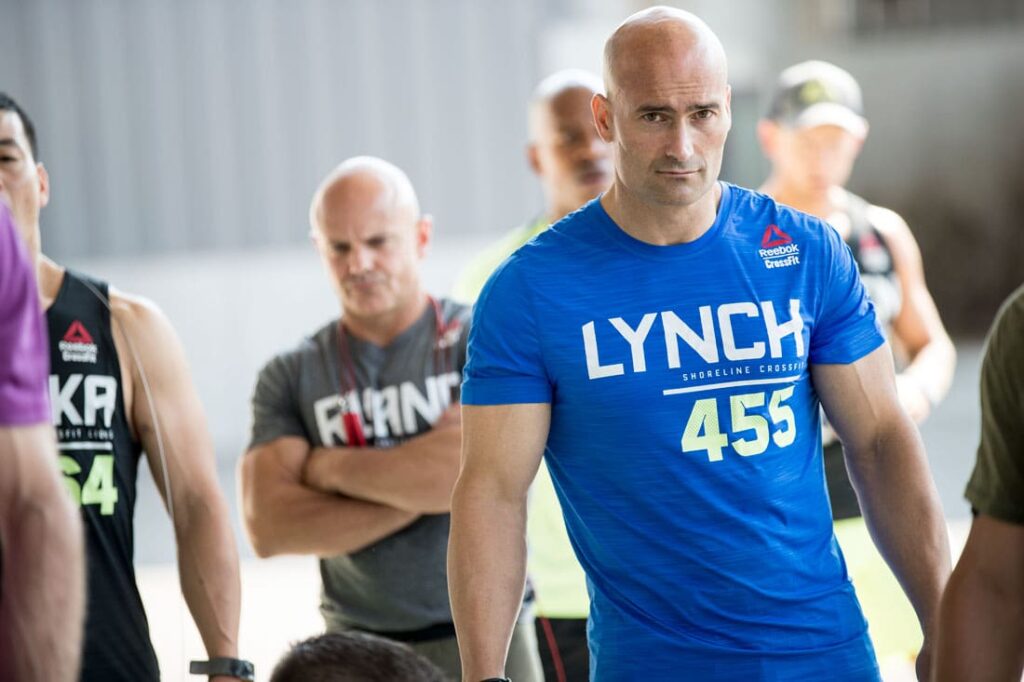
Squats: Squats strengthen the thighs, hips, buttocks, and lower back. Starting with chair squats can help maintain balance and ensure proper form.
Push-ups: Modified push-ups, done against a wall or on the knees, can build upper body strength without straining the wrists or shoulders.
Lunges: Lunges work the legs and glutes while improving balance. A stationary lunge is a good starting point to ensure safety and effectiveness.
Resistance Band Exercises: For those with joint concerns, resistance bands offer a low-impact alternative to weights. They provide adjustable resistance and can help improve muscle strength and joint flexibility.
Leg Presses: Sitting on a chair, extend your legs against a resistance band for a safe and effective lower body workout.
Chest Presses: Attach a band to a door or a sturdy object at chest level and push forward to work the chest and arms.
Pull-Aparts: Holding a band with both hands in front of you, pull it apart to work the upper back and shoulders.
Core-Strengthening Exercises: A strong core is vital for balance, posture, and overall functional movement. Exercises like planks (modified if necessary), bird dogs, and seated twists can strengthen the core without putting undue stress on the back.
Fitness Routines That Defy Age: Tips for Getting Started and Progressing Safely
Consult with a Professional: Before starting any new exercise routine, especially if you have pre-existing health conditions, consult with a healthcare provider or a fitness professional. They can recommend exercises tailored to your needs and limitations.
- Start Slowly: Begin with light exercises and gradually increase the resistance or difficulty. The goal is to build strength without risking injury.
- Focus on Form: Proper form is crucial to prevent injuries and ensure that the exercises are effective. Consider working with a trainer to learn the correct techniques.
- Be Consistent: Consistency is key to seeing improvements. Aim for two to three strength training sessions per week, allowing rest days in between for muscle recovery.
- Listen to Your Body: Pay attention to your body’s signals. If you experience pain (beyond normal muscle soreness), rest and adjust your exercise routine accordingly.
By incorporating these strength training exercises into your routine, you can significantly improve your resilience against age-related muscle loss. Strength training not only enhances physical health but also boosts confidence and independence, allowing older adults to lead active, vibrant lives.
Section 2: Flexibility and Balance: Yoga and Pilates
As we age, maintaining flexibility and balance becomes increasingly important. These physical attributes are key to reducing the risk of falls, relieving pain, and enhancing our ability to perform daily activities with ease. Flexibility exercises help to keep the muscles elongated and limber, while balance exercises strengthen the muscles that help keep us upright.

This section delves into Yoga and Pilates, two holistic exercise systems that offer a comprehensive approach to improving flexibility, balance, and overall mental well-being.
Fitness Routines That Defy Age: The Benefits of Flexibility and Balance Exercises
Flexibility and balance exercises are crucial for aging bodies. They help to maintain the range of motion in the joints, reduce muscle stiffness and pain, and decrease the risk of injuries by improving balance and coordination.
For older adults, these exercises are not just about physical health; they also contribute to a sense of independence and confidence in daily life.
Fitness Routines That Defy Age: Yoga and Pilates: Holistic Approaches for Aging Bodies
Yoga is an ancient practice that combines physical postures, breathing techniques, and meditation to enhance both physical and mental health. It is particularly beneficial for improving flexibility, balance, and stress relief. Yoga poses can be easily modified to accommodate individuals of all fitness levels, making it an accessible exercise option for older adults.
Pilates focuses on core strength, flexibility, and mindful movement. It emphasizes proper postural alignment, muscle balance, and controlled, precise movements. Pilates can be performed on a mat or with specialized equipment and is well-suited to improving balance and coordination, which are essential for preventing falls.
Fitness Routines That Defy Age: For Yoga
Tree Pose (Vrikshasana): Improves balance and strengthens the legs and spine. Modifications can be made by resting a hand on a chair for support.
Warrior II (Virabhadrasana II): Enhances leg strength, stability, and flexibility. It can be modified by reducing the depth of the lunge.
Seated Forward Bend (Paschimottanasana): Increases spinal and hamstring flexibility. Sitting on a folded blanket can make this pose more accessible.
Fitness Routines That Defy Age: For Pilates
The Hundred: Builds core strength and improves circulation. It can be modified by keeping the legs in a tabletop position or feet flat on the ground.
Leg Circles: Enhances hip flexibility and strengthens the core. Performing smaller circles reduces the intensity and is easier on the hip joints.
Spine Stretch: Improves spinal flexibility and strengthens the abdominal muscles. Using a band for assistance can help maintain proper form.
Fitness Routines That Defy Age: Mind-Body Connection and Mental Health
Both Yoga and Pilates emphasize the mind-body connection, encouraging mindfulness and breath control.

This focus not only aids in physical exercise but also promotes mental well-being, helping to alleviate stress, anxiety, and depression. The meditative aspects of these practices can enhance cognitive function and lead to a greater sense of peace and emotional resilience.
Fitness Routines That Defy Age: Finding the Right Class and Modifying Poses
To get started with Yoga or Pilates, consider the following:
- Seek Beginner-Friendly Classes: Look for classes labeled as “gentle,” “for beginners,” or “senior-friendly.” These classes move at a slower pace and provide more instruction.
- Explore Online Resources: There are numerous online platforms offering Yoga and Pilates classes tailored to older adults. Start with free videos to find instructors and styles that resonate with you.
- Consult with Instructors: Before joining a class, speak with the instructor about your fitness level and any health concerns. They can offer modifications to ensure exercises are safe and effective for you.
Incorporating Yoga and Pilates into your fitness routine can significantly enhance your flexibility, balance, and mental health.
By adapting these practices to your needs, you can enjoy their benefits and improve your quality of life as you age.
Section 3: Cardiovascular Health: Swimming and Walking
Maintaining cardiovascular health is crucial for longevity and overall well-being, especially as we age. Regular cardiovascular exercise helps to strengthen the heart and lungs, reduce the risk of heart disease, control weight, and increase stamina.
For older adults, engaging in low-impact cardio exercises can provide these health benefits without putting undue stress on the joints. Swimming and walking are two excellent options that are both effective and accessible for people of all fitness levels.
The Importance of Cardiovascular Health for Longevity
Cardiovascular health is a cornerstone of longevity. A strong and efficient heart and vascular system enable all parts of the body to function optimally, by ensuring an adequate supply of oxygen and nutrients.
Regular cardio exercise has been shown to reduce the risk of many chronic diseases, including heart disease, type 2 diabetes, high blood pressure, and stroke.
Fitness Routines That Defy Age: Benefits of Low-Impact Cardio Exercises
Low-impact cardio exercises are particularly beneficial for older adults because they minimize the risk of injury and strain on the body. Swimming and walking are prime examples of such exercises, offering a gentle yet effective way to enhance cardiovascular health.
Swimming: Swimming is an excellent total body workout that improves cardiovascular endurance and strengthens the muscles without stressing the joints. The buoyancy of water supports the body, reducing the risk of falls and making it an ideal exercise for those with arthritis or mobility issues. Additionally, swimming can increase lung capacity and improve breathing efficiency, which is particularly beneficial for older adults.
Walking: Perhaps the simplest and most accessible form of exercise, walking requires no special equipment and can be done almost anywhere. Walking at a brisk pace can significantly improve heart health, helping to lower blood pressure, improve cholesterol levels, and reduce the risk of heart disease. Moreover, walking can be easily incorporated into daily routines, making it a sustainable exercise option for maintaining cardiovascular health.
Strategies for Incorporating Swimming and Walking into Daily Life
Incorporating swimming and walking into your daily life doesn’t have to be complicated. Here are some strategies to help you get started:
- Set Realistic Goals: Begin with modest goals, such as walking for 10 to 15 minutes a day or swimming a few laps. Gradually increase the duration and intensity as your fitness improves.
- Make It a Habit: Schedule your swim or walk just like any other important appointment. Consistency is key to building a lasting habit and reaping the cardiovascular benefits.
- Find a Buddy: Exercising with a friend can make the activity more enjoyable and help keep you accountable. Whether it’s walking in your neighborhood or joining a community swimming pool, companionship can enhance the experience.
- Mix It Up: Variety can keep your exercise routine fresh and engaging. Try different walking routes or swimming strokes to challenge your body in new ways and prevent boredom.
- Listen to Your Body: Pay attention to how your body feels during and after exercise. If you experience any discomfort or pain, adjust your activity level or consult a healthcare provider.
By integrating swimming, walking, or a combination of both into your lifestyle, you can significantly improve your cardiovascular health. These activities offer a low-impact, accessible way to boost heart health, increase endurance, and enhance overall well-being as you age.
Fitness Routines That Defy Age: Practical Considerations
Adopting a new fitness routine, especially later in life, requires thoughtful consideration and planning. The journey to improving health through exercise is personal and unique for each individual. Here are some practical considerations to guide you in setting realistic goals, maintaining consistency, and staying motivated.
Setting Realistic Goals and Expectations
- Start Small: Begin with achievable goals that don’t overwhelm you. Small successes build confidence and momentum, encouraging you to stick with your routine.
- Be Specific: Instead of vague goals like “get fit,” aim for specific targets such as “walk 30 minutes a day, five days a week” or “attend two yoga classes per week.”
- Adjust as Needed: Your goals should be flexible. If you find a certain target too challenging or too easy, adjust it to better suit your current fitness level.
The Importance of Consistency and Patience
Regular Schedule: Try to exercise at the same time each day to establish a routine. Consistency is more important than intensity when starting out.
Patience is Key: Physical and health improvements take time. Don’t be discouraged by slow progress; even small improvements can significantly impact your health and well-being.
Fitness Routines That Defy Age: Staying Motivated and Overcoming Barriers
Track Your Progress: Keeping a record of your exercise sessions and any progress made can be highly motivating. Celebrate milestones, no matter how small.
Find Enjoyable Activities: Choose exercises that you enjoy. You’re much more likely to stick with a routine if it’s something you look forward to.
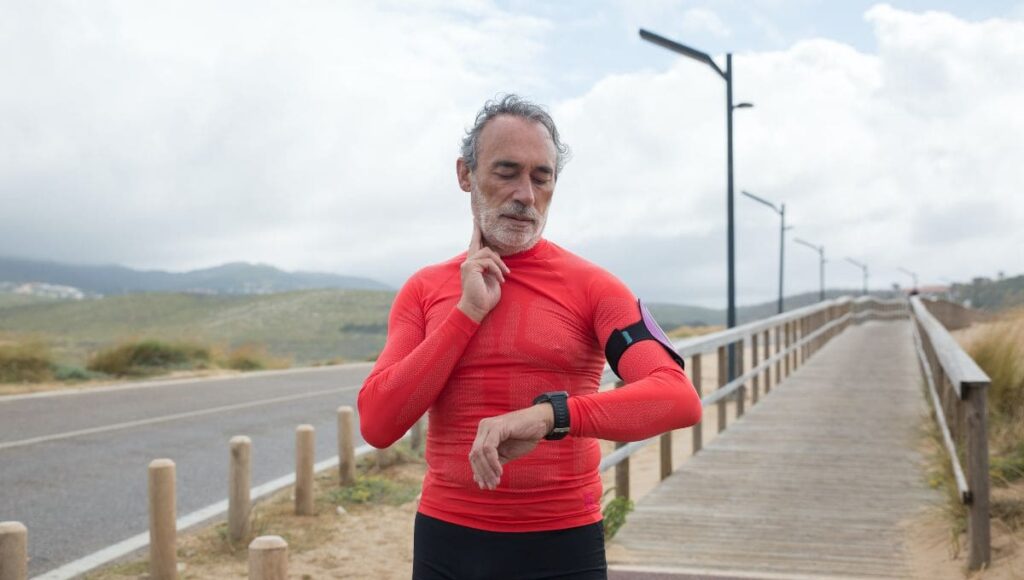
Overcome Barriers: Identify any barriers to exercise (e.g., time, boredom, lack of energy) and find ways to address them. This might mean exercising at a different time of day, trying new activities, or exercising in short bursts throughout the day.
Conclusion: Fitness Routines That Defy Age
Throughout this guide, we’ve explored three foundational fitness routines—strength training, yoga and Pilates for flexibility and balance, and swimming and walking for cardiovascular health. Each routine offers unique benefits that contribute to aging gracefully, enhancing not only physical health but also mental well-being and quality of life.
Embracing a holistic approach to fitness means recognizing the importance of a balanced exercise regimen that includes strength, flexibility, balance, and cardiovascular health. This comprehensive approach ensures that you’re not only living longer but also enjoying a vibrant, active life.
The decision to take control of your health through physical activity is empowering. It represents a commitment to yourself, to honor your body’s needs and capabilities, and to defy age with every step, stretch, and stroke.
Remember, the journey to better health is ongoing and ever-evolving. Be patient with yourself, celebrate your achievements, and keep pushing forward. The rewards of a healthier, more active lifestyle are within reach, providing a stronger, more resilient you for years to come.