So, what are complete proteins and why do you need them?
Proteins are fundamental components of all living organisms, playing a critical role in virtually every biological process within the human body.



As the building blocks of life, they are essential for the structure, function, and regulation of the body’s tissues and organs. From catalyzing metabolic reactions and facilitating cell signaling to providing structural support and acting in the defense system against antigens, proteins are indispensable to the health and functioning of our bodies.
At the heart of proteins are amino acids, organic compounds that combine to form these complex molecules. There are twenty different amino acids that the human body uses to synthesize proteins. These amino acids can be classified into two categories: essential and non-essential amino acids.
Essential amino acids are those that the body cannot produce on its own and must be obtained through diet. There are nine essential amino acids: histidine, isoleucine, leucine, lysine, methionine, phenylalanine, threonine, tryptophan, and valine. Non-essential amino acids, on the other hand, can be synthesized by the body and do not need to be consumed in the diet, although they remain vital for health.
Complete proteins, also known as whole proteins, contain all nine essential amino acids in sufficient amounts necessary for the dietary needs of humans.
The significance of complete proteins in the diet cannot be overstated, as they ensure that the body has the necessary components to perform a myriad of functions, including the growth and repair of muscle tissue, the production of hormones and enzymes, and the maintenance of a healthy immune system. While animal-based foods like meat, fish, dairy, and eggs naturally provide complete protein profiles, certain plant-based sources can also offer all essential amino acids, making it possible for individuals following varied dietary preferences to meet their protein needs.
Understanding the importance of complete proteins and how to incorporate them into your diet is crucial for maintaining optimal health. This guide aims to explore the sources of complete proteins, their roles in the body, and practical tips for ensuring you receive the full spectrum of essential amino acids through your diet.
Understanding Amino Acids
To maintain a balanced and nutritious diet, understanding the sources of complete proteins is crucial. Complete proteins, which contain all nine essential amino acids in adequate proportions, are found in both animal and select plant-based foods. Here, we delve into the variety of sources available and address common misconceptions about plant versus animal protein sources.
Complete Proteins: Animal-Based Sources
Meat: Beef, pork, lamb, and venison are rich in complete proteins and provide additional nutrients like iron, zinc, and B vitamins. These meats are versatile and can be prepared in numerous ways to suit different tastes and dietary requirements.
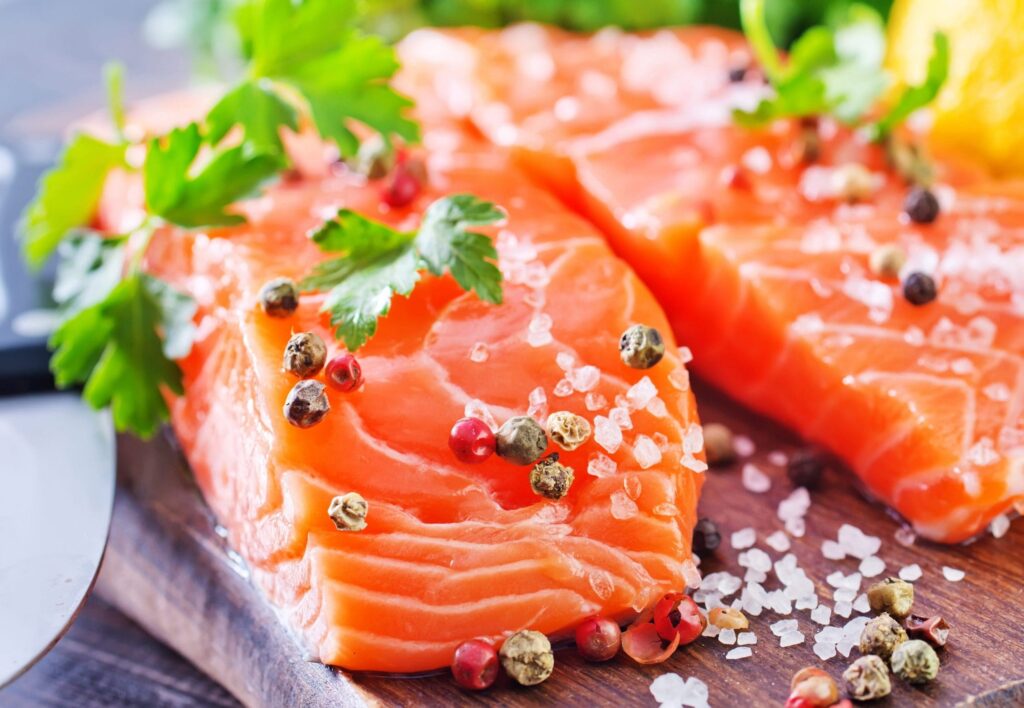
Fish: Fish, particularly fatty varieties like salmon, mackerel, and trout, are not only excellent sources of complete protein but also rich in omega-3 fatty acids, which are beneficial for heart health. Even leaner fish like cod and tilapia offer high-quality protein.
Dairy: Milk, cheese, and yogurt are excellent sources of complete protein. They also provide calcium, vitamin D, and probiotics (in the case of yogurt). Dairy can be incorporated into meals and snacks in various forms to enhance protein intake.
Eggs: Often referred to as the gold standard of protein, eggs contain all nine essential amino acids. They are also rich in vitamins and minerals, including vitamin B12, which is predominantly found in animal products. Eggs are versatile and can be eaten alone or used as an ingredient in a wide range of dishes.
Complete Proteins: Plant-Based Complete Proteins
Quinoa: Unlike most grains, quinoa is a complete protein, making it a fantastic option for vegetarians and vegans. It’s also gluten-free and rich in fiber, magnesium, and iron. Quinoa can be used as a base for salads, as a side dish, or even as a breakfast cereal substitute.
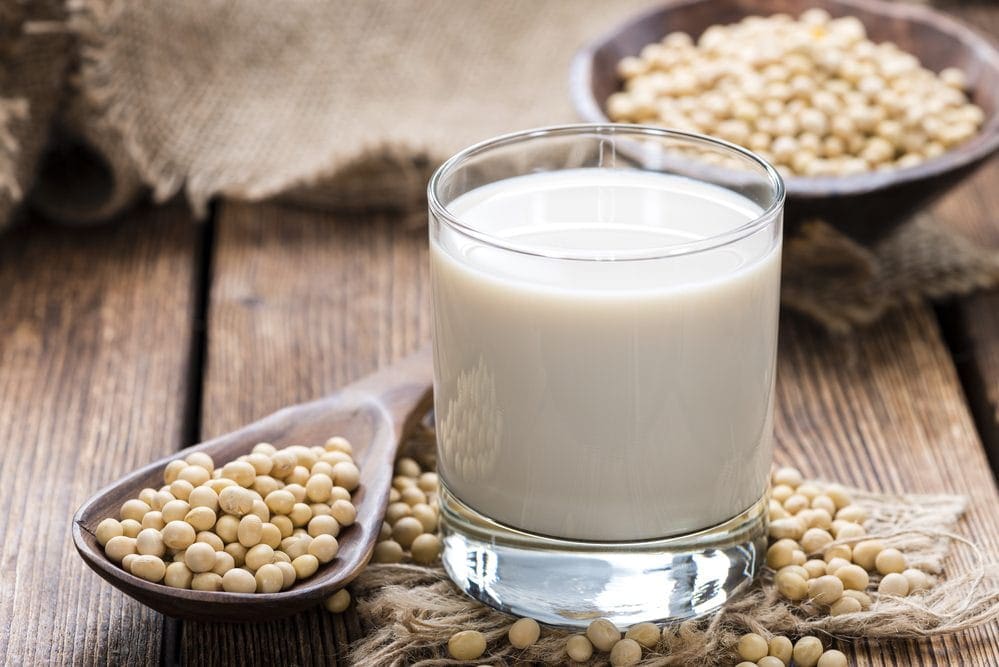
Soy: Soy products, including tofu, tempeh, and edamame, are among the few plant-based foods that are considered complete proteins. They are also versatile ingredients that can be incorporated into a wide variety of dishes, from stir-fries to smoothies.
Buckwheat: Buckwheat, despite its name, is not related to wheat and is gluten-free. It’s a complete protein and can be used in the form of noodles, known as soba, or ground into flour for baking.
Addressing Common Misconceptions
Misconception 1: Plant proteins are inferior to animal proteins. While it’s true that most plant proteins are incomplete, there are exceptions like quinoa, soy, and buckwheat. Furthermore, consuming a variety of plant-based proteins can ensure the intake of all essential amino acids.
Misconception 2: A diet lacking in animal products is deficient in protein. Many plant-based foods, when properly combined, can provide adequate amounts of complete proteins. It’s entirely possible to meet protein needs with a well-planned vegetarian or vegan diet.
Misconception 3: Only animal proteins provide high-quality protein. The quality of a protein is determined by its amino acid profile and digestibility. Some plant-based proteins, especially soy, have been shown to offer protein quality comparable to that of animal sources.
Incorporating a mix of animal and plant-based complete proteins can contribute to a varied and nutritious diet, catering to different dietary preferences and needs. By understanding the wide range of complete protein sources available, individuals can make informed choices to support their health and wellness goals.
Incorporating Complete Proteins into Your Diet
Ensuring an adequate intake of complete proteins is vital for everyone, from those following specific dietary patterns, like vegetarian or vegan diets, to athletes with higher protein needs. Here are strategies and examples to help incorporate complete proteins into your diet effectively.
Tips for Ensuring Adequate Complete Protein Intake
Diversify Your Protein Sources: Whether you consume animal products or not, incorporating a variety of protein sources ensures you get all essential amino acids. For vegetarians and vegans, focusing on combining different plant-based proteins is key.
Understand Serving Sizes: Familiarize yourself with the protein content of your favorite foods and adjust your servings accordingly to meet your daily protein requirements.
Plan Your Meals: Take some time to plan your meals for the week. This can help ensure that you’re incorporating a variety of complete protein sources across your meals.
Use Protein Supplements If Necessary: For those with higher protein needs or dietary restrictions, consider incorporating protein powders (whey, soy, pea) into your diet as an additional source of complete protein.
Sample Meal Plans
For Omnivores:
- Breakfast: Scrambled eggs with spinach, cheese, and whole wheat toast.
- Lunch: Grilled chicken salad with mixed greens, nuts, and a vinaigrette dressing.
- Dinner: Baked salmon with quinoa and steamed broccoli.
- Snacks: Greek yogurt; a handful of almonds.
For Vegetarians:
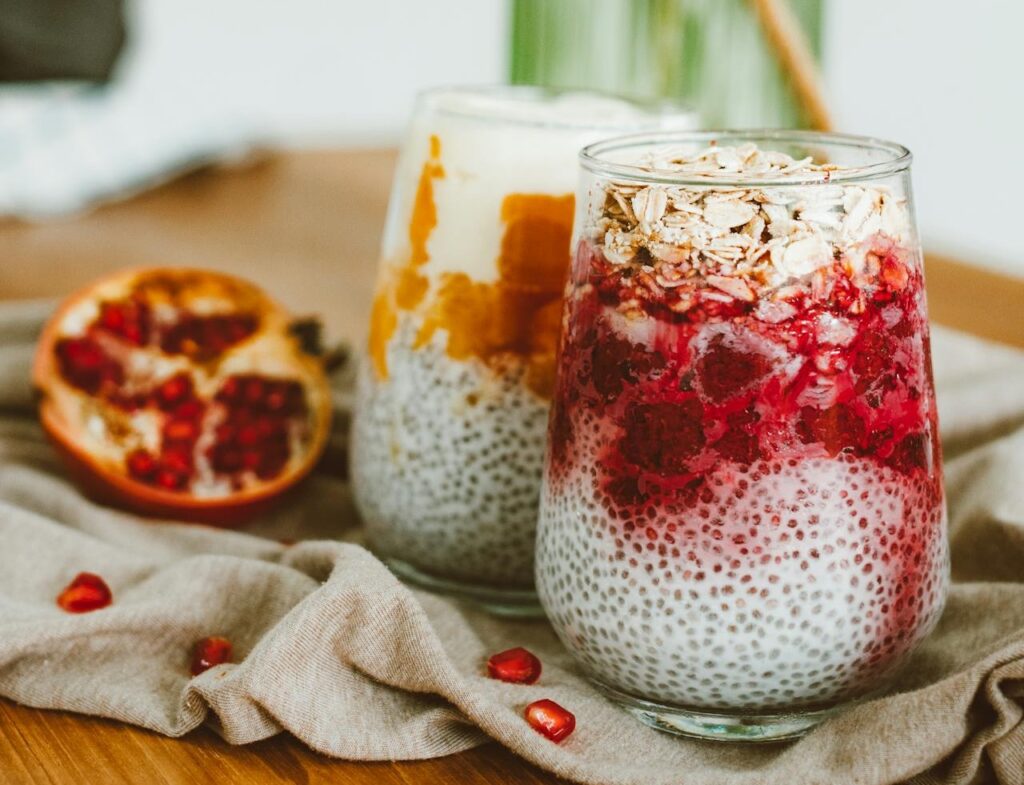
- Breakfast: Greek yogurt with mixed berries and a sprinkle of chia seeds.
- Lunch: Quinoa salad with black beans, corn, avocado, and lime dressing.
- Dinner: Stir-fried tofu with mixed vegetables and brown rice.
- Snacks: Cottage cheese with pineapple; hummus and carrot sticks.
For Vegans:
- Breakfast: Smoothie with soy milk, banana, mixed berries, and a scoop of pea protein powder.
- Lunch: Lentil soup with a side of whole grain bread.
- Dinner: Chickpea and vegetable curry with quinoa.
- Snacks: Edamame; mixed nuts and seeds.
Recommendations for Athletes and Individuals with Higher Protein Needs
Increase Protein Portions: Athletes and those with higher protein needs may require more protein per meal. Consider increasing the portions of protein-rich foods in your meals or adding an extra protein snack.
Timing Matters: For muscle repair and growth, consume protein-rich foods or supplements within 30 minutes after a workout. This helps maximize protein synthesis.
Stay Hydrated: Increased protein intake requires adequate hydration to help your body process protein efficiently.

Consult a Dietitian: For personalized dietary advice, especially for athletes or individuals with specific health conditions, consulting a registered dietitian can provide tailored recommendations to meet your protein and nutritional needs.
Incorporating complete proteins into your diet doesn’t have to be complex or restrictive. By understanding your dietary needs, planning your meals thoughtfully, and enjoying a variety of protein sources, you can ensure your body receives the essential amino acids it requires to thrive.
Combining Incomplete Proteins
Not all protein sources contain all nine essential amino acids, but by combining different plant-based proteins, you can form a complete protein profile. This concept is particularly valuable for vegetarians and vegans.
Certain plant-based foods, when eaten together, complement each other’s amino acid profiles, resulting in a complete protein. This doesn’t need to happen in the same meal, but it can be achieved throughout the day.
Combinations
- Rice and Beans: A classic combination where the lysine in beans complements the methionine in rice.
- Hummus and Whole Grain Bread: Chickpeas and sesame seeds in the tahini (found in hummus) together with whole grains make a complete protein.
- Peanut Butter on Whole Wheat Bread: Peanuts and whole wheat complement each other’s amino acid profiles.
- Lentils and Barley: This combination provides a hearty, protein-rich meal.
By mixing and matching these foods, vegetarians and vegans can easily meet their protein requirements without animal products.
Read More: What happens if you eat nothing for 3 days?
Considerations and Tips
Ensure your diet is varied to meet all your nutritional requirements, not just protein. Include plenty of fruits, vegetables, whole grains, and healthy fats alongside protein sources.
Potential Pitfalls and How to Avoid Them
- Excessive Intake of Processed Meats: While high in protein, processed meats can be high in saturated fats and sodium. Opt for leaner cuts and plant-based proteins when possible.
- Ignoring Micronutrients: Don’t focus solely on protein at the expense of other important nutrients. A balanced diet is key.
Budget-Friendly Protein Shopping Tips
- Buy in Bulk: Purchase staples like beans, lentils, and grains in bulk to save money.
- Choose Whole Foods: Whole foods are often cheaper and healthier than processed alternatives.
- Seasonal and Local: Fruits and vegetables that are in season or locally produced can be more affordable and nutritious.
Conclusion
The importance of complete proteins in our diet cannot be understated. They are essential for the growth, repair, and maintenance of our bodies. Whether you follow an omnivorous, vegetarian, or vegan diet, there are ample sources of complete proteins to suit your lifestyle and dietary preferences.
Incorporating a variety of protein sources not only ensures nutritional adequacy but also adds diversity and enjoyment to your meals. It highlights the accessibility of a protein-rich diet, regardless of budgetary or dietary restrictions.
As we move forward, let’s embrace the wealth of options available to us, ensuring our diets are rich in complete proteins. This approach not only supports our physical health but also our overall wellbeing, allowing us to enjoy the benefits of a balanced and nutritious diet.