Jeff Nippard ranks every chest exercises from best to worst. Check it out in the paragraphs below – he ranked a total of 26 chest exercises!
Jeff Nippard is highly regarded in the fitness industry, celebrated for his expertise in strength training and bodybuilding. As a professional natural bodybuilder and powerlifter, he showcases significant accomplishments in physique and strength. His background in biochemistry is evident in his comprehensive approach to training and nutrition, where he combines scientific knowledge with practical application.


Nippard’s popularity extends to social media and YouTube, where he shares extensive information on exercise science, workout routines, and nutrition. His content is appreciated for its depth, clarity, and evidence-based nature. He has a knack for simplifying complex scientific concepts into practical fitness advice, earning him a vast following and respect in the fitness and bodybuilding communities. Through his informative content and detailed analyses, Jeff Nippard significantly contributes to the education of fitness enthusiasts and athletes worldwide, providing them with effective strategies to achieve their strength and physique goals.
In the fitness and bodybuilding community, developing a strong and well-defined chest is a primary goal for many. This pursuit isn’t just about aesthetics; a robust chest symbolizes strength and vitality, aligning with cultural standards of fitness and masculinity. The enthusiasm for chest day is evident in gyms worldwide, with bench press stations frequently occupied, highlighting the universal appeal of chest training. This passion extends beyond personal fitness goals, appealing to those seeking improved athletic performance, better physical appearance, or the empowerment of feeling strong and fit.
Understanding chest anatomy and muscle growth mechanics is crucial for effective training. Chest training involves more than just lifting heavy weights; it requires a nuanced approach that considers muscle tension, range of motion, and progressive overload. Individual anatomical and fitness differences mean that what works for one person might not be as effective for another. Therefore, analyzing the myriad of chest exercises to identify the most efficient and safe methods is vital for anyone looking to improve their pectoral strength. With a knowledgeable approach, the journey to a formidable chest becomes not only a physical endeavor but also an intellectual one, as fitness enthusiasts sift through the noise to find the routines that resonate best with their bodies and fitness goals.

However, amidst this widespread enthusiasm for chest development, it’s important to recognize that not all chest exercises are equally effective. The market offers a vast array of routines and movements, each claiming to be essential for achieving desired chest size and definition. From classic bench presses to intricate cable crossovers, the choices are abundant, yet this variety can lead to confusion about which exercises are genuinely beneficial. It’s a scenario where misinformation can thrive, with trendy, Instagrammable exercises sometimes overshadowing proven, effective techniques.
Read Also: The Ultimate Guide to Build a Strong Chest
Criteria for Ranking Each of these Chest Exercises
The criteria for evaluating the effectiveness of chest exercises are grounded in the mechanics of muscle growth and the efficiency of the exercise. Jeff Nippard, a well-known fitness expert, outlines three essential elements that a chest exercise must meet to be considered effective: significant stretch with high tension, comfort and a smooth resistance profile, and straightforward progression.
A Big Stretch with High Tension: This aspect ensures the exercise fully engages muscle fibers throughout the movement, especially when the muscle is stretched. Tension during this stretch phase is critical for promoting muscle growth.
Comfort and Smooth Resistance Profile: The exercise should not cause discomfort or pain, which could indicate undue stress on joints or connective tissues. The movement should offer consistent resistance, enabling effective and focused muscle contractions. Indicators of a successful exercise meeting this criterion include a good pump and a solid mind-muscle connection.
Simple Progression: It’s vital that the exercise allows for progressive overload, either by increasing weights, reps, or slight variation, essential for continuous muscle development. An exercise lacking a clear progression pathway does not support sustained improvement.
Nippard’s guidelines stress the importance of choosing exercises that not only effectively challenge the muscles but do so in a way that is sustainable and conducive to ongoing growth. These standards are a valuable guide for anyone aiming to enhance their chest training for optimal muscle growth and strength gains.
How to Increase Chest Size and Strength
Jeff Nippard Ranks Every CHEST Exercise (Best To Worst)
In a nutshell, here is how Jeff Nippard ranked every chest exercise:
F Tier:
- Hex Press: Limited in range and tricep-dominant. Nippard says, “Your triceps will likely take over, which dilutes the focus from your chest.”
- Plate Press: Awkward and lacks overload potential. Nippard notes, “It seems innovative but falls short on delivering tangible chest growth benefits.”
- Guillotine Barbell Press: Risky with a potential for neck injury. “It can stretch the pecs better, but the risk outweighs the benefits,” Nippard explains.
- 1-Arm Dumbbell Press: Offers no significant advantages and complicates balance. Nippard remarks, “Doing one arm at a time disperses tension away from the pecs.”
- Cross-Body Standing Dumbbell: Limited tension on pecs, overly engages front delts. “More of a front delt exercise than a chest builder,” says Nippard.
D Tier:
- Dumbbell Pullover: More lat-focused, less pectoral engagement. Nippard states, “I simply don’t feel my pecs when I do this movement.”
- Plyometric Push-Ups: Low tension on negatives and in the stretch position. “Not ideal for maximizing tension on the chest,” Nippard observes.
The Best Home Chest Dumbbell Workout
C Tier:
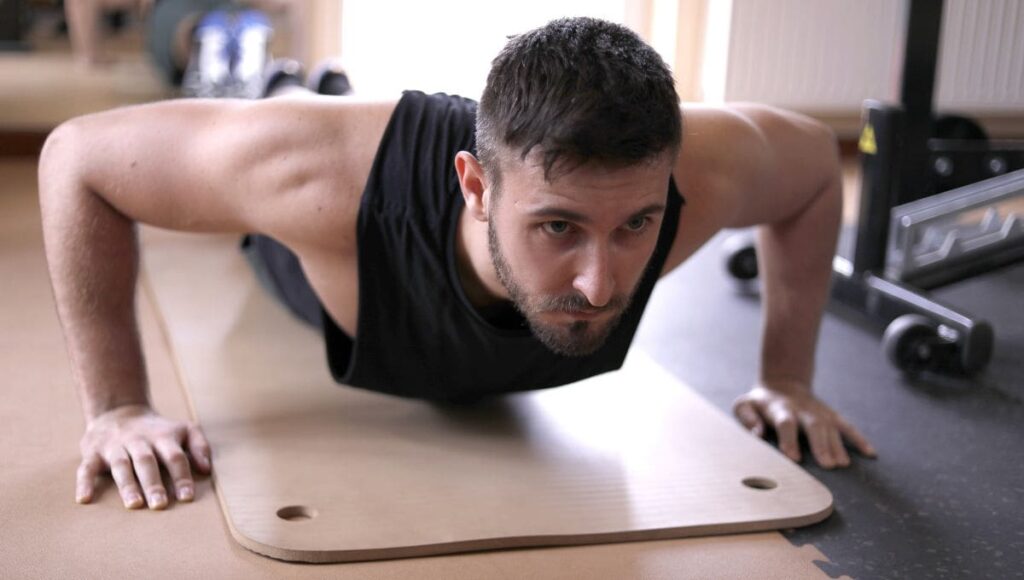
- Push-Ups: Limited by lack of overload potential. “Fine as a finisher, but there are far better options for chest growth,” Nippard advises.
- Barbell Floor Press: Limited range of motion affects stretch. “Great for tricep strength, less so for chest hypertrophy,” Nippard comments.
B Tier:
- Decline Barbell Bench Press: Effective but less versatile. “It’s an effective chest builder, but there are better options,” says Nippard.
- Banded Push-Ups: Adds tension but mostly at the top. “A decent finisher, but not a main growth driver,” notes Nippard.
A Tier:
- Barbell Bench Press: High tension and stretch, a classic. “I credit most of my own pec development to this exercise,” Nippard shares.
- Incline Barbell Bench Press: Similar benefits, targeting upper pecs. “Adds better upper pec growth,” Nippard points out.
- Flat Dumbbell Press: Deeper stretch than barbell, versatile. “Great for enhancing the stretch on your pecs,” Nippard explains.
- Incline Dumbbell Press: Combines benefits of dumbbells and incline angle. “A solid choice for upper chest development,” Nippard mentions.
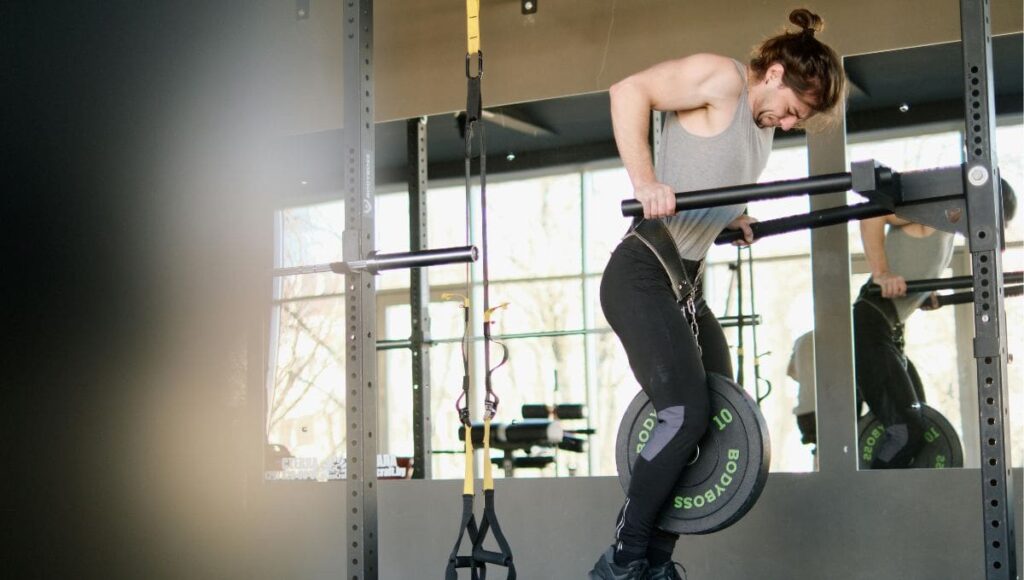
- Dips: Excellent stretch, but can cause shoulder discomfort. “Massive stretch on the pecs, a top-tier exercise,” Nippard praises.
- Deficit Push-Ups: Improved range of motion over standard push-ups. “If you’re doing push-ups, these are the way to go,” advises Nippard.
- Guillotine Dumbbell Press: Safer than the barbell variant, effective stretch. “A safer alternative with great stretch for the pecs,” Nippard suggests.
- Smith Machine Flat Bench Press: Consistent tension, easier to isolate pecs. “A great alternative to the standard bench press,” Nippard recommends.
- Smith Machine Incline Bench Press: Offers incline benefits with Smith machine stability. “Combines the best of both worlds,” Nippard observes.
- Cable Crossover: Smooth tension, good stretch. “Offers a solid stretch and continuous tension,” Nippard notes.
- Pec Machine: Isolates pecs effectively, stable. “A solid machine option for chest isolation,” Nippard comments.
- Dumbbell Fly: Effective stretch, best performed with attention to range. “Good for stretching the pecs, especially in partials,” Nippard suggests.
- Cable Press-Around: Unique contraction, somewhat awkward. “Great for achieving full pec contraction,” Nippard acknowledges.
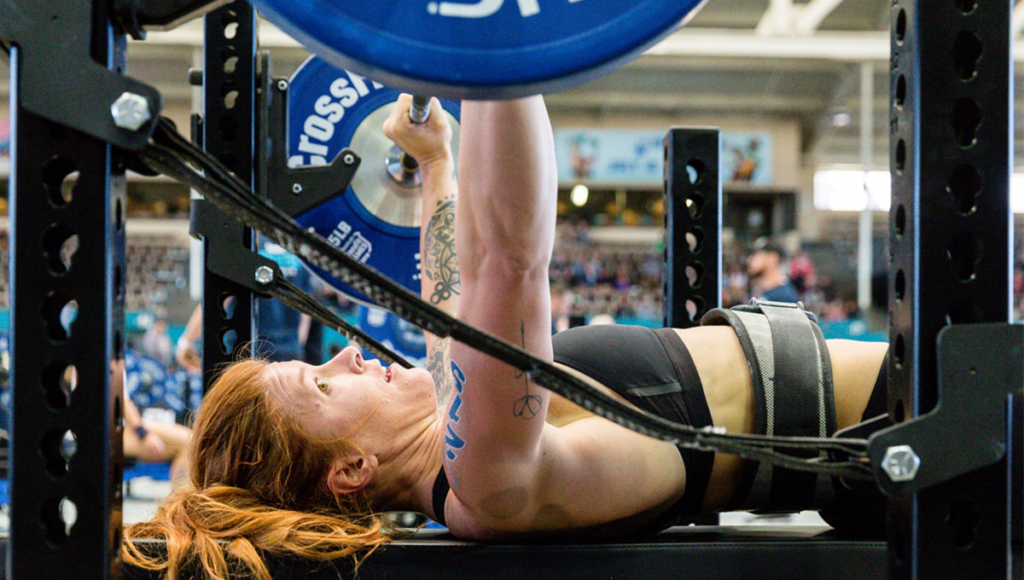
S Tier:
- Machine Bench Press: Full range of motion, high tension, safe. “Takes all the regular boxes for an effective chest workout,” Nippard asserts.
- Seated Cable Crossover: Adds stability to the effective cable crossover. “My favorite chest isolation movement at the moment,” Nippard admits.
Jeff Nippard underscores the importance of selecting the best and worst chest exercises to streamline an effective chest workout regimen. He not only ranks the exercises but also identifies the top performer and the least effective one based on his expertise:
Best of the Best:
Nippard advocates for the Machine Bench Press as the ultimate chest exercise due to its ability to provide consistent tension throughout the movement, offer a full range of motion, and the inherent safety features of machines. He asserts, “The Machine Bench Press is my top pick because it checks all the boxes for effective chest development: high tension, full range, and the ability to safely push to failure.”
Worst of the Worst:
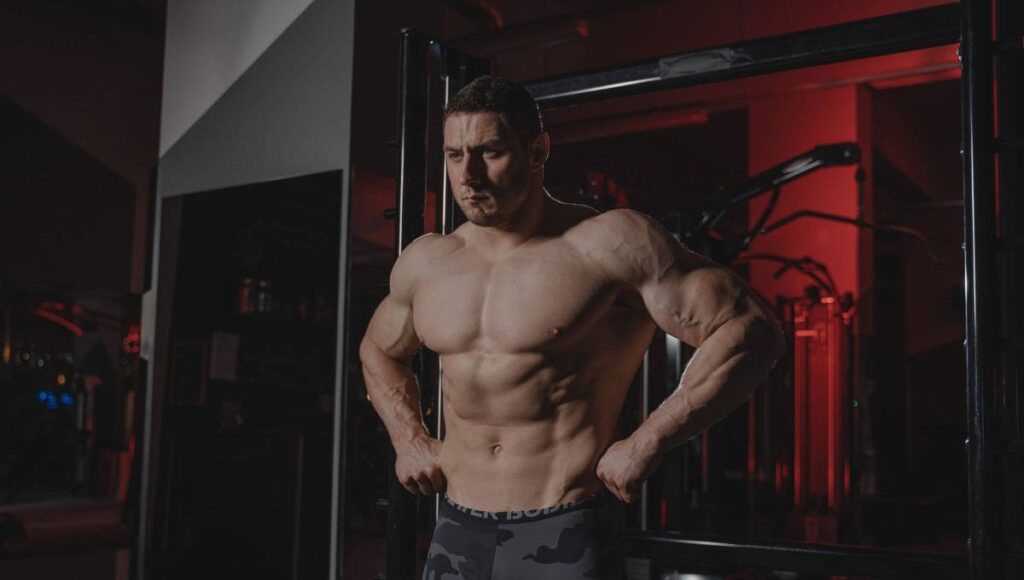
On the other hand, Nippard considers the Plate Press as the least effective chest exercise. Its drawbacks include challenging execution, limited potential for progressive overload, and a lack of sufficient range of motion to stretch the pectoral muscles effectively. These limitations greatly reduce its utility for muscle growth. Nippard criticises the exercise, stating, “The Plate Press is at the bottom of my list. It’s awkward, offers minimal overload potential, and lacks the necessary stretch for optimal chest development.”
These insights from Nippard should guide individuals in prioritizing exercises within their chest training routines, focusing on those that maximise muscle engagement, safety, and growth potential.
For a full understanding of why Jeff Nippard ranks every chest exercise the way he does and with more information on each of the exercise (plus a demonstration of how to do them) simply watch the video below.
Read More: Deeper Scientific Tips For Chest Muscle Growth (100% Works)