If you struggle with weight loss, then learn how to stick to a diet with these helpful tips.
Embarking on a diet can often feel like setting sail on turbulent waters. The journey is fraught with challenges, from the siren calls of late-night cravings to the deceptive ease of slipping back into old habits. Many individuals start with a surge of motivation, only to find that their resolve wanes as days pass.



One of the most common hurdles is the struggle to resist temptations – be it the comfort of fast food or the allure of sugary treats.
Coupled with a busy lifestyle, finding the time and energy to prepare healthy meals or to understand the complex nutritional information can seem like a daunting task.
Moreover, the initial excitement of starting a new diet often gives way to frustration when results don’t come as quickly or as dramatically as hoped. This can lead to a cycle of yo-yo dieting, where one swings between strict adherence and complete abandon, which is neither healthy nor sustainable.
The psychological battle, too, cannot be underestimated; feelings of deprivation, the social pressure of eating out, and the mental toll of constantly measuring up to seemingly perfect standards can all erode the initial commitment to a diet.
Despite these obstacles, the key to successfully sticking to a diet lies in understanding the paramount importance of consistency and commitment. It’s not about perfection on any given day, but rather the accumulation of many days of mindful choices. Achieving dietary goals is a marathon, not a sprint; it requires patience, persistence, and a forgiving attitude towards oneself. By setting realistic expectations and preparing for the inevitable ups and downs, one can navigate the journey with resilience.
Read More: 5 super evening habits to boost health and productivity
The foundation of any successful diet is not just in the foods we choose to eat but in our mindset and approach towards eating and living healthily. It’s about creating a sustainable balance that fosters both physical health and mental well-being.

Thus, armed with the right strategies and a steadfast commitment, anyone can turn the tide in their favor, transforming challenges into stepping stones towards their dietary goals. The following ten foolproof tips are designed to guide you through this process, providing practical advice to stay consistent, overcome obstacles, and ultimately, achieve a healthier lifestyle.
1. How to Stick to a Diet: Set Realistic Goals
Embarking on a dietary journey without a clear destination in mind is akin to sailing without a compass. Setting goals is crucial, but the key lies in ensuring these goals are both realistic and measurable. Realistic goals provide a sense of direction and purpose, paving a path that is attainable and aligned with one’s lifestyle, capabilities, and health needs.
The art of goal-setting begins with understanding your baseline and defining what success looks like for you personally. Instead of vague aspirations like “eat healthier” or “lose weight,” opt for specific targets such as “incorporate two servings of vegetables into every meal” or “lose 5 pounds in two months.”
These precise objectives are not only measurable but also offer a clear yardstick for tracking progress.
However, the pitfall of many diet plans lies in setting goals that soar beyond the realms of possibility. Unrealistic expectations, such as aiming for rapid weight loss or a complete lifestyle overhaul overnight, can sow seeds of frustration and demotivation. When progress doesn’t match these elevated expectations, it’s easy to feel defeated, leading to a cycle of disappointment and, often, abandonment of the diet altogether.
Chosen for you: Why the keto diet is so good for weight loss
It’s important to acknowledge that true and lasting change takes time. Our bodies and habits do not transform at the flip of a switch. By setting achievable goals, you are not lowering your standards but rather, ensuring a steady pace of progress that can be sustained over the long term. This approach fosters a sense of accomplishment with each milestone reached, fueling motivation and reinforcing the commitment to your dietary journey.
Moreover, consider setting both short-term and long-term goals. Short-term goals act as stepping stones, creating momentum and a sense of achievement that propels you towards your ultimate, long-term aspirations.
Celebrating these incremental victories not only boosts morale but also solidifies the habit changes that contribute to lasting health benefits.
In conclusion, the journey to a healthier lifestyle through diet begins with setting realistic and measurable goals. This foundational step is pivotal in charting a course towards success, steering clear of the demotivation brought about by unrealistic expectations.
By embracing a balanced and patient approach to goal-setting, you lay the groundwork for a sustainable, fulfilling dietary journey that enriches both body and spirit.
2. How to Stick to a Diet: Plan Your Meals
Embarking on a dietary journey without a map can lead you into the wilds of impulse eating and nutritional imbalances. Meal planning is that map; it’s a strategic tool that guides your daily food choices, ensuring they align with your health goals. The act of planning your meals in advance offers a myriad of benefits, key among them being the reduction of impulse eating and the achievement of a better nutritional balance.
Benefits of Meal Planning
Reduced Impulse Eating: By deciding in advance what you’re going to eat, you eliminate the need to make food choices when you’re hungry—a time when high-calorie, nutrient-poor options often seem most appealing. Meal planning puts you in control, helping to curb impulsive decisions that can derail your dietary goals.
Better Nutritional Balance: Planning your meals allows you to ensure each dish is nutritionally balanced. It gives you the oversight needed to incorporate a variety of food groups, ensuring a well-rounded intake of vitamins, minerals, and other essential nutrients. This holistic approach to eating can improve overall health, energy levels, and well-being.
Tips for Effective Meal Planning
Start Small: If you’re new to meal planning, begin by planning just a few meals or snacks for the week ahead. This can help you get into the habit without feeling overwhelmed.
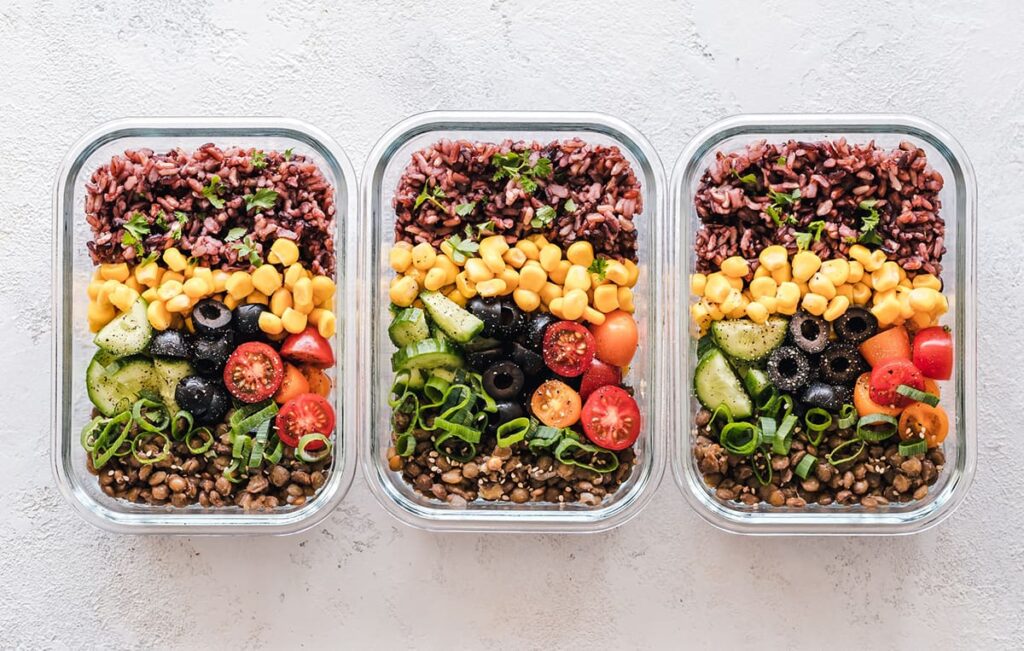
Consider Your Schedule: When planning meals, take into account your weekly schedule. Opt for simpler, quicker recipes on busier days to ensure you can stick to your plan.
Make a Shopping List: Based on your meal plan, create a shopping list. This not only saves time and money at the grocery store but also helps you avoid buying foods that might tempt you to stray from your diet.
Batch Cooking and Leftovers: Consider preparing meals in batches and using leftovers creatively. Cooking once and eating multiple times saves effort and ensures you have healthy options on hand.
Variety is Key: Keep your diet interesting by planning a variety of meals. Trying new recipes can keep you motivated and make sticking to your diet a more enjoyable experience.
Flexible Meals: Include a few flexible meals in your plan that can be easily adjusted based on what you have left in your fridge. This reduces waste and gives you some wiggle room in your diet.
Review and Adjust: Regularly review your meal plan to see what’s working and what isn’t. Your needs and preferences might change over time, and your meal plan should adapt accordingly.
Meal planning is not just about sticking to a diet; it’s about making a commitment to nourish your body with the foods it needs to thrive. By taking the time to plan your meals, you set yourself up for success, making healthy eating a convenient and enjoyable part of your daily routine.
3. How to Stick to a Diet: Keep Healthy Snacks Handy
One of the simplest yet most effective strategies for maintaining a healthy diet is to keep healthy snacks readily available.
This proactive approach is your defense mechanism against the siren call of unhealthy impulse eating, which often strikes during moments of hunger between meals or when convenience trumps nutritional value. By choosing nutritious snacks, you can satisfy hunger pangs without derailing your dietary goals, ensuring that every bite contributes positively to your health.
Healthy Snack Options
To arm yourself against unhealthy choices, consider these nutritious and satisfying snack options:
Fresh Fruits and Vegetables: Apples, bananas, berries, carrots, and cucumber slices are not only nutritious but also hydrating and refreshing. Pair them with peanut butter or hummus for a protein boost.
Nuts and Seeds: Almonds, walnuts, chia seeds, and pumpkin seeds are rich in healthy fats, protein, and fiber. They’re energy-dense, making them particularly satisfying.
Greek Yogurt: High in protein and calcium, Greek yogurt can be enhanced with fresh fruit or a sprinkle of granola for added texture and flavor.
Whole Grain Crackers or Rice Cakes: Pair these with cheese or avocado for a balanced snack that includes carbohydrates, protein, and healthy fats.
Homemade Popcorn: Air-popped popcorn is a whole grain, high in fiber, and can be seasoned with a variety of spices for an interesting twist.
Boiled Eggs: Eggs are a powerhouse of nutrition, offering high-quality protein and essential vitamins and minerals.
Cottage Cheese: This protein-rich option can be combined with fruits or nuts for a satisfying snack.
Dark Chocolate: For those times when you need a sweet treat, a small piece of dark chocolate can satisfy cravings without the guilt.
The Importance of Accessibility
Having these healthy snacks readily available can significantly reduce the likelihood of reaching for less nutritious options. When hunger strikes, the convenience of having a healthy option within arm’s reach makes it much easier to stay on track with your dietary goals. Here are a few tips to ensure healthy snacks are always handy:
Prepare in Advance: Portion out snacks into individual servings at the beginning of the week. This makes it easy to grab a snack on the go without overeating.
Visibility: Keep healthy snacks visible and within easy reach in your kitchen or workspace. Conversely, store less healthy options out of sight to reduce temptation.
Portable Options: Choose snacks that are easy to carry with you. Many of the options listed above can be packed in small containers or bags, making them perfect for snacking on the go.
Mindful Eating: Even with healthy snacks, it’s important to eat mindfully. Pay attention to your hunger cues and stop eating when you’re satisfied.
By keeping healthy snacks handy, you create an environment that supports your dietary goals. This strategic approach not only helps manage hunger effectively but also ensures that each snack contributes positively to your overall nutritional intake, keeping you on track and satisfied throughout the day.
4. How to Stick to a Diet: Hydrate Wisely
In the realm of health and wellness, the importance of hydration cannot be overstated. Drinking enough water is a cornerstone of good health, directly impacting virtually every aspect of our physical function.
Proper hydration supports digestion, nutrient absorption, skin health, and detoxification processes. Beyond its critical physiological roles, water plays a pivotal part in successful dietary management, particularly in distinguishing between hunger and thirst.
The Importance of Drinking Enough Water
Our bodies are composed of approximately 60% water, underscoring the element’s essential role in maintaining bodily functions. Adequate hydration facilitates metabolic processes, aids in maintaining body temperature, and serves as a medium for transporting nutrients to cells.
When we do not consume enough water, our bodies signal distress, which can manifest in ways that are often misinterpreted.
Thirst Misinterpreted as Hunger
One of the most common mix-ups in our body’s communication is the confusion between thirst and hunger signals. This confusion can lead to unnecessary eating when, in fact, a glass of water might have been sufficient to satisfy the body’s actual demand. Dehydration can mask itself as hunger because both sensations are controlled by the same part of the brain, making it easy to misinterpret our body’s call for water as a call for food.

Strategies for Hydrating Wisely
To ensure you’re hydrating wisely and deciphering your body’s signals correctly, consider the following strategies:
Start Your Day with Water: Begin each day by drinking a glass of water. This helps to kickstart your hydration after a night’s sleep and can boost your metabolism.
Carry a Water Bottle: Having a water bottle with you throughout the day serves as a constant reminder to drink water. It also makes it more convenient to stay hydrated no matter where you are.
Set Reminders: In our busy lives, it’s easy to forget to drink water. Setting reminders on your phone or computer can prompt you to take hydration breaks.
Monitor Your Urine: The color of your urine is a straightforward indicator of your hydration status. Aim for pale, straw-colored urine as a sign of proper hydration.
Eat Water-Rich Foods: Fruits and vegetables with high water content, such as cucumbers, tomatoes, oranges, and watermelons, can contribute to your daily water intake.
Listen to Your Body: Before reaching for a snack, drink a glass of water and wait a few minutes. This can help determine if you were indeed hungry or simply thirsty.
Hydrating wisely is about more than just quenching thirst; it’s about understanding your body’s needs and responding appropriately. By prioritizing adequate water intake, you not only support your overall health but also arm yourself with a valuable tool in distinguishing hunger from thirst.
This understanding is instrumental in making mindful eating choices, thereby supporting your dietary goals and contributing to a healthier lifestyle.
5. How to Stick to a Diet: Practice Mindful Eating
In a world that often encourages speed and multitasking, eating can easily become an automatic task we do while distracted—leading to overeating and diminished appreciation of our food.
Mindful eating emerges as a powerful antidote to this fast-paced norm, inviting us to slow down and pay full attention to the eating experience. This practice encompasses being present and engaged with the act of eating, from noticing the flavors and textures of food to acknowledging the effects food has on our feelings and satiety levels.
Benefits of Mindful Eating
Mindful eating offers a multitude of benefits, including improved digestion, as taking time to chew food thoroughly aids in the breakdown and absorption of nutrients. It also enhances satiety because when you eat slowly and with intention, you give your body the time it needs to recognize fullness, reducing the likelihood of overeating.
Moreover, mindful eating strengthens the connection between the body and mind, promoting a healthier relationship with food that is based on nourishment rather than emotional comfort or boredom.
Tips for Mindful Eating
To cultivate a practice of mindful eating and thereby enhance both satiety and enjoyment of food, consider integrating the following tips into your meals:
Eliminate Distractions: Turn off the TV, put away your phone, and ensure that you’re eating in a calm environment. This helps you focus on the meal and listen to your body’s hunger and fullness cues.
Engage Your Senses: Before you begin eating, take a moment to appreciate the colors, smells, and even sounds of your food. As you eat, pay attention to the texture, temperature, and taste of each bite.
Eat Slowly: Chew your food thoroughly and put down your utensils between bites. This not only aids in digestion but also allows you to truly savor your food and makes it easier to recognize when you’re full.
Check in With Your Hunger Cues: Before eating, ask yourself how hungry you really are. Try to eat only when you’re truly hungry and stop when you’re comfortably full.
Appreciate Your Food: Consider the journey your food took to get to your plate—the people who grew it, the process of preparing it. This can foster a deeper appreciation and a more gratifying eating experience.
Mindful Choices: Make mindful choices that honor both your taste preferences and your health. Choose foods that are both pleasurable to eat and nourishing to your body.
Practice Gratitude: Take a moment to express gratitude for your meal. Acknowledging the nourishment your food provides can enhance the overall experience and your connection to eating.

Mindful eating is not about strict rules or denying yourself the foods you love. Instead, it’s about experiencing food more intensely—enjoying the taste, savoring the moment, and using the act of eating as a means to cultivate awareness and gratitude. By practicing mindful eating, you can transform each meal into an opportunity for mindfulness, enhancing not just your physical health but also your mental and emotional well-being.
6. How to Stick to a Diet: Allow for Flexibility
A common misconception about maintaining a healthy diet is that it requires unwavering discipline and rigidity, devoid of any indulgence. However, the key to a sustainable and enjoyable dietary lifestyle lies not in strict adherence to a set of rigid rules, but in allowing for flexibility.
Incorporating occasional treats into your diet can enhance your overall eating experience, making it more likely that you’ll stick with your dietary goals in the long term.
The Importance of Flexibility
Flexibility in a diet means giving yourself the permission to enjoy a wide range of foods in moderation, including those considered treats or indulgences. This approach recognizes that achieving nutritional balance and enjoying food are not mutually exclusive goals.
Allowing for flexibility can help prevent feelings of deprivation, which often lead to binge eating or abandoning healthy eating efforts altogether. It supports a more balanced relationship with food, where choices are driven by both nourishment and enjoyment.
Sustaining Long-term Adherence
The all-or-nothing mentality common in many dieting approaches is a significant barrier to long-term adherence. When people view dieting as a binary choice between strict compliance and complete failure, any minor deviation can feel like a significant setback, discouraging further effort.
In contrast, a flexible approach fosters resilience, making it easier to recover from lapses and continue pursuing your health goals.
How to Incorporate Flexibility into Your Diet
- Plan for Treats: Rather than viewing treats as failures, plan for them as part of your diet. This can help you enjoy them without guilt and maintain control over your choices.
- Practice Portion Control: Enjoying treats in moderation is key. Opt for smaller portions to satisfy your craving without overindulging.
- Mindful Indulgence: When you decide to enjoy a treat, do so mindfully. Savor the flavors, textures, and experience of eating something you love, making it a more satisfying and intentional choice.
- Balance Your Meals: If you know you’ll be indulging in a treat, balance your other meals throughout the day to accommodate this. Focus on nutrient-dense foods to ensure your overall dietary intake remains balanced.
- Forgive Yourself: Recognize that enjoying a treat is part of a balanced diet and not a reason for self-criticism. Let go of any guilt and focus on the positive aspects of your diet.
- Listen to Your Body: Pay attention to how different foods make you feel. Sometimes, the foods we crave don’t make us feel great afterward. Use these experiences to inform your future choices, balancing pleasure with well-being.
Allowing for flexibility within your diet is a compassionate approach that acknowledges the complexity of human appetites and the joy that food can bring into our lives. By incorporating occasional treats in a mindful and balanced way, you can enjoy a richer, more varied diet that supports not only your physical health but also your happiness and satisfaction.
This balanced approach is more sustainable over the long term, making it easier to maintain healthy eating habits without feeling restricted or deprived.
7. How to Stick to a Diet: Find a Support System
The journey to maintaining a healthy diet is often a road better traveled with companions.
Having a support system—comprising friends, family, or members of online communities—can significantly enhance your ability to stick to your dietary goals. This network of support not only offers encouragement and motivation but also provides a sense of accountability and belonging that can be crucial during challenging times.
Benefits of Having a Support System
Encouragement and Motivation: Supportive individuals can offer words of encouragement that reignite your motivation, especially during moments when your resolve wanes. Their belief in your ability to succeed can be a powerful motivator to keep pushing forward.
Accountability: Sharing your goals with others creates a sense of accountability. Knowing that someone else is aware of your objectives and is rooting for your success can inspire you to stay committed, even when the temptation to stray arises.
Sharing of Resources and Advice: A support system can be a treasure trove of resources and advice. From sharing healthy recipes to recommending effective workout routines, the collective wisdom of your support network can be invaluable.
Emotional Support: Beyond the practical aspects, a support system provides emotional backing. They understand the challenges you’re facing and can offer empathy and comfort, reminding you that you’re not alone in this journey.
Engaging with Your Support System Effectively
To make the most out of your support system, consider the following advice:
Be Open About Your Goals: Clearly communicate your dietary goals and the reasons behind them to your support network. This helps them understand how best to support you.
Seek Out Like-Minded Individuals: Look for friends, family members, or online communities with similar health and wellness goals. These individuals can relate to your experiences and offer specific advice and support.
Engage Regularly: Regular interaction with your support system keeps the momentum going. Whether it’s through social media, group chats, or in-person meetups, staying engaged helps maintain your motivation and accountability.
Give Support in Return: A support system is a two-way street. Offer your encouragement, advice, and listening ear to others. Supporting others can reinforce your own commitment to your dietary goals.
Celebrate Achievements Together: Share your victories, no matter how small, with your support system. Celebrating together strengthens bonds and provides positive reinforcement for continued effort.
Be Honest: Don’t hesitate to share your struggles or setbacks. A support system is there to uplift you during the lows, not just celebrate the highs.
Building and engaging with a support system is about fostering a community of encouragement, shared experiences, and mutual respect. It underscores the notion that while the journey towards a healthier lifestyle is a personal one, it need not be a solitary endeavor.
With the right support, you can navigate the challenges more confidently, sustain your commitment, and achieve lasting success in your dietary pursuits.
8. Track Your Progress
The path to achieving your dietary and fitness goals is a journey of incremental steps and adjustments. One of the most effective ways to navigate this journey is by tracking your progress. This practice not only offers insight into your habits and how they align with your goals but also serves as a motivational tool, keeping you engaged and focused on your path to wellness.
Benefits of Tracking Your Progress
Awareness and Accountability: Keeping a record of your dietary intake and physical activities increases your awareness of your habits and patterns. This heightened awareness fosters accountability, encouraging you to make choices that align with your goals.
Identifying Trends: Tracking allows you to identify trends over time, helping you recognize what works and what doesn’t. This insight can be invaluable in making informed decisions about adjustments to your diet and fitness routines.
Celebrating Milestones: Documenting your journey enables you to see how far you’ve come. Celebrating these milestones can boost your motivation and commitment.
Personalized Feedback: Tracking your progress provides personalized feedback based on your own data, allowing for a tailored approach to your health and fitness journey.
Methods of Tracking
There are several methods you can use to track your progress, each with its own benefits:
Food Diaries: Writing down what you eat in a food diary helps you become more mindful of your eating habits. This method can highlight areas for improvement, such as increasing your intake of fruits and vegetables or reducing sugary snacks. The act of writing can also reinforce your commitment to making healthy choices.
Fitness Apps: There are numerous apps available that make tracking your dietary intake and physical activity easy and accessible. Many of these apps also provide nutritional information, making it easier to stay within your dietary goals. Additionally, they often include features for setting goals, reminders, and motivational rewards.

Wearable Fitness Trackers: Wearable devices can track your physical activity, sleep patterns, and even heart rate, offering a comprehensive view of your fitness. They provide real-time feedback and can motivate you to stay active throughout the day.
Photographic Food Journals: Taking photos of your meals is a visual method of tracking that can be particularly impactful. Reviewing these photos can provide insights into your dietary patterns and inspire changes to your eating habits.
Reflective Journaling: Beyond just tracking what you eat and how much you exercise, reflective journaling about your feelings towards your diet and fitness routine can offer deeper insights into your motivations, challenges, and successes.
Whichever method you choose, the key is consistency. Regular tracking can transform what may feel like a mundane task into a powerful tool for self-discovery and personal growth.
It turns the abstract goal of “eating better” or “getting fit” into a tangible, measurable process. Remember, the goal of tracking is not to judge yourself harshly but to provide clear markers of your progress and to celebrate the journey towards a healthier you.
9. Learn to Handle Setbacks
Setbacks are an inevitable part of any journey toward a healthier lifestyle. Rather than viewing them as failures, consider them opportunities for learning and growth. The way you handle these moments can significantly impact your long-term success and resilience.
Dealing with Setbacks
- Practice Self-Compassion: Be kind to yourself when setbacks occur. Understand that perfection is unrealistic and that every journey has its ups and downs.
- Analyze and Learn: Take time to reflect on what led to the setback. Identifying triggers or circumstances can help you develop strategies to avoid similar situations in the future.
- Reset and Refocus: Instead of letting a setback derail your efforts, use it as a reset point. Reaffirm your goals and remind yourself why they’re important to you.
- Seek Support: Reach out to your support system for encouragement and advice. Sometimes, just sharing your challenges can lighten the burden and provide new perspectives.
- Adjust Your Approach: If setbacks are recurring, it might be time to adjust your goals or strategies. Flexibility in your approach can lead to more sustainable habits.
10. Celebrate Your Successes
Celebrating your successes, no matter how small, is crucial in maintaining motivation and reinforcing positive behavior. Recognizing your achievements helps to build self-confidence and commitment to your health journey.
Non-Food Related Rewards
To celebrate your milestones, consider rewards that don’t revolve around food:
Self-Care Days: Treat yourself to a spa day, a massage, or a relaxing bath at home. Self-care reinforces the importance of looking after your mental and physical well-being.
New Experiences: Celebrate your achievements by trying something new, like taking a class in something you’ve always wanted to learn or visiting a place you’ve never been before.
Fitness Gear: Invest in new workout clothes, a fitness tracker, or equipment that supports your fitness goals and makes your journey more enjoyable.
Time for Yourself: Set aside time to indulge in your favorite hobby or simply to relax and reflect. This can be as rewarding as any physical gift.
Books or Educational Courses: Reward yourself with resources that contribute to your personal growth and knowledge.
Conclusion
Throughout this guide, we’ve explored ten foolproof tips for sticking to a diet, each emphasizing the importance of consistency, mindfulness, support, and resilience. From setting realistic goals and planning your meals to celebrating your successes and learning from setbacks, these strategies are designed to support a sustainable journey towards better health.
Implementing these tips into your daily routine can enhance your dietary efforts, making the path to a healthier lifestyle not just achievable but also enjoyable. Remember, the journey to better health is a marathon, not a sprint. It’s about making continuous progress, learning from each step, and finding joy in the process.
As you move forward, carry with you the understanding that every choice you make is a step towards your wellness goals. Be patient with yourself, embrace the journey, and know that with each small victory, you’re not just changing your diet; you’re transforming your life. Here’s to a healthier, happier you—step by step, day by day.