


Learn how to use an ab wheel to get awesome abs!
The quest for a strong, sculpted core is a pervasive theme in the realm of physical fitness. Amidst a plethora of exercise equipment and routines, the ab wheel stands out as a remarkably effective yet underutilized tool. However, its simplicity is deceptive. Without the requisite knowledge and technique, users risk injury and inefficacy, turning a potential ally into a foe in their fitness journey. This article delves deep into the ab wheel’s proper use, drawing on insights from fitness expert Sal Di Stefano, to ensure that your path to core strength is not only effective but also safe and informed.


The Mind Pump Podcast is an online radio show that talks all fitness related and, usually, is provocative. Its hosts are Sal Di Stefano, Adam Schafer, Justin Andrews, and Doug Egge. They also have a YouTube channel with more than 700k subscribers.
At the heart of ab wheel training is the need for meticulous technique. Unlike other fitness gadgets that offer more intuitive use, the ab wheel demands a nuanced approach to harness its full potential. The risk of injury, particularly to the lower back, is significant when the device is used improperly. Therefore, understanding the mechanics of the exercise and the involved muscle groups is paramount.
His insights illuminate the common pitfalls and provide a roadmap for mastering this potent exercise tool. By adhering to his advice, practitioners can transform their core training, ensuring that each roll-out is a step towards greater strength and stability.
8 Reasons Your Abs Aren’t Showing and How to Fix It
How to Use an Ab Wheel for Awesome Abs
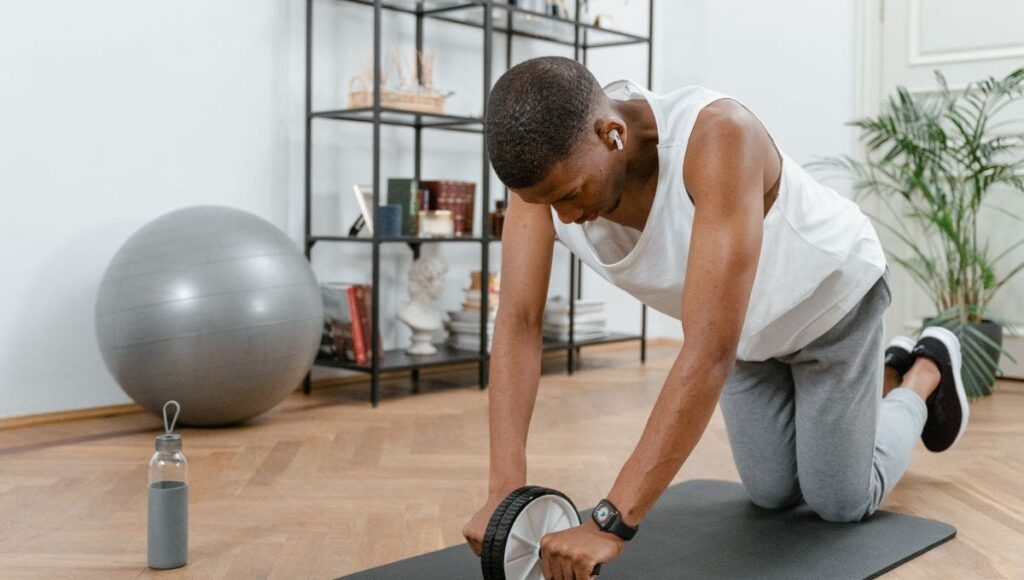
Using an ab wheel may appear straightforward, but the subtleties of its use are where the true effectiveness lies. Sal Di Stefano emphasizes the importance of starting position, which many may overlook. He compares the optimal starting stance to a ‘cow’ yoga position, where the tailbone is slightly contracted, as opposed to the ‘cat’ position. This initial posture sets the stage for a core-centric workout, reducing the undue engagement of hip flexors and arms.
“When you engage the ab wheel, it’s not just about rolling in and out; it’s a deliberate act of controlling your core,” Sal advises. “Crunch, control the abs, tight core, come out. And then I’m sucking up with my core. That’s how I’m pulling myself back.” This quote encapsulates the essence of the exercise – it’s a conscious, controlled movement where the core is the star, not just a participant.
Navigating Common Mistakes
Many enthusiasts, eager to see results, rush into using the ab wheel without proper form, leading to ineffective workouts or, worse, injuries. Sal points out two prevalent errors: overly relying on hip flexors and arms, and neglecting the core’s engagement throughout the exercise. These missteps transform what should be a targeted core workout into an exercise that strains the wrong muscles.
The key is to maintain a ‘crunched’ core, ensuring that the movement originates from and is supported by the abdominal muscles. Sal illustrates the wrong approach for emphasis: “One is arch with the arms or arch and just pull back with the knee.” He contrasts this with the correct method, where the focus is on using the core to initiate and complete the movement, a technique that dramatically enhances the exercise’s effectiveness and safety.
10 Easy Science-Based Steps to Get Perfect Abs
Incorporating the Ab Wheel into Your Routine
Integrating the ab wheel into your fitness regimen requires a balance of consistency and caution. Starting slowly, with attention to form, is crucial. As your proficiency grows, so too can the intensity and frequency of your workouts. However, the ab wheel is not a daily tool; like any exercise, your muscles need time to recover and strengthen.
Sal Di Stefano’s guidance is invaluable here. He underscores the importance of listening to your body and advancing at a pace that aligns with your fitness level. “The real way to do this… super challenging. I’ve got a very strong core, and I can do these properly maybe 15 times, and I’m really just fried.” This humility and recognition of the exercise’s demands are crucial for all users, regardless of their fitness levels.

The ab wheel is a potent instrument in the symphony of core training, offering a unique challenge that, when met with proper technique, can yield impressive results. Sal Di Stefano’s expertise provides a beacon, guiding users away from common pitfalls and towards a path of effective, safe core strengthening. By embracing his advice, practitioners can unlock the full potential of this simple yet powerful tool, ensuring that each roll-out is a step towards their fitness aspirations.
By dedicating time to understand and practice the correct technique, users can transform a humble wheel into a catalyst for core transformation. As you incorporate this tool into your routine, remember Sal’s words: “Crunch, control the abs, tight core, come out.” With this mantra, the ab wheel becomes not just an exercise implement, but a gateway to deeper strength and stability.
8 Excellent Core Workouts You Can Do at Home
Pros and Cons of the Ab Wheel
Pros of the AB Wheel
- Muscle Building: The AB wheel is highly effective for strengthening the abdominal muscles. It engages not just the superficial abs but also the deeper core muscles, providing a comprehensive abdominal workout.
- Affordability: With a relatively low cost, often around £10, the AB wheel is an accessible piece of equipment for a wide range of users, making it an attractive option for those looking to enhance their home gym without a significant financial investment.
- Compact and Convenient: The AB wheel’s simple design makes it easy to store and use, ideal for home workouts and for those with limited space.
- Versatility: It offers a variety of exercises that can target different parts of the core, providing versatility in a workout routine.
The primary reason the AB wheel is celebrated among fitness enthusiasts is its ability to provide an intense muscle-building workout for the abs. It challenges the core in a unique way that many other exercises cannot match. When you roll out with the AB wheel, you’re not just isolating your abs; you’re engaging a full spectrum of core muscles, including the obliques and the deeper, stabilising muscles.
One of the AB wheel’s standout features is its cost-effectiveness. With a relatively low price point, often around £10, it’s accessible to a wide audience, making it an attractive option for those looking to enhance their home gym without breaking the bank.
The Importance of Proper Technique
While the AB wheel can offer substantial benefits, it also poses risks if not used correctly. Incorrect usage can lead to injuries, particularly in the wrists, shoulders, and lower back. The key to effective AB wheel exercises is in the technique:
- Preparation: Before you start rolling out, engage your abs by performing a slight crunch. This activation ensures that your core is engaged throughout the exercise.
- Execution: As you roll out, gradually extend your body, ensuring that you maintain control and do not overextend. Your focus should be on using your core to perform the movement, not your arms or hip flexors.
- Return: To return to the starting position, pull back using your abdominal muscles, not your arms or legs. This phase is crucial for maximising the exercise’s effectiveness.

Cons of the AB Wheel:
- Risk of Injury: If not used correctly, there’s a significant risk of injury, particularly to the wrists, shoulders, and lower back. Proper technique is crucial to avoid these risks.
- Not Suitable for Beginners: The AB wheel requires a baseline level of core strength and stability. Beginners or those with weak core muscles might find the exercise too challenging and potentially risky.
- Technique-Dependent: The effectiveness of the AB wheel is heavily reliant on proper form. Users need to understand and execute the exercise correctly, which might require guidance or practice.
- Limited Usage: For those with pre-existing conditions or injuries, especially in the lower back or shoulders, the AB wheel might not be the best option and could exacerbate these issues.
Is the AB Wheel for Everyone?
Despite its benefits, the AB wheel is not suitable for all fitness levels. Beginners or individuals with limited core strength should approach this tool with caution. It’s recommended to build a foundation of core strength and stability before incorporating the AB wheel into your routine.
9 Most Effective Abs Exercises You Have Never Done
Ab Wheel Exercises to Train Your Body
Starting with the foundational AB wheel plank, we’ll break down the technique and progression to ensure you’re building a solid core foundation. As we move through each exercise, we’ll provide tips and modifications to help you maximise the effectiveness of your workout while maintaining proper form. By integrating these AB wheel exercises into your routine, you’ll experience a new level of core engagement and strength.
So, grab your AB wheel, and let’s dive into these exercises. Whether you’re practicing in your home gym or a fitness studio, these movements will bring a new dimension to your core workouts, challenging your muscles in unique and rewarding ways.
AB Wheel Plank
The AB wheel plank is your starting point in mastering the AB wheel. This exercise lays the foundation for more advanced movements. If you find the full plank from your toes challenging initially, there’s no shame in starting from a kneeling position. This modification allows you to build strength and familiarity with the equipment. Focus on maintaining a straight line from your head to your knees, avoiding any sagging or arching in your lower back.
Moving AB Wheel Planks
Once you’re comfortable with the static AB wheel plank, it’s time to add some movement. The moving AB wheel plank introduces a dynamic element, engaging more muscle groups and increasing the intensity of the workout. Start with small movements, rolling the wheel slightly forward and back, and gradually increase the range as you gain confidence and strength.
Kneeling AB Wheel Rollout
Next, we transition to the kneeling AB wheel rollout. This exercise intensifies the engagement of your core muscles. Place a mat beneath your knees for added comfort. As you roll the wheel forward, focus on keeping your core engaged and your back straight. This exercise should challenge your muscles without causing strain to your lower back.
Reverse AB Wheel Rollout
The reverse AB wheel rollout adds an innovative twist to your workout. For this exercise, you’ll place your feet on the handles, shifting the focus and challenging your core from a different angle. It’s crucial to maintain control and stability throughout the movement to maximise the benefits and avoid any risk of injury.
Standing AB Wheel Rollout
Finally, we reach the pinnacle of AB wheel exercises: the standing AB wheel rollout. This advanced variation demands significant core strength and stability. Start gradually, ensuring you don’t compromise your form, especially in your lower back, which should not arch during the exercise. Mastering this movement is a testament to your core strength and proficiency with the AB wheel.
Read More: 3 Easy Fixes to Get Shredded Abs


