In the quest for fat loss, the combination of cardiovascular and strength training exercises stands out as a fundamental strategy.
This multifaceted approach not only enhances the efficiency of your workout regimen but also paves the way for a more dynamic and sustainable weight loss journey.


Cardiovascular exercises, known for their ability to burn calories and improve heart health, work in tandem with strength training, which is essential for building muscle and increasing metabolic rate. The synergy between these two types of exercise can accelerate fat loss, making your fitness goals more attainable.

Body conditioning exercises, which often incorporate elements of both cardio and strength training, are particularly effective for those looking to shed fat quickly and efficiently. By engaging multiple muscle groups and requiring various forms of movement, these exercises boost the body’s metabolic rate, leading to more calories burned both during and after the workout. Moreover, as muscle mass increases, the body becomes more adept at burning fat even when at rest, thanks to the higher energy demands of muscle tissue compared to fat tissue.
The benefits of body conditioning go beyond just fat loss. These exercises enhance overall fitness, improve endurance, and build a strong, versatile physique capable of handling daily activities and challenges with ease.
Whether it’s through high-intensity interval training (HIIT), compound movements, or plyometrics, body conditioning exercises are a key component of any effective fat loss strategy. By incorporating these exercises into your routine, you not only work towards your weight loss goals but also invest in your long-term health and wellbeing.
1. High-Intensity Interval Training (HIIT)
High-Intensity Interval Training, commonly known as HIIT, is a powerful training technique that involves short bursts of intense exercise alternated with low-intensity recovery periods.
This method has gained immense popularity due to its efficiency in burning fat in a relatively short amount of time. HIIT not only maximizes calorie burn during the workout but also stimulates a phenomenon known as the afterburn effect, or excess post-exercise oxygen consumption (EPOC), leading to increased calorie burn for hours after the workout has ended.
Benefits of HIIT
HIIT offers numerous benefits that make it an attractive option for those looking to lose fat quickly while also improving their cardiovascular fitness, strength, and endurance. Some of the key benefits include:
- Efficiency: HIIT workouts can be done in 30 minutes or less, making them perfect for busy schedules.
- Increased Metabolic Rate: The afterburn effect from HIIT means you continue burning calories even after the workout is over.
- Fat Loss Without Muscle Loss: Unlike steady-state cardio, HIIT helps preserve muscle mass while primarily burning fat.
- Improved Cardiovascular Health: HIIT improves both aerobic and anaerobic fitness.
- Accessibility: HIIT workouts can be done anywhere, with little to no equipment, making them universally accessible.
Examples of HIIT Workouts
HIIT workouts can vary widely, but they all share the common theme of short, intense efforts followed by rest or low-intensity periods. Here are a few examples:
- Sprints: Run at full effort for 30 seconds, followed by a 1-minute walk or slow jog to recover. Repeat for 15–20 minutes.
- Burpees: Perform burpees for 20 seconds at high intensity, followed by 40 seconds of rest. Repeat for 10–15 rounds.
- High Knees: Run in place, bringing your knees up to your chest as high as possible for 30 seconds, followed by 30 seconds of walking in place. Repeat for 10–15 minutes.
Tips for Beginners
Incorporating HIIT into your fitness routine can seem daunting at first, but with a few tips, beginners can safely enjoy the benefits of this exercise method:
- Start Slow: Begin with shorter workout sessions and gradually increase the duration as your fitness improves.
- Focus on Form: Proper form is crucial to avoid injury, especially when performing exercises at high intensity.
- Listen to Your Body: While HIIT is meant to be challenging, you shouldn’t push yourself to the point of severe discomfort or pain.
- Rest and Recover: Allow at least 24 hours of recovery between HIIT sessions to let your body recuperate.
- Warm-Up and Cool Down: Always start with a warm-up and end with a cool-down to prevent injury and aid recovery.
By incorporating HIIT into your exercise regimen, you can achieve significant fat loss, improve your cardiovascular health, and enhance your overall fitness in a time-efficient manner.
Remember, consistency and a balanced approach to fitness and nutrition are key to achieving and maintaining your fat loss goals.
2. Compound Movements
Compound movements are exercises that engage two or more different joints to work multiple muscle groups at the same time.
Unlike isolation exercises, which target a single muscle group, compound movements offer a full-body workout, making them highly efficient for strength training and fat loss.
These exercises are foundational to any effective workout regimen because they simulate natural movements, improve functional strength, and have a high caloric burn due to the large amount of muscle mass involved.
Benefits of Compound Movements for Fat Loss
- Efficiency: By working multiple muscle groups simultaneously, compound movements save time and burn more calories.
- Increased Muscle Mass: Building muscle increases your resting metabolic rate, meaning you burn more calories even when not exercising.
- Hormonal Benefits: These exercises have been shown to increase the production of hormones that aid in fat loss and muscle growth.
- Improved Strength and Stability: Compound movements enhance core strength and improve balance and coordination by mimicking real-world movements.
Examples of Compound Exercises
- Squats: Squats work the quadriceps, hamstrings, glutes, lower back, and core, making them an incredibly effective lower-body exercise.
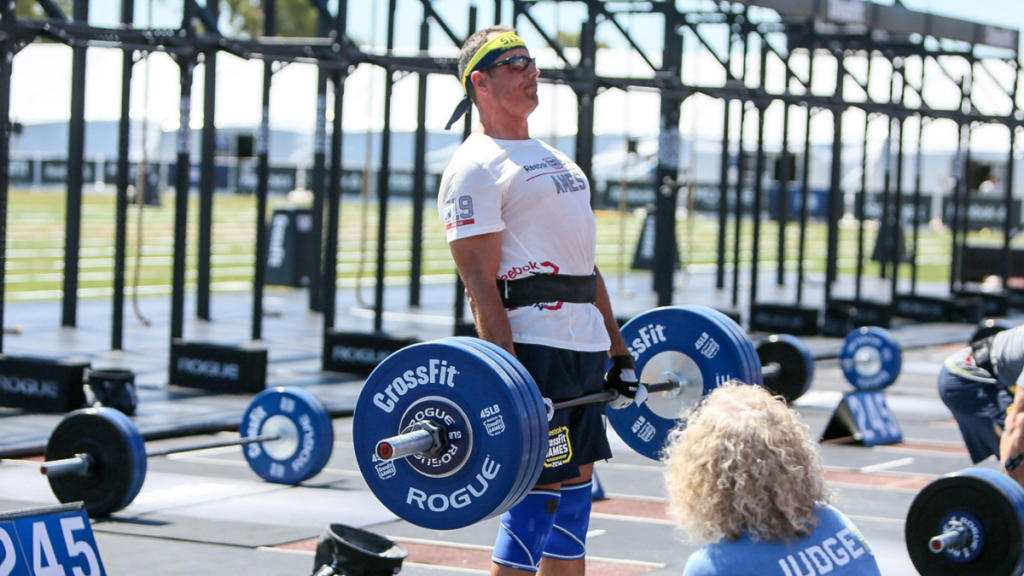
- Deadlifts: This powerful exercise engages the back, glutes, legs, and core, and is essential for building overall body strength.
- Bench Press: Targeting the chest, shoulders, and triceps, the bench press is a key exercise for upper body strength.
Incorporating Compound Movements into Your Workout Routine
To maximize fat loss and build strength effectively, include a variety of compound movements in your workout regimen. Here’s how you can start:
Balance Your Workouts: Ensure your routine includes compound exercises for both the upper and lower body. Aim for a mix that challenges different muscle groups throughout the week.
Prioritize Compound Movements: Begin your workout sessions with compound exercises when your energy levels are highest. This approach ensures you’re able to perform these demanding movements with proper form and intensity.
Progressive Overload: Gradually increase the weight or resistance used in your compound movements to continue challenging your muscles and burning fat. This can be done by adding weight, increasing reps, or enhancing the complexity of the exercise.
Rest and Recovery: Given the intensity of compound movements, adequate rest between sets and workout days is crucial for recovery and muscle growth. Allow at least 48 hours of rest before targeting the same muscle groups again.
Incorporating compound movements into your fitness routine is a powerful strategy for enhancing overall strength, improving functional fitness, and accelerating fat loss. By engaging multiple muscle groups in a single exercise, you not only burn more calories during your workout but also build the muscle necessary to boost your metabolism in the long term. Remember, consistency and progressively challenging yourself are key to reaping the full benefits of compound movements.
3. Circuit Training
Circuit training is a versatile and dynamic form of exercise that combines strength training with cardiovascular fitness.
It involves performing a series of exercises back-to-back with minimal rest in between, usually cycling through a set of different movements that target various muscle groups.
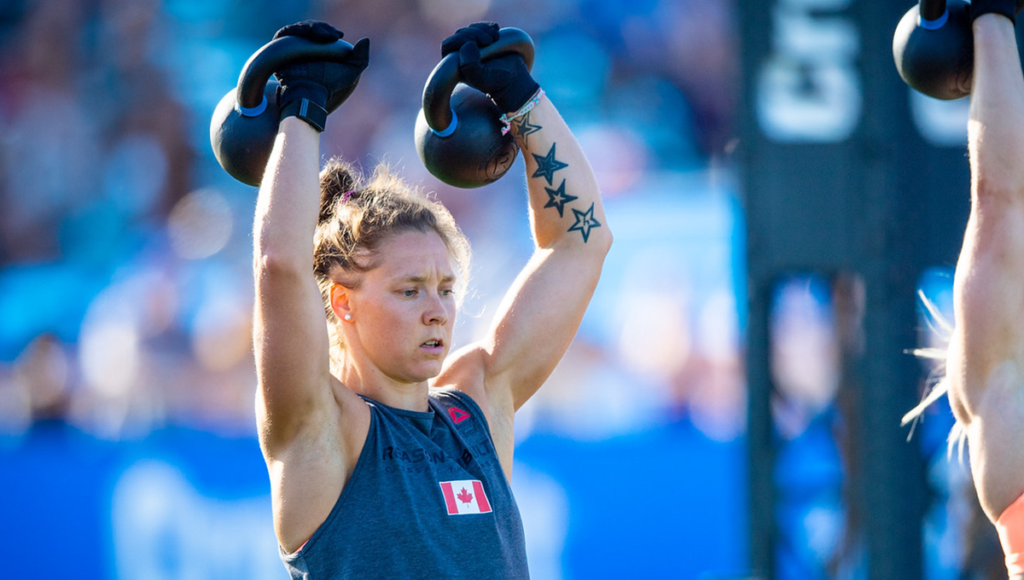
This approach keeps your heart rate elevated throughout the workout, providing both aerobic and anaerobic benefits. Circuit training is highly effective for burning fat, improving endurance, and building muscle due to its fast-paced nature and the variety of exercises involved.
Effectiveness for Burning Fat
High Caloric Burn: The continuous, high-intensity nature of circuit training leads to significant calorie burn during and after the workout.
Increased Metabolic Rate: Alternating between different muscle groups and types of exercise keeps the metabolism elevated long after the session ends.
Flexibility and Adaptability: Circuit training can be adapted to suit any fitness level, allowing for progression and variation that prevents plateaus in weight loss and fitness improvements.
Sample Circuit Training Routine
A balanced circuit training routine might include a combination of cardio exercises and strength training movements to target the whole body. Here’s a simple circuit that can be done with minimal equipment:
- Jump Rope: 2 minutes for a cardio warm-up.
- Squats: 15 reps to target the lower body.
- Push-Ups: 10-15 reps for chest and triceps.
- Lunges: 10 reps per leg to further work the lower body.
- Plank: Hold for 1 minute to strengthen the core.
- Mountain Climbers: 1 minute for a cardio boost and core strengthening.
- Dumbbell Rows: 10-15 reps per arm to target the back and biceps.
- Burpees: 10 reps for a full-body cardio challenge.
Repeat the circuit 2-3 times, depending on your fitness level, with a 1-2 minute rest between rounds.
Customizing Circuit Training Routines
Circuit training is highly customizable, making it suitable for a wide range of fitness levels and goals. Here are some suggestions for tailoring circuit training to your needs:
Adjust Intensity: Modify the number of repetitions, sets, and rest periods based on your fitness level. Beginners might start with fewer reps and longer rest, while more advanced individuals can increase the reps and reduce rest times.
Vary the Exercises: Switch out exercises every few weeks to target different muscle groups and prevent boredom. This variety can help continuously challenge the body and prevent plateaus.
Incorporate Different Equipment: Utilize dumbbells, resistance bands, kettlebells, or bodyweight exercises to add variety and challenge to your routine.
Set Time Limits: For a more cardio-focused workout, perform each exercise for a set time period (e.g., 45 seconds) instead of counting repetitions.
Circuit training offers a comprehensive approach to fitness that combines the benefits of strength and cardiovascular training. Its adaptability makes it an ideal choice for anyone looking to enhance their fitness routine for better fat loss, muscle building, and overall health.
By regularly updating and customizing your circuit training routine, you can continue to challenge your body in new ways and achieve your fitness goals.
4. Plyometrics
Plyometrics, also known as jump training or plyos, are exercises in which muscles exert maximum force in short intervals of time, with the goal of increasing power (speed-strength).
This form of training involves explosive movements that can significantly enhance athletic performance, improve muscular strength, and contribute to fat loss.
By engaging multiple muscle groups in high-intensity bursts, plyometric exercises elevate heart rate and metabolism, leading to increased calorie burn both during and after the workout.
Contribution to Fat Loss
- High Caloric Burn: Plyometric exercises are high-intensity and burn a substantial number of calories in a short period.
- Enhanced Metabolic Rate: Similar to HIIT, plyometrics trigger the afterburn effect, where the body continues to burn calories at a higher rate even after the workout.
- Muscle Building: Plyometrics help build lean muscle mass, which increases the resting metabolic rate, meaning more calories are burned at rest.
Examples of Plyometric Exercises
Jump Squats: Stand with your feet shoulder-width apart, perform a regular squat, then engage your core and jump up explosively. When you land, lower your body back into the squat position to complete one rep.
Box Jumps: Stand in front of a sturdy box or platform. Squat down slightly and then jump onto the box with both feet landing softly. Step back down and repeat.
Lunge Jumps: Start in a lunge position with one foot in front of the other. Jump up, switching your legs in midair, and land with the opposite leg in front. Continue alternating legs with each jump.
Safety Tips and Progression Advice
Warm-Up Properly: Given the high impact of plyometrics, a thorough warm-up is essential to prepare the muscles and joints, reducing the risk of injury.
Focus on Form: Pay careful attention to maintaining proper form during each exercise to avoid strain or injury. This is particularly important as fatigue sets in.
Start Slow: If you are new to plyometrics, begin with lower impact exercises and gradually increase the intensity and complexity of the movements as your fitness improves.
Use Appropriate Footwear: Wear shoes with adequate cushioning and support to absorb some of the impacts and provide stability during explosive movements.
Incorporate Rest Days: Plyometric exercises are demanding on the body, especially the joints. Ensure you allow ample recovery time by incorporating rest days or lower-impact activities between plyometric workouts.
Progress Gradually: Increase the difficulty of the exercises gradually by adding more repetitions, performing the movements more quickly, or introducing more complex exercises as your strength and endurance improve.
Incorporating plyometric exercises into your fitness regimen can significantly enhance your fat loss efforts by improving your athletic performance, increasing your metabolic rate, and building lean muscle. With careful attention to safety and progression, plyometrics can be a dynamic and effective addition to your workout routine.
5. Core Conditioning Exercises
A strong core is foundational to overall body conditioning, fitness, and health. The core muscles, which include the abdominals, lower back, and obliques, play a crucial role in virtually every movement of the body.
Beyond aesthetic appeal, a well-conditioned core enhances stability, improves posture, reduces the risk of injuries, and contributes significantly to fat loss. By stabilizing the midsection, core exercises improve your body’s efficiency and endurance in performing a wide range of movements, leading to increased calorie burn both during and after workouts.
Role in Overall Body Conditioning and Fat Loss
- Enhanced Performance: A strong core improves balance and stability, making it easier to perform all types of physical activity, which can lead to increased calorie burn.
- Improved Metabolic Rate: Engaging the core muscles during workouts adds intensity, boosting the metabolic rate and enhancing fat loss.
- Reduced Risk of Injury: A conditioned core supports the spine, helping to prevent back pain and injuries that could sideline your fitness journey.
Examples of Core Strengthening Exercises
Planks: An isometric exercise that targets the entire core. Maintain a push-up position, but rest on your forearms instead of your hands. Keep your body in a straight line from head to heels, and hold the position for as long as possible without compromising form.
Russian Twists: Sit on the floor with your knees bent and feet lifted slightly off the ground. Lean back slightly, and twist your torso from side to side, optionally holding a weight for added resistance.
Leg Raises: Lie flat on your back with your legs straight. Slowly raise your legs to a 90-degree angle, then slowly lower them back down without letting them touch the floor. Keep your abs engaged and lower back pressed into the floor.
Effectively and Safely Engaging the Core During Workouts
Focus on Form: Pay close attention to maintaining proper form in every exercise. Engaging your core should not cause back pain. If it does, reassess your form or reduce the intensity of the exercise.
Breathe Properly: Breathing plays a crucial role in core activation. Exhale during the exertion phase of the exercise, and inhale during the easier phase. This helps engage the core muscles effectively.
Start Slowly: If you’re new to core exercises, start with simpler movements and gradually increase the difficulty as your strength improves. This progression will help prevent injury and ensure consistent improvement.
Incorporate Variety: The core can be engaged from many angles and through a variety of exercises. Incorporating a range of movements into your routine will target the entire core and improve overall strength and stability.
Listen to Your Body: Pushing too hard can lead to strain or injury, especially in the lower back. If an exercise feels wrong, stop and reassess or choose an alternative movement.
Integrating core conditioning exercises into your fitness regimen can lead to significant improvements in fat loss, athletic performance, and overall well-being. By strengthening the muscles around your trunk and pelvis, you can enhance your stability, efficiency, and power in all your physical activities, leading to a stronger, leaner, and more functional physique.
Conclusion
Embarking on a journey to achieve quicker fat loss can be both exciting and challenging. Throughout this article, we’ve explored five potent body conditioning exercises that stand out for their effectiveness in burning fat, enhancing metabolism, and building muscle.
High-Intensity Interval Training (HIIT) offers a time-efficient way to burn calories and improve cardiovascular health. Compound movements engage multiple muscle groups for maximum calorie burn and muscle building. Circuit training blends strength and cardio for a comprehensive workout. Plyometrics introduce explosive movements that elevate metabolism and enhance muscle power. Lastly, core conditioning exercises fortify the foundation of your body, supporting improved performance and stability.
For optimal results in your fat loss journey, these exercises should be combined with a balanced diet rich in nutrients and sufficient rest. Nutrition plays a crucial role in fueling your workouts and recovery, while rest is essential for muscle repair and growth. Overlooking these aspects can hinder your progress and lead to burnout or injury.
It’s important to remember that consistency and patience are key. Transforming your body is a process that requires time, dedication, and persistence. Progress may be slow at times, but with steady effort, the cumulative effect of these exercises, combined with healthy lifestyle choices, will lead to significant improvements in fat loss and overall fitness.
Embrace the journey with a positive mindset, and be open to adjusting your routine as your fitness level improves and your goals evolve.
Celebrate your achievements along the way, no matter how small, and stay motivated by setting new challenges for yourself. With the right approach, you can achieve the fat loss and body conditioning goals you set for yourself, leading to a healthier, stronger, and more vibrant life.