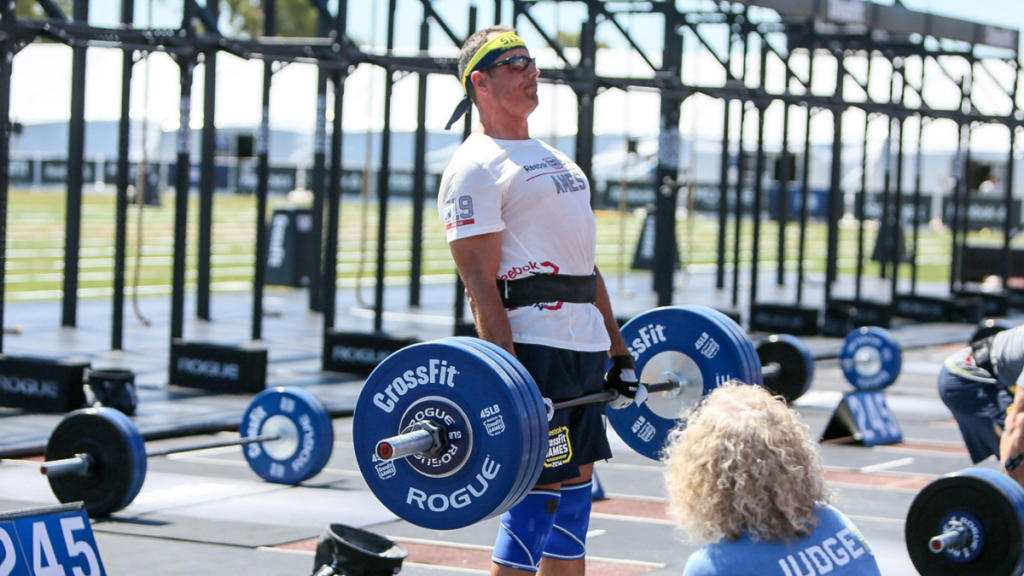
In the fitness realm, lifting weights is a popular path to achieving a strong, sculpted physique.
However, even the most dedicated gym-goers can fall prey to certain lifting mistakes that not only hinder progress but can also lead to injury.


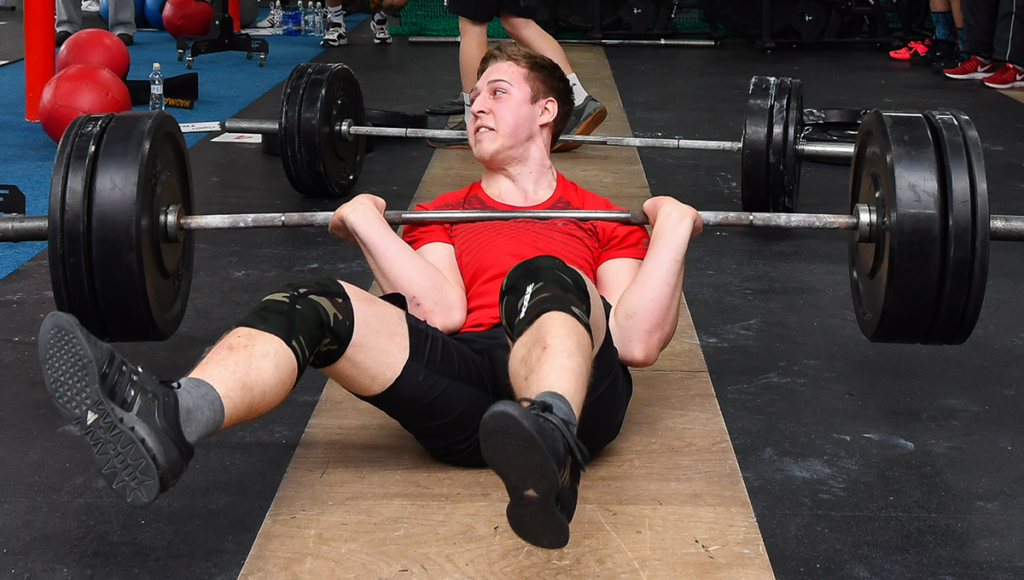
Sean Nalewanyj of Real Science Athletics brings over two decades of gym experience to the forefront, identifying 20 common lifting errors and providing insights into how to avoid them.
This comprehensive guide aims to enhance your workout efficiency and safety, covering a spectrum of mistakes from exercise selection to gym etiquette.
1. Lifting Mistakes: Front Raises Overuse
Front raises are often deemed unnecessary since most lifting routines already incorporate sufficient front deltoid activation through basic chest and shoulder presses.
Focusing excessively on front raises can lead to imbalanced shoulder development, overshadowing the importance of side and rear deltoids for a well-rounded shoulder appearance.
2. Lifting Mistakes: Misusing BOSU Balls
Incorporating BOSU balls for exercises like squats, curls, or presses does not enhance muscle stimulation or exercise functionality. It merely compromises stability and reduces force generation, making it a less effective choice compared to performing exercises on a solid surface.
Read This Too: 15 Foods to Speed Up Muscle Growth
3. Lifting Mistakes: Reverse Grip Triceps Extensions
Using a reverse grip for triceps extensions offers no benefits in muscle activation or exercise effectiveness. It instead makes the exercise awkward and can weaken your grip, suggesting a neutral or pronated grip as better alternatives.
4. Lifting Mistakes: Elbow Flaring in Chest Presses
Flaring elbows out wide during chest pressing movements places undue stress on the shoulder joints. A slight tuck of the elbows, maintaining them at about a 75-degree angle, can prevent potential injuries.
5. Lifting Mistakes: Excessive Spotter Assistance
Relying too much on a spotter, especially from the beginning of a set, indicates the weight is too heavy. Lifting independently ensures proper muscle engagement and allows for accurate tracking of progress through progressive overload.
6. Lifting Mistakes: Cable Squats Misconception
Commonly featured in glute-building tutorials, cable squats do not effectively target the quads or glutes due to the misalignment of resistance direction. Opting for exercises with resistance aligned with the muscle being worked is more beneficial.
7. Lifting Directly in Front of the Dumbbell Rack
This gym etiquette faux pas obstructs access to dumbbells for others. Simply stepping back after selecting your weights can make the gym environment more cooperative and respectful.
Read More: 8 Best Supplements to Build Muscle
8. Ineffective Dumbbell External Rotations
Performing external rotations standing up with dumbbells fails to activate the rotator cuff muscles properly due to the direction of resistance. Using cables, resistance bands, or adjusting your position can rectify this mistake.
9. Behind the Neck Pulldowns
This exercise puts shoulders in a risky, awkward position without offering any benefits over traditional pulldowns to the chest. It’s safer and more effective to stick with conventional pulldowns.
10. Trendy Plate Exercises
Exercises using plates for novelty’s sake, often seen on social media, do not offer any inherent benefits over traditional methods. They can be more awkward to handle and challenging to progress with.
11. Hand-Assisted Leg Presses
Applying pressure with your hands on your knees during leg presses is an indicator of excessive weight or a desire to ease the exercise, both of which diminish its effectiveness. Proper form includes using the handles to ensure lower back support.
12. Combo Exercises for Show
Though they might appear innovative, combining movements like squats with lateral raises or lunges with overhead presses usually results in one of the exercises being undertrained. Focusing on one movement at a time allows for proper intensity and form.
13. Supersetting Across Multiple Machines
Claiming several pieces of equipment for supersets, especially during busy times, can disrupt the flow for other gym-goers. If the gym is quiet and the equipment is seldom used, it may be acceptable, but it’s generally considered poor etiquette.
14. Heavy Lateral Raises
Using excessively heavy weights for lateral raises compromises shoulder health for the sake of ego. Emphasizing form and control with moderate weights is crucial for sustainable shoulder development.
15. Lifting Mistakes: Dumbbell Triceps Kickbacks
Though not entirely ineffective, there are more efficient exercises for targeting the triceps. Cable kickbacks offer a more consistent resistance curve, making them a superior option.
16. Lifting Mistakes: Excessive Range of Motion in Upright Rows
Full-range upright rows can place the shoulders in a potentially harmful position. Limiting the motion to keep elbows in line with the shoulders and opting for moderate weights can reduce injury risk.
17. Lifting Mistakes: Rolling Dumbbell Shrugs
The rolling motion in shrugs does not enhance trap engagement and can be omitted for a straightforward up-and-down movement.
Lifting Mistakes: The Video
Basic Unwritten rules of the Gym
Gyms, with their unique environment and shared resources, operate smoothly when everyone follows both the written and the unwritten rules of etiquette. Here are a few basic unwritten rules of the gym that help maintain a respectful, safe, and efficient space for everyone:
Clean Up After Yourself: Always wipe down equipment after use. No one wants to sit in someone else’s sweat. Use the provided towels or wipes to clean off benches, machines, and equipment.
Re-rack Weights and Equipment: Return weights, dumbbells, barbells, and any other equipment to their designated spots after use. Leaving weights around can be a hazard and inconvenience to others.
Don’t Hog Equipment: Be mindful of how long you’re using a machine or piece of equipment, especially during peak hours. If someone is waiting, offer to share or let them work in between your sets.
Keep a Safe Distance: Give people ample space while they are working out. This is not just courteous but also a safety measure to prevent injuries from accidental interference.
Limit Noise and Distractions: Avoid making unnecessary noise, like dropping weights or talking loudly on the phone. These behaviors can be distracting and disruptive to others’ workouts.
Avoid Unsolicited Advice: Unless someone explicitly asks for your help or advice, it’s best to focus on your workout. People have different goals and preferences, and unsolicited advice can sometimes come off as intrusive or patronizing.
Be Mindful of Mirror Space: Many people use mirrors to monitor their form during exercises. Don’t block someone’s view of the mirror if it’s clear they are using it to check their form.
Limit Equipment Use During Busy Times: During peak hours, try not to occupy multiple pieces of equipment at once for supersets or circuit training. This allows more people access to the gym’s resources.
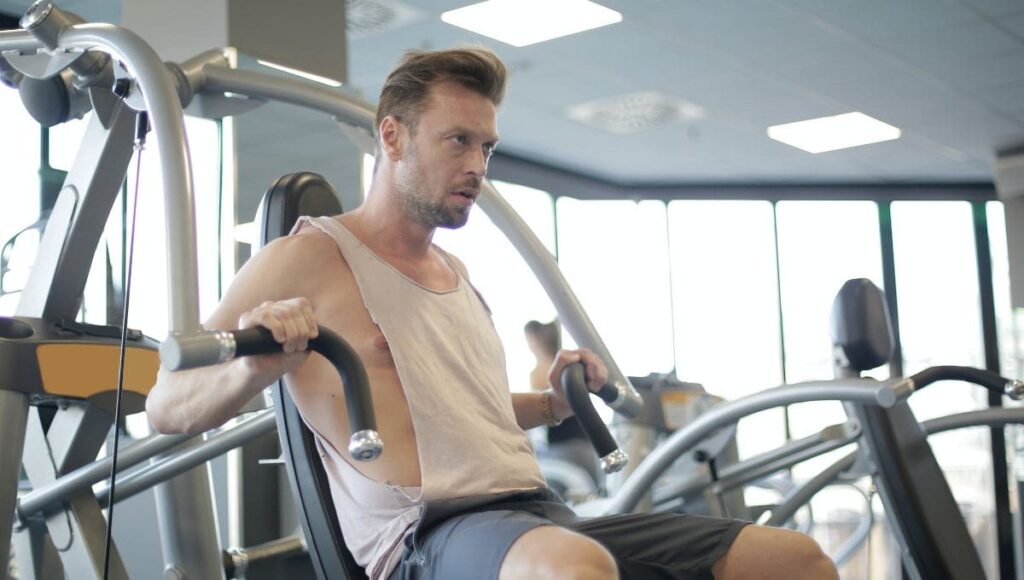
Wear Appropriate Attire: Wear clothing that is suitable for a public gym setting, focusing on comfort, safety, and hygiene. Shoes should be closed-toe to prevent injuries.
Mind Personal Hygiene: Since gyms are shared spaces, it’s important to come in clean and avoid wearing strong perfumes or colognes that could bother others.
Respect Personal Space and Privacy: Keep a respectful distance from others, and avoid staring or commenting on someone’s physique or workout. Everyone is there to focus on their fitness journey.
Following these unwritten gym rules fosters a positive, inclusive, and productive environment for everyone to achieve their fitness goals.