In the quest to discover the ultimate biceps exercise, a common question arises: which is more effective, the incline curl or the preacher curl?
This debate has been ongoing among fitness enthusiasts and professionals alike. However, rather than simply answering this question, it’s more beneficial to delve into the underlying physiology that influences the effectiveness of these exercises.


The primary distinction between the incline and the preacher curl lies in the stretch placed on the muscles during the exercise.
Unlike simple stretching exercises for flexibility, this discussion focuses on the concept of putting the muscle under an acute stretch during the exercise itself. Understanding this concept is crucial for comprehending the mechanics of muscle contraction and how it relates to exercise effectiveness.
Muscles can only shorten to about 50% of their resting length during contraction. This characteristic becomes particularly important when considering muscles that cross multiple joints. For example, the biceps brachii crosses both the shoulder and elbow joints. Therefore, if the muscle is already shortened at one joint, it cannot contract as forcefully over the other joint.
This principle is why knowledge of which muscles cross multiple joints is emphasized in certifications like the NSCA CSCS, highlighting its significance in exercise science.
A practical application of this principle can be seen in calf exercises. The gastrocnemius (gastroc) and soleus muscles both contribute to plantar flexion at the ankle joint, but the gastroc also crosses behind the knee joint.
This anatomy influences how these muscles are engaged during exercises like seated calf raises versus standing calf raises, showcasing the importance of understanding muscle function in exercise selection.
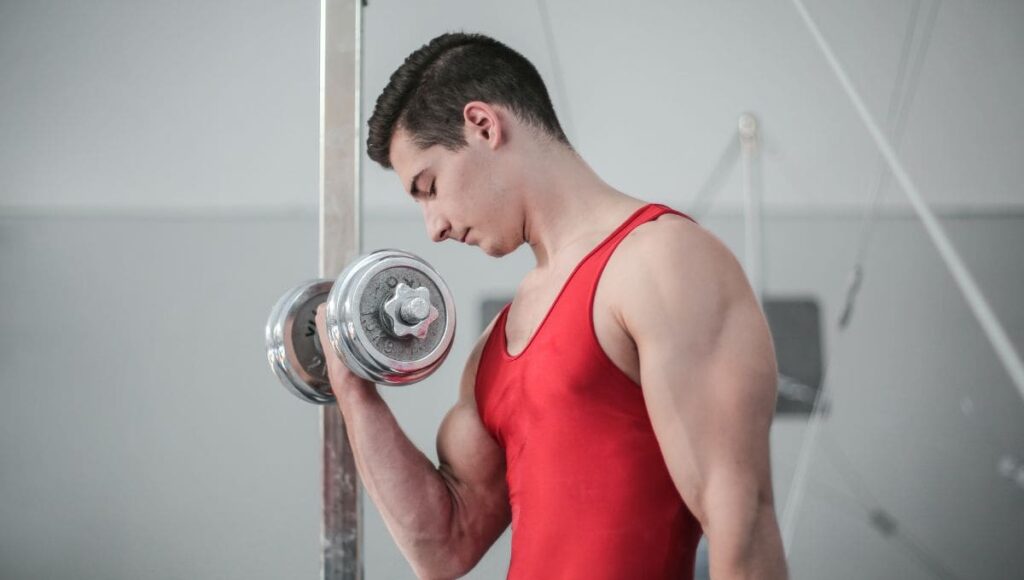
Returning to the question of which biceps exercise is superior, the answer depends on the specific goals and conditions of the individual.
For example, if someone experiences shoulder pain, the choice between incline and preacher curls should consider which exercise minimizes discomfort while effectively targeting the biceps. Similarly, if the goal is overall bicep development within a general physical fitness program, understanding how the muscle stretch in each exercise influences muscle engagement can guide the selection.
Furthermore, for individuals focusing on aesthetic muscle development, such as bodybuilders, knowing how to target specific parts of the bicep can be crucial for balanced and comprehensive muscle growth. This knowledge extends beyond the biceps to other muscle groups, emphasizing the importance of understanding how muscles operate across joints to optimize exercise selection and execution.
In conclusion, while the debate over the best biceps exercise may continue, the key to effective training lies in a deeper understanding of muscle physiology and anatomy. By appreciating how muscles function and how they are affected by different exercises, individuals can make informed decisions about their training, leading to better results and reduced risk of injury.
What are the Benefits of Strong Biceps?
Having strong biceps isn’t just about the aesthetic appeal; it plays a significant role in overall upper body strength, functional movements, and injury prevention. Here are some of the key benefits of having strong biceps:
Read More: 8 Best Supplements to Build Muscle
Improved Performance in Physical Activities: Strong biceps enhance performance in various sports and physical activities. Activities like climbing, rowing, and any sport that involves throwing or lifting benefit greatly from enhanced bicep strength.
Better Assistance in Everyday Tasks: Strong biceps make everyday tasks easier, such as carrying groceries, lifting heavy objects, or moving furniture. These muscles are crucial for any lifting and pulling movements, making these tasks less strenuous on your body.
Enhanced Upper Body Strength: The biceps play a critical role in the overall strength and balance of the upper body. They work in conjunction with the triceps, shoulders, and back muscles to perform complex movements. Strengthening the biceps contributes to a more balanced and powerful upper body.

Injury Prevention: Strong biceps help stabilize the shoulder joint and are crucial in the prevention of shoulder and elbow injuries. By supporting the proper alignment and functioning of these joints during physical activity, strong biceps can reduce the risk of strains, sprains, and other injuries.
Improved Posture: Strong biceps, in conjunction with other upper body muscles, can contribute to better posture. They play a part in maintaining the position of the shoulders and upper torso, which can help prevent the onset of postural issues.
Increased Muscle Endurance: With regular training, not only do the biceps become stronger, but they also develop greater endurance. This improvement means you can perform physical activities for longer periods without fatigue, which is beneficial for both athletic performance and daily life.
Aesthetic Benefits: Beyond the functional benefits, strong biceps are often associated with a fit and toned appearance. For many people, this aesthetic appeal is a significant motivating factor for incorporating bicep exercises into their fitness regimen.
Enhanced Joint Flexibility and Function: Strengthening the biceps can improve the flexibility and range of motion in the elbows and shoulders. Strong muscles support the joints, enabling smoother and more efficient movement patterns.
Read This Too: 15 Foods to Speed Up Muscle Growth
In summary, strong biceps contribute to a wide range of physical benefits, from improving performance in sports and daily tasks to preventing injuries and enhancing the overall appearance of the upper body. Incorporating bicep strengthening exercises into your fitness routine can lead to significant improvements in both your physical capabilities and your quality of life.