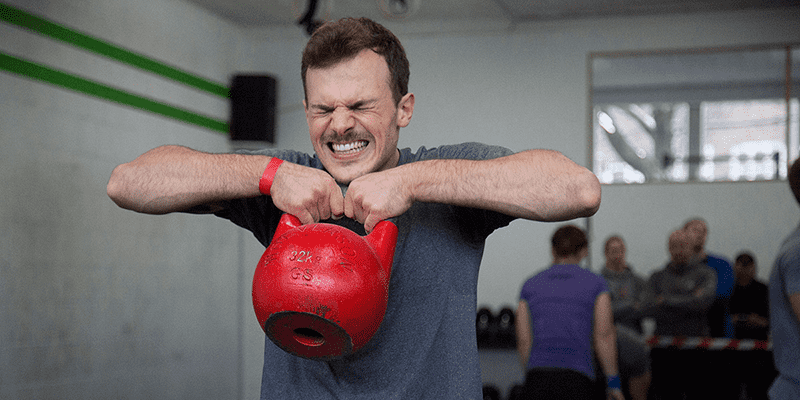
Check out this full routine of a beginner calisthenics workout at home for you to build muscle and improve your physique.
Engrossing yourself into a calisthenics program head-on would be the best adventure ever, filled with splendid possibilities of actually becoming fit by using your body’s weight. This, I hope, is that guiding light, the stepping stone in front of you for becoming the master of calisthenics. Whether you are an experienced practitioner or a complete newcomer, be it in the gym or from another discipline, this guide is tailor-made in order to gain wisdom and practical insight to steer your calisthenics journey with confidence and clear goals.


Calisthenics does not exactly constitute a fixed set of exercises. It is something more: a symphony of movements that includes all the possibilities of your body and develops, in turn, not only strength but also flexibility, endurance, and coordination. Further into the book, you’re going to view a full systematic program outlined for beginners, in that everything from the workout schedule to a description of exercise progressions that are all aimed at building a solid foundation in calisthenics.
The information you will see in this article is largely based on a video shared by Ryan Sadilek.
Ryan Sadilek, known for his YouTube page “Minus the Gym,” is a fitness enthusiast, certified personal trainer and content creator who focuses on sharing fitness tips, routines, and advice, particularly around bodyweight exercises and maintaining a healthy lifestyle without the need for a traditional gym setting. His content often includes tutorials, exercise demonstrations, and routines that viewers can follow to achieve their fitness goals, emphasizing the convenience and effectiveness of working out with minimal or no equipment. He is also an advocate for plant-based nutrition and how people can get fit while choosing to go vegan.
Should You Transition to Calisthenics?

Your Calisthenics Schedule: Crafting the Rhythm of Fitness
Starting your calisthenics journey is a thing of structure, which definitely means having a consistent workout schedule. Resistance training is supposed to be taken three times in a week. Your muscles can recover, and the central nervous system is rejuvenated, which are both essential for overall progression and general well-being.
Imagine a week with these interspersed by your training days, say Monday, Wednesday, and Friday. Such spacing assures you of recovery days that are equally critical, such as workout days. On these days, the intricacy of the body repairs itself and grows stronger, readying you for another bout of physical exertion.
The workout days complete a full-body circuit—a dynamic sequence that hits each of the major muscle groups.
This is a very good program design for beginners, as this approach gives a balance in the workout by giving a focus on fat loss and muscle gain at the same time. Remind yourself how important active rest is on your non-workout days, be it a casual walk or jog, or engaging in some other kind of activity like yoga or mobility exercises. Active rest days most definitely are not days that should be spent lying on your couch. In fact, they should house some form of activity that is equally very supportive of your overall fitness goals.
How To Get Huge Without the Gym
Beginner Calisthenics Workout At Home
In calisthenics, proficiency in four fundamental movements lays the groundwork for a myriad of exercises. These movements are:
- Pull: Engages your back, biceps, and rear deltoids.
- Push: Targets your chest, triceps, and anterior deltoids.
- Squat: Strengthens your thighs, calves, and overall lower body.
- Hinge: Focuses on your core and hip stability.
Your workout circuit will feature an exercise from each of these categories, performed back-to-back, fostering not only strength but also cardiovascular endurance. This structure ensures a holistic workout that touches upon every aspect of physical fitness.
Read This Too: The Most Effective Full Body Workout You Can Do Without A Gym
Warm-Up
Start with a two-minute warm-up to get your heart rate up and your muscles ready for the workout. Simple exercises like jumping jacks or light jogging in place can be effective.
Pull Exercises:
Pull exercises focus on your back, biceps, and rear deltoids. Here’s a progression of exercises as you develop strength:
- Bent Leg Bodyweight Rows: Start with your knees bent to reduce resistance. Aim to build up to 10 reps before progressing.
- Straight Leg Bodyweight Rows: By straightening your legs, you increase resistance. Progress to this after mastering bent leg rows.
- Pull-up Negatives: Jump to the top position of a pull-up and slowly lower yourself down. This builds the strength needed for full pull-ups.
- Assisted Pull-ups: Use a resistance band on your pull-up bar for assistance. Progress to this once you can perform five controlled negatives.
- Pull-ups: The ultimate goal in this progression. Once you can do 10 reps, you’ve moved beyond beginner status.
Squat Exercises:
Squat exercises strengthen your lower body, focusing on thighs, calves, and overall leg strength.
- Basic Half Squats: Lower yourself until your thighs are almost parallel to the ground. Aim for 30 reps before advancing.
- Full Squats: Go below parallel, with your glutes nearing the ground. This enhances strength and flexibility.
- Calf Raise Integration: At the top of your squat, rise onto your toes to engage your calves.
- Hop Squats: Add a plyometric element by incorporating a hop. This increases resistance and builds explosive strength.
- Lunges: Focus on your hamstrings and glutes. Once you can do 20 reps per side, progress to plyometric versions.
- Switching Lunges: A plyometric variant that boosts intensity and cardiovascular benefits.
Push Exercises:
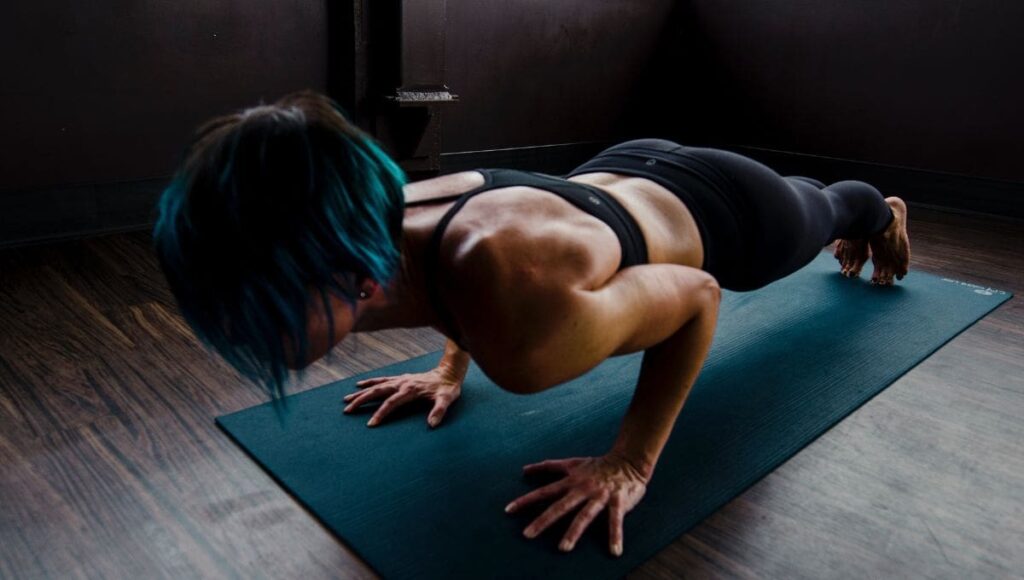
Push exercises target your chest, triceps, and anterior deltoids.
- Wall Push-ups: Ideal for absolute beginners, these help you learn the form with minimal resistance.
- Incline Push-ups: Performed on an elevated surface, these are a step up in difficulty from wall push-ups.
- Standard Push-ups: Once you’re comfortable with incline push-ups, move to the classic push-up on the floor.
- Diamond Push-ups: After mastering standard push-ups, challenge yourself with diamond push-ups for increased intensity.
- Archer Push-ups: An advanced variation that further challenges your muscles and stability.
Hinge/Core Exercises:
These exercises focus on your core, enhancing stability and strength.
- Lying Tucks: With legs extended, tuck your knees towards your chest. Build up to 10 reps before advancing.
- Lying Leg Raises: A step up from tucks, these engage your core and hip flexors more intensively.
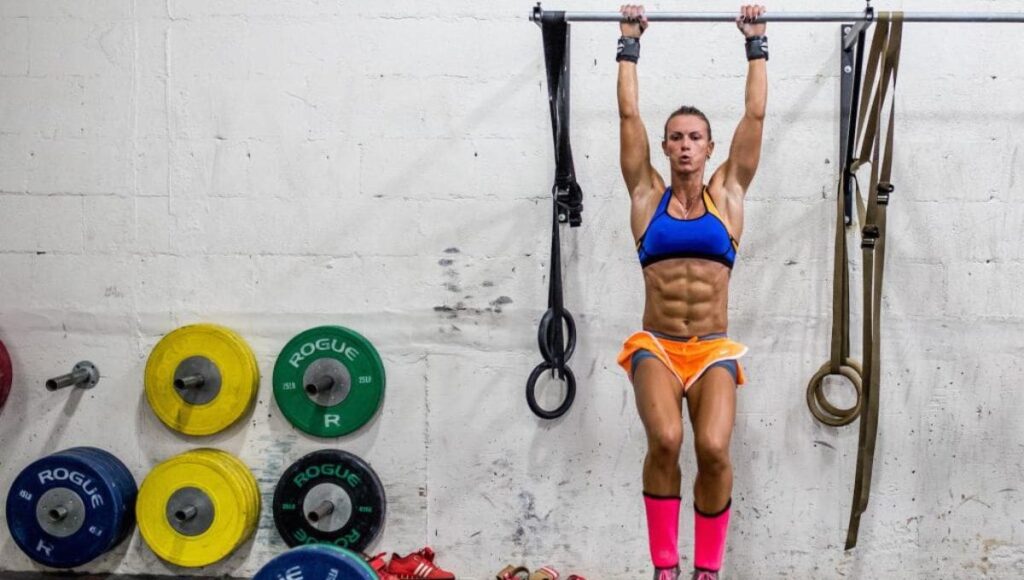
- Hanging Leg Raises: Once you’re adept at lying leg raises, progress to hanging from a bar, which adds a new level of challenge.
After completing one round of these exercises, rest for a minute or two before diving into the next circuit. Aim for three to four circuits per session, adjusting the number as you progress in your fitness journey.
Cool Down
End your workout with a gentle cool down. A few minutes of light walking or stretching can help your body transition out of the intense workout phase, aiding recovery and flexibility.
15 Exercises Better Than Burpees For Fat Loss
As you venture into calisthenics, remember that progress is a personal journey. Celebrate each small victory, be patient with your body, and consistently challenge yourself within your limits. Calisthenics isn’t just about building muscle or enhancing endurance; it’s about cultivating a harmonious relationship with your body, fostering resilience, and unlocking a new realm of physical possibilities. Embrace this journey with enthusiasm, and let calisthenics be a pathway to a stronger, more vibrant you.
For visual cues on each of the exercises mentioned above, and to get a better explanation of this beginner calisthenics workout at home from Ryan Sadilek, watch the video below.
Read More: The Only 8 Bodyweight Exercises You Need to Build Muscle Fast