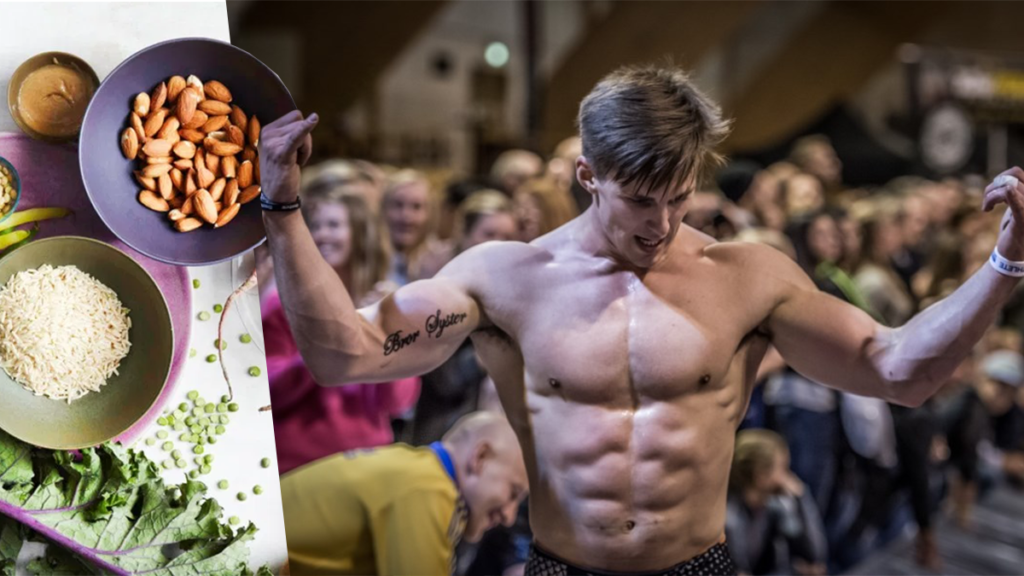
Beginning a plant-based journey introduces a myriad of protein sources that are not only beneficial for our health but also kind to the planet. This exploration is not just about identifying high-protein foods but also understanding their nutritional profiles, how they fit into a balanced diet, and their environmental impacts.
As we delve into the diverse world of plant-based proteins, we find many, MANY options, from legumes like beans and lentils to innovative products like fava bean tofu and plant-based protein powders. This guide aims to shed light on the varying protein content of these foods, offering insights into their amino acid profiles, ease of incorporation into daily meals, and their overall nutritional value.


But it wasn’t us at BOXROX who came up with this list of high protein vegan foods ranked from best to worst. No, we do not believe to have such a high authority on the subject. But Derek Simnett knows all about it and the information below is based on a video he shared recently on the subject.
Derek Simnett is a certified nutritional practitioner (CNP) focused on vegan nutrition and a wellness educator. He is a Canadian YouTuber, nutritionist, and fitness enthusiast, well-known for his channel ‘Simnett Nutrition‘, where he promotes a plant-based lifestyle. Through his engaging videos, Derek offers insights into vegan nutrition, shares wholesome recipes, and provides fitness and lifestyle advice, aiming to inspire and educate his audience on the benefits of a vegan diet for health, performance, and environmental sustainability. His approachable and informative content has garnered a substantial following, making him a prominent figure in the online vegan community.
Whether you’re a fitness enthusiast looking to build muscle or someone curious about plant-based eating, understanding this tier list of plant-based proteins will empower you to make informed dietary choices that align with your health goals and ethical values. As we navigate through this tier list, we’ll uncover the champions of plant-based protein, demystify common misconceptions, and highlight how these foods contribute to a nourishing and sustainable lifestyle.
Related: From the Sea to the Plate – Unveiling the Protein Secrets of Algae
High Protein Vegan Foods Ranked from Best to Worst
This tier list reflects a balanced view, considering not just the protein content but also the food’s nutritional value, processing level, and role in a diverse plant-based diet.
S-Tier: The Protein Elites
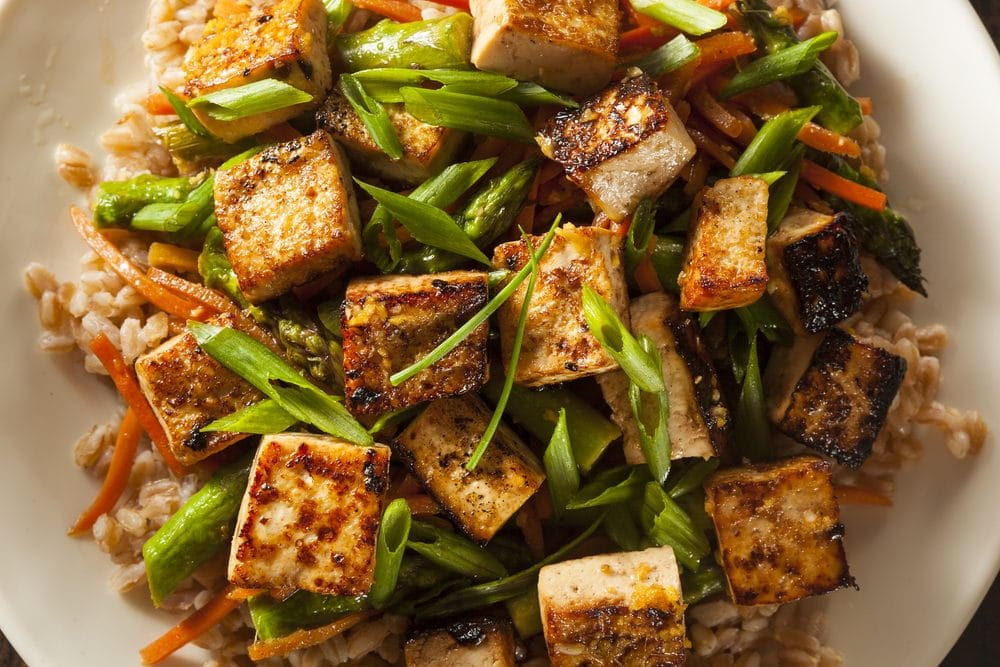
- Tofu: A staple in plant-based diets, known for its high protein content and versatility.
- Fava Bean Tofu: Exceptionally high in protein, offering a robust alternative to traditional tofu.
- Seitan: Made from vital wheat gluten, it’s a protein powerhouse, especially popular in vegan and vegetarian cuisine.
- Veg Protein Powder: Concentrated protein, convenient and with a strong amino acid profile.
Read Also: 3 Protein Powder Scams to Avoid
A-Tier: Solid Protein Choices
- Lentils: Not only protein-rich but also packed with fibre, minerals, and vitamins.
- Legume Pasta: Offers a significant protein boost compared to regular pasta, integrating the nutritional benefits of legumes.
- Tempeh: Fermented, making it a nutritious and protein-dense option.
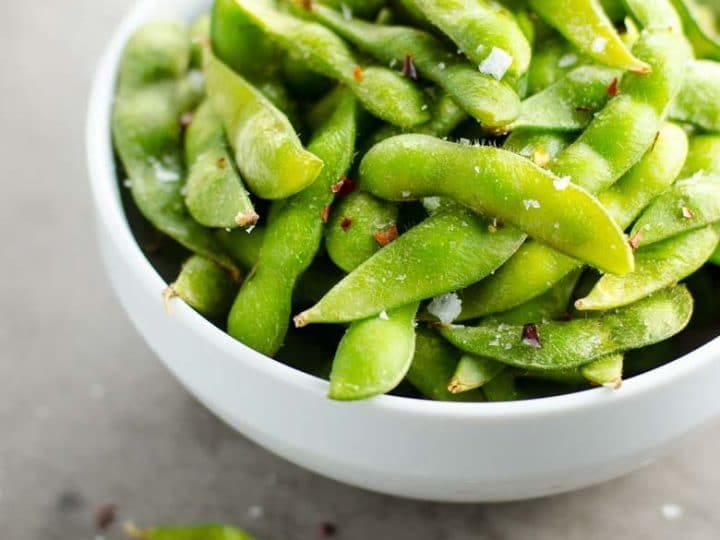
- Edamame: Young soybeans, offering a good protein punch with additional health benefits.
- TVP (Textured Vegetable Protein): High in protein, although somewhat processed.
- Soy Curls: Similar in protein content to edamame, less processed than TVP, and versatile in recipes.
B-Tier: Good Protein Sources with Benefits
- Beans: A variety of beans provide good protein content along with fiber and minerals.
- Chickpeas: Slightly less protein than beans but highly versatile and nutritious.
Check This Out: 7 Desserts that Can Be Turned into Protein Treats
C tier: Moderate Protein Sources
- Hemp Seeds: Offer a decent amount of protein and are rich in Omega-3 fatty acids, though not as protein-dense as other sources.
- Nooch (Nutritional Yeast): While it offers protein and is rich in B vitamins, its typical serving size provides minimal protein contribution to the diet.
- Beyond Meat Burger: Provides protein but is considered processed, best enjoyed in moderation.
- Mock Meat (Fake Meat): Highly processed, but relatively moderate in protein, so take it with moderation like Beyond Meat Burger.
D-Tier: Lower Protein Options
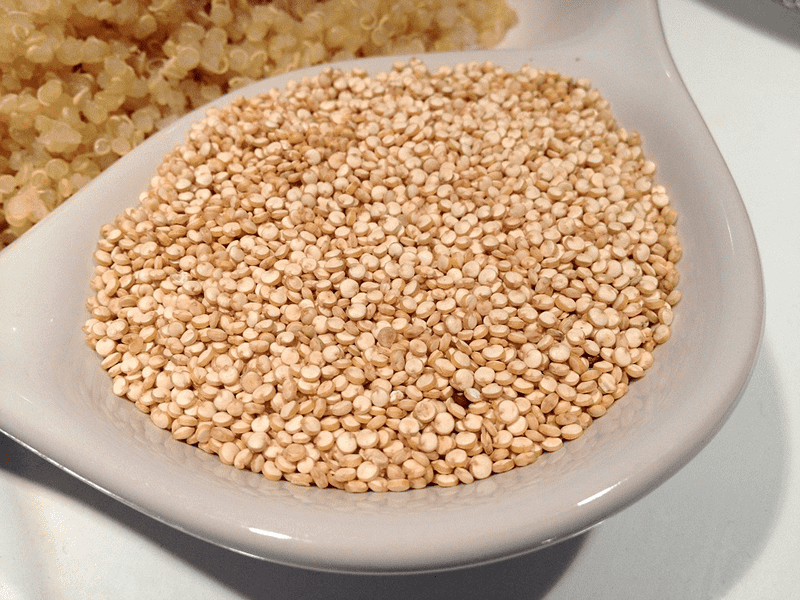
- Quinoa: While a complete protein, it has a lower protein-to-calorie ratio compared to other plant-based sources.
Increase Your Knowledge: How Much Protein is Too Much Protein?
E-Tier: Minimal Protein Contributions
- Peanut Butter: More calorie-dense from fats than a good protein source.
- Spirulina: Although protein-dense, the small serving size limits its overall protein contribution.
You can watch the entire discussion about high protein vegan foods ranked by Derek Simnett in the video below.
Navigating the vast landscape of plant-based protein sources reveals a spectrum where some foods excel in protein content while others offer a balance of nutrients. This tier list not only guides those on a plant-based journey towards optimal protein sources but also highlights the diversity and richness of plant-based nutrition. Whether aiming for muscle building or general health, integrating a variety of these foods can ensure a balanced and nutritious diet, echoing the ethos of plant-based eating: diversity, sustainability, and health.
Read More: 10 Protein Packed Foods You Had No Idea About
Why Protein is Important for Health and Fitness
Protein is a crucial macronutrient in nutrition, playing a vital role in various bodily functions. It’s made up of amino acids, which are often referred to as the building blocks of the body. Proteins are essential for the repair, maintenance, and growth of all body tissues, including muscles, organs, and the immune system. They are involved in almost every process within the body, from the formation of enzymes and hormones to the repair of cells and production of new ones.
When it comes to muscle building, protein is indispensable. During exercise, especially strength training, muscle fibers undergo stress, leading to small tears. Protein is critical for the repair and rebuilding of these fibers, a process that ultimately leads to muscle growth. This process, known as muscle protein synthesis, requires an adequate supply of protein to be effective. Without sufficient protein, the body cannot repair the damaged muscle fibers effectively, which can hinder muscle growth.

Moreover, protein plays a key role in preventing muscle loss, particularly during weight loss or as one ages. When the body is in a calorie deficit or under stress, it may turn to muscle as an energy source if dietary protein is inadequate. By consuming adequate protein, you provide your body with the necessary amino acids to maintain muscle mass, even in challenging conditions that might otherwise lead to muscle degradation.
Protein also contributes to satiety, the feeling of being full after eating, which is beneficial for weight management. High-protein foods require more energy to digest, metabolize, and use, which means you burn more calories processing them. Additionally, by helping to maintain muscle mass, protein ensures that the body’s metabolic rate remains higher, as muscle tissue burns more calories than fat tissue, even at rest.
Finally, it’s important to distribute protein intake evenly throughout the day to maximize muscle protein synthesis. Consuming protein in all meals and snacks can ensure a constant supply of amino acids to the muscles, supporting continuous repair and growth. This balanced approach can optimize muscle gain and maintenance, demonstrating why protein is not only vital for those looking to build muscle but also for anyone aiming to maintain a healthy and well-functioning body.
Read More: Most Important Factors to Build Muscle Beyond Protein Consumption