Have you ever wondered how do prisoners get so big and muscular? Perhaps there is a thing or two you didn’t know about fitness that you can learn from their experience.
In the realm of fitness, a topic that consistently arouses curiosity is the seemingly paradoxical phenomenon of prisoners achieving remarkable muscular growth despite their constrained living conditions.


The information you will see in this article is largely based on a video shared by Ryan Sadilek. Ryan Sadilek, known for his YouTube page “Minus the Gym,” is a fitness enthusiast, certified personal trainer and content creator who focuses on sharing fitness tips, routines, and advice, particularly around bodyweight exercises and maintaining a healthy lifestyle without the need for a traditional gym setting. His content often includes tutorials, exercise demonstrations, and routines that viewers can follow to achieve their fitness goals, emphasizing the convenience and effectiveness of working out with minimal or no equipment. He is also an advocate for plant-based nutrition and how people can get fit while choosing to go vegan.
The conventional wisdom around hypertrophy (muscle growth) and rep ranges might not hold all the answers if we look at how prisoners get stronger despite the circumstances. Let’s delve into this intriguing subject and shed light on the real factors driving the impressive physiques seen behind bars.

Related: More Reps or Heavier Load: Which is Better for Muscle Growth?
How Do Prisoners Get So Big and Muscular?
The concept of prisoners maintaining or even enhancing their physical condition isn’t new. Many might recall scenes from movies like “Con Air” (1997), where Nicolas Cage’s character utilises calisthenics in his cell. This portrayal isn’t far from reality, especially considering that in the late ’90s, California removed gym equipment from its penitentiaries, leaving inmates with bodyweight exercises as their primary fitness modality.
Further popularising this concept was the book “Convict Conditioning,” which champions calisthenics as a comprehensive fitness approach. But does high-repetition calisthenics truly account for the muscle mass inmates build? Common fitness lore suggests distinct rep ranges for different goals: strength (five reps or fewer), hypertrophy (six to fifteen reps), and endurance (over fifteen reps). However, his personal journey and subsequent research have led Sadilek to question and re-evaluate these categorisations.
Debunking Rep Range Myths
Reflecting on his peak fitness period, achieved through high-volume, basic calisthenics, Sadilek began exploring scientific literature to understand the relationship between rep ranges and muscle growth. Surprisingly, numerous studies suggest that the specific number of reps per set is less critical for hypertrophy than previously believed. A pivotal meta-analysis examining 21 studies found that while lower reps might be optimal for strength, hypertrophy can be triggered across a broad spectrum of rep ranges, provided the exercise is performed to or near failure.
From Training to Failure to Eating Clean: Explaining Controversial Fitness Topics
Prisoners’ Workout Regimen: A Closer Look
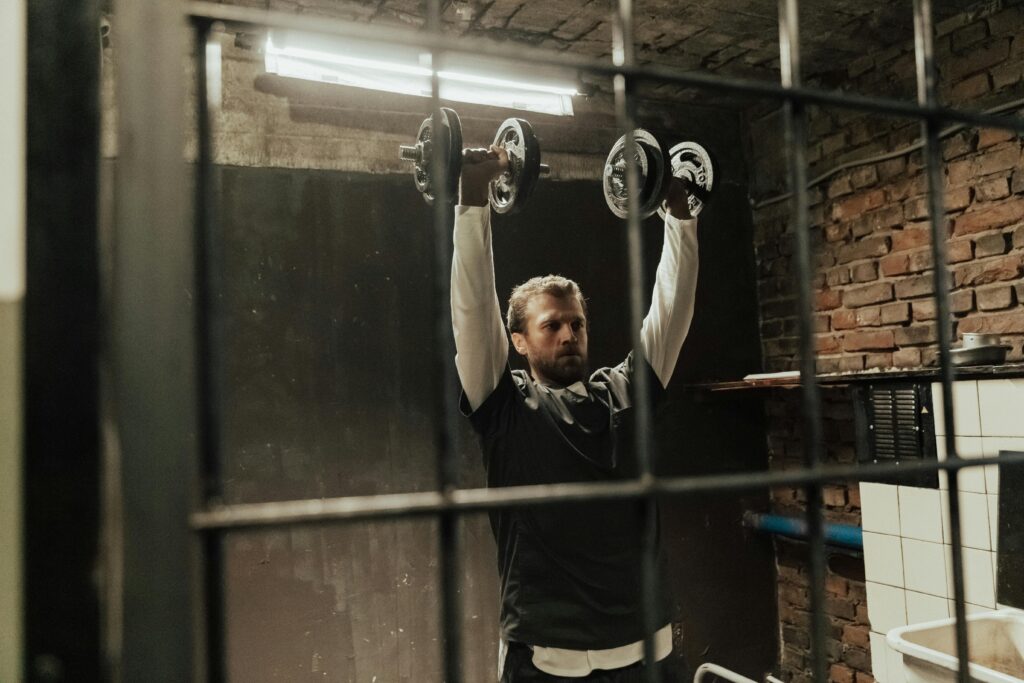
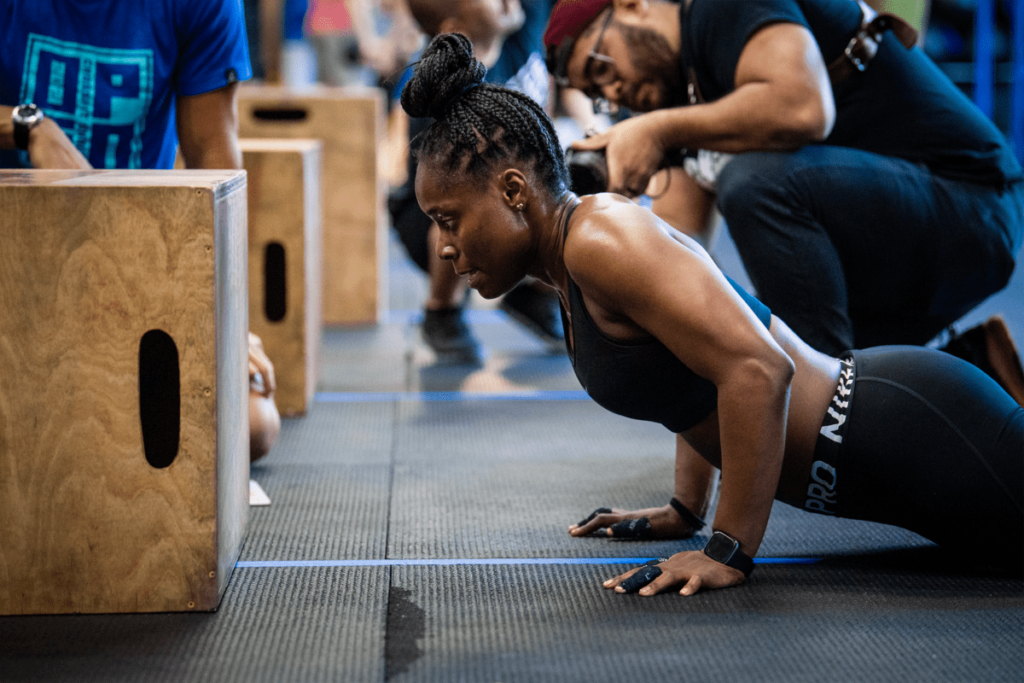
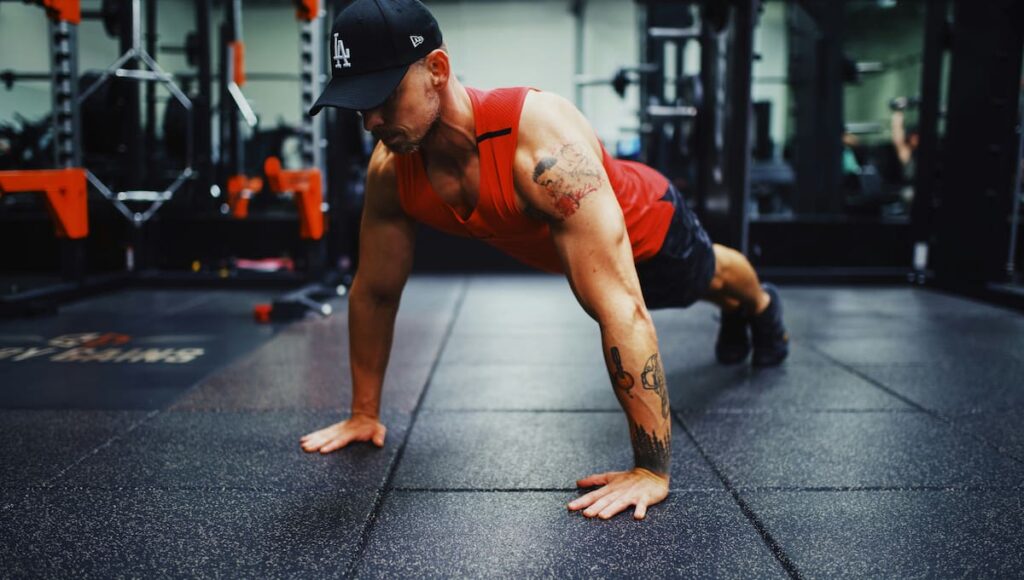
Prisoners, with time in abundance, often resort to basic yet high-volume calisthenics routines, encompassing exercises like push-ups, pull-ups, dips, squats, and lunges. The sheer volume, combined with the intensity of working towards failure, stimulates significant muscle growth. This principle isn’t confined to prison walls; it’s evident in street workout cultures globally, from New York’s calisthenics scene to Europe’s fitness parks.
Nutritional Considerations
While exercise methodology is crucial, diet plays an indispensable role in muscle development. The dietary environment in prison is far from ideal, often high in carbohydrates and limited in protein variety. Yet, many inmates still manage to build and maintain muscle. This raises questions about the exact nutritional requirements for hypertrophy, especially in the context of suboptimal dietary conditions.
9 Habits Killing Your Testosterone Levels
Rethinking Fitness Paradigms
The phenomenon of prisoners achieving substantial muscle growth with basic exercises challenges entrenched fitness beliefs. It underscores the versatility and effectiveness of calisthenics and suggests a more nuanced understanding of the interplay between exercise, nutrition, and muscle development. Whether you’re confined to a small space or have access to a fully-equipped gym, the principles gleaned from prison workouts can inform and enrich your fitness journey.
In summarising, the muscular physiques developed by prisoners highlight a fundamental truth in fitness: with commitment, consistency, and a focus on pushing to one’s limits, significant physical transformation is possible, even in the most constrained circumstances. This insight serves as a powerful testament to the human body’s adaptability and the broader applicability of these principles, offering valuable lessons for anyone seeking to optimise their fitness regimen, regardless of their environment.
Watch the video below for a detailed and deeper explanation on how prisoners get so big and muscular, according to Vadilek.
Read More: