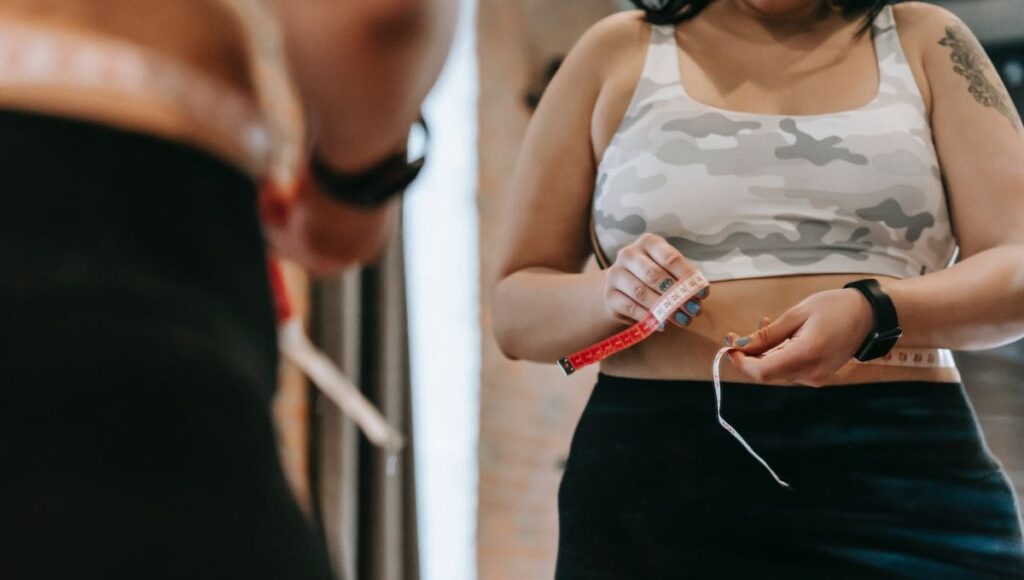
Deciding to begin a journey of weight loss can often seem like navigating through a labyrinth of conflicting advice and trends. Luckily, we got Dan Witmer, one-half of the dynamic fitness duo known as the Jump Rope Dudes, who aims to simplify the process. With a mantra that champions the essentials over the superfluous, Witmer distils weight loss down to 10 pivotal elements.
Brandon Epstein and Dan Witmer, collectively known as the Jump Rope Dudes, have carved a unique niche in the fitness world. Their energetic and engaging content on YouTube and various social media platforms transcends the realm of jump rope, offering a refreshing perspective on overall fitness and well-being. Their ethos is not just about jump rope; it’s about infusing fun and dynamism into fitness routines.


The ONLY 10 Things That Matter for Fat Loss
Witmer’s philosophy on weight loss is structured around three core pillars: Move, Eat, and Live. Each pillar encapsulates fundamental aspects that, according to him, are the bedrock of effective weight loss.
- Move: At the heart of the ‘Move’ category is a commitment to high-intensity jump rope workouts. Witmer advocates for 30 minutes of this vigorous activity five to six times a week, not merely as a calorie burner but as a metabolism booster. Complementing this are bodyweight and resistance exercises to build muscle and enhance metabolic rate. Additionally, incorporating enjoyable steady-state cardio can augment one’s fitness regime without being the focal point.
- Eat: This pillar shuns restrictive diets, advocating instead for a balanced intake of carbs, fats, and proteins. Witmer stresses the importance of whole foods over processed options and introduces the concept of intermittent fasting, not as a universal solution but as a potentially beneficial tool. He also underscores the significance of calorie awareness and the value of home-cooked meals in managing nutritional intake.
- Live: Quality sleep and adequate hydration are non-negotiable components of the ‘Live’ pillar. Witmer highlights the foundational role of sleep in health and the imperative of consuming 90 to 120 ounces of water daily. Moreover, he addresses alcohol consumption, acknowledging its enjoyment but cautioning against its impacts on fat loss and muscle development.
Related: 5 Surprising Fat Loss Mistakes You Might be Making
A Path to Sustainable Health
Witmer’s message is clear: weight loss doesn’t necessitate expensive equipment or trendy supplements. Instead, it calls for a steadfast focus on fundamental, attainable practices that foster long-term health and well-being. He encourages individuals to integrate these elements gradually, building sustainable habits rather than seeking instantaneous transformation.

Here are the key elements of weight loss according to Dan Witmer, categorised into three distinct tables under the headings “Move”, “Eat”, and “Live”:
Move
| Activity | Description |
|---|---|
| Jump Rope Workouts | Commit to 30 minutes of intense jump rope workouts 5-6 times a week. |
| Bodyweight Exercises | Add bodyweight exercises like push-ups, pull-ups, squats, and lunges. |
| Steady-State Cardio | Mix in steady-state cardio or engage in fun activities that burn calories. |
Eat
| Guideline | Description |
|---|---|
| Balanced Diet | Embrace a balanced diet—no extreme restrictions. Include carbs, fats, and proteins. |
| Intermittent Fasting | Consider intermittent fasting—it’s not essential, but it might help some individuals. |
| Calorie Tracking | Initially track your calories to gain an understanding of your food intake. |
Live
| Habit | Description |
|---|---|
| Cooking | Learning to cook can significantly influence control over what you eat. |
| Sleep | Ensure you get 7-8 hours of sleep every night. It’s crucial. |
| Hydration | Drink 90-120 ounces of water per day to support bodily functions. |
| Alcohol Consumption | Limit alcohol as it can impede fat loss and muscle development. |
These tables encapsulate Witmer’s holistic approach to weight loss, emphasising a balance of physical activity, nutritional awareness, and lifestyle adjustments.
How to Use Walking to Get Down to 12% Body Fat
In essence, Witmer’s approach is a clarion call to strip away the noise and focus on what genuinely matters in the quest for weight loss and, by extension, a healthier lifestyle. Whether you’re a novice or someone well-versed in fitness, these tenets offer a grounded pathway to achieving your goals, underscored by the Jump Rope Dudes’ hallmark blend of practicality and inspiration.
For all the information in video format, click below.
5 Best Tips for Losing Belly Fat
The journey to weight loss is a multifaceted challenge influenced by a myriad of factors, both physiological and psychological, each playing a significant role in the overall process.
Physiological Aspects:
- Metabolic Adaptations: The human body is adept at adapting to changes in caloric intake and energy expenditure. When calorie consumption is reduced, the body’s metabolic rate can slow down as a survival mechanism, which in turn can impede the creation of a calorie deficit essential for weight loss. This adaptation, while evolutionary beneficial, often poses a hurdle in the weight loss journey.
- Hormonal Regulation: Hormones are pivotal in managing hunger, metabolism, and fat distribution. External factors like stress, inadequate sleep, and suboptimal dietary choices can lead to hormonal imbalances, affecting appetite and fat storage. Key hormones such as insulin, cortisol, and ghrelin have significant impacts on body weight, and their imbalance can complicate the weight loss process.

Psychological and Behavioural Aspects:
- Emotional and Behavioural Factors: Psychological elements like emotional eating and food cravings stem from deeper emotional states. Stress, anxiety, or depression can trigger eating patterns that comfort yet counteract weight loss efforts. Moreover, the establishment and adherence to new routines, including regular physical activity and nutritious eating, demand a high level of motivation and self-discipline, which can be daunting for many.
- Lifestyle and Environmental Factors: The contemporary lifestyle, often sedentary and replete with processed food and calorie-dense convenience options, is a significant contributor to weight gain. Environmental influences, such as the prevalence of unhealthy food options and limited access to safe, conducive exercise environments, further complicate the ability to lose weight.
Genetic Factors:
- Genetic Predisposition: Genetics can influence metabolic rates, body composition, and the response to dietary and exercise changes. Some individuals may face a greater challenge in losing weight due to genetic factors, necessitating a more customised and dedicated approach to effective weight management.
In summary, weight loss is a complex endeavour that requires an integrative approach, acknowledging the intricate interplay between physiological, hormonal, psychological, and environmental factors. Adopting a comprehensive strategy that addresses both the physical and emotional facets of weight management is crucial for long-term success and sustainable health outcomes.