Strong glutes are more than just a symbol of physical fitness; they play a pivotal role in our overall health, well-being, and performance.
These muscles, comprising the gluteus maximus, medius, and minimus, are fundamental to a variety of movements, from walking and standing to climbing and jumping. They help maintain proper posture, align the pelvis, reduce stress on the lower back, and minimize the risk of injuries throughout the body.


Moreover, well-developed glutes can enhance athletic performance by increasing power and efficiency in every step. Whether you’re a runner looking to improve your speed and endurance, or a weightlifter aiming to boost your lifting capacity, strengthening your glutes is a crucial component of your training regimen.
In this article, we’ll explore three expert-recommended strategies that have proven effective in building stronger and more resilient glutes.
By incorporating these strategies into your fitness routine, you can maximize your glute development and ensure that you are building a strong foundation for both daily activities and athletic performance. Let’s dive deeper into each of these strategies and discover how to apply them effectively.
Strategy 1: Progressive Overload
Progressive overload is a fundamental principle in strength training and physical conditioning.
It involves gradually increasing the demands on the musculoskeletal system, thereby forcing the muscles to adapt by becoming stronger and more durable. This principle is based on the concept that to continue improving your muscle strength and size, you need to continually increase the amount of stress you place on them during exercise.
How to Apply Progressive Overload to Glute Exercises
Applying progressive overload to your glute training can be achieved in several ways:
Increasing Weights: The most straightforward method to apply progressive overload is by increasing the weight you lift. As your strength improves, add more weight to your exercises to keep challenging your muscles.
Increasing Volume: You can also increase the volume of your workouts by doing more repetitions or sets with the same weight. This increase in volume forces your glutes to endure longer periods of stress, encouraging growth and endurance.
Increasing Intensity: Another method is to increase the intensity of your workouts. This can be done by reducing the rest time between sets, incorporating more compound movements that target multiple muscle groups, or using advanced techniques like supersets or drop sets.
Examples of Exercises Suitable for Progressive Overload
To effectively build stronger glutes, certain exercises are particularly beneficial when incorporating progressive overload. Here are a few key examples:
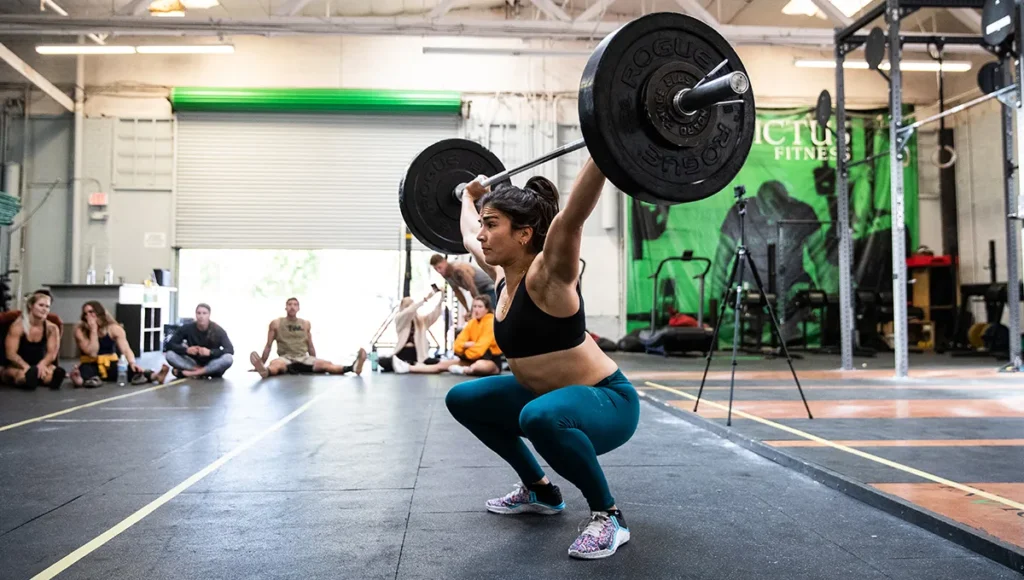
Squats: A staple in any strength training program, squats primarily target the quadriceps, hamstrings, and glutes. Start with bodyweight squats to perfect your form, then gradually add weight using a barbell or dumbbells.
Hip Thrusts: Exceptionally effective for isolating the glutes, hip thrusts can be performed with a barbell, dumbbells, or resistance bands. Begin with manageable weights to ensure proper form and gradually increase the resistance as you become more comfortable with the movement.
Deadlifts: This powerful exercise engages the lower back, hamstrings, and glutes. Deadlifts are versatile, allowing you to adjust the weight and form (traditional, sumo, or Romanian) to better target specific muscle groups, including the glutes.
By integrating these exercises into your workout routine and applying the principle of progressive overload, you can stimulate continuous growth and strengthening of the glutes. This strategic approach not only enhances muscle hypertrophy but also significantly improves your overall performance in a variety of physical activities.
Strategy 2: Mind-Muscle Connection
The mind-muscle connection refers to the conscious, deliberate focus on contracting a muscle during exercise.
This technique is not just about moving weights from point A to B; it’s about actively thinking about the muscle you’re targeting, which can lead to more significant muscle activation and, consequently, better growth and strength gains.
For glute training, enhancing your mind-muscle connection can ensure that your glutes, rather than other supporting muscle groups, are doing the bulk of the work, leading to more efficient workouts and better results.
Techniques to Enhance Mind-Muscle Connection During Workouts
Focusing on Contraction: During each rep, concentrate on the feeling of your glutes contracting and relaxing. This focus can help you ensure that your glutes are engaged and working hard throughout the exercise.
Reducing Momentum: Use a slower, more controlled tempo to minimize the involvement of momentum in lifting the weights. This control helps isolate the muscle group being targeted, increasing the effectiveness of the exercise.
Pausing at Peak Contraction: Include a pause when your muscles are fully contracted (e.g., at the top of a glute bridge). This pause can further enhance muscle activation and make each rep more effective.
Visualizing the Muscle Working: Visualization is a powerful tool in which you imagine the muscle growing as you exercise. This mental image can help enhance the actual workout by increasing your focus and engagement.
Specific Exercises That Help Improve the Mind-Muscle Connection in Glutes
Several exercises are particularly effective at enhancing the mind-muscle connection in your glutes:
Glute Bridges: Lie on your back with your feet planted on the ground and your knees bent. Lift your hips towards the ceiling, focusing intensely on squeezing your glutes at the top of the movement. The simplicity of this movement makes it excellent for practicing the mind-muscle connection.
Single-Leg Split Squats: Stand in a staggered stance with one foot in front of the other, rear foot elevated on a bench or step. As you lower into a squat, focus on using your front leg’s glute to power the movement. This exercise not only forces you to balance but also to engage the glutes intensely to stabilize and lift your body.
Cable Kickbacks: Using a low cable pulley and an ankle strap, kick one leg back while focusing on squeezing your glute. The resistance from the cable provides constant tension, making it easier to maintain focus on the glute muscles throughout the movement.
By implementing these techniques and exercises into your routine, you can significantly enhance your mind-muscle connection, leading to more effective workouts and quicker improvements in glute strength and size.
Strategy 3: Nutrition and Recovery
Muscle growth requires more than just consistent training; nutrition plays a crucial role in how effectively your body can repair and build muscle tissue. Two key nutritional factors are particularly important:
Protein Intake: Protein is the building block of muscle, so adequate intake is essential for muscle repair and growth. For those looking to increase muscle mass, it’s recommended to consume approximately 1.6 to 2.2 grams of protein per kilogram of body weight per day. Sources like chicken, fish, dairy, legumes, and protein supplements can help meet these needs.

Caloric Surplus: In addition to protein, overall calorie intake is crucial. To build muscle, your body needs to be in a caloric surplus, meaning you consume more calories than you burn. This surplus provides the energy necessary for muscle synthesis. However, the size of the surplus should be moderate to ensure that the weight gained is primarily muscle rather than fat.
Importance of Rest and Recovery for Muscle Growth and Strength
Rest and recovery are as vital as the workout itself when it comes to muscle development. During recovery, the body repairs the micro-tears in muscle fibers caused by weight training. This process is crucial for muscle growth and increasing strength. Insufficient rest can lead to overtraining, which can stall progress and increase the risk of injuries.
4 Worthless Supplements You Should STOP Taking
Tips on Optimizing Recovery
Optimizing your recovery can significantly enhance your muscle growth and overall fitness. Here are some effective strategies:
Adequate Sleep: Aim for 7-9 hours of quality sleep per night. Sleep is critical for muscle recovery, as it’s the prime time for the body to conduct muscle repair and growth hormone release.
Hydration: Staying hydrated is essential for overall health and helps ensure that the body functions optimally. Water is crucial for transporting nutrients to the muscles and removing waste products, which can help in the repair and growth process.
Post-Workout Nutrition: Consuming a mix of carbohydrates and protein soon after your workout can help speed up recovery. The carbohydrates replenish the muscle glycogen that was depleted during exercise, while the protein provides the amino acids necessary for muscle repair.
Related: 5 Worst Supplements Everyone Takes For Muscle Growth
Active Recovery: Light exercise on rest days, such as walking, yoga, or light cycling, can help maintain blood flow to the muscles, promoting nutrient delivery and waste removal without overly stressing the muscles.
By focusing on both nutrition and recovery, you can create an environment that supports muscle growth, strength gains, and overall fitness improvement. This holistic approach ensures that your efforts in the gym are maximized and that your body is getting everything it needs to grow stronger and perform better.
Incorporating the Strategies into a Routine
Integrating the strategies of progressive overload, mind-muscle connection, and nutrition and recovery into a well-rounded fitness routine is essential for optimizing glute development. Here’s how you can combine these approaches to enhance effectiveness and maximize results.
Combining the Strategies into an Effective Workout Routine
Progressive Overload: Plan to gradually increase the intensity of your workouts by adding weights, increasing the number of repetitions, or reducing rest periods between sets. Keep a workout log to track your progress and make adjustments as needed.
What is RPE in Weight Training and How Will it Help You Build Incredible Strength and Muscle?
Mind-Muscle Connection: During each exercise, focus on engaging your glutes. Start your workout with a few light sets to activate the glutes and establish this connection, which will enhance the effectiveness of your entire session.
Nutrition and Recovery: Ensure your diet supports your workout goals with adequate protein and a suitable caloric intake. Incorporate recovery days into your routine to allow for muscle repair and growth, and prioritize sleep and hydration.
Sample Weekly Glute Workout Plan
This sample plan incorporates all three strategies, designed to maximize glute growth and strength over time.
Monday: Heavy Lifting + Progressive Overload
- Barbell Squats: 4 sets of 6-8 reps
- Deadlifts: 3 sets of 6-8 reps
- Weighted Hip Thrusts: 3 sets of 8-10 reps
Tuesday: Recovery
- Active recovery: Light stretching or yoga
- Focus on hydration and nutrient-dense meals
Wednesday: Moderate Intensity + Mind-Muscle Connection
- Single-Leg Cable Kickbacks: 4 sets of 12 reps per leg
- Glute Bridge (with pause at top): 4 sets of 15 reps
- Bulgarian Split Squats: 3 sets of 10 reps per leg
Thursday: Recovery
- Active recovery: Light cardiovascular exercise like walking or cycling
- Continue focusing on nutrition and hydration
Friday: Volume Training + Progressive Overload
- Step-Ups: 4 sets of 12 reps per leg
- Goblet Squats: 4 sets of 15 reps
- Back Extensions (focusing on glutes): 4 sets of 15 reps
Saturday: Mind-Muscle Connection
- Resistance Band Lateral Walks: 4 sets of 20 steps each direction
- Resistance Band Glute Bridge: 4 sets of 20 reps
- Pilates or similar low-impact class focusing on core and glutes
Sunday: Complete Rest
Focus on full recovery with no physical activity
Prepare meals for the coming week to ensure dietary goals are met
By following this weekly schedule, you incorporate each of the key strategies for glute development—progressive overload to challenge the muscles, mind-muscle connection to enhance engagement, and proper nutrition and recovery to support growth. Adjust the specific exercises, sets, and reps based on your fitness level and progress over time.
Read Also: 10 Worst Testosterone Killers You Should Avoid
Common Mistakes to Avoid
Properly training the glutes not only enhances their strength and appearance but also contributes to overall body function. However, several common mistakes can hinder progress and increase the risk of injury. Here’s what to watch out for and how to correct these errors.
Common Errors in Training Glutes
Neglecting Form: Poor form not only reduces the effectiveness of the exercise but also significantly increases the risk of injury. Common form mistakes include improper alignment, inadequate depth in movements like squats, and overextending the spine during hip thrusts.
Overtraining: Glutes can endure a lot, but like any other muscle group, they need time to recover. Overtraining can lead to fatigue, decreased performance, and an increased risk of injury.
Ignoring the Mind-Muscle Connection: Simply going through the motions without focusing on engaging the glutes can lead to other muscles taking over the workload, which diminishes the effectiveness of your workout.
Failing to Vary Exercises: Repeating the same exercises without variation can lead to a plateau, where progress in strength and size stalls.
Skipping Warm-Ups: Not warming up adequately can prevent the glutes from activating fully during your workout.
How to Recognize and Correct These Mistakes
Improve Form:
- Squats: Keep your chest up, back neutral, and drive through your heels, making sure your knees do not collapse inward.
- Hip Thrusts: Ensure your chin is tucked and your spine remains neutral as you thrust upward, focusing on using your glutes rather than your lower back to lift the weight.
- Consider filming yourself or working with a trainer to get feedback on your form.
Avoid Overtraining:
- Limit high-intensity glute-specific workouts to 2-3 times per week with rest or lighter activity days in between.
- Listen to your body. Persistent soreness, fatigue, or declining performance are signs you may need more recovery time.
Enhance the Mind-Muscle Connection:
- Start each workout with a glute activation routine (e.g., glute bridges, banded walks) to fire up the glutes.
- During exercises, focus on the sensation of the glutes working; consider reducing the weight to ensure you can feel the correct muscles engaging.
Vary Exercises:
- Introduce different movements into your routine every few weeks to challenge your glutes in new ways.
- Incorporate variations of squats, lunges, and deadlifts, and use different equipment like bands, free weights, and machines.
Never Skip Warm-Ups:
Perform dynamic stretches and light, glute-focused movements prior to your main workout to enhance performance and reduce the risk of injury.
By recognizing these common mistakes and implementing strategies to correct them, you can make your glute workouts more effective, safe, and enjoyable. This not only improves your results but also ensures a healthier, more balanced approach to fitness.
Conclusion
Throughout this article, we’ve explored essential strategies to enhance the strength and development of your glutes, focusing on techniques that are both effective and sustainable. To recap:
Progressive Overload: We emphasized the importance of continually increasing the intensity of your workouts through more weight, more repetitions, or shorter rest periods to challenge your muscles and drive growth.
Mind-Muscle Connection: We discussed how focusing on the contraction and movement of the glutes during each exercise can significantly enhance their activation and effectiveness, leading to better muscle development.
Nutrition and Recovery: We highlighted the critical roles of proper nutrition and recovery, noting that protein intake, caloric management, adequate hydration, and sufficient sleep are all necessary to support the repair and growth of muscle tissues.
Common Mistakes: Finally, we covered common pitfalls in glute training such as neglecting form, overtraining, and underestimating the importance of a varied workout routine, providing tips on how to avoid and correct these issues.
Building stronger glutes is a journey that requires patience, persistence, and dedication. Consistency in your workouts, alongside a disciplined approach to nutrition and recovery, is key to seeing progress. Remember, the results will not appear overnight, but with sustained effort, the improvements in strength, performance, and aesthetics can be remarkable.
Stay motivated and patient, and keep pushing yourself to adopt these strategies effectively. Your efforts will undoubtedly pay off, leading to stronger glutes and a more balanced, powerful physique.
Thank you for reading, and here’s to your success in building stronger, more resilient glutes!