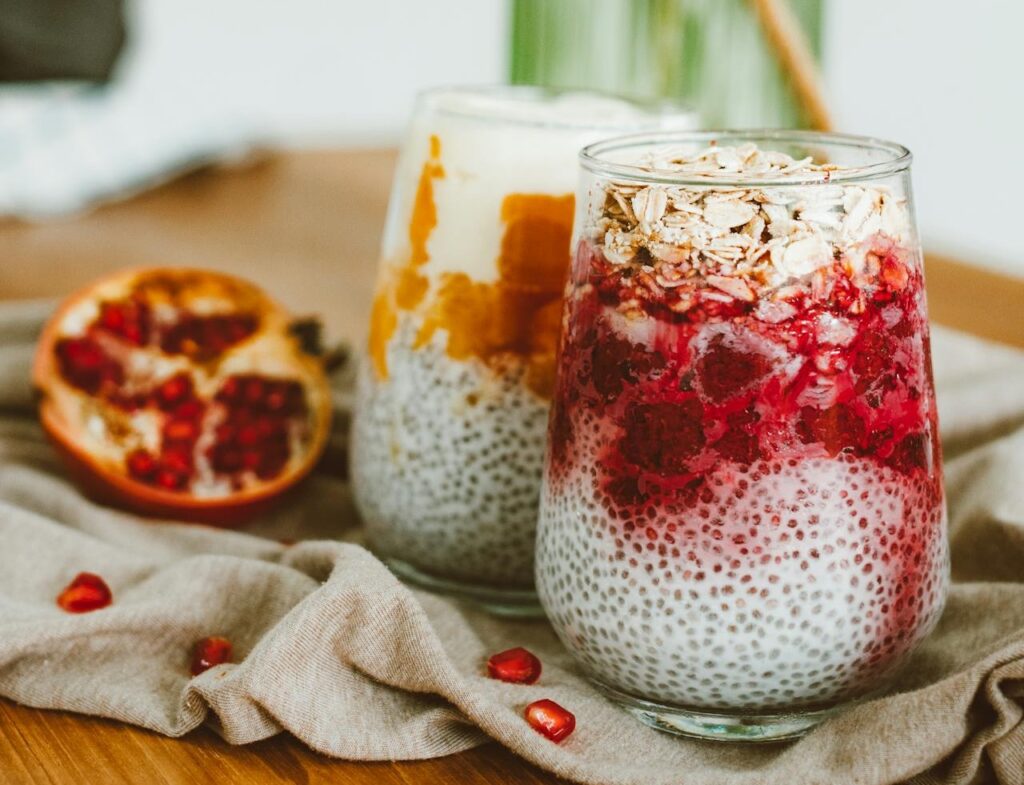
Probiotics are bacteria that are actually healthy and needed for the normal function of the body. They chiefly work by helping to restore the natural balance of microorganisms in your gut. Surprisingly or not, they are connected with many processes in the body, but the digestive tract especially. Read on to see simple ways how to improve your gut health and incorporate probiotics into your daily diet.
Probiotics help with a series of digestive tract-related conditions, like IBS, lactose intolerance, Chron’s disease, and many more. It is common to take them along with antibiotics, to keep the microflora intact. Besides these, probiotics have a positive influence on mental health, weight loss, and the cardiovascular system.


What Do Probiotics Do to Your Body?
Probiotics will improve quality of life and relieve pain, but the key is in consumption—you have to take adequate amounts to see the benefits. Therefore, consulting with a medical expert is a must before incorporating probiotic supplements into your daily life.
There are two most common types of probiotic bacteria – Lactobacillus and Bifidobacterium. But, each probiotic strain has different effects on the body. Some have more efficiency, some less – everything varies because of the individual health status.

Probiotics come as capsules, powders, or liquids, but besides taking them as supplements, you can find them in everyday food, as well. Kefir, Greek yogurt, sauerkraut, kimchi, and kombucha are all-natural probiotics and are very simple to incorporate into your diet.
Miso, natto, tempeh, olives, aged cheeses, traditional buttermilk, and non-dairy yogurts are a few more examples of fermented products great for your health. Try to include at least one of these ingredients in your daily menu. For instance, season rice with miso, serve sauerkraut as a salad, or make a wok with tempeh.
Having all this in mind, let’s see what probiotics actually do to your body!
Probiotics vs. Prebiotics: Which Is Better for Your Health?
Help the Digestive Tract
Irritable bowel syndrome (IBS) is a digestive trouble that agitates the large intestine. It causes abdominal pain, cramping, bloating, gas, diarrhea, constipation, or a cocktail of all. This can be challenging as it complicates your daily life, and stress is the biggest triggering factor.
You can’t cure IBS with probiotics, but they are very helpful, though. They aid in maintaining healthy digestion and regular bowel movement. This is one of the best ways to treat IBS, as probiotics help all the symptoms listed above.
*It is important to note that you don’t have to be diagnosed with IBS to have these kinds of problems, but nowadays, it is super common.

There isn’t enough research that can surely describe the connection between probiotics and different conditions like colic, inflammatory bowel disease (IBD), Chron’s disease, and ulcerative colitis. There are pieces of evidence that imply that certain probiotic strains may help to reduce symptoms and improve the quality of life for UC patients.
The next super common problem is definitely lactose intolerance. For the body to break down lactose, it needs to have enough of the enzyme lactase. Many lactose-intolerant people can digest fermented cultures, like yogurt or kefir that are natural probiotics.
There is a good reason behind that! The fermentation process ends up giving a simple digestive form of lactose. Plus, some probiotic strains work like a lactase. So, taking probiotics regularly truly helps to ease all the symptoms of lactose intolerance.
You probably noticed that when you’re prescribed a stronger antibiotic, there is a probiotic to go with it. This is because probiotics minimize side effects, like diarrhea, that pills can cause. One more simple thing you can do is drink a glass of kefir or yogurt half an hour before taking antibiotics.
It will help with gut sensitivity and stool. Also, probiotics boost the absorption of nutrients in the organism. It improves digestion of carbohydrates and proteins, and absorption of nutrients from food.
Drinking a glass of kefir after a meal, eating sauerkraut or kimchi as a side dish, or including more olives and natto in your diet will have a positive influence on your digestion. You will experience less bloating after a meal and faster metabolism.
Boost Immune System
The guts are a crucial part of the immune system, housing a lot of immune cells. Probiotics succor maintain a healthy balance of gut microbiota, which is crucial for well-functioning immunity.
They also modulate immune responses, soothing inflammations, and stimulate a healthy immune response. Taking probiotics as a supplement or via food will straighten the gut barrier, preventing harmful substances from entering the bloodstream.

Lastly, probiotics block pathogenic bacteria or inhibit their growth, making them unable to do any damage. Because of these benefits, traditional medicine encouraged eating sauerkraut, kimchi, olives, and pickles, and drinking fermented drinks like kombucha.
Promote Weight Loss
Studies showed that obese people actually have less varied gut microbiota than lean people. This also causes faster and easier weight gain. As said above, probiotics improve the breakdown of nutrients, including fiber, which makes you full for longer.
Scientists suggest that probiotics, in fact, can directly influence diabetes and insulin resistance which are both triggered by obesity. Also, establishing a regular stool schedule and eliminating constipation, will fasten the metabolism and help you lose weight faster.
Two bacterial cultures – Lactobacillus fermentum and Lactobacillus amylovorus – are proven to skyrocket the loss of belly fat. You can lose 50% more fat in span of 3 months when taking probiotics with these cultures, and even keep losing weight after. Something simple as eating yogurt enriched with these bacteria will boost your weight loss journey.

How To Take the Fitness Age Challenge and Find Out How Old You Really Are
Improves Mental Health
Surprisingly, probiotics have an influence on the nervous system, as well. Taking probiotics regularly may aid in reducing anxiety, depression, obsessive-compulsive disorder, memory abilities, and even autism-related behavior.
Taking probiotics on a daily basis, through supplements or food, will help you deal with the stress levels. Start incorporating fermented, probiotic-rich foods into your diet and see if there are any changes. For example, eat a yogurt bowl for breakfast or drink kombucha every day and track your mood.
*This topic is sensitive and very subjective, so don’t feel pressured if something doesn’t work for you. It may be a great help for some, but not for everyone.
Lower Cholesterol
Probiotics can help reduce bad cholesterol (LDL) levels through different mechanisms. They can break down bile acids, made from cholesterol, in the gut. This means it reduces the amount of cholesterol available for resorption in the blood.
The same stands for absorption of cholesterol in the intestine. They also have an influence in lowering triglyceride levels, but more studies are needed for an exact explanation of these mechanisms. But, it is certain, that probiotics have a fine influence on reducing cholesterol levels, so incorporating the fermented ingredients into your diet won’t do you any harm.
How Else to Improve Your Gut Health?
There are many other helpful things to do for your gut health, so here are some examples!
Reduce Stress

Stress is a triggering factor for all the health conditions listed above. It is easy to say “reduce stress”, but in today’s world, it can be a tad tricky. Stress affects your whole body, keeping it in “fight or flight” mode for a long time.
Some relaxation techniques may help you with this, though. Try meditating or yoga first thing in the morning or right before bed, as steady breathing helps to calm your nerves. Physical activity, laughing, spending time with people you love, and pets all lower stress levels by releasing dopamine – a happy hormone.
Fix Your Diet
Eating heavily processed, innutritious food won’t do any good to your body. First make small changes, like adding fresh greens to your plate or reducing the quantity of fast-food dinners. Consider incorporating the probiotic foods listed above, to accelerate your metabolism and boost your overall mood.
Drink More and Chew Longer
Sometimes, people eat much more because they are thirsty. Drinking 3 liters of water daily will positively affect your bowel movement, mood, and weight loss. Drinking a glass of water half an hour before a meal will aid digestion and make you eat less.
Chewing longer is such a trivial thing, but extremely helpful. Try to eat without rushing, taking time to chew every bite thoroughly, as swallowing big chunks of food creates discomfort, complicates, and slower digestion.
Exercise

Exercise is an obvious thing, as whatever body movement will accelerate your metabolism. Walking, running, cycling, yoga – everything is more than fine.
Of course, there are specific exercises to improve your gut health and help digestion. If you have specific nuisances, like bloating or constipation, there are many targeted movements to help you relieve discomfort quickly.
As you can see, probiotics are super simple to introduce to your daily life. They have numerous benefits but minimal side effects. Actually, there are no proven safety concerns for adult healthy people.
Just to note, people with weakened immune systems should be a bit more careful, as they can experience some side effects. Also, don’t forget that probiotics are living microorganisms you already have in your body, so it is important to take the right culture that will benefit you.
This is why it is super important to consult with your practitioner beforehand.