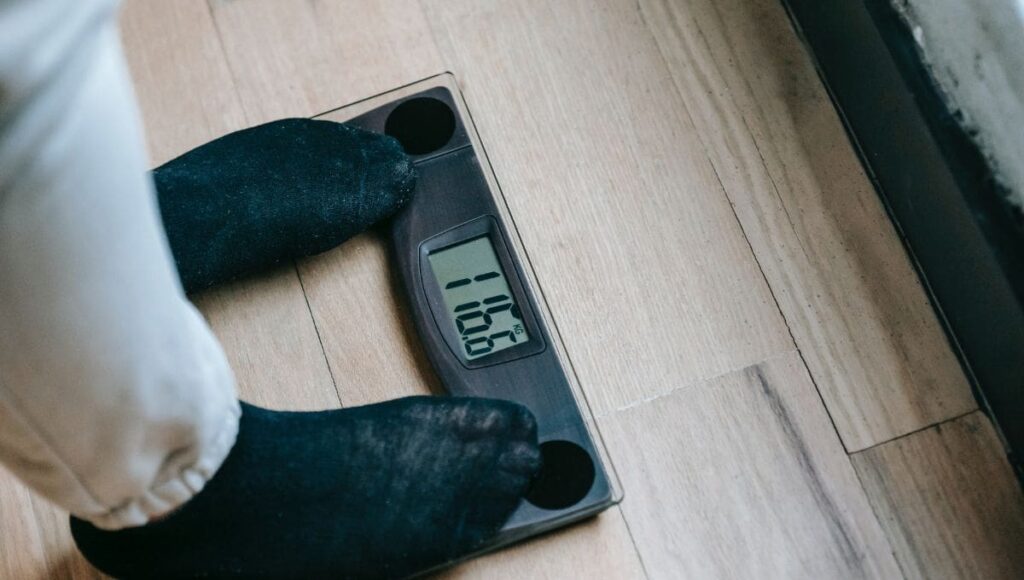
In the pursuit of a long and healthy life, exercise emerges as one of the most potent tools at our disposal. Numerous studies have consistently shown that regular physical activity is not only key to maintaining overall wellness but also crucial in extending our lifespan. Engaging in exercise can ward off chronic diseases, enhance mental health, and improve the quality of life as we age.
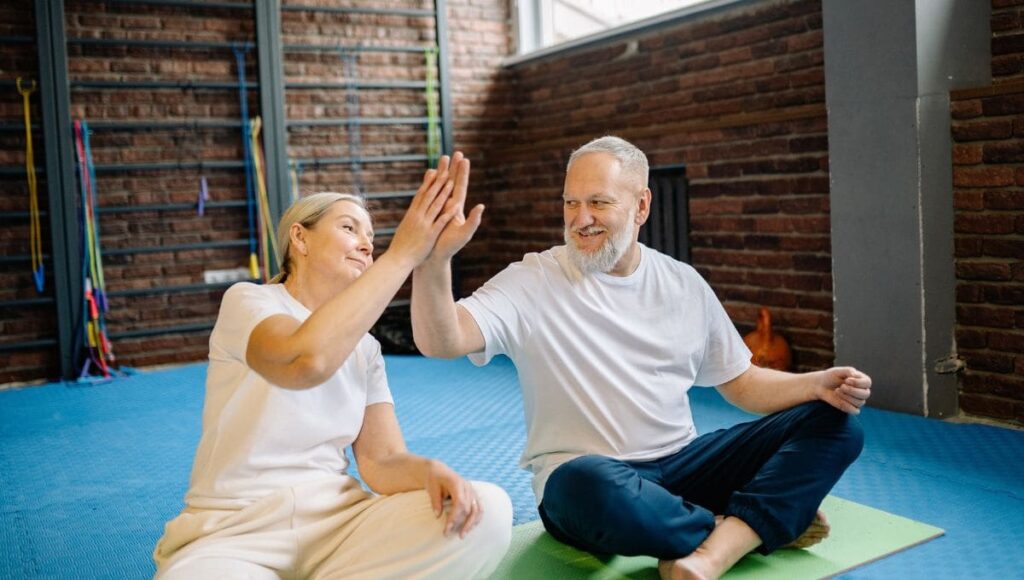
But not all exercises are created equal when it comes to longevity. While any form of physical activity is beneficial, certain types of exercises have been identified as particularly effective in promoting a longer and healthier life. In this article, we will explore three specific types of exercises that have proven their mettle in scientific studies: cardiovascular exercises, strength training, and flexibility and balance exercises.


Each type of exercise offers unique benefits and plays a crucial role in maintaining different aspects of health. By incorporating a variety of these exercises into your routine, you can create a comprehensive fitness plan that not only helps in prolonging your life but also in enhancing the quality of your years. Let’s delve deeper into these three key types of exercises and discover how they contribute to a longer, healthier life.
1. Cardiovascular Exercises
Cardiovascular exercises, often referred to as cardio, primarily involve prolonged physical activity that raises your heart rate and increases blood circulation throughout the body. These exercises are fundamental to maintaining a healthy cardiovascular system and enhancing overall stamina.
Common examples of cardiovascular activities include walking, running, cycling, and swimming. Each of these activities can be tailored to fit any fitness level and can be performed in various settings, from the tranquility of nature trails to the bustling environment of city streets or even within the comfort of a gym.
Health Benefits
The benefits of regular cardiovascular exercise are vast and well-documented. Primarily, these activities help improve the efficiency of the cardiovascular system, which includes the heart, lungs, and blood vessels.
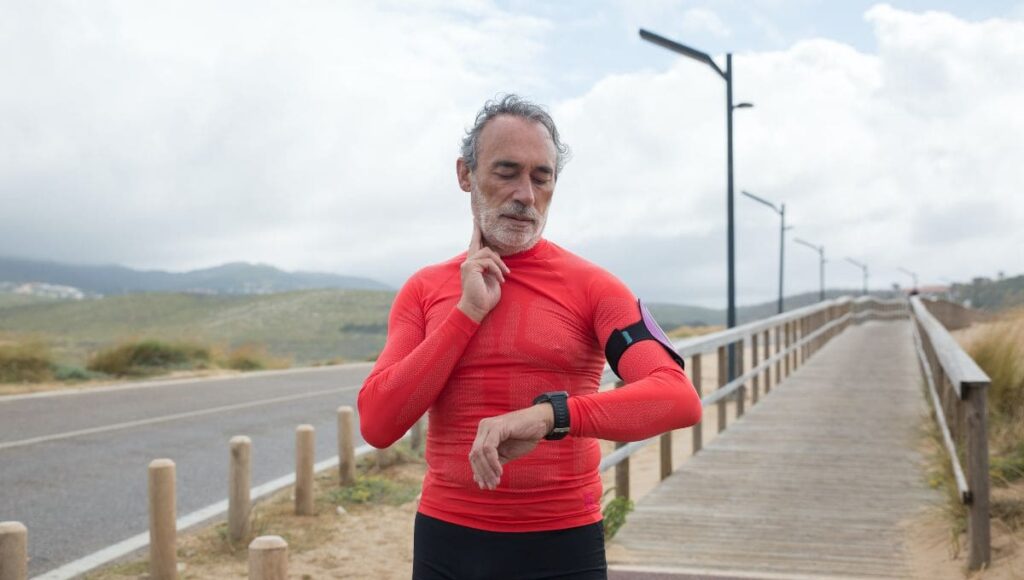
Enhanced cardiovascular health leads to lowered blood pressure, reduced cholesterol levels, and improved heart function. Furthermore, engaging in cardio workouts boosts endurance and helps regulate and improve metabolic function, which can aid in weight management and decrease the risk of type 2 diabetes.
Several studies have underscored the link between cardiovascular fitness and increased life expectancy.
For instance, research has shown that as little as 30 minutes of moderate to intense cardio daily can significantly reduce the risk of heart disease, stroke, and other conditions that can shorten life span.
Tips for Incorporation
Incorporating cardiovascular exercises into your daily routine can be straightforward and enjoyable. For beginners, it’s advisable to start with low-impact activities such as walking or cycling at a comfortable pace.
Gradually increasing the duration and intensity of the exercise as your fitness improves can help maintain motivation and prevent burnout.
Here are a few tips to seamlessly integrate cardio into your daily life:
- Start Small: Even a brisk 10-minute walk counts. Build up to longer sessions as your stamina increases.
- Use Technology: Fitness trackers and apps can help monitor progress, set goals, and keep you motivated.
- Mix It Up: Keep the routine interesting by varying the type of cardio and the settings. Alternate between jogging, swimming, and cycling to engage different muscle groups and prevent monotony.
- Set Clear Goals: Whether it’s improving time, distance, or general fitness, clear goals can significantly enhance your motivation.
- Join a Group: Participating in group activities or classes can increase your commitment and make exercising more enjoyable.
By starting at a pace that feels right and gradually increasing the challenge, cardiovascular exercise can become a fulfilling and life-enhancing part of your daily routine, paving the way to a longer and healthier life.
2. Strength Training
Strength training, also known as resistance training, involves exercises that improve the strength and endurance of your muscles by making them work against a weight or force. This type of exercise is crucial not just for athletes but for individuals of all ages, as it plays a key role in maintaining overall health and functional ability throughout life.
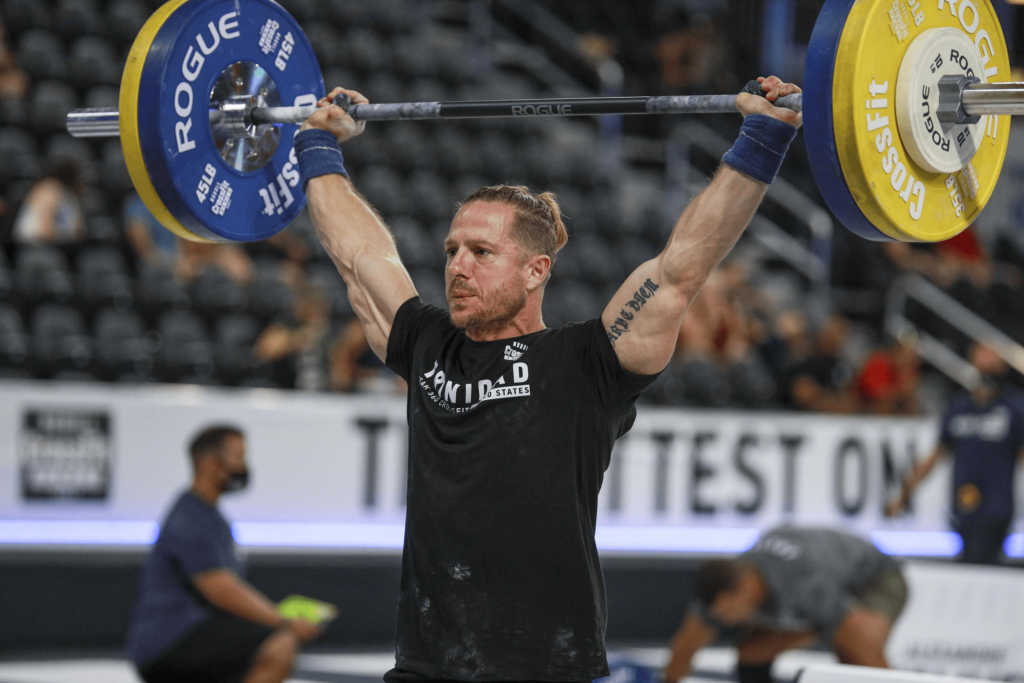
Common examples of strength training include lifting weights, using resistance bands, and performing bodyweight exercises like push-ups, squats, and pull-ups.
Health Benefits
The benefits of strength training extend far beyond muscle building. Regular strength training increases muscle mass, which in turn helps maintain basal metabolic rate. This means you burn more calories even when at rest, which can help manage weight and reduce body fat. Strength training also significantly improves bone density, which can prevent osteoporosis and decrease the risk of fractures as you age.
Moreover, maintaining muscle strength is crucial for overall mobility and balance, reducing the risk of falls, which is particularly important for older adults. Research has consistently linked strength training with a reduced mortality rate. A study published in the American Journal of Epidemiology found that participants who engaged in strength training activities had a 23% reduction in all-cause mortality and a 31% reduction in cancer mortality.
Tips for Incorporation
Incorporating strength training into your exercise routine can be done effectively at any age, and you don’t necessarily need access to a gym or expensive equipment to get started.
Here are some tips for incorporating strength training into your routine:
- Start with Basics: Begin with bodyweight exercises that don’t require equipment, such as push-ups, squats, and lunges. Learn proper form to prevent injuries.
- Progress Gradually: As you build strength, gradually introduce weights or resistance bands to increase the challenge.
- Frequency: Aim for two to three strength training sessions per week, allowing at least one day of rest between sessions to let your muscles recover. This frequency is sufficient to see significant improvements in strength and fitness.
- Seek Professional Advice: If possible, consult with a fitness trainer who can design a personalized strength training program tailored to your fitness level and goals.
- Mix It Up: Keep your routine engaging by trying different types of strength training exercises and equipment. Incorporate free weights, machines, and resistance bands to target various muscle groups.
- Listen to Your Body: Pay attention to how your body feels during and after workouts. Adjust your exercises and weights based on your body’s signals to avoid overtraining and injuries.
By making strength training a regular part of your exercise regimen, you can enjoy improved strength, better metabolic health, and enhanced quality of life, thereby contributing to a longer, more active future.
3. Flexibility and Balance Exercises
Flexibility and balance exercises focus on enhancing the range of motion in your joints and improving your ability to maintain your body’s position whether in motion or still. These types of exercises are crucial for overall functional fitness and mobility, especially as you age.
Popular forms of flexibility and balance exercises include yoga, Pilates, and tai chi. Each of these practices emphasizes slow, controlled movements that enhance flexibility, core strength, and body awareness.
Health Benefits
Engaging regularly in flexibility and balance exercises offers a multitude of health benefits. These activities help to maintain or even increase the elasticity of muscles and tendons, improving overall joint health and reducing the risk of joint and muscle-related injuries.
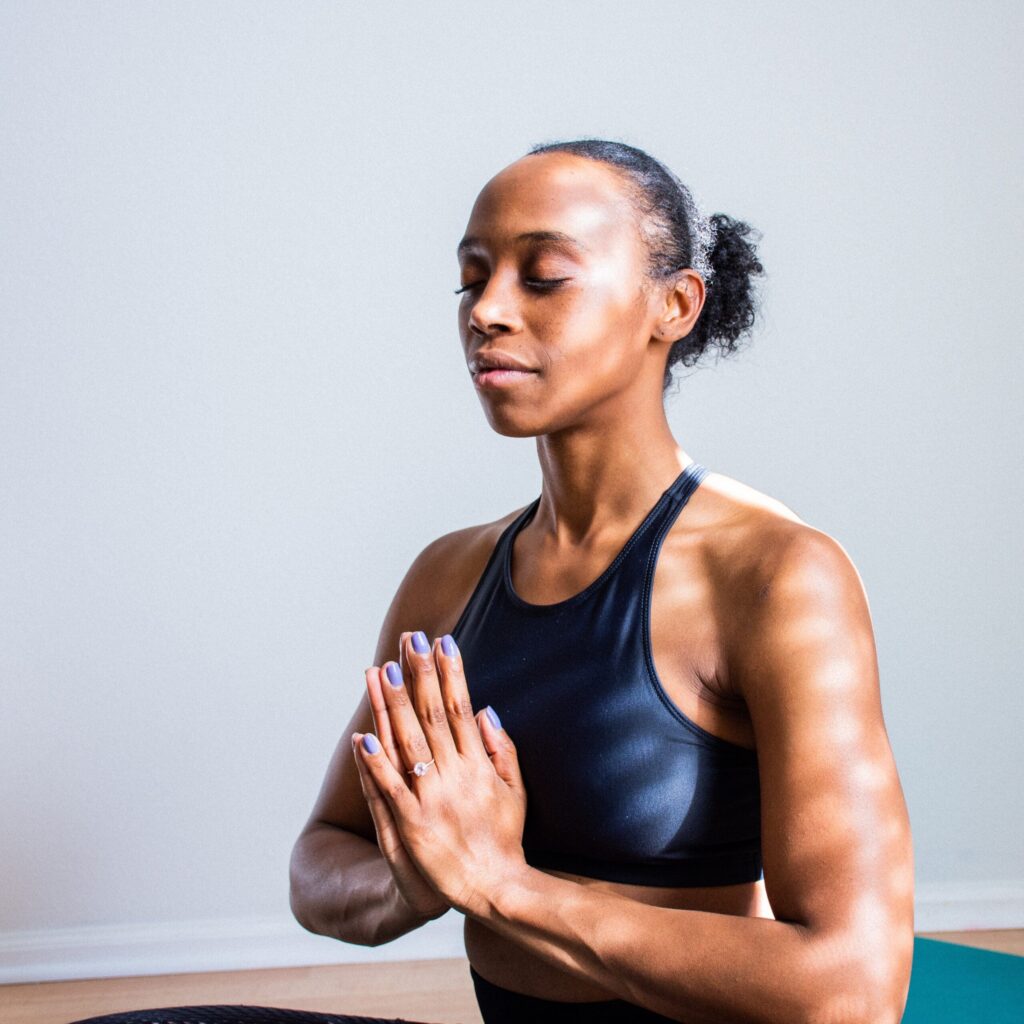
Enhanced balance is another critical benefit, which is particularly important in reducing the risk of falls among older adults—a major cause of serious injury and decreased independence with age.
Moreover, these exercises contribute to longevity by promoting better posture, reducing stress and tension in the body, and improving mental focus and relaxation.
Studies have shown that practices like yoga and tai chi not only improve physical function but also help to alleviate symptoms of anxiety and depression, contributing to better overall well-being and quality of life.
Tips for Incorporation
Incorporating flexibility and balance exercises into your routine can be done at any age and fitness level, and can easily be adapted to accommodate any physical limitations.
Here are some tips for safely starting and progressing in these exercises:
- Begin with Guided Sessions: If you are new to these forms of exercise, start with guided sessions through classes or online videos to ensure you are performing movements correctly. This guidance is crucial to prevent injuries and maximize the benefit of each exercise.
- Frequency: Aim to practice flexibility and balance exercises at least two to three times per week. Consistency is key to seeing improvements in flexibility, balance, and mental well-being.
- Gradual Progression: Start with simpler, more foundational poses and exercises, and gradually progress to more challenging variations as your strength and flexibility improve.
- Use Apps and Online Resources: Many apps and websites offer structured routines in yoga, Pilates, and tai chi that can guide beginners through the basics and offer pathways to more advanced practices.
- Join a Class: Participating in a class can provide motivation and a sense of community. Many community centers, gyms, and yoga studios offer classes tailored to different age groups and fitness levels.
- Integrate into Daily Routine: Incorporate small practices into your daily routine; for example, perform a few stretches in the morning or balance exercises while standing in line.
By regularly practicing flexibility and balance exercises, you can maintain your mobility, reduce the risk of falls, and enhance your overall physical and mental health, all of which contribute to a longer and more active life.
Conclusion
In summary, the path to a longer, healthier life is significantly influenced by regular physical activity, specifically through cardiovascular exercises, strength training, and flexibility and balance exercises. Each type of exercise offers unique benefits that contribute to not only extending lifespan but also enhancing the quality of life as we age.
- Cardiovascular exercises such as walking, running, cycling, and swimming improve heart health, increase endurance, and boost metabolic function, all of which are essential for longevity.
- Strength training helps in building and maintaining muscle mass, improving bone density, and enhancing metabolic rate. It is also linked to a reduced risk of premature death, particularly from cardiovascular diseases and cancers.
- Flexibility and balance exercises, including yoga, Pilates, and tai chi, enhance joint health, improve balance, and reduce the risk of falls, especially crucial as we grow older. These practices also support mental health by alleviating stress and promoting a sense of well-being.
Incorporating a mix of these exercise types into your daily or weekly routine can lead to profound health benefits. Start with manageable goals, such as a short daily walk, a few weekly sessions of strength training, and regular stretching or balance exercises. Gradually build from there based on your interests and physical capacity.
We encourage you to take proactive steps towards integrating these exercises into your lifestyle. Remember, it’s never too late to start, and the benefits are lifelong. By committing to a regular exercise routine, you can enjoy a more active, vibrant, and healthy life well into your later years.
Make the choice to start today, and enjoy the transformative effects of exercise on your health and longevity.