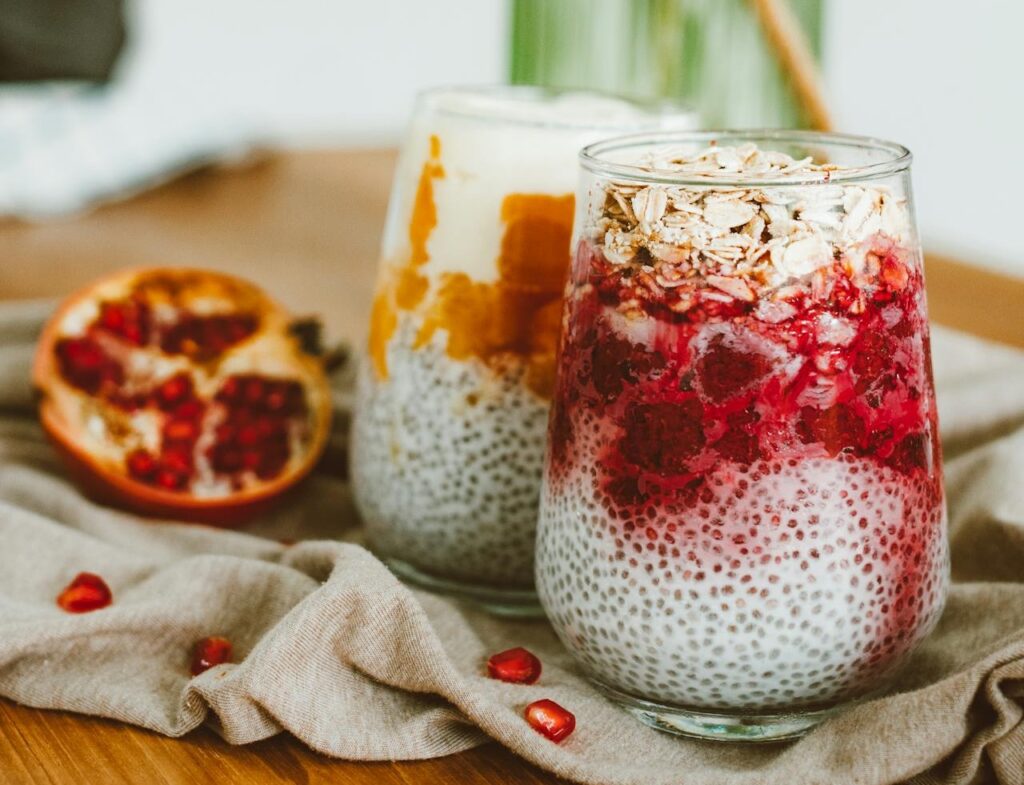
First things first, no food can prevent or cure cancer alone, but there are definitely certain benefits. Strong antioxidants in food can inhibit the proliferation of tumor markers – vitamin C, flavonoids, carotenoids, and sulforaphane are the first in a row.
When researching this topic, you will see that foods that help to prevent cancer are a huge part of the Mediterranean diet.


In this article, I’ve covered the top 5 foods that help in cancer prevention, drawing on insights from experts and the latest scientific research. Besides these top 5 listed below, carrots, beans, cinnamon, nuts, turmeric, flaxseeds, garlic, and fatty fish are amazing ingredients to add to your diet!
Citrus Fruit
Citrus fruits – oranges, lemons, grapefruits, limes, and tangerines – are packed with antioxidants. Antioxidants assist in preventing cancer by neutralizing free radicals – unstable and highly reactive molecules. They are the body’s natural defense mechanism that destroys pathogens.

However, if they accumulate in the body because of stress or disease, radicals can damage cells, DNA, and proteins. This is known as oxidative stress, and it is linked to different health problems – including cancer.
Antioxidants in citrus fruit are vitamin C, flavonoids, carotenoids, and limonoids. Vitamin C boosts immune system by stimulating production of white blood cells, which aid to protect the organism against illnesses.

There are several studies that prove the benefits of citruses in preventing cancer, but some types more than others. Digestive tract cancer, especially small intestine and colorectal cancer, could be prevented by taking vitamin C regularly. It is not 100% proven, but it has great potential in preventing digestive system cancer.
Antioxidants-packed citrus fruits reduce the risk of stomach cancer by a whopping 28%. This fact stands only for people with a high intake of fruit, though, at least a portion daily. But this is easily achievable, as drinking citrus juices, adding them to salad dressings, marinades, and simply snacking works in that favor.
Consumption of 100 mg a day of vitamin C will decrease the risk of lung cancer by 7%. Thus, eating citrus fruit may prevent upper respiratory system cancer—oral, pharyngeal, esophageal, and laryngeal. Citrus juices have an undeniable role in preventing cancer, but it is important to note that vitamin C can’t be used as a cure!
Citruses are the stars of the Mediterranean diet, so it is not surprising that people who follow it have reduced cancer risk.
Berries
Berries, such as strawberries, blueberries, raspberries, cranberries, wolfberries, and blackberries, are rich in various bioactive compounds. These include vitamins, flavonoids, anthocyanins, and ellagic acid, which have multiple benefits for organisms. The anti-inflammatory properties of those antioxidants reduce inflammations, thereby lowering the risk of cancer development.

Also, certain antioxidants, like flavonoids, induce apoptosis – programmed cell death. This actually helps to prevent the growth and spread of tumor cells. They protect cells from damage, as well, by neutralizing free radicals and lessening oxidative stress – this process helps stop cancer development.
Flavonoids may inhibit forming new blood vessels by tumors – angiogenesis. This action prevents them from receiving the nutrients and oxygen needed for their growth and spreading, which results in tumor cell death.
Last but not least, berries have high concentrations of anthocyanins—pigments responsible for vibrant red, purple, and blue colors. Anthocyanins belong to a class of flavonoids but deserve a special mention! They have antioxidant activity that protects cells from damage and lowers cancer risk.
Ellagic acid in berries enhances DNA repair mechanisms, resulting in blocking mutations that could lead to cancer development. Also, it boosts the body’s natural detoxification processes, cooperating in the elimination of carcinogens and toxins from the body.
Studies showed amazing results among animals, yet the effects on humans need more research. Thus, there are 0 reasons why you shouldn’t add berries to your daily menu. Following this, berries can help to lower the risk of breast, prostate, gastrointestinal tract, liver, pancreas, and lung cancer. Reducing tumor incidence was particularly well in oral, esophageal, and colorectal cancer.
Broccoli
Broccoli contains several bioactive composites, including sulforaphane, glucosinolates, and indole-3-carbinol. These three are studied for their potential cancer-preventive effects. Sulforaphane is an interesting sulfur-rich compound that inhibits the development and progression of cancer cells.
It activates a group of enzymes that help the body eliminate carcinogens and toxins. They are known as phase II detoxification enzymes, and by intensifying detoxification, sulforaphane helps minimize the risk of cancer. What’s more, it inhibits the growth of cancer cells and induces apoptosis (programmed cell death) in different types of cancer cells.
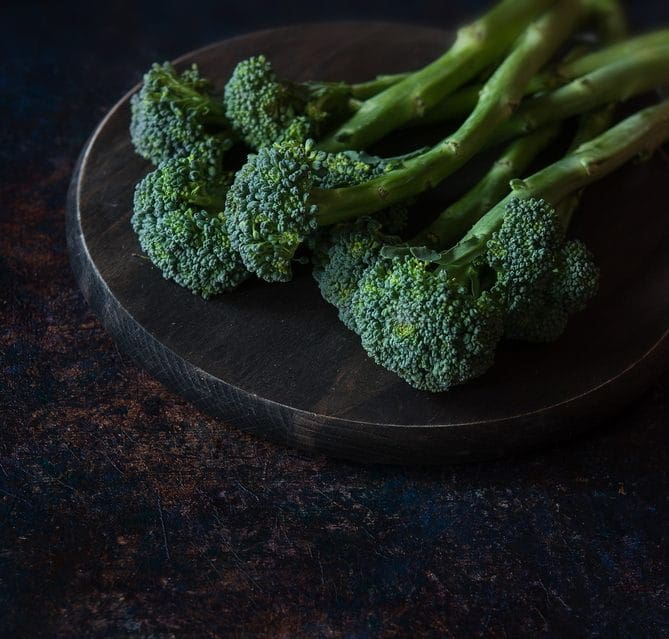
The most interesting part is that sulforaphane may interfere with cell signaling pathways. This means it cuts the path that tells tumor cells to grow and divide, blocking tumor formation.
The other two compounds—glucosinolates and indole-3-carbinol—are responsible for reducing the risks of hormone-related cancers, like breast and prostate cancer, by altering estrogen metabolism. Incorporating broccoli into a few dishes weekly can seriously help prevent the development of cancer.
Broccoli is representative of these benefits, but these facts stand for other cruciferous vegetables, making it even easier to include them in your meals. Cauliflower, turnip, cabbage, wasabi, Brussels sprouts, radish, arugula, kohlrabi, and other similar veggies are in that class.
Just note that all of them can mess up with thyroid hormones, especially when eaten fresh, so consult with your GP. This solely stands for those with iodine deficiency, as it can block the thyroid’s capacity to use it effectively.
It is also super important how you prepare broccoli. Long cooking, in fact, destroys the nutrients in the cruciferous vegetables. This results in ruining glucosinolates and making them useless.
If you want to process broccoli thermally, it is best to steam it for a few minutes. That is enough to soften its texture a bit but still keep all the nutrients intact because vitamin C and sulforaphane are the most sensitive to heat. So, soup, long roasting, and cooking are off the charts.
However, always add vegetables like these at the very end of cooking so they can save the nutrients but still absorb the flavors.
Tomatoes
Tomatoes are particularly abundant in lycopene – a carotenoid pigment responsible for their red color. But besides that, it is actually a very potent antioxidant that potentially has anti-cancer traits. It has very similar actions as flavonoids, as lycopene also reduces oxidative stress, inhibits the growth of malignant cells, and prompts programmed cell death.
As sulforaphane, it prevents the formation of tumors. All of these attributes skyrocket the benefits of tomatoes in the fight against cancer development. Beta-carotene is also worth mentioning, as it acts as a strong antioxidant associated with reduced cancer risk.

It supports the immune system by helping the body identify and eliminate abnormal cells before they even have a chance to develop into cancer cells. Beta-carotenoids also reduce the risk of mutations because they protect DNA from damages caused by free radicals.
There are certain studies that link the consumption of tomatoes with lowering prostate cancer risks. Following that, tomatoes are an especially fine vegetable for men to incorporate into their diet. So, add them to salads, sandwiches, sauces, pasta, or soups – a few portions daily is ideal!
Don’t forget to drizzle it with some olive oil, as the benefits of tomatoes bloom when eaten in this combination. This is because olive oil boosts the absorption of lycopene. In fact, the oleocanthal element from oil intensifies anti-inflammatory benefits that soothe chronic inflammation like cancer.
Olive Oil
Extra virgin olive oil is doubtlessly the best liquid fat source to add to your diet. It contains phenolic compounds that have a positive influence on every aspect of cancer development: growth, differentiation, metastasis, and, before all – protects cells from oxidative stress. Olive oil has anti-inflammatory effects, as well, which is important because chronic inflammations are one of the most significant risk factors for cancer.
It decreases the number of receptors on genes associated with inflammation while stimulating the response of genes involved in programmed cell death in cancer cells. This way, olive oil inhibits the growth of malignant cells.
A healthy gut microbiota may aid in the prevention of cancer by modulating immune function and reducing inflammation. Regular intake of olive oil skyrockets the growth of beneficial bacteria but limits the development of harmful ones. This helps the organism to enhance the assimilation of vitamins soluble in fats and phytonutrients from other foods.
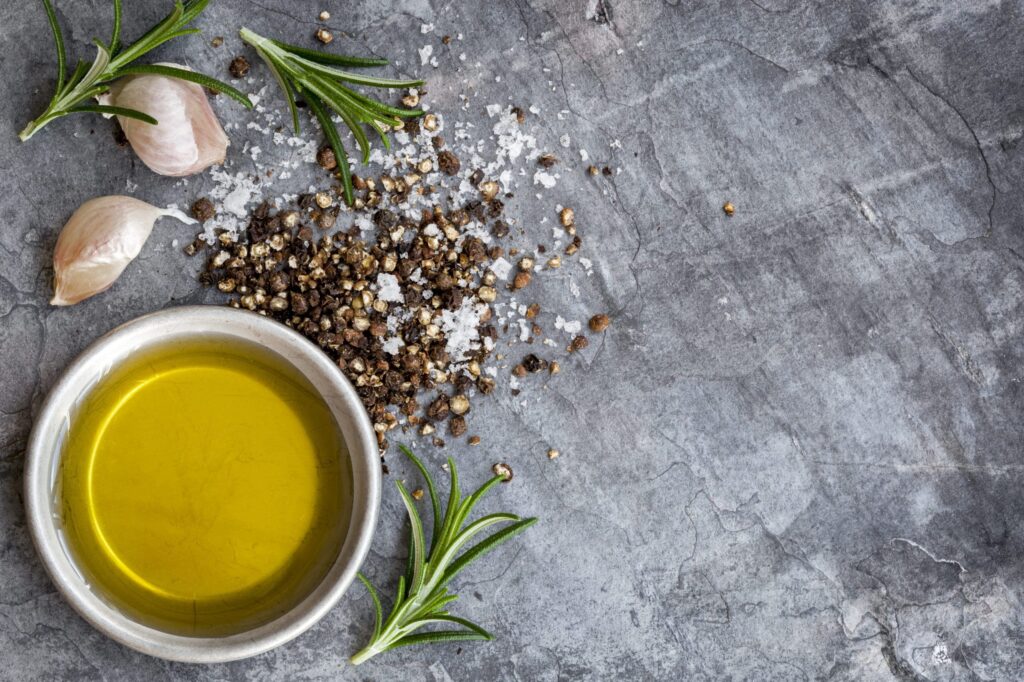
Indicating one thing – olive oil increases the bioavailability of cancer-preventive compounds presented in plant foods that are regularly eaten with it. For example, cruciferous vegetables, tomatoes, carrots, beans… So, making olive oil-based marinades or simply drizzling it on top of different foods is super beneficial but still incredibly tasty.
Using olive oil daily is proven to reduce the proliferation of tumor markers of every type of cancer. It is important to mention that the health benefits of olive oil are usually connected to the Mediterranean diet. There are several studies that imply the beneficial properties of olive oil in five types of cancer: breast, colorectal, skin, prostate, and digestive system cancer.