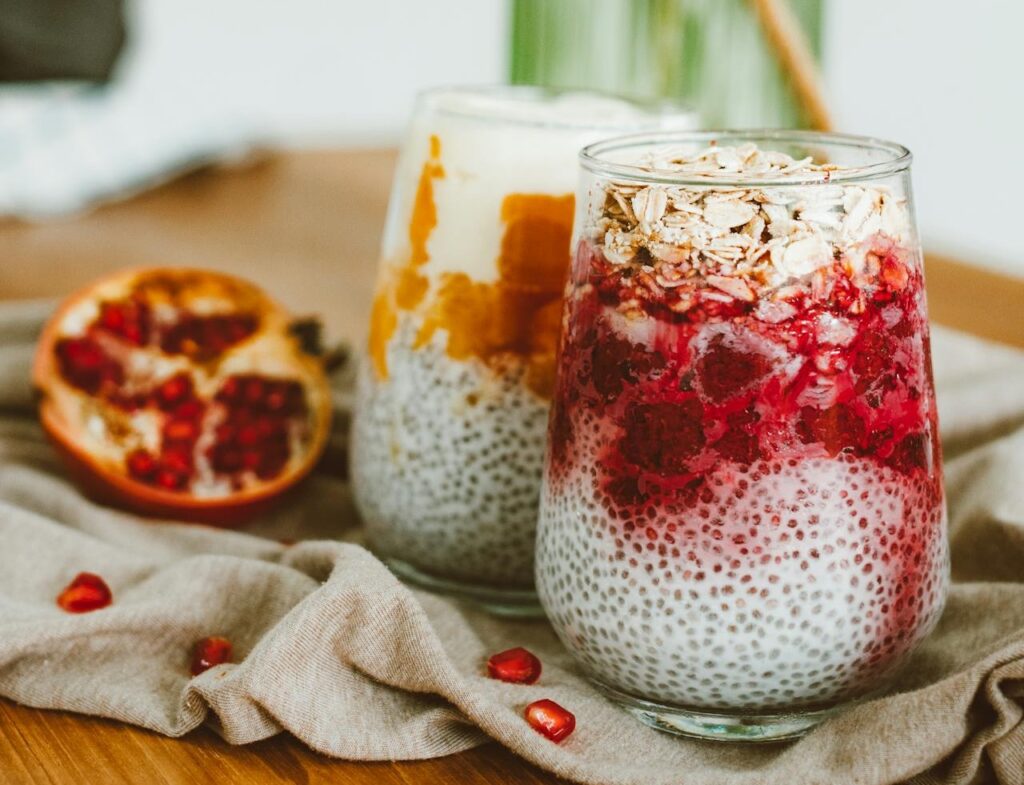
Weighing food and counting calories and macronutrients is an effective tool for tracking your diet, but obsessing over it can trigger an eating disorder. Leave counting every gram and calorie to bodybuilders, and instead, get to know your food.
There are plenty of simple cooking hacks for healthy meals that will give you a slimmer tummy with only a few changes.



Make sure to take all the macronutrients throughout the day and focus on whole foods. Don’t forget to hydrate, but opt for water, cold-pressed juices, and unsweetened teas over sodas and alcoholic beverages. Practice mindfulness and awareness so you can skip having hidden calorie intake. Scroll down for hacks to help you!
1. Meal Prep
Meal prep is a time-consuming task, but it pays off at the end of the week. The best advice is to spend some time each week preparing healthy meals and snacks, but schedule a regular meal prep day and stick to it. Having nutritious options ready and available will help you pick healthier things and avoid reaching for unhealthy convenience food.
This is truly a game-changer for eating healthier and saving time during a busy week. Plan out your weekly meals in advance, but choose recipes that are nutritious, balanced, and relatively simple to prepare. Still, make dishes that store very well and will be fresh even after a few days.
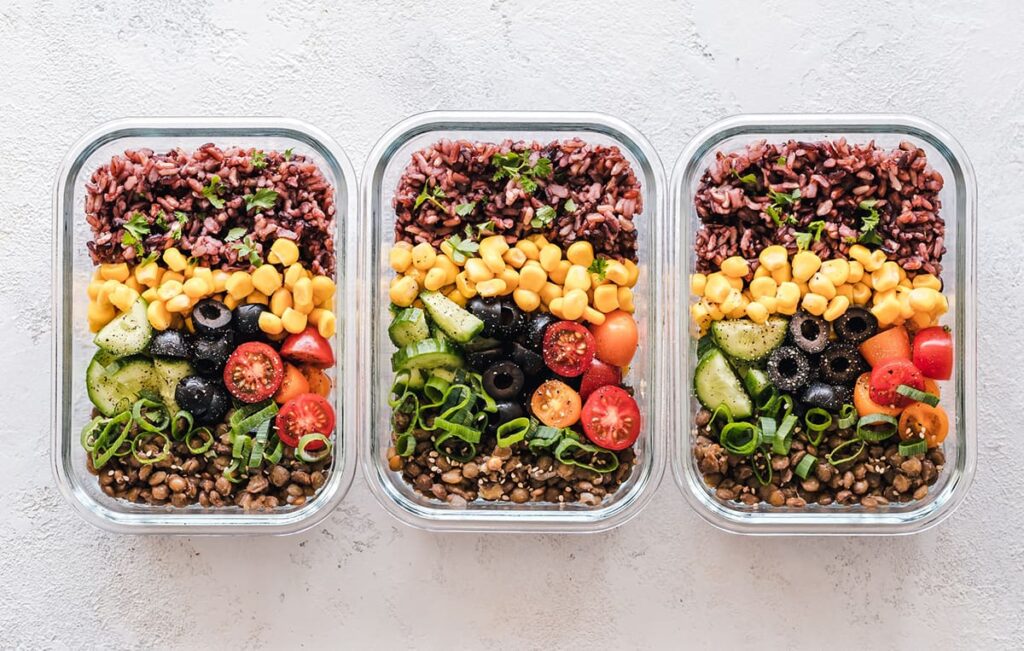
Cook large batches of staple food like grains, proteins, and roasted vegetables so you can use them in multiple meals. Go for rice, quinoa, bulgur, millet, chicken, minced meat, or anything you fancy. These simple things will minimize waste and maximize efficiency.
Here are some ideas for full meals that store amazing and are packed with nutrients:
- ground turkey stir fry with rice
- taco salad
- chicken stir fry
- lentils and rice skillet
- stuffed bell peppers
- pot roast
- tomato soup
- bean chilly
If you’re not the type of person who can plan each meal to a T, opt for ingredient prep instead. You can chop base vegetables like onion, carrot, cucumber, or salad, steam broccoli or cauliflower, cook eggs, or prepare some meat to add to different recipes.
Pre-portioning snacks is a simple but effective task to do! Divide snacks – nuts, fruits, or chopped vegetables into individual portions to grab on the go. This helps prevent overeating and makes healthy choices more convenient. You can also make some desserts or snacks that store fine, like banana bread, cookies, protein balls, brownies, granola bars…
This is pretty obvious, but it is still important to mention storage containers and labels. Use different-sized containers, preferably airtight glass ones, as they keep the food fresh for the longest time and are microwave-friendly. To skip the confusion and prevent food waste, tag each container with the date of preparation.
2. Control Your Portions
Sometimes, it is hard to control portions to prevent overeating, but there are a few hacks that will make a big change in your eating habits. Use smaller plates and bowls for one reason only—your eyes eat first.
When you serve food on a large plate, you will need a lot of it to fill in the space. Often, you will plate much more food than you need and trick your brain into thinking you crave it all and didn’t eat much. But, on the contrary!
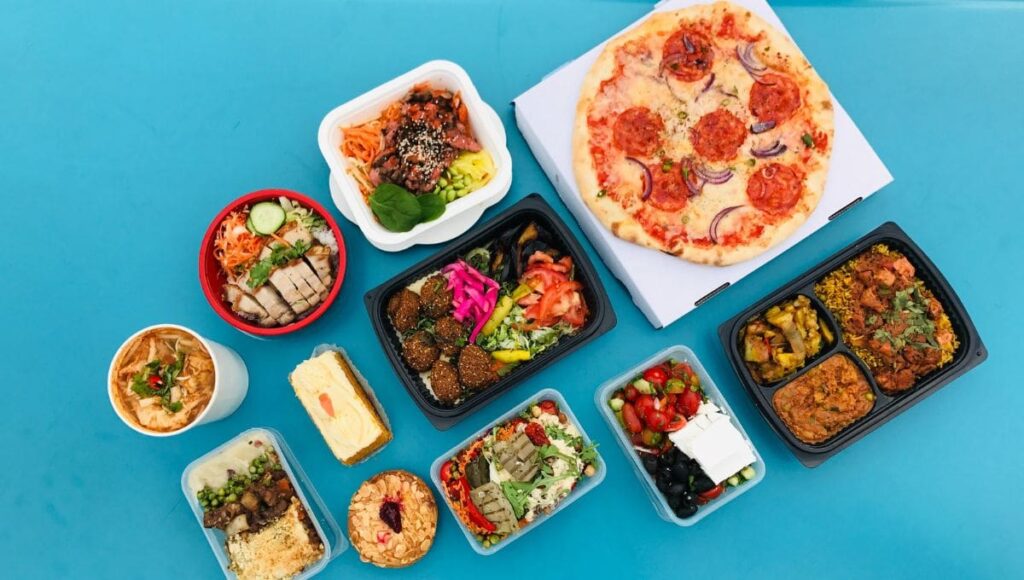
The other hack is to arrange your macronutrients correctly! Cover half of your plate with fiber—vegetables or fruit (steamed, roasted, grilled, or fresh). Fill one-quarter of a plate with lean protein, and another quarter with whole grains. When it comes to fats, use them in moderation.
3. Use Herbs and Spices
Instead of heavy sauces, condiments, and dressings, boost the flavor of your recipes with herbs and spices instead. Not only will your food be more delicious, but it will also be more nutritious without adding any calories. Some of them will help you manage your weight and overall health.
Unsurprisingly, cinnamon is first in line. Cinnamon regulates blood sugar levels, controlling cravings for sweets and reducing hunger. You can add it to anything sweet—oatmeal, smoothies, yogurt, fruit salad, or even savory food, like stew.

Turmeric, actually its active compound curcumin, has anti-inflammatory perks that boost metabolism and aid in weight management. Add it to curries, soups, stir-fries, or warm lemon water to quicken the digestion. Ginger, on the other hand, helps alleviate bloating and indigestion.
You can prepare ginger tea or add it to stir-fries, marinades, or sweets. Cayenne pepper increases metabolism and stimulates fat burning, so sprinkle it on roasted veggies, soups, or grilled meats. Herbs like basil, parsley, mint, cilantro, thyme, rosemary, oregano, sage, or any other actually have no direct influence on your weight but skyrocket the flavors, so you won’t need other empty calories from sauces and dressings.
4. Focus on Food Preparation Techniques
Choosing the right food preparation techniques will make a significant difference in bettering healthy meals. Grilling and broiling are chief techniques for cooking meat and tofu without adding fats and oils. They grill in their own juices and fats, plus they will get a signature charred smack.
Steaming is the best method to prepare veggies like cauliflower, broccoli, and carrots, as it will retain all their natural flavors and nutrients without added calories. Baking, roasting, and slow-cooking are excellent method as they require minimal added fats, yet veggies, whole grains, and meats are delish prepared like this!
Stir-frying and sauteing will give you a taste similar to deep-fried food but with just a tad of oil. You can use healthier options like olive or avocado oil and prepare everything – vegetables, meat, seafood, tofu. Of course, poaching and simmering are in this group, too.
5. Make Your Own Dressings
Salad dressings are something a lot of people don’t register as caloric ingredients, but they are! Instead of using store-bought or mayonnaise-based ones, make your own in a few minutes. If you want something creamy, use Greek yogurt or sour cream with herbs.

Lemon and Dijon mustard vinaigrette is a super flavorful, yet low-calorie option, as well as Asian sesame dressing and apple cider vinaigrette. Good options for a light dressing are juiced citruses with olive oil, fresh herbs, and spices.
6. Swap Out High-Calorie Ingredients
There are many other healthier options to add to your food than standard, high-calorie ones. Here are some examples! Swap regular pasta with whole grain or vegetable noodles – zucchini or squash- and exchange regular rice with brown, quinoa, bulgur, or cauliflower.
You can sweeten your baked goods with apple sauce or ripe bananas, trade ice cream for frozen yogurt, fruit sorbet, or blended fruit ice cream. You can also make your granola to avoid over-sugary cereal or add some fruit and cinnamon to your oats. Also, include more ground turkey, chicken, lentils, and mushrooms instead of fatty meats to boost your protein count.
7. Boost Volume with Low-Calorie Ingredients
This is a great strategy for increasing satierty and satisfaction without adding excess calories, while still enjoying your meal. Add vegetables in everything – even burger patties. Go for non-starchy vegetables like peppers, broccoli, cauliflower, zucchini, and mushrooms. They are packed with fiber and water but low in calories, so they will make you feell full for a long time.
Eat a salad with every meal, but go for leafy greens, cucumber, tomatoes, peppers, and other colorful vegetables. Use legumes and beans to bulk up the soups, stir-fries, and casseroles – they add protein, fiber, and loads of nutrients. When eating fruit, opt for a high-volume kind.
Go for fruit high in water content – watermelon, berries, citruses, or apples. Cabbage, lettuce, and spinach are outstanding non-starchy fillers to increase the volume of your sandwiches, burritos, tacos, and wraps!
8. Snack Mindfully
Healthy eating can be super caloric, too. If you want to stay in a calorie deficit, snack mindfully. Nuts and dried fruits are healthy but high in calories. So instead of them, go for crunchy vegetables like carrot sticks, cucumbers, or bell peppers and serve them with some dip like hummus or Greek yogurt.
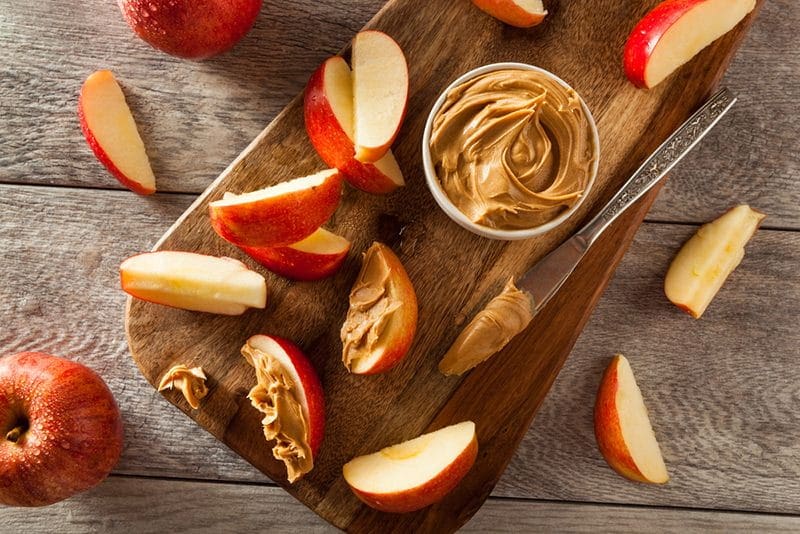
Steamed or crisped edamame is probably the most nutritional snack option, but rice cakes and air-popped popcorn with herbs or spices are amazing, too. Greek yogurt with berries is a staple, but don’t sleep on seaweed snacks, as well – they are low in calories but incredibly high in vitamins, minerals, and antioxidants.
9. Use the Right Cookware
Cookware plays a huge part in food preparation and can make a big difference in the long run. Invest in high-quality, non-stick pots and pans that allow you to cook with a splash of oil at maximum. Ceramics, cast iron, and carbon steel are all amazing materials to choose from, but the key is proper heating.
Also, when baking, use silicone mats or parchment paper, and you won’t need to add any oil at all. Air fryers are super popular nowadays and definitely a good investment. You will get amazingly crispy yet juicy food without adding any oil at all. They are ideal for cooking everything you would fry—from crispy chicken tenders to fish and chips.