The trapezius muscles, or “traps,” are not just pivotal for those looking to achieve an aesthetically appealing upper body silhouette; they are crucial for functional strength and healthy posture.
Located on the upper part of your back, extending from your neck to the middle of your spine and spreading out to your shoulder blades, the traps are involved in various movements of the shoulders and neck. Whether you’re shrugging your shoulders, tilting your head, or moving your arms, your trap muscles are hard at work.


The development of strong, well-defined traps contributes significantly to the overall upper body strength and can enhance the performance in a variety of physical activities and sports.
From powerlifting to everyday tasks like carrying groceries, the traps play a key role. Furthermore, robust trap muscles add to the visual appeal, creating a powerful, broad-shouldered look that many find desirable.

In this article, we will delve into three quick and effective methods to enhance the development of your trap muscles. These strategies are designed to maximize muscle growth, improve strength, and ensure your traps are not only functional but visually striking as well.
Whether you are a seasoned athlete or a fitness enthusiast looking to level up your workout regimen, these tips will help you achieve bigger and stronger traps in a time-efficient manner.
Understanding Trap Muscles
The trapezius muscle, commonly referred to as the “traps,” is a large, triangular muscle that extends across the back of the neck and shoulders and down the spine to the lower thoracic vertebrae. This muscle is distinctively split into three main parts—each serving unique functions:
Upper Traps: These originate from the base of the skull and the cervical vertebrae and attach to the outer part of the clavicle.
Their primary function is to elevate the shoulder blades (think shrugging your shoulders) and assist in head extension and lateral neck movements.
Middle Traps: These fibers stretch from the upper thoracic vertebrae to the shoulder blades. Their main job is to retract the scapulae, pulling the shoulder blades towards the spine, which is crucial for proper back alignment.
Lower Traps: Starting from the lower thoracic vertebrae and attaching to the spine of the scapula, the lower traps work to depress the scapulae. This action stabilizes the shoulder blades, aiding in overhead lifts and proper posture.
The Role of Trap Muscles in Movement and Posture
The traps are integral to various upper body movements and play a critical role in maintaining posture.

They support the movement of the shoulders and neck, which is essential for lifting, pulling, and rotational activities. Properly developed traps not only enhance strength and endurance but also contribute to a balanced posture. They help maintain the alignment of the shoulders and spine, reducing the risk of musculoskeletal injuries and the discomfort that often comes with long hours of sitting or standing.
Common Misconceptions About Trap Training
There are several misconceptions surrounding the training of trap muscles:
Myth: Only heavy lifting benefits the traps. While heavy lifts like deadlifts and shrugs are effective, they aren’t the only methods to build trap muscles. Incorporating a variety of exercises targeting different parts of the traps can lead to more balanced growth and symmetry.
Myth: Training traps leads to a stiff neck. If exercises are performed correctly with proper form and adequate stretching is integrated into the routine, training the traps should not cause neck stiffness or pain. In fact, strengthening the traps can help alleviate chronic neck pain by supporting the neck and shoulder alignment.
Myth: Overdevelopment of traps reduces neck length. Overdeveloped traps can give the appearance of a shorter neck, but this largely depends on the individual’s natural body proportions and the balance of exercises aimed at the upper, middle, and lower traps.
Understanding these aspects of the trapezius muscle can help in designing a more effective and comprehensive workout regimen, ensuring that the traps contribute to both functional strength and an aesthetically pleasing upper body form.
Method 1: Heavy Compound Lifts
Compound lifts are a cornerstone of effective strength training, especially for building the trapezius muscles.
These exercises involve multiple joints and muscle groups, allowing for the use of heavy weights that stimulate muscle growth through significant hormonal responses and increased muscle fiber activation.
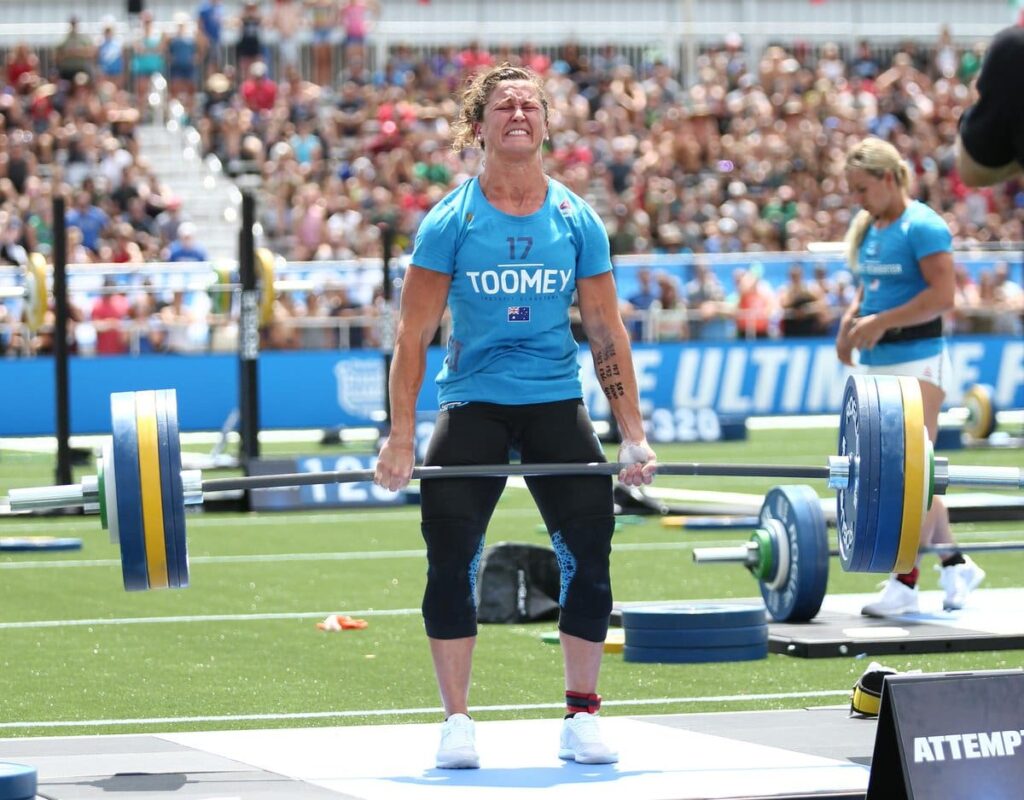
For the traps, compound movements not only enhance muscular size and strength but also improve functional performance and overall body coordination.
Barbell Deadlifts:
Technique: Begin with the barbell on the ground, standing with your feet hip-width apart. Bend at the hips and knees to grip the bar with a shoulder-width, overhand or mixed grip. Keep your back flat and chest up as you lift the bar by straightening your hips and knees. The traps are engaged as you pull the weight from the floor and during the lockout phase at the top of the movement where you squeeze your shoulder blades together.
Impact on the Traps: Deadlifts intensely work the traps by requiring them to stabilize the shoulders and upper back under heavy loads, promoting growth and endurance in both the upper and middle sections of the traps.
Farmer’s Walk:
Execution: Grab a pair of heavy dumbbells or kettlebells, stand up straight, and let the weights hang at your sides. Walk a set distance or for a period, maintaining an upright posture with your shoulders back and down.
Benefits for the Traps: This exercise demands constant tension in the traps as you stabilize the heavy weights against the pull of gravity while moving. It builds not only strength but also muscular endurance in the traps and enhances grip strength.
Tips for Incorporating These Exercises Into a Workout Routine
- Frequency and Volume: Include these exercises 1-2 times per week in your workout regimen, depending on your overall training volume and intensity. Heavy compound lifts require more recovery time due to their intensity.
- Progressive Overload: Gradually increase the weight or the number of repetitions to continuously challenge your muscles. This is key for ongoing trap development and strength gains.
- Proper Form: Always prioritize form to maximize muscle engagement and minimize the risk of injury. Consider working with a trainer to ensure you are performing these lifts correctly.
- Warm-Up Properly: Engage in a thorough warm-up focusing on mobility and light dynamic stretches to prepare your body for heavy lifting, reducing the risk of strains or sprains.
- Balance with Other Exercises: While compound lifts are effective, they should be part of a balanced workout that also includes isolation exercises and other forms of training to ensure well-rounded muscular development and avoid overtraining.
Incorporating heavy compound lifts like barbell deadlifts and farmer’s walks into your training routine can significantly enhance the size and strength of your trap muscles, contributing to both a powerful appearance and improved functional fitness.
Method 2: Targeted Isolation Exercises
Isolation exercises are essential in any muscle-building regimen as they specifically target individual muscle groups, allowing for focused intensity and direct stimulus.
For trap muscles, isolation moves help enhance muscle definition and symmetry, providing the detailed sculpting that compound exercises might overlook.
These exercises allow for a greater range of motion and precise control, making them ideal for addressing muscle imbalances and enhancing the aesthetic appeal of the traps.
Dumbbell Shrugs:
Proper Form: Stand upright with your feet shoulder-width apart, holding a dumbbell in each hand at your sides. Keep your arms straight and shrug your shoulders as high as possible towards your ears, squeezing at the top of the movement. Lower them back down slowly.
Variations:
Rotational Shrugs: After lifting your shoulders, roll them back in a circular motion before lowering them to start again. This variation engages slightly different fibers of the traps.
Overhead Shrugs: Performed either with dumbbells or a barbell, raise the weights directly above your head and then shrug upwards, which intensely targets the upper traps.
Face Pulls:
Technique: Attach a rope to a high pulley of a cable station. Grab the rope with both hands and pull the ends toward your forehead, splitting the rope as you pull while keeping your upper arms parallel to the ground. Focus on pulling with your traps and rear deltoids, not just your arms.
How It Targets Different Parts of the Traps: Face pulls primarily engage the middle and lower traps along with the rear deltoids. This exercise helps balance the development of the trapezius muscle, promoting better posture and reducing the risk of imbalances and injuries.
Scheduling Isolation Exercises in a Training Session
- Placement in Workout: Isolation exercises for the traps are best performed after heavier compound movements. This allows for the larger muscle groups to be exhausted with heavy weights first, and then the traps can be finely tuned with focused movements.
- Frequency: Include trap-specific isolation exercises 2-3 times per week depending on your overall muscle training schedule. The traps recover relatively quickly and can be trained with frequency, provided they are not overworked.
- Volume and Intensity: Aim for higher reps at a moderate weight with isolation exercises to enhance muscle definition without excessive strain. Typically, 3-4 sets of 12-15 repetitions are effective for building well-defined traps.
- Progression: Gradually increase the resistance or change the variations of the exercises to continue challenging the muscles and avoid plateauing in muscle growth.
By incorporating these targeted isolation exercises into your workout regimen, you can enhance the definition, strength, and overall health of your trap muscles, leading to a more balanced and visually striking upper body.
Method 3: Optimizing Recovery and Nutrition
Recovery is a critical component of any strength training program, especially for muscle growth.
It allows the muscles to repair and grow stronger in response to the stress of exercise. Insufficient recovery can lead to muscle fatigue, decreased performance, and even injuries, hindering your progress in building stronger, bigger trap muscles.
Tips on Sleep, Rest Days, and Active Recovery
Sleep: Aim for 7-9 hours of quality sleep per night. Sleep is crucial for muscle recovery as it enhances protein synthesis and releases growth hormones that are vital for muscle repair and growth.
Rest Days: Schedule regular rest days to allow your muscles time to recover. For trap muscles, which can be trained frequently but also intensely through shrugs and lifts, ensure at least one full day of rest per week where these muscles are not specifically targeted.
Active Recovery: Incorporate low-intensity activities like walking, yoga, or light stretching on rest days to promote circulation and muscle recovery without adding stress to the muscles.
Nutritional Strategies to Support Muscle Growth and Recovery
Protein Intake:
Consume adequate protein to support muscle repair and growth. The general guideline is to intake approximately 1.6 to 2.2 grams of protein per kilogram of body weight per day. Sources should include lean meats, fish, dairy, eggs, and plant-based proteins such as legumes and soy products.
Consider timing protein intake to optimize its benefits, such as having a protein-rich meal or snack post-workout when muscle protein synthesis rates are highest.
Importance of Calories and Macronutrients:
Calories: Ensure you are consuming enough calories to support your training demands. Being in a caloric surplus (consuming more calories than you burn) is often necessary for muscle growth.
Macronutrients: Besides protein, your body also needs sufficient carbohydrates for energy and fats for hormonal health. Carbohydrates are particularly important around workouts to provide energy and aid recovery. Healthy fats should not be neglected as they play a crucial role in hormone production, including testosterone, which supports muscle growth.
Micronutrients and Hydration: Vitamins and minerals play essential roles in muscle function and recovery. Ensure a balanced diet rich in fruits, vegetables, nuts, and seeds to cover these micronutrient needs. Additionally, staying hydrated is crucial, as water supports every metabolic function, including nutrient transport and muscle recovery.
By focusing on these recovery and nutritional strategies, you can significantly enhance your muscle growth and recovery, leading to more effective workouts and quicker results in building bigger, stronger trap muscles. This holistic approach ensures that your body has the resources and time it needs to recover and grow, thereby maximizing your efforts in the gym.
Common Pitfalls to Avoid
Building bigger and stronger trap muscles can be a rewarding goal, but it’s essential to approach your training with caution and awareness to avoid common pitfalls that can hinder progress and cause injuries. Here are some key issues to watch out for:
Overtraining the Traps and Potential Injuries
Signs of Overtraining: Watch for symptoms like persistent soreness, decreased strength, lack of progress, and general fatigue. Overtraining your trap muscles can lead to injuries such as strains and sprains, which could sideline you from your workouts.
Prevention: Ensure you allow adequate recovery time between intense workouts targeting the traps. Incorporate variety in your routine to distribute the workload across different muscle fibers and reduce the risk of repetitive stress injuries.
Ignoring Other Muscle Groups
Holistic Development: While focusing on the traps, don’t neglect other muscle groups. Imbalances can lead to poor posture, increased injury risk, and a disproportionate physique.
Balanced Training Program: Integrate exercises that target a range of muscle groups. This not only supports a more symmetrical build but also enhances overall strength and functionality, as strong traps need support from other muscles like the shoulders, back, and core.
Misalignment and Incorrect Form
Impact of Poor Form: Incorrect exercise form, especially during compound lifts and isolation movements like shrugs and rows, can lead to ineffective muscle engagement or serious injuries. Misalignment can stress the wrong muscles or joints, leading to chronic issues over time.
How to Avoid: Always practice exercises with a focus on proper technique. If you’re unsure about your form, consider consulting a fitness professional. Additionally, use mirrors during your workout to self-check your form or consider filming your session to review your performance and make necessary adjustments.
Additional Tips
Gradual Progression: Avoid the temptation to jump into excessively heavy weights before you are ready. Gradual progression in intensity will help prevent injuries and ensure continuous improvement.
Regular Assessment: Regularly assess your strength and flexibility levels. Incorporating flexibility and mobility workouts into your routine can further help in maintaining proper muscle function and alignment.
Listen to Your Body: Pay attention to what your body tells you during and after workouts. Discomfort or pain should not be ignored as they are often the first signs of an underlying issue that could become more serious.
By being mindful of these pitfalls, you can maintain a healthy and effective training regimen that promotes growth and minimizes the risk of injury, ensuring that your efforts to strengthen and enlarge your trap muscles are successful and sustainable.
Conclusion
Throughout this article, we have explored three effective methods to enhance the development of your trapezius muscles, each contributing to both functional strength and aesthetic appeal.
We began with heavy compound lifts, such as barbell deadlifts and farmer’s walks, which are fundamental for building a solid foundation and overall muscle mass. We then shifted to targeted isolation exercises, including dumbbell shrugs and face pulls, which refine and define the traps by focusing on specific muscle fibers and enhancing symmetry.
Lastly, we underscored the importance of optimizing recovery and nutrition, emphasizing that muscle growth is as much about what you do outside the gym as inside, with proper rest, balanced nutrition, and strategic caloric intake being key components.
Building substantial and resilient trap muscles is a journey that requires consistency and patience. Muscular enhancements and strength gains are cumulative, resulting from sustained effort over time. It is crucial to stay committed to your regimen, patiently working towards your goals while adjusting as your body grows and your needs change.
For those serious about maximizing their results and ensuring they are performing exercises safely and effectively, consulting with fitness professionals is highly recommended. Personalized advice from a qualified trainer or a physical therapist can help tailor your workout and nutrition plans to your specific needs, ensuring that your path to stronger, larger traps is both efficient and tailored to your unique physiological profile.
In conclusion, by adhering to these methods, being mindful of common pitfalls, and approaching your training with a strategic and patient mindset, you will be well on your way to achieving the robust and powerful trapezius muscles that will enhance both your strength and your physique. Stay focused, stay consistent, and let your efforts yield the strong, sculpted appearance you aspire to achieve.