Strong legs are fundamental to both overall fitness and the efficiency of daily movements, from climbing stairs to lifting heavy objects. Leg strength isn’t just about building muscle for aesthetic purposes; it also enhances stability, improves balance, and reduces the risk of injury.
As we rely on our legs for most physical activities, having powerful legs can significantly boost our performance in sports and increase our endurance in daily tasks.


For those looking to enhance their fitness levels or simply make daily activities easier, targeting leg strength can be incredibly beneficial. This article will focus on three effective exercises that are not only straightforward but are also proven to yield results quickly.
Whether you’re short on time or eager to see progress, these exercises are designed to maximize efficiency in your workout routine, helping you strengthen your legs faster than you might expect.
Let’s explore these exercises and understand how to incorporate them into your fitness regimen for rapid and noticeable improvements.
Exercise 1: Squats
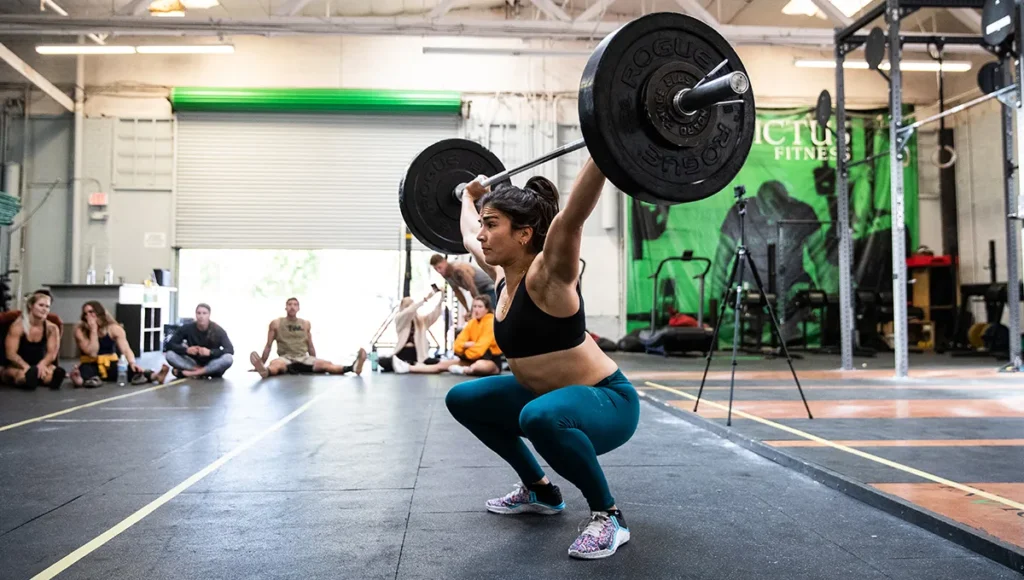
Squats are a cornerstone exercise in strength training, renowned for their comprehensive ability to build power and endurance in the lower body. This versatile exercise targets the quadriceps, hamstrings, and glutes, but it also engages the core and lower back, making it an essential movement for full-body fitness.
Variants of Squats
There are several variations of the squat that cater to different fitness levels and objectives:
- Bodyweight Squat: Ideal for beginners, focusing on form and technique.
- Weighted Squat: Incorporates equipment like barbells or dumbbells to increase resistance.
- Sumo Squat: A wider stance targets the inner thighs and glutes more intensely.
- One-legged Squat (Pistol Squat): A more advanced variation that challenges balance and individual leg strength.
Benefits of Squats
Squats primarily enhance strength in the three major muscle groups of the legs:
- Quadriceps: The main driving force in the extension of the knee.
- Hamstrings: Critical for bending the knee and extending the hip.
- Glutes: Key in hip extension, rotation, and stabilization.
These muscles are pivotal not only in athletic activities but also in everyday movements such as sitting, standing, and walking up stairs.
How to Perform a Basic Squat
- Starting Position: Stand with your feet shoulder-width apart, toes slightly pointed out. Keep your spine neutral, and your arms straight out in front for balance or crossed over your chest.
- The Descent: Initiate the movement by hinging at the hips and bending the knees. Imagine you are sitting back into a chair, keeping the chest up and the back straight. Ensure your knees do not bow inward and stay aligned with your toes.
- The Ascent: Drive through your heels, extending your hips and knees to return to the starting position. Engage your core throughout the movement for stability.
Tips for Increasing Intensity
To accelerate strength gains and add challenge to the squat:
- Add Weight: Use dumbbells, a barbell, or a kettlebell to increase resistance.
- Vary Your Speed: Implement tempo changes such as explosive ascents or slow, controlled descents.
- Increase Range of Motion: Try squatting deeper than normal while maintaining proper form to intensify the workout.
- Incorporate One-legged Squats: Once you’re comfortable with basic squats, try pistol squats to engage more stabilizer muscles and challenge your balance.
By integrating these variations and intensity tips into your routine, you can significantly enhance leg strength and see quicker improvements in both your physical fitness and daily functional movements.
Exercise 2: Lunges
Lunges are a dynamic strength exercise that target multiple muscle groups in the legs and hips, making them a staple in many fitness routines. They not only build muscle but also improve balance, coordination, and flexibility.
Lunges can be performed in various forms, each targeting slightly different areas of the lower body.
Variations of Lunges
- Forward Lunges: This classic lunge involves stepping forward into a lunge position and then pushing back to the starting position. It primarily targets the quads.
- Reverse Lunges: By stepping backward into the lunge, this variation places more emphasis on the glutes and hamstrings.
- Side Lunges (Lateral Lunges): This involves stepping to the side instead of forward or backward, targeting the inner and outer thighs in addition to the glutes.
Muscle Group Engagement
Lunges are particularly effective because they work several muscle groups simultaneously:
Quadriceps: Engaged as you lower your body into the lunge and lift back to the starting position.
Hamstrings: Worked during the control of the downward motion and when returning to the standing position.
Glutes: Activated to stabilize and power you back to the start.
Core and Lower Back: Although secondary, these areas engage to maintain balance and posture throughout the exercise.
Proper Form for Lunges
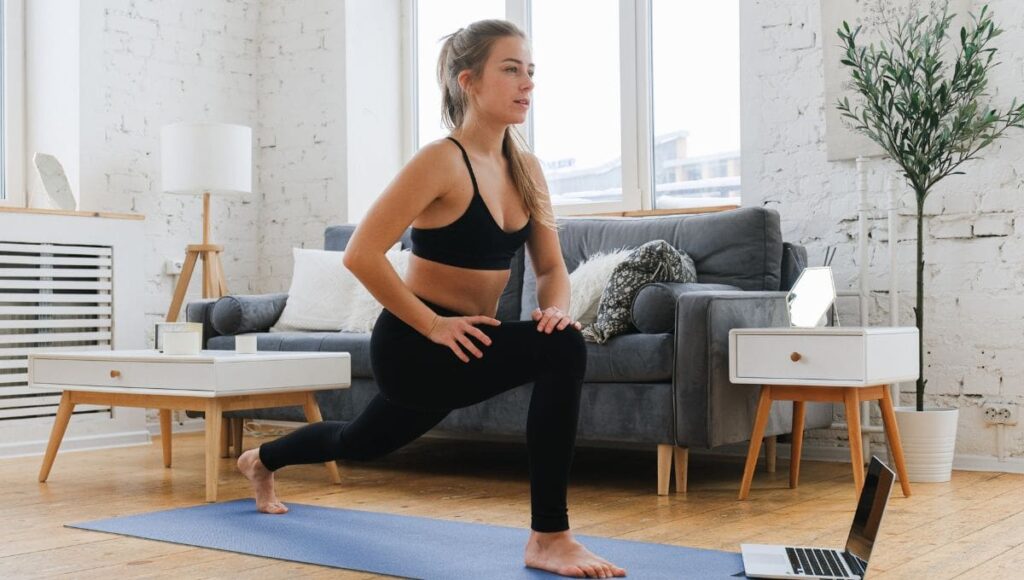
Starting Position: Stand upright with your feet together and hands on your hips for balance.
The Lunge: Step forward (or backward) with one leg, lowering your hips until both knees are bent at about a 90-degree angle. The back knee should hover just above the ground without resting on it, and the front knee should remain directly above the ankle, not pushed out over your toes.
Returning to Start: Push off with the front leg (for forward lunges) or the back leg (for reverse lunges), using the heel primarily to return to the initial position.
Avoiding Injury
- Keep your upper body straight, with your shoulders back and relaxed.
- Engage your core throughout the movement to protect your lower back.
- Avoid letting the knee of the forward leg extend beyond your toes as you lunge.
Progression and Variation
To increase the difficulty or add variety to your lunge routine:
Add Weight: Hold dumbbells at your sides or a barbell across your upper back to increase resistance.
Walking Lunges: Perform consecutive lunges forward across a distance, turning around and lunging back.
Jump Lunges: Introduce a plyometric element by jumping to switch legs between lunges, increasing cardiovascular intensity and power.
Elevated Lunges: Place the front foot or the rear foot on a raised platform to deepen the lunge and further challenge your balance and strength.
By incorporating these tips and variations into your lunge exercises, you can effectively enhance leg strength and ensure ongoing progress and challenge in your workout routine.
Exercise 3: Deadlifts
Deadlifts are a powerful compound exercise that engages multiple muscle groups across the body, with a primary focus on the posterior chain (the backside of the body).
Recognized for their effectiveness in building strength and improving functional fitness, deadlifts are a fundamental movement in weightlifting, bodybuilding, and general fitness.
Importance of Deadlifts in Strength Training
The deadlift is crucial for developing core stability, total body strength, and improving athletic performance. It teaches the body to move safely and efficiently when lifting heavy objects by engaging the correct muscles in the legs, core, and back.
Benefits of Deadlifts
Lower Back: Strengthens the muscles surrounding the spine, improving posture and reducing the risk of back injuries.
Glutes: Majorly targets the gluteal muscles, essential for power movements in sports and everyday activities.
Hamstrings: Develops hamstring strength, crucial for explosive actions like jumping and sprinting.
How to Perform Deadlifts
Conventional Deadlift:
- Setup: Stand with your feet hip-width apart, toes pointing forward. Position the barbell so that it is centered over your feet.
- Grip: Bend at the hips and knees to reach the bar. Grip it with hands shoulder-width apart, palms facing you or one palm facing you and one facing away for a mixed grip.
- Lift: Keep your back flat and lift the bar by pushing the floor away with your heels, extending your hips and knees simultaneously. Engage your core throughout the lift.
- Ascent: As the bar passes the knees, push the hips forward to stand up straight. Keep the bar close to your body to maximize mechanical leverage.
- Descent: Lower the bar to the ground by bending at the hips first, then the knees, carefully controlling the weight.
Sumo Deadlift:
- Setup: Stand with your feet wider than hip-width apart, toes pointing outwards. This stance mimics a sumo wrestler’s stance, hence the name.
- Grip and Lift: The grip is narrower than in the conventional deadlift, typically inside the legs. The rest of the movement is similar, emphasizing the use of the glutes and hamstrings to lift the bar.
Safety Precautions and Common Mistakes
- Keep the Spine Neutral: Avoid rounding or hyperextending the back, as this can lead to injuries.
- Do Not Jerk the Bar: Lift smoothly to keep control and prevent sudden strains.
- Lock Your Hips and Knees Simultaneously: Ensure that your entire body is aligned and tight as you reach the top of the movement.
- Avoid Overloading Too Soon: Start with a manageable weight to master the technique before adding more weight.
Deadlifts are a versatile and effective exercise that can significantly enhance lower body strength and stability. By practicing proper form and gradually increasing intensity, you can safely incorporate deadlifts into your strength training routine for comprehensive fitness benefits.
Additional Tips for Faster Results
To maximize the effectiveness of your leg workouts and see rapid improvements in strength and endurance, there are several key areas to focus on beyond just performing exercises.
Consistency in training, proper nutrition, and adequate rest and recovery are crucial components that can significantly enhance your results.
Consistency and Frequency in Leg Workouts
Routine Development: Aim to include leg workouts in your routine at least 2-3 times per week. Consistency is key for muscle growth and strength development.
Progressive Overload: Gradually increase the weight, number of repetitions, or intensity of your exercises. This method ensures continuous improvement by consistently challenging your muscles.
Variety: Incorporate different exercises, such as squats, lunges, and deadlifts, to target the legs from multiple angles and prevent plateaus.
Nutritional Tips to Support Muscle Growth and Recovery
- Protein Intake: Consume adequate protein to aid in muscle repair and growth. Aim for about 1.2 to 2.0 grams of protein per kilogram of body weight per day, distributed across meals.
- Carbohydrates: Include a healthy portion of carbohydrates in your diet to replenish muscle glycogen stores, which are depleted during workouts. This helps in recovery and provides energy for your next workout.
- Hydration: Stay hydrated to ensure optimal performance during workouts and adequate recovery afterward. Water is essential for transporting nutrients to the muscles and removing waste products.
- Timing: Consider the timing of your meals for optimal performance and recovery. Eating a combination of protein and carbohydrates before and after workouts can enhance muscle protein synthesis and aid recovery.
The Role of Rest and Recovery in Gaining Strength
Adequate Sleep: Aim for 7-9 hours of quality sleep per night. Sleep is crucial for muscle recovery and growth as most healing and rebuilding occur during this time.
Active Recovery: Incorporate light activity on rest days, such as walking or yoga, to promote circulation and muscle healing without excessive strain.
Rest Days: Schedule regular rest days to allow muscles to recover fully. Overtraining can lead to injuries and setbacks in your progress.

By integrating these practices into your fitness regimen, you can not only see quicker improvements in leg strength but also enhance your overall health and athletic performance. Remember, achieving faster results requires a balanced approach that includes diligent training, informed nutritional choices, and proper rest and recovery strategies.
Conclusion
In this article, we’ve explored three foundational exercises that are essential for building stronger legs quickly: squats, lunges, and deadlifts. Each exercise targets key muscle groups in the legs, such as the quadriceps, hamstrings, and glutes, and offers various benefits from improved muscle tone and strength to enhanced stability and balance.
- Squats are versatile and can be adapted in many ways to increase intensity or focus on different aspects of leg strength.
- Lunges provide a dynamic challenge, improving not only muscle strength but also coordination and flexibility across multiple planes of movement.
- Deadlifts are crucial for developing a strong posterior chain, vital for overall body strength and functional movements.
By consistently incorporating these exercises into your fitness regimen, you can achieve significant gains in leg strength and overall fitness. Remember to vary your workouts, gradually increase the challenge, and maintain a focus on proper form to maximize effectiveness and minimize the risk of injury.
For those new to these exercises or looking to refine their technique, consulting with a fitness professional can be invaluable. A trained instructor can ensure that you are performing each movement correctly and can tailor your workout program to your specific needs and goals. This personalized guidance can help you safely achieve optimal results and make the most of your fitness journey.
Start integrating these powerful exercises into your routine today, and you’ll soon experience the numerous benefits they have to offer. Whether you’re aiming to enhance athletic performance or simply improve daily functional abilities, stronger legs are a fundamental step towards a healthier, more active lifestyle.