Pull-ups are a fundamental exercise for building a strong, muscular upper body. They target the back, shoulders, arms, and even engage the core, making them an essential part of any fitness routine.
However, not all pull-ups are created equal. To maximize your gains and achieve that jacked, great-looking upper body, you need to focus on three specific types of pull-ups: the traditional pull-up, the chin-up, and the wide-grip pull-up.


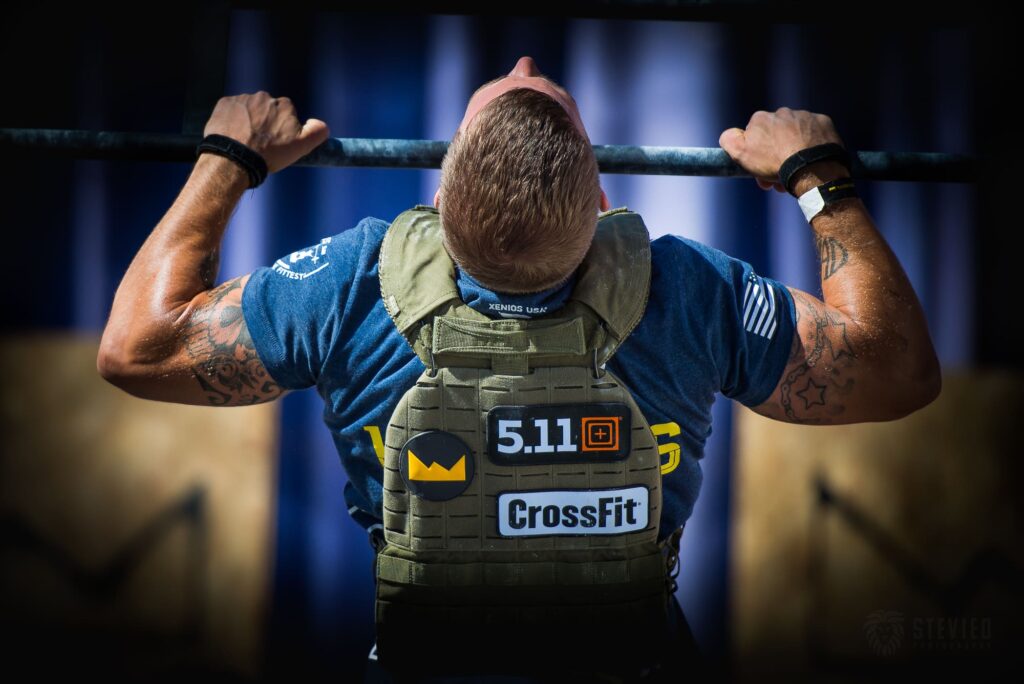
Each variation emphasizes different muscle groups and contributes uniquely to your overall physique.
1. Traditional Pull-Up
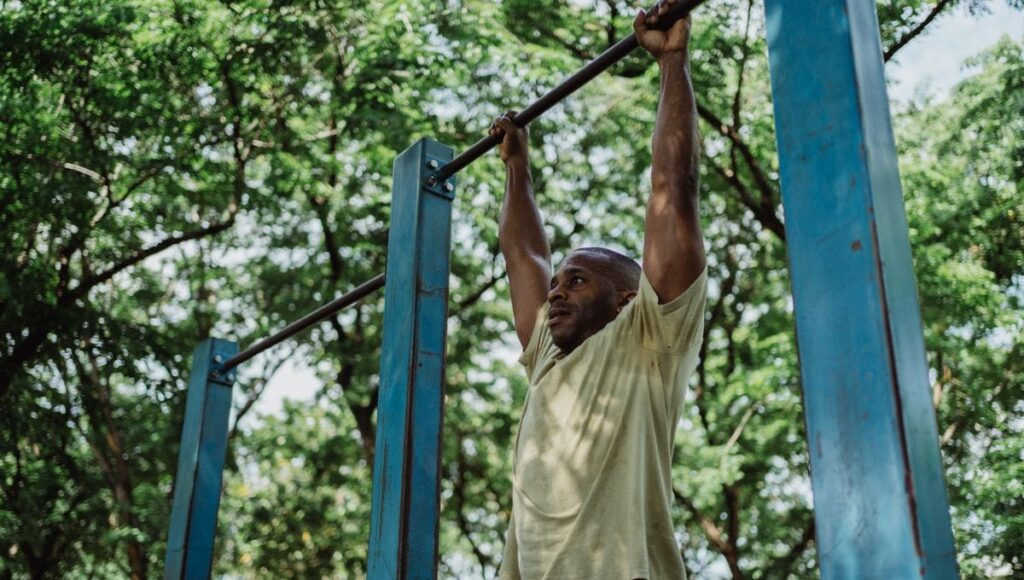
The traditional pull-up, also known simply as the pull-up, involves grasping a bar with an overhand grip (palms facing away from you) and pulling your body up until your chin is above the bar. Your hands should be shoulder-width apart.
Muscles Worked
- Latissimus Dorsi: The primary muscle worked, crucial for that V-shaped back.
- Biceps: Secondary engagement, providing arm strength.
- Rhomboids and Trapezius: Stabilize the shoulder blades and support upper back strength.
- Core Muscles: Engaged to maintain body stability and control.
Benefits
The traditional pull-up is a comprehensive upper body workout that primarily targets the back muscles. It helps in developing width and strength in the back, contributing to the much-desired V-taper look. This variation also significantly engages the biceps and forearms, enhancing arm definition and strength.
How to Perform
- Grip the Bar: Hang from a bar with an overhand grip, hands shoulder-width apart.
- Engage Your Core: Tighten your core to stabilize your body.
- Pull Up: Drive your elbows down towards your ribs and pull your chin above the bar.
- Lower Down: Control your descent until your arms are fully extended.
Tips
Avoid swinging or using momentum.
Keep your body straight throughout the movement.
Focus on a full range of motion for maximum muscle engagement.
2. Chin-Up
The chin-up is performed with an underhand grip (palms facing towards you) and hands shoulder-width apart. This variation shifts more emphasis onto the biceps and the lower part of the lats.
Muscles Worked
- Biceps: The primary muscle worked, leading to increased arm size and strength.
- Latissimus Dorsi: Engaged, but slightly less than in the traditional pull-up.
- Pectorals: Secondary engagement, particularly in the lower chest.
- Core Muscles: Stabilized throughout the exercise.
Benefits
Chin-ups are exceptional for building bicep strength and size due to the underhand grip, which places more load on these muscles.
They also target the lower lats, helping in developing a more balanced and thicker back. Additionally, chin-ups contribute to overall upper body strength and endurance.
How to Perform
- Grip the Bar: Hang from a bar with an underhand grip, hands shoulder-width apart.
- Engage Your Core: Tighten your core for stability.
- Pull Up: Pull your body up until your chin clears the bar, focusing on squeezing your biceps.
- Lower Down: Control the descent until your arms are fully extended.
Tips
Keep your elbows close to your body during the movement.
Avoid using your legs for momentum.
Ensure a full range of motion for optimal muscle activation.
3. Wide-Grip Pull-Up
The wide-grip pull-up involves grasping the bar with an overhand grip, but with your hands placed wider than shoulder-width apart. This variation puts more emphasis on the upper back and the shoulders.
Muscles Worked
- Latissimus Dorsi: The upper portions are highly activated.
- Trapezius and Rhomboids: Contribute significantly to the movement.
- Teres Major: A small muscle of the upper back that aids in the wide-grip pull.
- Rear Deltoids: Engaged due to the wide grip, adding to shoulder definition.
Benefits
Wide-grip pull-ups are excellent for broadening the back, giving it a more pronounced and imposing appearance.
This variation also enhances shoulder strength and stability, which is beneficial for overall upper body functionality and aesthetics.
How to Perform
- Grip the Bar: Hang from a bar with an overhand grip, hands wider than shoulder-width apart.
- Engage Your Core: Tighten your core muscles.
- Pull Up: Drive your elbows down and back, lifting your chin above the bar.
- Lower Down: Slowly lower your body until your arms are fully extended.
Tips
Keep your chest lifted to maximize upper back engagement.
Avoid excessive swinging or kipping.
Use a full range of motion to ensure proper muscle activation.
Integrating These Pull-Ups into Your Routine
To see significant results, aim to incorporate these pull-up variations into your routine 2-3 times per week. Start with 3-4 sets of 6-10 repetitions for each variation, adjusting based on your current strength level and progressively increasing the volume as you get stronger.
Progressions and Modifications
Assisted Pull-Ups: Use resistance bands or an assisted pull-up machine if you are unable to perform unassisted pull-ups initially.
Weighted Pull-Ups: Once you can perform 10-12 unassisted pull-ups comfortably, add weight using a dip belt to increase the challenge.
Negative Pull-Ups: Focus on the eccentric (lowering) phase by jumping or stepping up to the bar and slowly lowering yourself down.
Complementary Exercises
Incorporate complementary exercises to further enhance your pull-up performance and upper body development:
- Rows: Barbell, dumbbell, or cable rows to strengthen the back and biceps.
- Lat Pulldowns: For additional lat engagement, especially if you struggle with pull-ups.
- Bicep Curls: To build additional bicep strength and size, aiding in pull-up performance.
- Core Exercises: Planks, hanging leg raises, and Russian twists to enhance core stability.
Conclusion
Mastering the traditional pull-up, chin-up, and wide-grip pull-up is crucial for developing a jacked and great-looking upper body.
Each variation targets different muscle groups and provides unique benefits, contributing to a well-rounded and impressive physique.
By integrating these exercises into your routine and progressively challenging yourself, you’ll build the strength, size, and definition you desire in your upper body. Remember to maintain proper form, focus on a full range of motion, and complement your pull-up training with other exercises for optimal results.