Gut health is much more important than people usually think, as everything starts from the intestines. Gastric imbalance can cause a variety of things, from hormonal disbalance to organ failure. But let’s see the role of gut health in weight loss and fitness!
How Gut Health Affects Weight Loss?
Gut health influences various aspects of metabolism, appetite regulation, and fat storage. Let’s see how!


Microbiome Composition
The gut microbiome is a complex community composed of trillions of microorganisms—bacteria, viruses, fungi, and other microbes. It inhabits the digestive tract, mostly the intestines, and has a profound impact on how the body processes and stores fat.

The gut microbiome has a huge influence on appetite regulation. Gut bacteria impact the production of hormones ghrelin (hunger hormone) and leptin (satiety hormone). A balanced gut microbiome will help maintain proper hormone levels, decrease overeating, and encourage weight loss.
Gut bacteria also produce neurotransmitters, serotonin and dopamine, which regulate mood, appetite, and cravings. An imbalance in the gut microbiome can be a starting point of chronic low-grade inflammation, which is connected with obesity and metabolic disorders. The inflammation can disrupt hormonal signaling pathways related to fat metabolism.
In this case, fats are stored in adipose tissue, which contributes to weight gain. There are several types of gut bacteria that boost weight loss and improve metabolic health:
- Akkermansia Muciniphila – reduces inflammation, improves insulin sensitivity, and decreases fat mass. Thus, it lowers the risk of obesity and related metabolic issues. A higher ratio of bacteria is linked to a leaner body composition and better metabolic health.
- Bacteroidetes – are more abundant in the gut microbiomes of lean compared to obese individuals. They ferment dietary fiber and produce short-chain fatty acids which benefit metabolism and weight regulation.
- Faecalibacterium prausnitzii – higher bacteria levels reduce inflammation and enhance metabolic health. Individuals will have lower body weight and better weight loss outcomes.
- Christensenellaceae – have a correlation with better wight loss outcomes. Larger quantities of bacteria boost leanness and lower body mass index.
Metabolism Regulation
Beneficial gut bacteria produce short-chain fatty acids like butyrate, propionate, and acetate during the fermentation of dietary fibers. They play a key role in regulating metabolism, enhancing fat oxidation, and boosting insulin sensitivity, all of which support weight loss.
Butyrate raises insulin sensitivity and energy waste, while propionate inhibits cholesterol synthesis and glucose production. These short-chain fatty acids stimulate the release of gut hormones that promote satiety, reduce appetite, and regulate blood glucose.
A healthy gut microbiome props up the integrity of the gut lining, stopping harmful substances from entering the bloodstream. Otherwise, this would trigger inflammations, which lead to insulin resistance, obesity, and metabolic syndrome. Gut bacteria also modify bile acids, crucial for fat digestion and absorption, by boosting energy expenditure and lipid metabolism.
Appetite and Cravings
As said above, the gut flora and hormones of hunger and satiety are inseparable. The production of the hunger hormone, ghrelin, happens primarily in the stomach. Its levels skyrocket before meals to stimulate appetite and drop after eating.
Certain bacteria modulate ghrelin quantity:
- Lactobacillus Species – supplementatation with Lactibacullus reuteri reduces ghrelin levels, resulting in appetite reduction and satiety promotion. Lactobacillus casei affects the expression of the hormone leading to better appetite control.
- Bifidobacterium Species – Bifidobacterium longum modulates ghrelin soothing feelings of hunger, while Bifidobacterium infantis influences gut-brain pathway reducing ghrelin secretion.
Adipose tissue produces leptin and sends signals of satiety to the brain. This aids in balancing energy levels by inhibiting hunger. Of course, gut bacteria influence leptin sensitivity, as gut inflammations lead to resistance.
Let’s talk about the gut-brain pathway a tad more. These two communicate bidirectionally through the vagus nerve. On one side, gut bacteria produce signals and transmit them to the other side – the brain.
The brain receives the cue that the body is hungry, and you start craving food. The same mechanism works for the feeling of satiety. After eating, your brain gets the hint that you are full and boosts leptin secretion.
Inflammation
As sharply mentioned above, gut inflammations actually inhibit weight loss processes, but let’s see how! Chronic inflammations lead to increased intestinal permeability, aka “leaky gut.” This condition is not harmless at all, as the intestine allows the passage of damaging substances like toxins and bacteria right into the bloodstream.
It triggers inflammatory responses, which disrupt the balance of the gut microbiome, resulting in a decrease in beneficial bacteria and an overgrowth of pathogenic ones. This disbalance violates proper hunger and satiety signals, as the number of Lactobacillus and Bifidobacterium significantly lowers.
They are crucial for maintaining gut health and proper digestion, but unfortunately, pathogenic bacteria that thrive in inflammatory environments outcompete them. Inflammations lead to the release of pro-inflammatory cytokines that interfere with insulin signalization.
This causes insulin resistance, which leads to high blood sugar levels and increased fat storage, making it difficult to lose weight. The next one is leptin resistance.
Leptin resistance means that the brain will become less responsive to gut signals, resulting in increased hunger and appetite. This makes you feel hungry, even though you eat large quantities of food.
How Does Gut Health Affect Physical Activity?
Gut health influences energy metabolism and overall well-being, so any issue reflects on hold-up physical activity.
Energy Metabolism
The short-chain fatty acids that beneficial gut bacteria produce, serve as energy founts for the body. They secure regular glucose and lipid metabolism, providing sustained energy levels crucial for physical activity. Only healthy gut microbiome absorb nutrients – carbs, proteins, fats, vitamins, and minerals properly.

After-Work-Out Recovery
A gut microbiome without inflammation is responsible for fast recovery times and diminished muscle soreness after exercise. A balanced microbiome goes hand in hand with a robust immune system, as they work together to prevent infections and ilnesses that can disrupt regular physical activity.
Muscle Health
Gut bacteria back up the digestion and absorption of proteins, more precisely, amino acids. This process is the key for muscle repair and growth—vital for maintaining and improving physical performance. Also, a healthy gut boosts mitochondrial function, which leads to improved cellular energy production and longer endurance during physical activity.
Mood and Motivation
A significant portion of serotonin (a mood-regulating neurotransmitter) originates in the gut. The gut communicates with the brain, maintaining positive mental health, increasing motivation, and reducing anxiety and depression. The proper stress response positively impacts physical activity levels.
Energy Levels
As said above, healthy gut microbiota enhances insulin sensitivity. When speaking in the context of energy levels, this prevents energy crashes and stimulates sustained energy throughout the day, making it simpler to engage in physical activity.
Digestive Comfort
A balanced microbiota reduces gastrointestinal problems – bloating, gas, and diarrhea. Digestive comfort grants more consistent and enjoyable exercise routines.
How to Improve Gut Health?
Maintaining healthy gut flora or improving overall gut health isn’t tricky in the slightest! Balanced and diverse diet is the key, including some ingredients that boost the gastrointestinal comfort!
Fiber Intake
Incorporate a range of fiber-rich foods in your diet – fruits, vegetables, nuts, seeds, legumes, and whole grains, because they feed beneficial gut bacteria, promoting their growth and activity. Aim for soluble and insoluble fiber blends. You will find the first ones in oats, apples, and beans and the second ones in whole grains, nuts, and veggies.
Consume Prebiotics
Eat food abundant in prebiotics! Prebiotics are non-digestible fibers that prompt the growth of needed bacteria. Go for garlic, onions, leeks, asparagus, bananas, and artichokes.
Add Probiotics
Fermented foods like yogurt, kefir, sauerkraut, kimchi, miso, tempeh, and kombucha are packed with live beneficial bacteria. They enhance gut flora diversity. Prebiotic supplements are also amazing, especially if you take some antibiotics or other medicaments.
Search for supplements that contain a variety of bacterial strains and a high colony-forming unit count.
Eat a Diverse Diet
Only a diverse diet, rich in all macro and micronutrients, will yield good results, as it promotes a diverse microbiota. Different foods provide different nutrients and types of fiber specific for that kind of food only.
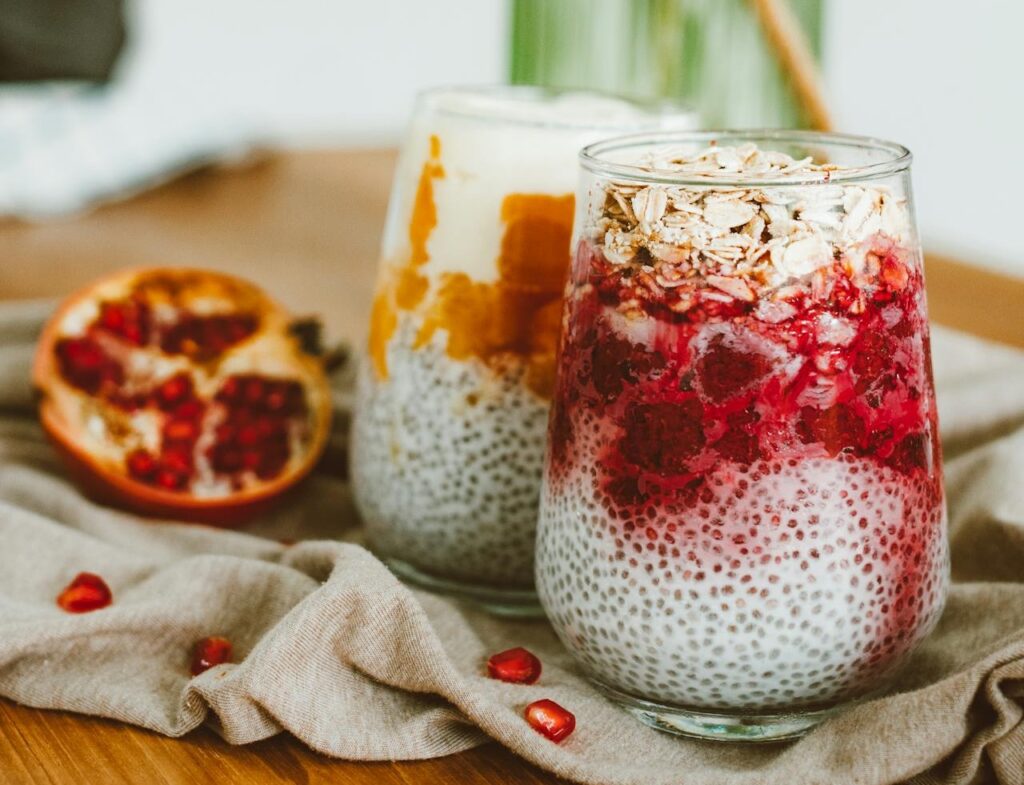
Also, enrich your diet with sources of omega-3 fatty acids—fatty fish, flaxseeds, walnuts, and chia seeds. These are proven to have anti-inflammatory properties and keep the gut healthy. Just note that flaxseeds are beneficial only when ground, preferably freshly, while chia seeds need soaking in some kind of liquid to swell up.
Limit Processed Foods
By minimizing an intake of processed foods, artificial sweeteners, and high-sugar foods, you support the growth of various beneficial bacteria. Otherwise, a diet packed with innutritious foods will promote inflammations and negatively affect gut flora.

Stay Hydrated
You need plenty of water throughout the day to support digestion. Water is crucial in sustaining the mucosal lining of the intestines, the place where gut microbiota blooms. Try to go through at least 2 liters of water or unsweetened tea.
Avoid Unnecessary Medications
It is common to reach out for an antibiotic or a pill every time something hurts, but try to reduce it maximally. Use antibiotics only, AND ONLY, when prescribed by a healthcare professional. Antibiotics actually disrupt the gut flora by killing both harmful and good bacteria. That’s the reason why taking probiotics along is important.
Avoid Smoking and Alcohol
Smoking and alcohol, particularly excessive consumption, disrupt gut microbiome balance and overall digestive health.