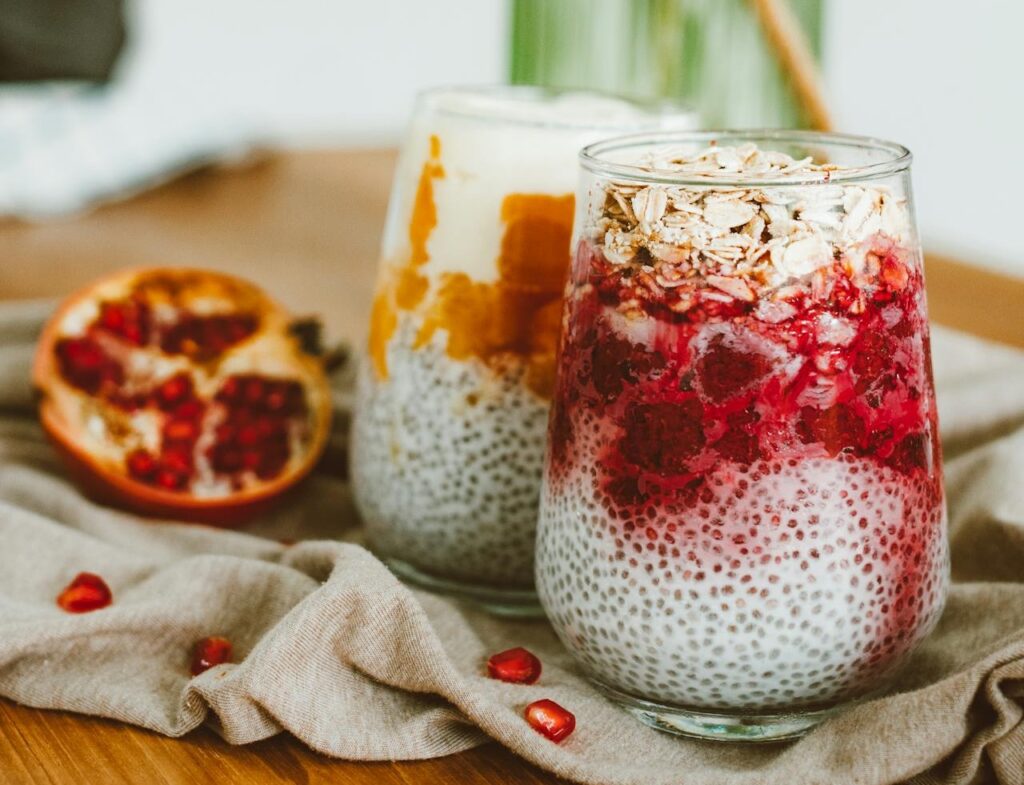
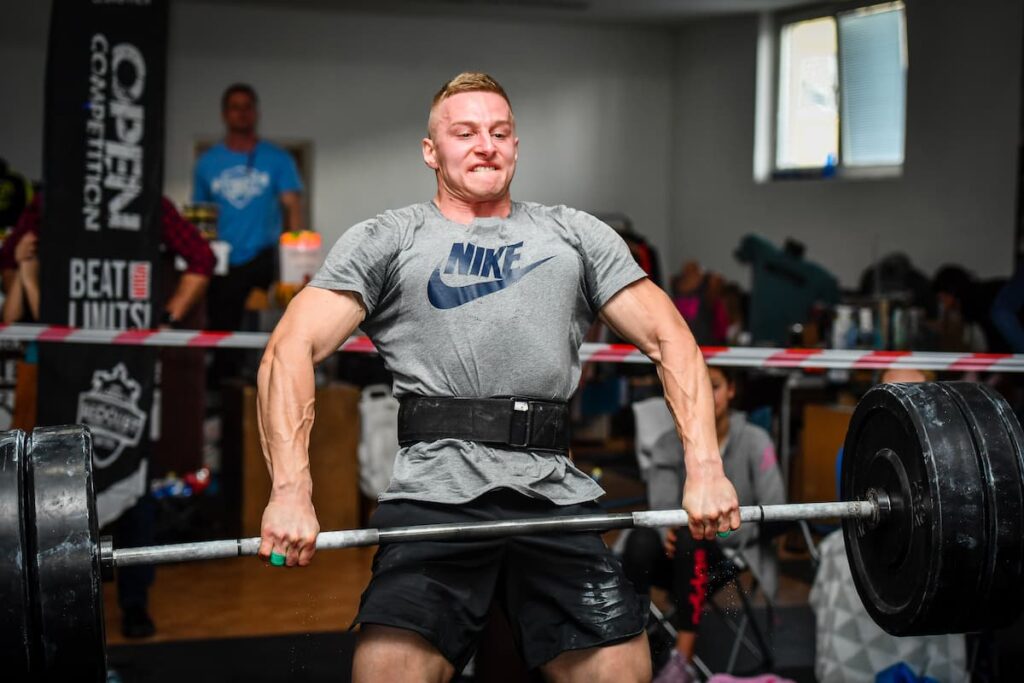
After pushing your body to its limits during a workout, what you consume after is more important than you think. You are not eating only because of hunger; you are eating for recovery. Here are the best ideas on what to consume post-workout!
What Does Your Body Need After a Workout for Recovery?
Succeeding a workout, your body needs nutrients to repair muscles and refill glycogen stores. Here are all the nutrients you need to concentrate on:


Proteins
Consuming protein after a workout is the key to muscle repair and swelling. Target around 20-30 grams of protein post-exercise within an hour or so. After a workout, your muscles undergo microscopic damage, but proteins’ building blocks—amino acids—are responsible for reparation and growth.

Consuming proteins after training sessions helps to facilitate this process, leading to more robust and more resilient muscles over time. At the same time, proteins are highly satiating, meaning they help you feel full after a meal. By including an adequate amount of proteins in your diet, you’re less likely to overeat or snack excessively after a workout.
This supports weight management efforts without making you hungry. Proteins are also a huge part of different metabolic processes—enzyme production, hormone regulation, and immune function. Enough protein after training will support overall metabolic health, regulate hormones, and maintain optimal bodily functions.
Last but not least, consuming protein post-workout replenishes glycogen stores, reduces muscle breakdown, and promotes muscle protein synthesis. This ensures faster recovery and better athletic performance the next time.
Carbohydrates
The body’s primary source of energy—carbohydrates —is pivotal for refilling glycogen stores depleted during training. Glycogen is a stored form of glucose in the muscles and liver, and you need it filled up before the next workout.

As said above, intense exercise causes micro-tears in muscle fibers, so the best approach is to consume carbs along with proteins. This is because carbohydrates boost the transportation of amino acids from protein. This synergistic effect of the duo skyrockets muscle recovery and adaptation.
By yielding a readily available energy source, carbs reduce muscle breakdown and restore vitality. This is super important during endurance activities or resistance training, where muscles are under significant stress.
Healthy Fats
While carbs and proteins are the main focus post-workout, healthy fats shouldn’t be overlooked either. Fats are essential for proper nutrient absorption, as many vitamins and minerals are fat-soluble. So, consuming them along with other nutrients after training will enhance the absorption of essential vitamins and minerals, increasing overall recovery.
Intense workouts can provoke inflammation in the body. To the rescue comes omega-3 fatty acids that have anti-inflammatory properties and promote faster recovery. After exercises that involve repetitive movements or heavily impact the joints, healthy fats are a saving grace.
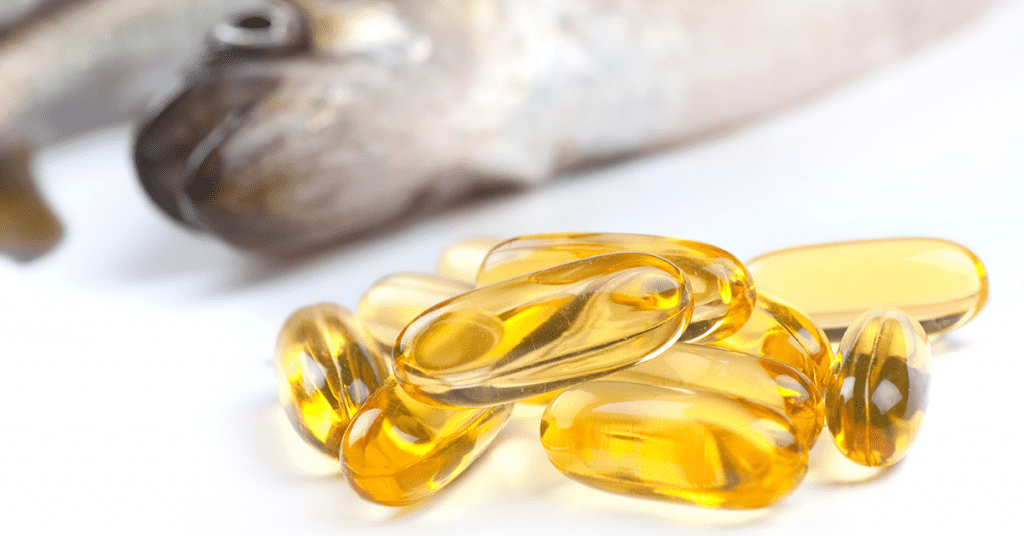
Some fats actually contain compounds that support joint health, which is beneficial after a workout. Hormones play a critical role in various physiological processes, including muscle repair, metabolism, and energy balance, while fats are required for hormone production and regulation. So, consuming healthy fats post-training aids hormonal balance, which is crucial for optimal recovery.
Healthy fats promote satiety and stabilize blood sugar levels, so they prevent energy crashes and excessive hunger, ensuring you feel satisfied and energized even after training. Being a major component of cell membranes, healthy fats aid in reparation and regeneration of tissues post-exercise.
In comparison with carbs, fats provide a longer-lasting source of energy during rest and low-intensity activities. This is just one more reason to include them in your post-workout meal.
Fluids
During exercise, especially intense or long sessions, the body loses fluids through sweat. Thus, hydration is key for recovery before, during, and after workouts to replace lost fluids. Sweat not only contains water but also electrolytes—sodium, potassium, calcium, and magnesium. These electrolytes are vital for muscle function, nerve signaling, and overall fluid balance, so replenishing them is the most important thing.
Dehydration leads to muscle cramps and prolonged fatigue, so rehydrating post-workout prevents these issues and ensures optimal function during recovery. Water is a transporting agent, as well. Your body needs nutrients like amino acids, glucose, and electrolytes delivered to cells, so proper hydration is the chief ingredient for nutrient refill.

Training skyrockets body temperature, and sweating is the natural way an organism cools down. Rehydration soothes the body’s temperature and prevents overheating. It supports detoxification, too, by filtering and removing metabolic byproducts and toxins generated during exercise.
Micronutrients
Vitamins and minerals play various roles in recovery and overall health. Here is the list of the most important ones for this cause:
- vitamin C – works as an antioxidant and soothes oxidative stress and inflammation triggered by intense exercise
- vitamin D – boosts muscle function and acts as an anti-inflammatory
- vitamin B – supports muscle repair and boosts protein metabolism
- calcium – helps to repair and strengthen the bones post-exercise
- magnesium – reduces muscle cramps and soreness
- potassium – prevents muscle cramps and boosts recovery
- iron – responsible for efficient oxygen delivery to muscles during recovery
- zinc – aids muscle recovery and growth
- sodium – maintains fluid balance and muscle contractions
- phosphorus – helps with muscle contractions
Food for Faster Recovery After Workout
Here are the best ingredients to incorporate into your post-workout meal:
Protein-Rich Foods
- Chicken breast – aids muscle repair because it is rich in lean proteins. It is also abundant in vitamin B and selenium.
- Greek yogurt – contains high-quality protein and calcium. It is beneficial for gut health and digestion as it is packed with probiotics.
- Eggs – help muscle repair and growth because they contain all essential amino acids
- Fish – reduces inflammation due to omega-3 fatty acids and lean proteins
- Tofu and tempeh – are excellent plant-based proteins, also rich in iron and calcium
- Protein shakes – are convenient protein sources, especially for quick consumption after an exercise. They can be tailored to individual protein needs.
Carbohydrate-Rich Foods
- Quinoa – complex carb, low calorie, low glycemic index, packed with fiber, and sweet potatoes are lavish in complex carbs, as well as vitamins A and C. Good for refilling glycogen stores and sustaining energy.
- Oats – rich in fiber and complex carbohydrates. They stabilize blood sugar levels and provide long-lasting energy after training.
- Brown rice – provides energy and refills glycogen stores due to the complex carbs, fiber, magnesium, and B vitamins in its content.
- Fruit – provides quick-digesting carbs and essential vitamins. Go for bananas, berries, or apples to replenish your glycogen stores.
Healthy Fats
- Avocados – packed with monosaturated fats that support joints and heart health, plus reduce inflammation
- Seeds and nuts – are filled with essential fatty acids, protein, fiber, and minerals, especially magnesium and zinc. Almonds, chia, and flaxseeds are the best
- Olive oil – lavish in monounsaturated fats and antioxidants, which support cardiovascular health and soothe inflammation
- Fatty fish – is packed with omega-3s, so they act as anti-inflammatory
Hydratation and Electrolytes
- Water – essential for rehydration
- Coconut water – a natural fount of electrolytes, including potassium and magnesium
- Sports drinks – useful for electrolyte refills after intense and prolonged workouts. They provide quick-digesting carbs as well.
- Herbal teas – provide hydration and antioxidants without added sugars. Peppermint and Ginger tea reduce inflammations and boost digestion.
Meal Ideas for Muscle Recovery
Here are some concrete ideas to whip up a perfect after-workout meal:
Smoothies
A post-workout smoothie is a superb way to quickly refill nutrients, hydrate, and aid in muscle recovery. Here are some combinations you should test out:
- Classic: unsweetened plant-based milk + protein powder + banana + berries + almond butter + chia seeds + spinach
- Green Recovery: unsweetened plant-based milk + vanilla protein powder + avocado + apple + spinach + chia seeds
- Tropical Protein: coconut water+ protein powder + pineapple + mango +flaxseeds + Greek yogurt
- Berry Beet: unsweetened plant-based milk + protein powder + beet + berries + almond butter
- Chocolate Banana: unsweetened plant-based milk + chocolate protein powder + banana + peanut butter + cocoa powder + chia seeds
- Strawberry Oatmeal: unsweetened plant-based milk + vanilla protein powder + strawberries + oats + flaxseeds + Greek yogurt
Protein Scramble
Whisk eggs with diced spinach, bell pepper, and onion. Serve them with avocado and whole-grain toast. This is a perfectly balanced meal – high-quality protein, healthy fats, complex carbs, fiber, and micronutrients.
Greek Yogurt Parfait
Fuse Greek yogurt with mixed berries, granola, chia seeds, and a drizzle of honey. It is packed with protein, antioxidants, complex carbohydrates, and omega-3 fatty acids.

Oatmeal with Nut Butter
Merry-cooked oats, almond butter, sliced banana, a sprinkle of cinnamon, and some flaxseeds. You will get complex carbs, healthy fats, proteins, and micronutrients, especially potassium, from bananas.
Grilled Chicken, Quinoa, and Veggies
Combine grilled chicken breast, cooked quinoa, greens (lettuce, arugula, cabbage), cherry tomatoes, and diced cucumber. Make an olive oil and vinaigrette-based dressing. This is a nutritive bomb packed with proteins, complex carbs, vitamins, and minerals.
Salmon with Sweet Potatoes and Curciformes
Bake some salmon fillet on the baking sheet with sweet potato. Pair it with steamed broccoli and cauliflower. This is a top-notch combination of protein, omega-3 fatty acids, complex carbs, fiber, vitamins, and antioxidants.
Protein Wrap
Wrap turkey breasts, avocado, hummus, shredded lettuce, and carrots into whole-grain tortilla. This is amazing protein source, plus abundant in healthy fats, and complex carbs.
Beef Stir-Fry with Brown Rice
Combine lean beef strips, cooked brown rice, and a mix of stir-fried veggies (bell peppers, snap peas, broccoli). Make dressing with soy sauce and sesame oil for a special kick. In this bowl, you will get protein, complex carbs, fiber, vitamins, and iron.
Chicken Veggie Pasta
Mix grilled chicken, whole-grain pasta, marinara sauce, sautéed zucchini, and Parmesan cheese. This meal is packed with proteins, complex carbs, vitamins, and fiber.