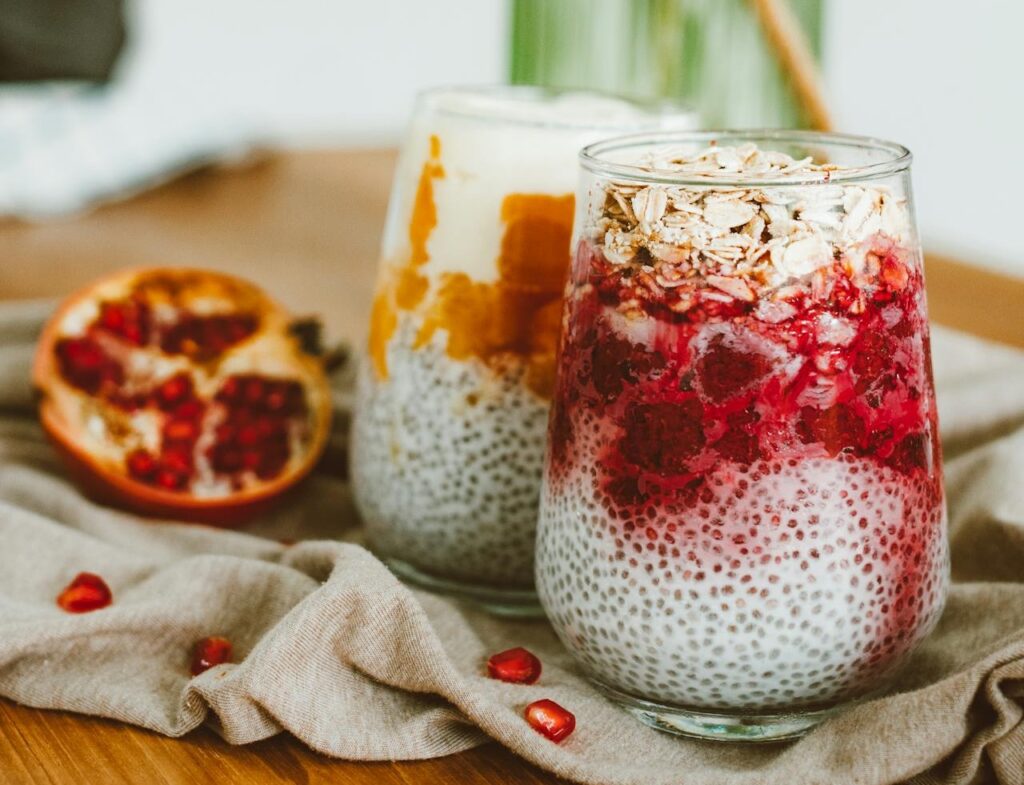
Inflammation is a complex biological response of the body to harmful contents, like pathogens and damaged cells. It’s a crucial part of the body’s immune response. However, chronic inflammation can lead to various diseases and health issues, especially as we age. This article will delve into the mechanisms of inflammation, the role of diet and lifestyle in managing it, and 6 proven strategies to mitigate inflammation as we grow older.
The information for this page is largely based on a video shared by Thomas DeLauer, a celebrity trainer and health author. His YouTube Channel has more than 3.5 million subscribers and he has been on the cover of numerous international magazines.


So let’s dig deeper into the 6 best ways to lower body inflammation according to DeLauer.
What Is Inflammation, Exactly?
Inflammation is the body’s natural defence mechanism against injuries and infections. When the body detects something harmful, it releases chemicals that trigger an inflammatory response. This response involves increased blood flow to the affected area, which causes redness, heat, swelling, and pain.
Acute inflammation is a short-term process that usually resolves once the body has dealt with the problem. However, chronic inflammation persists over a longer period and can contribute to various diseases, including heart disease, diabetes, and arthritis.

The Role of Diet in Inflammation
While it’s true that certain foods can have anti-inflammatory properties, it’s important to understand that diet alone cannot completely eliminate inflammation. Anti-inflammatory foods like berries, fatty fish, and leafy greens can help reduce inflammation, but they do not address all aspects of the inflammatory process.
It’s a misconception that simply adding a few anti-inflammatory foods to your diet will completely resolve inflammation.
Causes of Chronic Inflammation
As we age, our bodies undergo various changes that can lead to chronic inflammation. These include:
- Mitochondrial Stress: Over time, stress, poor diet, and lack of exercise can lead to mitochondrial dysfunction. Mitochondria are the powerhouses of our cells, and their impairment can lead to the release of damage-associated molecular patterns (DAMPs) into the bloodstream, triggering an immune response.
- DNA Damage: Accumulated damage to DNA over the years can also contribute to chronic inflammation.
- Oxidative Stress: This occurs when there’s an imbalance between free radicals and antioxidants in the body, leading to cell and tissue damage.
6 Best Ways to Lower Body Inflammation
To effectively manage and reduce chronic inflammation, it’s essential to adopt a strategy that includes diet, lifestyle changes, and targeted interventions.
Below you will see Thomas DeLauer’s 6 best ways to lower body inflammation!
1. Caloric Restriction and Fasting
Reducing caloric intake and practicing intermittent fasting can significantly decrease inflammation. These practices promote autophagy, specifically mitophagy, where the body cleans out damaged mitochondria, reducing the number of dysfunctional mitochondria and thereby decreasing the release of inflammatory particles into the bloodstream. As Thomas DeLauer explains, “When you are already at a decent age where you have a higher level of inflammation, one of the best things you can do is decrease your caloric intake.”
2. Cold Exposure

Short bouts of cold exposure, such as taking cold showers or using cold plunges, can induce a hormetic stress response. This mild stress can make mitochondria more resilient and efficient, reducing inflammation. For older individuals, it’s recommended to start with brief exposures, around one to two minutes, to avoid overexertion. DeLauer highlights the importance of this practice: “Cold exposure is hugely important for recovery. It definitely works as far as a hormetic stress. I really think people take it too far if you’re younger go for two, three, four, five minutes you can push it but you have to listen to your body.”
3. Gut Health
Maintaining a healthy gut is crucial for managing inflammation. The gut barrier prevents harmful substances from entering the bloodstream and triggering an immune response. Consuming bone broth, collagen, protein, and avoiding harmful emulsifiers like polysorbate 20, 60, and 80 can help maintain gut integrity. Additionally, incorporating prebiotic and probiotic foods can support a healthy gut microbiome. DeLauer points out, “The big one was actually dysbiosis. Our gut leaks the most inflammatory particles, in most cases, the gut is probably the biggest cesspool of inflammatory particles.”
4. Vigorous Exercise

Engaging in high-intensity interval training (HIIT) can strengthen the mitochondria and reduce inflammation. Short bursts of vigorous exercise, such as sprints or high-intensity intervals on a bike, can be more beneficial than prolonged low-intensity cardio. This type of exercise is also easier on the joints and can be adjusted to individual fitness levels. “Vigorous exercise, low steady slow cardio has benefits namely like cardiovascular benefits, but when you look at the higher intensity exercise that’s where the real benefits come in,” says DeLauer.
5. Heat Exposure
Using saunas or hot baths can activate heat shock proteins, which help protect cells from stress and promote the repair of damaged proteins. This practice can enhance mitochondrial function and reduce inflammation. DeLauer emphasizes, “Immersion up to the chest or neck in just a hot tub has similar benefits to sitting in a sauna. When you see the benefits of sitting in a hot tub for 15 or 20 minutes and making it so that you’re activating those heat shock proteins, it’s worth every penny and it’s worth your time.”
6. Dietary Supplements
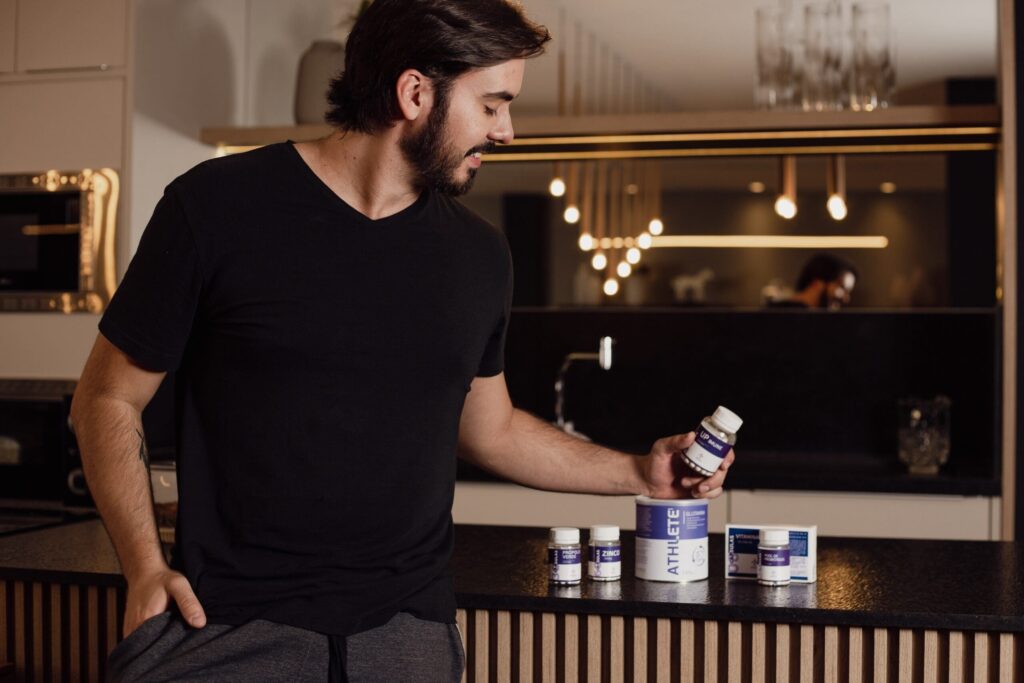
Certain dietary supplements, like pomegranate extract or urolithin A, have been shown to promote mitophagy and reduce inflammation. These supplements can be a valuable addition to a comprehensive anti-inflammatory regimen. According to DeLauer, “There is some interesting evidence behind eating pomegranates or consuming something called urolithin A in a supplement form. Literature suggests that pomegranates or the active component urolithin A actually triggers mitophagy and causes that mitochondria again to recycle.”
Managing inflammation, particularly as we age, requires a multifaceted approach. While diet plays a role, it is not a standalone solution. Incorporating practices like caloric restriction, cold and heat exposure, maintaining gut health, and engaging in vigorous exercise can effectively reduce chronic inflammation and improve overall health. By understanding and addressing the root causes of inflammation, we can enhance our quality of life and reduce the risk of inflammation-related diseases.
Read Also: 7 Foods That Cause Inflammation – Keep Away From These