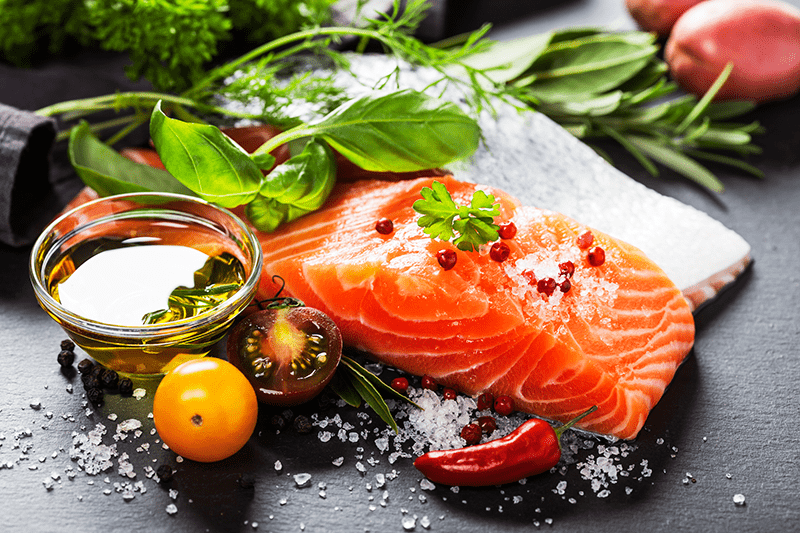
When someone begins the pursuit of a healthier lifestyle, it’s often the small, manageable changes that make the most significant impact. When it comes to diet, swapping certain foods for more nutritious alternatives can lead to substantial improvements in how you feel and function. These changes are not about labelling certain foods as “bad” but rather about choosing options that can give you more nutritional benefits and support your body’s needs more effectively.
The goal of these food swaps is to enhance your overall well-being, from boosting energy levels to improving gut health and aiding in weight management. By making simple yet powerful changes to your daily diet, you can experience significant benefits without feeling deprived or overwhelmed.


The information for this page is largely based on a video shared by Thomas DeLauer, a celebrity trainer and health author. His YouTube Channel has more than 3.5 million subscribers and he has been on the cover of numerous international magazines.
Each swap presented here is easy to implement and aims to provide you with a higher nutrient intake, helping you to feel better and look after your body more efficiently. Implement these swaps effortlessly and start noticing positive changes in your energy levels, gut health, and overall wellness.
Read Also: How to Simplify Your Nutrition
11 Food Swaps to Lose Fat and Build Muscle Without Effort
Swap #1: Oatmeal for Buckwheat (Kasha)
Buckwheat, or Kasha, is a nutrient-dense alternative to oatmeal. Unlike traditional oats, buckwheat is a pseudo-cereal that boasts high levels of soluble fibre and low glycemic index, making it an excellent choice for sustained energy and improved gut health.
“The Russians have the lowest rates of insulin resistance and diabetes, largely due to their staple food, Kasha.”
Swap #2: Salad for Burger Patties
Swap out a typical salad for a nutrient-packed burger patty. While salads can be nutritious, they often contain greens with limited nutritional value and dressings high in seed oils. A burger patty, especially made from grass-fed beef, is rich in essential nutrients and collagen, which supports muscle and gut health.
“You’ll likely consume fewer calories from two burger patties with a bit of cheese compared to a typical Caesar salad,” DeLauer notes.
Beef is considered “nature’s multivitamin” due to ins nutrient density and ground beef is easier to digest – plus it has collagen, great for your skin and joints.
Swap #3: Cheese for Nutritional Yeast
Nutritional yeast can mimic the flavour of cheese while being significantly lower in calories and packed with beta-glucans and B vitamins, promoting gut health and immunity.
“Nutritional yeast is one of the most powerful types of concentrated fibres with huge benefits on gut health.”
Try sprinkling nutritional yeast on vegetables, broccoli, or burgers as a cheese substitute.
Read Also: 9 Foods You Should Never Eat Before a Workout
Swap #4: Orange Sweet Potatoes for Purple Sweet Potatoes

Purple sweet potatoes are a superior alternative to the traditional orange variety due to their higher antioxidant content, particularly anthocyanins, which have potent anti-inflammatory properties. Purple potatoes have 2 to 3 times more antioxidants than orange sweet potatoes.
“For enhanced health benefits, opt for purple sweet potatoes which are packed with anthocyanins.”
Swap #5: Steamed Vegetables for Fermented Vegetables
Fermented vegetables offer higher nutritional retention and add probiotic benefits, aiding in gut health. They are more digestible and have a longer shelf life.
“Fermented vegetables are microbially active, providing significant probiotic benefits.”
Examples of fermented vegetables are kimchi, pickled asparagus, and fermented onions.
Swap #6: Regular Milk for Fermented Milk
Fermented milk products like kefir and yogurt provide probiotics that regular milk does not. These products are easier to digest and support a healthy gut microbiome.
“Fermented milk products offer a probiotic effect, enhancing digestive health.”
Examples of fermented milk are goat milk kefir, regular kefir, and cottage cheese.

Swap #7: Strawberries for Blueberries, Raspberries for Blackberries
Blueberries and blackberries have higher antioxidant levels compared to strawberries and raspberries, offering greater protection against free radicals.
“Switching to blueberries and blackberries can double your antioxidant intake.”
While strawberries have an ORAC (oxygen radical absorbance capacity) of 1400, blueberries have around 2500.
Swap #8: Almonds for Macadamia Nuts
Macadamia nuts are a healthier choice due to their lower phytic acid content and higher monounsaturated fats, which are beneficial for heart health.
“Macadamia nuts are a superior nut option, packed with healthy fats and low in phytic acid.” It also contains lower omega-6 fatty acids.
Swap #9: Butter for Ghee
Ghee, or clarified butter, contains beneficial short-chain fatty acids and is more shelf-stable. It eliminates milk solids, making it easier to digest for those with lactose intolerance.
“Ghee offers all the benefits of butter but with a more concentrated nutrient profile and improved shelf stability.”
Its short-chain fatty acid is what improves your gut health and appetite regulation. So it is more nutritious and also helps you lose weight. Win-win in our book.
5 Fat Loss Supplements That Actually Work

Swap #10: Salami for Prosciutto
Prosciutto is typically cured with just salt, unlike salami, which often contains various preservatives. Properly cured meats can develop bioactive peptides beneficial for digestion and overall health.
“Choosing prosciutto over salami reduces your intake of unnecessary preservatives,” DeLauer says. Also, prosciutto is easier to digest due to its simpler curing process.
Swap #11: Jerky for Biltong
Biltong, an air-dried meat similar to jerky, is free from the antimicrobial sprays often used on jerky. It retains more nutrients and is softer, making it easier to chew and digest.
“Biltong is a cleaner, more natural alternative to jerky, free from antimicrobial sprays.”
Incorporating these 11 food swaps into your diet can lead to noticeable improvements in your overall health and body composition. Simple changes like these can make a big difference, enhancing nutrient intake, supporting gut health, and boosting energy levels. By focusing on nutrient-dense foods and more wholesome options, you can support your body’s needs more effectively and enjoy a variety of health benefits.
Making conscious food choices by opting for nutrient-dense alternatives can significantly impact your health and well-being. These 11 food swaps are easy to implement and can lead to better gut health, increased energy, and improved body composition. The key to sustainable health improvements lies in gradual, manageable changes that fit seamlessly into your lifestyle. Start with a few swaps and gradually incorporate more to see and feel the benefits.
As you begin to integrate these food swaps into your daily routine, you’ll likely notice positive changes not only in your physical health but also in your overall well-being. Improved digestion, increased energy levels, and a greater sense of vitality are just some of the benefits you can look forward to. By making these smart food choices, you’re investing in a healthier future and setting the foundation for long-term wellness.
Read Also on BOXROX: 9 Things You Should Know About Burning Fat