Paleo, keto, and vegan diets are all beneficial for the organism, each one in its own way, depending on your individual health and fitness goals. The paleo diet is amazing for those who want a high-protein approach. It is faultless for weight loss and muscle gain but will require some supplementation.

The keto diet is for those who want rapid weight loss and improved metabolic health; however, monitoring nutrient intake is essential. The vegan diet is an excellent choice for people focused on overall health and ethical considerations. It also requires careful planning but is suitable for endurance training and weight loss.


Here is an in-detail breakdown to find the best diet for achieving your fitness goals!
Paleo Diet
The Paleo diet is established on the idea of eating foods that were accessible to humans during the Paleolithic era. Thus, modern diets, rich in processed foods, grains, and dairy, are mismatched with our genetic makeup, leading to chronic diseases.
The diet focuses on unprocessed, whole foods that you can hunt, fish, or gather. It emphasizes the consumption of lean meats, fish, and seafood, plus encourages a high intake of fruits and non-starchy vegetables.
Nutritional Composition
Protein – high, typically 25-35% of total daily calories. Sources cover meat, poultry, fish, and eggs.
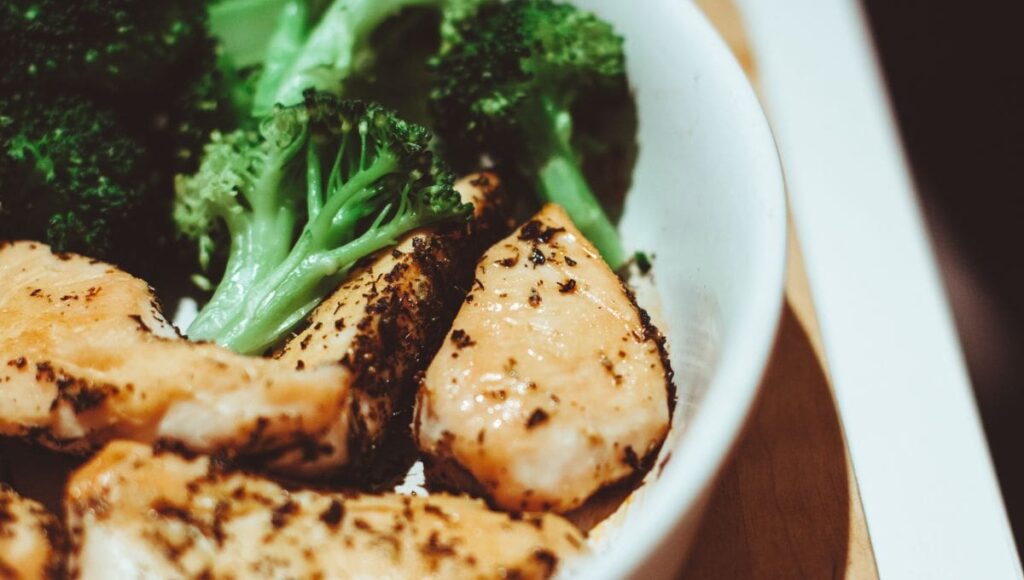
Fats – moderate to high intake. Focuses on healthy fats from fish, nuts, seeds, and avocados. Saturated fats from animal sources are also a part of the diet.
Carbohydrates – low to moderate intake. Most of the carbs come from fruits and vegetables.
Vitamins and Minerals – the diet is generally plentiful in vitamins and minerals thanks to the high intake of fruits, vegetables, and lean meats. However, there are potential deficiencies that could occur because of the exclusion of dairy.
Fiber – the intake is super high and is derived from an assortment of fruits, vegetables, and nuts.
Food Exclusions
Grains: wheat, rice, oats, barley, and corn are all banned, but they are a major source of carbohydrates, fiber, vitamins, and minerals.
Beans and Legumes: black beans, lentils, chickpeas, and peanuts
Dairy: milk, cheese, yogurt, and butter
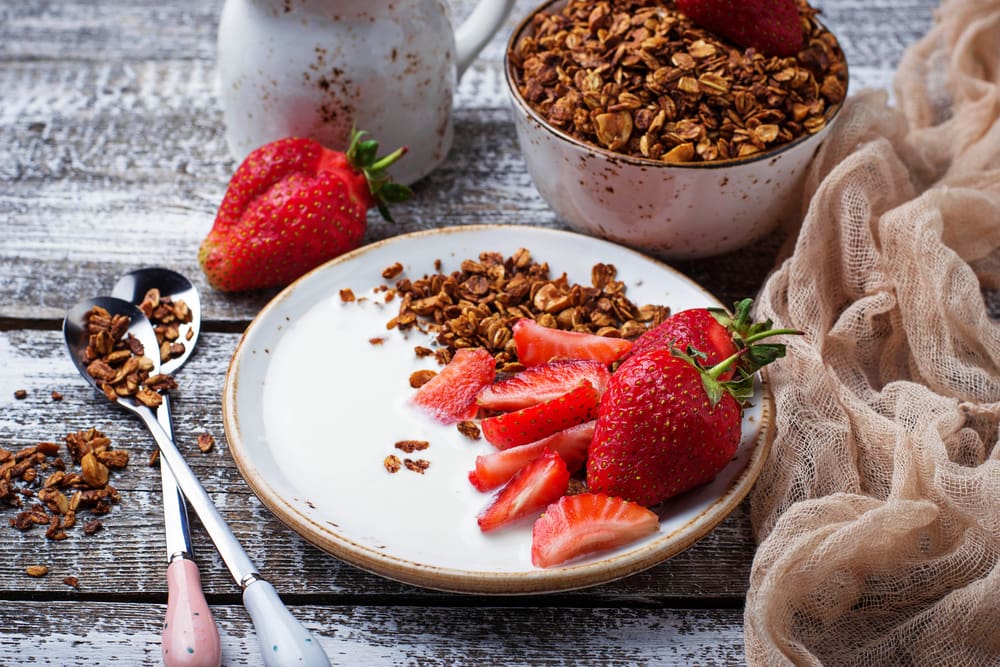
Processed Foods: all refined foods, sugary snacks, soft drinks, packed convenience foods
Benefits
Weight Loss: High protein and fiber content increase satiety, reducing overall calorie intake. Focusing on nutrient-dense foods supports healthy weight management and makes weight loss easier. The Paleo diet is superb in reducing waist circumference.
Blood Sugar Control: This diet emphasizes low-glycemic ingredients that stabilize blood sugar levels. This is super beneficial for individuals with insulin resistance or type 2 diabetes.
Cardiovascular Health: Intake of omega-3 fatty acids from fish and healthy fats from seeds and nuts are fantastic for improving cardiovascular markers and lowering triglyceride and cholesterol levels.
Digestive Health: The Paleo diet is abundant in fiber, which supports healthy digestion and prevents issues like constipation.
Reduction in Chronic Diseases: Accentuating whole foods through the diet reduces the threat of chronic diseases associated with processed foods, including obesity, diabetes, and heart troubles.
Fitness: High protein intake supports muscle synthesis and repair, so it is a fine option if you want rapid muscle growth.
Downsides
Nutrient Deficiencies: The exclusion of dairy products, a primary source of calcium and vitamin D, can lead to their deficiencies, which are crucial for bone health. Also, yogurt is a fermented form of dairy packed with probiotics, the key to digestive health. This could trigger some digestive issues due to disrupted gut microbiota.
Alternative sources like leafy greens, fish with bones, and fortified foods are a must in this diet. Also, limited intake of iodized salt and dairy leads to iodine deficiency. Monitoring iodine levels is the key, as it can mess up thyroid function.
Eliminating grains from the diet significantly reduces dietary fiber intake and nutrients like B vitamins and magnesium. Legumes are terrific sources of plant-based protein, fiber, iron, and other nutrients, so their prohibition makes it harder for people who rely on the Paleo diet to meet their nutritional needs.
Restrictiveness: Adhering to this diet can be socially and logistically challenging, especially when dining out or traveling. Finding Paleo-compliant meals in restaurants can be challenging, especially in cuisines that heavily use grains, legumes, or dairy – like Italian, Turkish, Greek, and many other cuisines.
Time-Consuming: Preparing Paleo dishes often requires plenty of time and effort compared to relying on convenience foods. Cooking from scratch using fresh ingredients is demanding, and strict adherence requires careful planning. Only a good plan ensures balanced nutrition and variety in meals, which can be a real burden for some people.
Cost: This diet emphasizes high-quality, often organic and grass-fed meats, wild-caught fish, and fresh produce, which are usually expensive The higher cost of these foods makes the Paleo diet less accessible to people with limited budgets.
To avoid deficiencies, you should probably need to take supplements – calcium, vitamin D, and iodine. This, of course, adds a new layer of planning and cost.
Psychological Impact: The need to strictly avoid certain foods can trigger stress and anxiety around eating. The constant thinking about what is allowed and what isn’t can cause an unhealthy relationship with food.
Keto Diet
The goal of the keto diet is to induce ketosis, a metabolic state where the body utilizes fat as the primary energy source instead of glucose. The macronutrient intake table looks like this:
high fats: 70-75%
moderate protein: 20-25%
low carbohydrates 5-10%, under 50 grams per day
Nutritional Composition
Protein: lean red meat, poultry, fish, eggs, some dairy, and plant-based protein
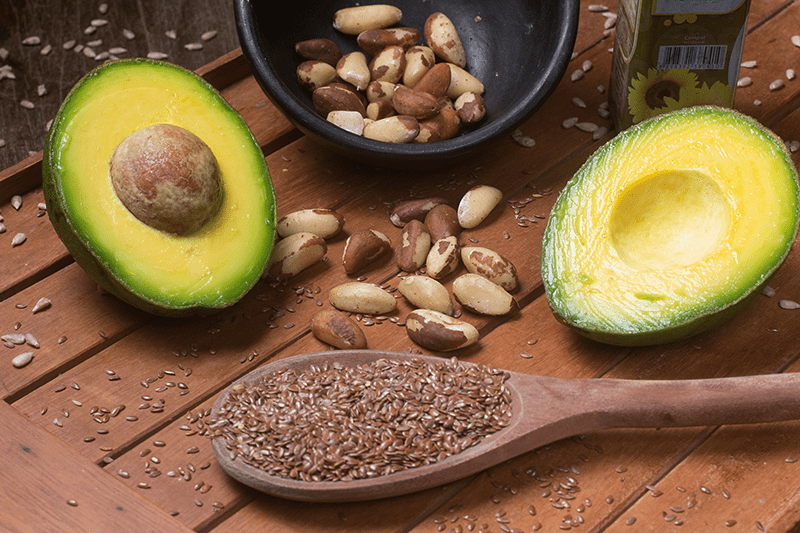
Fats: avocados, nuts, seeds, fatty fish, olive oil, cream, and butter
Carbohydrates: non-starchy vegetables (leafy greens, broccoli, cauliflower) and minimal fruits.
Vitamins and Minerals: They can be deficient if not planned properly. Electrolyte imbalances are common.
Fiber: low to moderate, depending on the intake of non-starchy vegetables
Food Exclusions
Grains: all grains and grain produce
Sweeteners: sugar, syrups, honey
Legumes: beans, lentils, peas
Starch: potatoes, corn, peas, squash
Processed Carbs: chips, crackers, cookies
Benefits
Weight Loss: Loads of fat and protein in the diet reduce hunger and increase satiety, leading to lower calorie consumption. The diet leads to rapid weight loss due to the diuretic effect and reduced glycogen stores.
Blood Sugar Control: Reduced calorie intake stabilizes blood sugar and insulin levels.
Mental Clarity: Ketones offer a steady energy source for the brain, enhancing cognitive function and focus.
Reduce Inflammations: Ketosis balances inflammation markers.

Fitness: Even though the diet is moderate in protein, you can adjust it to ensure sufficient intake for muscle gain. Thus, the body can adapt to using ketones for energy, which will preserve muscle mass during weight loss.
Because of the increased ability to utilize fat for fuel, you can enhance performance during prolonged exercise. However, it is normal for initial performance to flop, as the body needs to adapt to ketosis.
Downsides
Nutrient Deficiencies: Restriction of certain food groups provokes deficiencies in vitamins A, C, K, folate, and minerals (potassium and magnesium). Also, low fiber intake causes digestive issues, especially constipation.
Keto Flu: You will probably experience an adaptation phase to the keto diet. Initial side effects include fatigue, headache, dizziness, nausea, and irritability.
Cardiovascular Issues: A diet rich in fat (saturated fat, as well) can negatively impact cholesterol levels and heart health.
Sustainability: The restrictive nature makes it challenging to maintain the diet long-term.
Vegan Diet
The focus is on consuming only plant-based foods and excluding all animal products.
Nutritional Composition
Protein: plant sources – legumes, nuts, whole grains, tofu, tempeh, and seitan
Fats: nuts, seeds, plant oils, and avocados
Carbohydrates: grains, legumes, fruit, and vegetables
Fiber: very high due to a large intake of plant foods
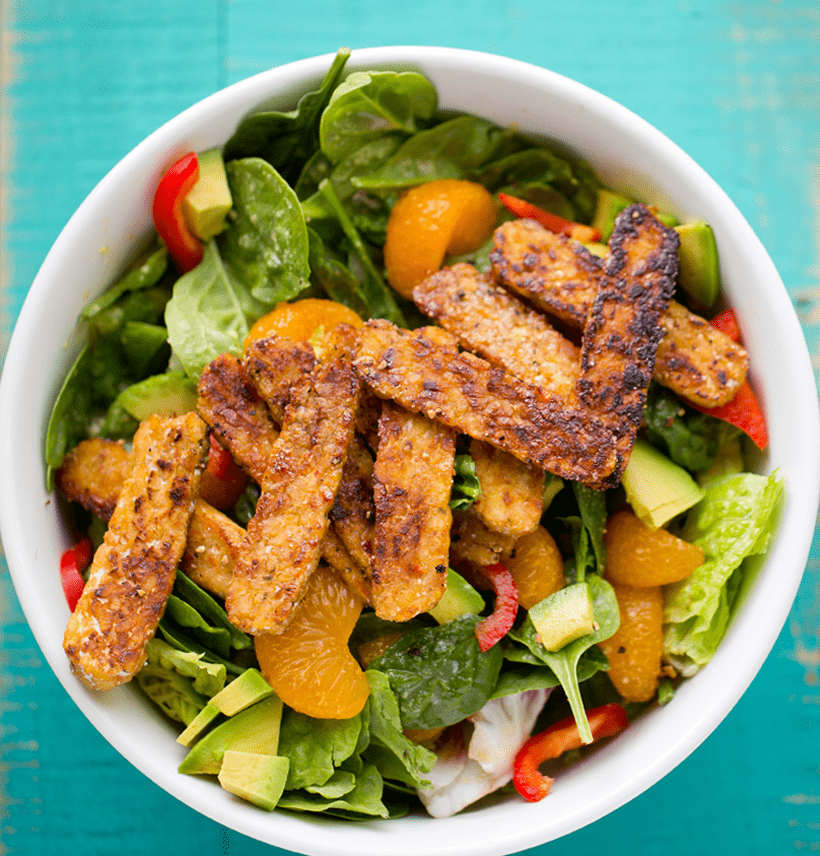
Micronutrients: There are potential deficiencies if the menu is not well-planned, but it is super high in vitamins C and E, folic acid, potassium, and magnesium.
Food Exclusions
Meat: red meat, poultry, fish, seafood, and meat products
Dairy: milk, cheese, yogurt, butter, and all products
Eggs
Animal By-Products: gelatin, honey, casein, whey, omega-3s fish oil
Benefits
Weight Management: Vegans often have lower BMIs because plant foods are inclined to be lower in calories and high in fiber, promoting satiety.
Cardiovascular Health: The diet is low in saturated fats and cholesterol, improving blood lipid profiles. Plus, a high intake of potassium-rich fruits and vegetables lowers blood pressure.
Lowers Chronic Diseases: A plant diet improves insulin sensitivity and glycemic control, so it lowers the risk of type 2 diabetes.
Environment and Ethic: A vegan diet reduces the environmental impact: land use, water consumption, and greenhouse gas emissions. This diet emphasizes ethical beliefs about animal rights.
Fitness: For muscle growth, adequate amino acid intake is critical, so you will probably need vegan protein powders. A high-carb diet is superb for providing ample glycogen stores and proper recovery.
Downsides
Nutrient Deficiencies: The restriction of animal products can cause vitamin B12 and iron deficiency, which is essential for nerve function and blood cell production. Calcium and vitamin D insufficiency is common, as well, because of the lack of dairy products. Thus, supplementation and fortified products are a must to avoid them.
Omega-3 fatty acids and iodine are compromised, too, so you will probably need algal supplements, ionized salt, and seaweed.
Meal Planning: This diet requires careful planning to ensure a stabilized intake of all essential nutrients.
Digestive Issues: A sudden increase in fiber can provoke digestive discomfort, so you must transition to it gradually. Proper hydration is vital.