This powerful exercise is frequently featured in CrossFit and other high-intensity training programs, and for good reason. In this guide, we’ll delve into the technique, benefits, and variations of CrossFit GHD sit-ups, providing a comprehensive overview to help you master this essential move.
CrossFit GHD Sit Ups Understanding the GHD Sit-Up
What is a GHD Sit-Up?


The GHD sit-up is an advanced core exercise performed on a Glute-Ham Developer machine. Unlike traditional sit-ups, the GHD sit-up allows for a greater range of motion, engaging the entire core and even the hip flexors and quads. This exercise is particularly popular in CrossFit for its effectiveness in building powerful, resilient abdominal muscles.
Setting Up the GHD Machine
- Before you start, it’s crucial to set up the GHD machine correctly to ensure safety and effectiveness. Here’s how to do it:
- Foot Positioning: Adjust the footplate so that your feet are securely anchored. Your knees should be slightly bent, and your butt should be off the pad. Many people make the mistake of placing their buttocks directly on the pad, which limits the range of motion and can lead to improper form.
- Hip Placement: Your hips should be just off the edge of the pad. This positioning allows for a full range of motion without hyperextending your lower back.
Performing the Basic GHD Sit-Up
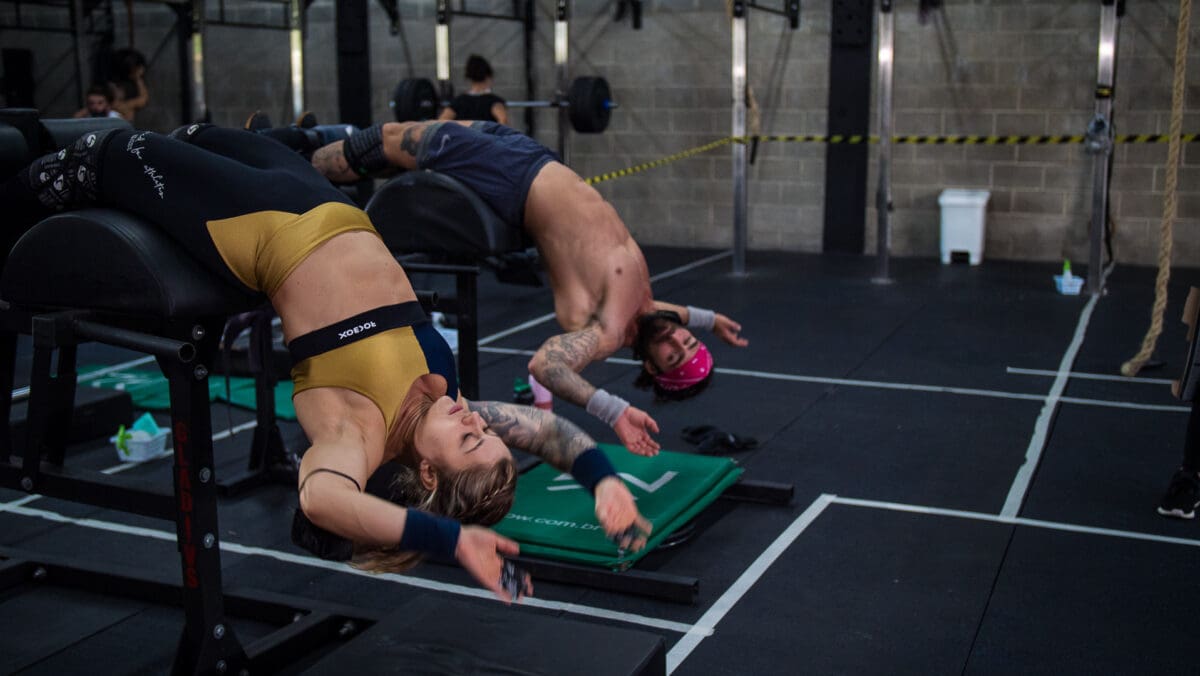
- Start Position: Begin with your feet anchored and your body extended back so that your knees are slightly bent and your hips are off the pad.
- Movement: Lower your body back in a controlled manner until your hands touch the floor behind you. Engage your core and avoid overextending your spine.
- Return: Explosively return to the start position by contracting your abs and extending your knees. This motion should be fluid and powerful, using the strength of your core to lift you back up.
Common Mistakes to Avoid
- Foot Placement: Ensure your feet are properly anchored to maintain stability throughout the movement.
- Hyperextension: Avoid overextending your back when lowering yourself. This can cause undue stress on your spine.
- Knee Position: Don’t keep your knees bent throughout the entire movement. Extend them as you come up to engage your quads and assist in the lift.
Scaling and Modifications
Parallel GHD Sit-Ups
For beginners or those looking to scale the exercise, try the parallel GHD sit-up. Instead of lowering your body all the way back, stop when your torso is parallel to the ground. This reduces the range of motion and makes the exercise more manageable while still providing a great core workout.
Another way to scale the exercise is to perform it with a reduced range of motion. Gradually increase the depth as you build strength and confidence in the movement.
Assisted GHD Sit-Ups
Using bands for assistance can help beginners perform GHD sit-ups with proper form. Attach a resistance band to the GHD machine and hold it while performing the sit-up. The band will help pull you up, making the exercise less challenging.
Benefits of GHD Sit-Ups
Core Strength
The primary benefit of GHD sit-ups is the tremendous core strength they build. By engaging your entire abdominal region, these sit-ups create a strong, stable core that enhances overall athletic performance.
Hip Flexor and Quad Engagement
Unlike many core exercises, GHD sit-ups also work your hip flexors and quads. This makes them a more comprehensive lower body workout, promoting balanced muscle development.
Improved Posture
A strong core is essential for good posture. Regularly performing GHD sit-ups can help correct postural imbalances, reducing the risk of back pain and improving your overall stance.
Enhanced Athletic Performance
Whether you’re a CrossFit enthusiast or just looking to improve your fitness, strong core muscles are crucial for virtually every physical activity. GHD sit-ups enhance your stability and power, making you more effective in various movements and sports.
Advanced Variations
Weighted GHD Sit-Ups
For those looking to take their training to the next level, adding weight is a great option. Hold a weight plate or medicine ball across your chest while performing the sit-ups to increase the resistance and further challenge your core.
GHD Sit-Up with Overhead Reach
In this variation, hold a weight plate overhead with your arms fully extended throughout the movement. This increases the difficulty by engaging your upper body and challenging your balance and coordination.
Tempo GHD Sit-Ups
Slowing down the movement can significantly increase the time under tension, making the exercise more challenging. Try lowering yourself slowly to a count of three, then explosively returning to the start position.
Mastering the GHD Sit-Up
The GHD sit-up is a powerful tool for building core strength, enhancing athletic performance, and improving overall fitness. By mastering the proper technique, scaling appropriately, and gradually increasing the intensity, you can make the most of this challenging exercise. Remember, consistency and proper form are key to achieving and maintaining a strong, ripped core.
You will also like:
Crunch vs Sit Up: Which is the Best Six Pack Exercise for Building Great Abs?
20 Punishing GHD Sit Up Abs Workouts for CrossFit Athletes
Best 3 Core Exercises to Do Every Day for Strength and Stability