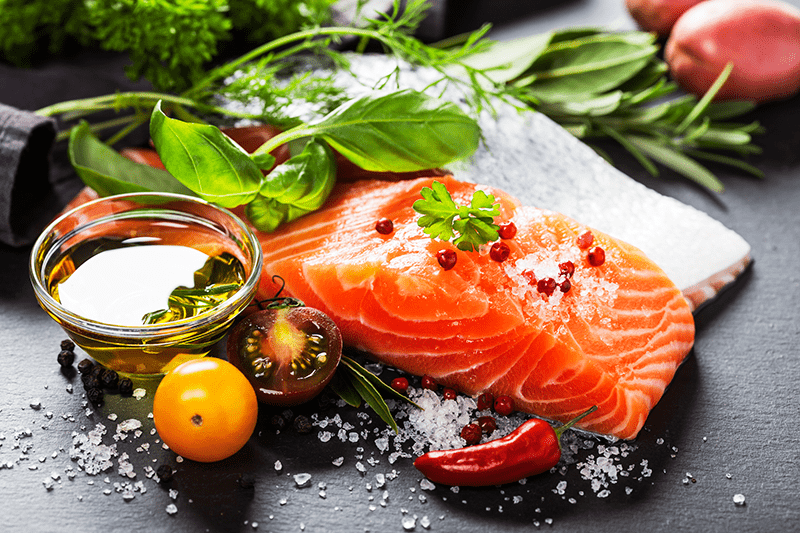
Preparing for a CrossFit competition involves more than just physical training; your nutrition plays a crucial role in your performance. Whether you are gearing up for local events or more advanced competitions, ensuring your body is properly fueled can make a significant difference. Here are comprehensive tips to help you prepare nutritionally for your next CrossFit competition.
Fueling your body correctly for a CrossFit competition is essential for optimal performance and recovery. Unlike regular training, competition demands higher energy levels, quicker recovery times, and peak physical condition.


The information in this article is largely based on a video shared by Justin Romaire from CBG. Justin Romaire is the founder of Consistency Breeds Growth (CBG), a company that specializes in providing personalised nutrition and fitness coaching. With a strong background in nutrition and exercise science, Romaire has developed a reputation for helping individuals achieve their fitness goals through customized plans and consistent support and now they have a YouTube channel with lots of information for people to get healthier and fitter. His approach emphasizes sustainable lifestyle changes and the importance of consistency in achieving long-term health and fitness outcomes.
This guide provides strategies to avoid common mistakes, plan your diet, and optimize your performance through proper nutrition.
Table of Contents
How to Fuel for Your Next CrossFit Competition
What Not to Do
When preparing for a CrossFit competition, avoiding certain common mistakes is just as important as following the right nutritional strategies. Here’s a detailed look at what you should steer clear of to ensure you perform at your best.
Avoid New Supplements
Introducing new supplements right before a competition is a big no-no. Here’s why:
- Lack of Time for Adaptation: Most supplements require several weeks to be fully effective. Starting a new supplement regimen just days before a competition won’t give your body enough time to adapt and reap the benefits.
- Risk of Adverse Reactions: Your body might react negatively to a new supplement. This could range from mild digestive issues to more severe allergic reactions. The last thing you want is to deal with unexpected side effects on competition day.
- Consistency is Key: Stick with the supplements you’ve been using regularly. Consistency ensures your body is already familiar with them, and you can rely on the known benefits and effects they provide.
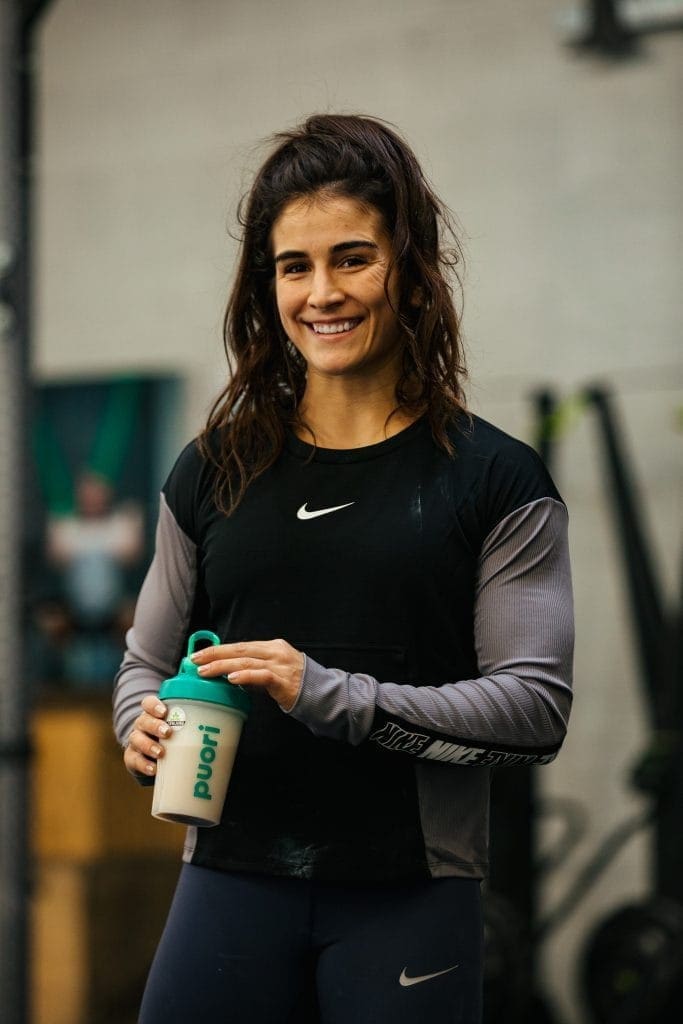
Avoid Drastic Dietary Changes
Changing your diet drastically in the lead-up to a competition can negatively impact your performance. Here’s what to avoid:
- Switching to a New Diet Trend: Whether it’s going vegan like Tom Brady or adopting a carnivore diet because of a social media post, major dietary shifts can disrupt your digestive system. Your body needs time to adjust to new eating habits, and doing so right before a competition can lead to gastrointestinal issues, energy dips, and overall discomfort.
- Introducing New Foods: Stick to the foods you are accustomed to. Introducing new foods, especially ones your body isn’t used to, can cause digestive distress or even allergic reactions. Familiar foods ensure you know how your body will respond, helping to maintain energy levels and performance.
Read More: How to Grow a CrossFit Bubble Butt
Pre-Competition Preparation
Balanced Diet and Planning
- Maintain a Balanced Diet: Ensure you are consistently meeting your protein, carbohydrate, and fat needs. Include plenty of vegetables to provide essential nutrients for recovery and performance.
- Calorie Maintenance or Surplus: Entering a competition in a calorie deficit can increase the risk of injury and inadequate fueling. Aim for maintenance or a slight surplus to ensure your body has enough energy.
Carbohydrate Loading
Carbohydrate loading is crucial for replenishing glycogen stores in your muscles, which are the primary fuel for high-intensity workouts.
- Single-Day Events: Start carbohydrate loading two days before the competition.
- Multi-Day Events: Begin carbohydrate loading three to four days prior. Increase your carbohydrate intake to about a third to half of your body weight in grams. For example, if you weigh 150 lbs, consume an additional 50-75 grams of carbohydrates per day.
Hydration Strategies

Hydration is equally important as carbohydrate loading.
- Avoid Alcohol: Alcohol can significantly dehydrate you and affect your performance.
- Increase Water and Electrolytes: Start hydrating well in advance. Include electrolytes such as sodium, potassium, and magnesium to maintain a balance. Use drinks like Pedialyte mixed with water to ensure you are not just hydrating but also replenishing lost electrolytes.
Read Also: How to get Faster at CrossFit Workouts – Useful Skills every Athlete Should Use
Competition Day Nutrition
Planning Ahead
- Pre-plan Meals and Snacks: Have all your meals and snacks prepared and packed. This prevents the need to source food during the competition, allowing you to focus on performance.
- Regular Breakfast: Stick to your usual breakfast routine but ensure it includes a good balance of protein, carbohydrates, and fats.
Between Events
- Focus on Protein and Carbohydrates: Between events, prioritize quick-digesting proteins and carbohydrates. Options include protein shakes, carb powders, Gatorade, Pop-Tarts, white bread with jelly, dates, and cereal.
- Solid Meals: If there is a significant break between events, opt for solid meals that include protein and carbohydrates. For example, a chicken and rice dish or a burrito can be effective.
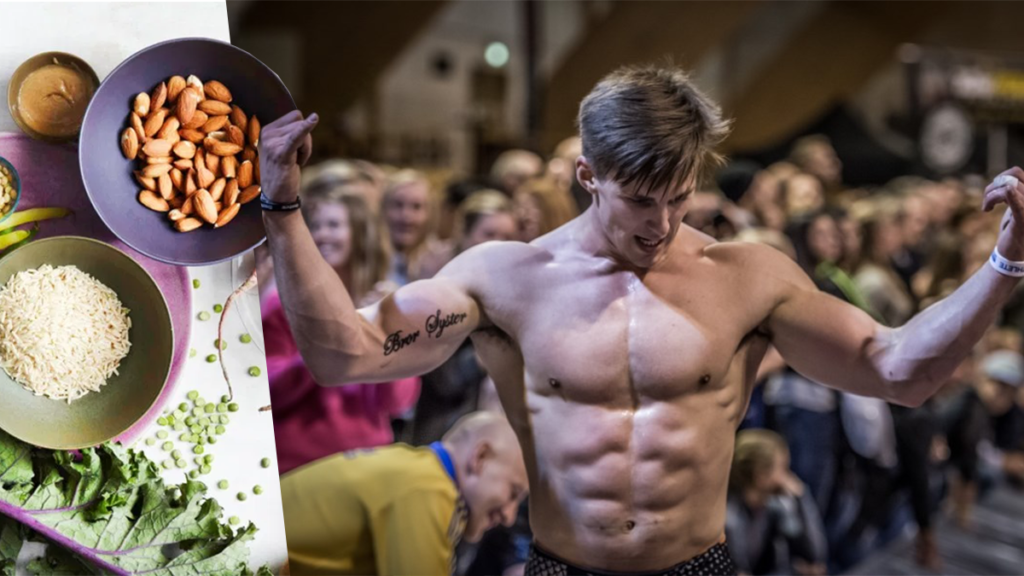
Post-Competition Recovery
- Hydrate and Replenish Electrolytes: Continue to hydrate and include electrolytes post-competition to aid recovery.
- Nutrient-Dense Meals: Shift back to nutrient-dense meals, including vegetables, healthy fats, and proteins to support recovery and muscle repair.
Advanced Tips
Taking your competition preparation to the next level involves more nuanced strategies. These advanced tips can give you an edge and ensure you’re fully prepared for every aspect of the competition.
Carbohydrate Loading
Carbohydrate loading is crucial for replenishing glycogen stores in your muscles. Here’s a deeper dive into how to do it effectively:
- Timing: For single-day competitions with multiple events, start carbohydrate loading two days before. For multi-day competitions, begin three to four days in advance. This ensures your glycogen stores are fully replenished by the time the competition starts.
- Amount: Increase your carbohydrate intake by about a third to half of your body weight in grams. For example, if you weigh 150 lbs, aim to consume an additional 50-75 grams of carbohydrates per day. This can be through foods like rice, pasta, potatoes, fruits, and sports drinks.
Hydration Strategies
Proper hydration is not just about drinking water. Incorporate these tips to stay hydrated and maintain optimal performance:
- Hydration in Advance: Start hydrating well before the competition day. This means increasing your water intake at least a week before and ensuring you are drinking consistently throughout each day.
- Electrolytes: Simply drinking more water is not enough. Include electrolytes like sodium, potassium, and magnesium in your hydration plan. Use electrolyte drinks or supplements, and consider mixing drinks like Pedialyte with water to balance hydration and electrolyte levels.
- Avoid Dehydrants: Avoid alcohol and caffeine leading up to the competition as they can dehydrate you. Alcohol, in particular, can significantly affect your hydration levels and take days to fully recover from.

Intra-Workout Carbohydrates
For competitions with intervals or breaks between events, using intra-workout carbohydrates can maintain energy levels and enhance performance:
- Quick Sources of Carbs: Use easily digestible carbohydrate sources like Gatorade or carb powders. These can provide a quick energy boost during short breaks between events.
- Timing and Amount: Consume small amounts of these carbohydrate sources during breaks to maintain your energy levels. For example, sipping on a carb drink during a 15-minute break can help keep your glycogen levels topped up.
Flexibility with Food Choices
Having a variety of food options can help ensure you maintain energy levels and avoid food fatigue:
- Multiple Options: Pack a range of carbohydrate sources such as Pop-Tarts, cereal, white bread with jelly, dates, and Gatorade. Having multiple options ensures you’ll always have something you feel like eating, which is important if you lose your appetite or get tired of certain foods.
- Simple and Digestible: Choose foods that are easy to digest and that you know your body handles well. Simple carbs are preferred during the competition for quick energy release without the risk of digestive issues.
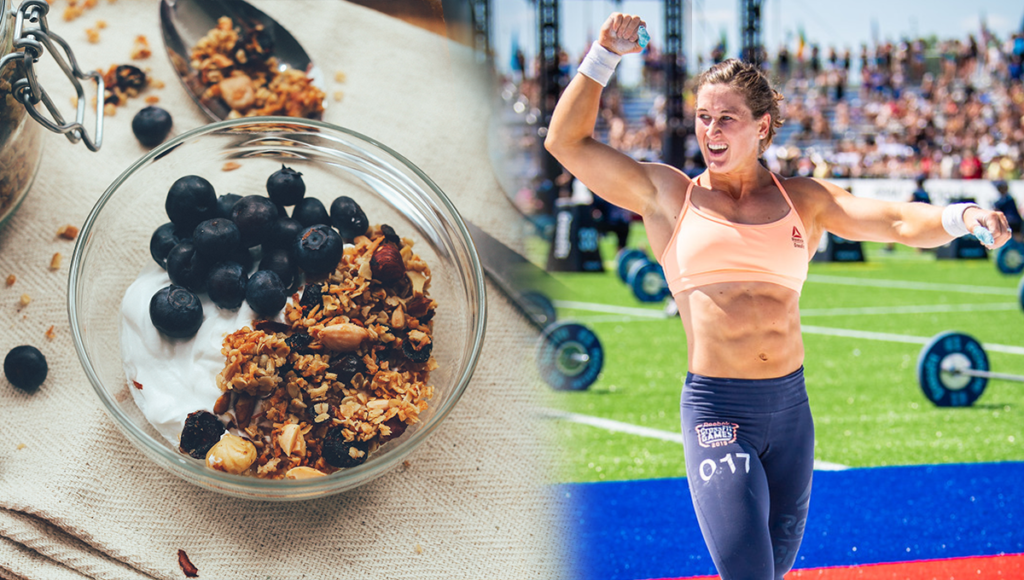
Proper nutrition can significantly impact your performance in a CrossFit competition. By avoiding drastic dietary changes, ensuring balanced nutrition, and focusing on carbohydrate loading and hydration, you can optimize your performance and recovery. Plan meticulously, stick to foods your body is accustomed to, and make sure to hydrate properly. Following these guidelines will help you feel energized, recover quickly, and perform at your best in your next CrossFit competition.
Read Also: 9 Reasons CrossFit Athletes Stay Ripped and You Don’t
Can I change my diet drastically before a competition to try a new trend?
No, drastic dietary changes before a competition can negatively impact your performance. Switching to a new diet can cause digestive issues, energy dips, and overall discomfort. Stick to the foods you are familiar with to ensure your body responds well and maintains energy levels.
Why is it important to avoid new supplements before a CrossFit competition?
It’s crucial to avoid new supplements because your body needs time to adapt to them, which can take several weeks. Introducing new supplements right before a competition can cause adverse reactions and won’t provide the immediate benefits you might expect. Stick to the supplements you’re already accustomed to for consistent and predictable results.
What is carbohydrate loading and why is it important?
Carbohydrate loading is the process of increasing your carbohydrate intake several days before a competition to replenish glycogen stores in your muscles. Glycogen is the primary fuel source for high-intensity workouts. Proper carbohydrate loading ensures you have enough energy to perform at your best throughout the competition.
How should I hydrate before and during the competition?
Start hydrating well in advance, at least a week before the competition. Drink water consistently throughout each day and include electrolytes such as sodium, potassium, and magnesium in your hydration plan. Avoid alcohol and excessive caffeine as they can dehydrate you. During the competition, continue to hydrate and consume electrolyte-rich drinks.
What should I eat on the day of the competition?
Stick to your usual breakfast routine that includes a balance of protein, carbohydrates, and fats. Throughout the day, prioritize quick-digesting proteins and carbohydrates between events. Examples include protein shakes, carb powders, Gatorade, Pop-Tarts, dates, and cereal. If you have longer breaks between events, opt for solid meals like a chicken and rice dish or a burrito.
Can I eat junk food during the competition
While it’s best to focus on nutrient-dense foods, simple carbohydrates like Pop-Tarts, cereal, and Gatorade can be effective during the competition as they provide quick energy. Ensure these foods are easy to digest and your body is accustomed to them to avoid any digestive issues.
How do intra-workout carbohydrates help during a competition?
Intra-workout carbohydrates help maintain energy levels during breaks between events. Quick sources of carbs like Gatorade or carb powders provide a fast energy boost, allowing you to perform better in subsequent events. They help keep your glycogen levels topped up, ensuring sustained energy throughout the competition.
What should I do to recover after the competition?
Post-competition recovery should focus on hydration and nutrient-dense meals. Continue to hydrate and include electrolytes to replenish what was lost during the competition. Shift back to meals that include a balance of protein, carbohydrates, fats, and vegetables to support recovery and muscle repair.
Should I eat the same thing every time during a CrossFit competition?
Having multiple food options ensures you have something palatable and easy to digest, even if you lose your appetite or get tired of certain foods. Variety helps you maintain energy levels and prevents food fatigue, which is crucial for sustained performance during multi-event competitions.
How does avoiding alcohol before a competition help my performance?
Avoiding alcohol helps maintain proper hydration levels. Alcohol can significantly dehydrate you, and it takes several days to fully recover from its effects. Staying well-hydrated ensures better overall performance, quicker recovery between events, and reduced risk of cramps and fatigue.