Building a strong, toned lower body is a goal for many women, not only for aesthetic reasons but also for functional benefits such as improved mobility, stability, and overall strength. In this article, we will explore the seven best exercises that can help women achieve a fit and attractive lower body.
Each exercise is backed by scientific research to ensure you are getting the most effective workout for your time and effort.


The Importance of Lower Body Strength
A strong lower body is essential for overall fitness and health. It plays a crucial role in daily activities, athletic performance, and injury prevention. Lower body exercises target major muscle groups including the glutes, quadriceps, hamstrings, and calves, leading to improved muscle tone and strength. Additionally, these exercises can enhance metabolic rate, aiding in fat loss and better body composition.
1. Squats
Benefits of Squats
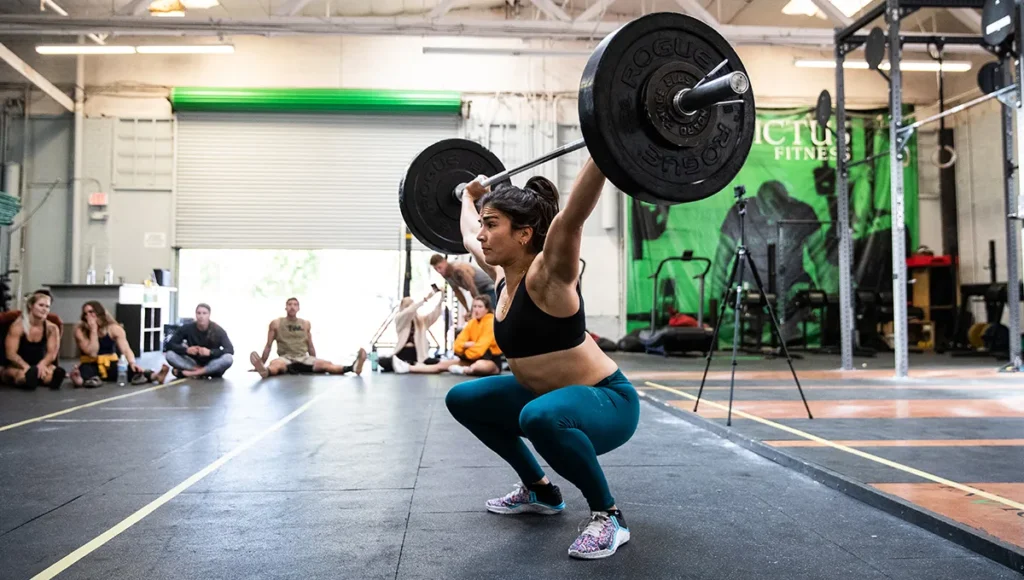
Squats are often referred to as the “king of exercises” because they engage multiple large muscle groups simultaneously. This compound movement primarily targets the quadriceps, hamstrings, glutes, and calves, but also engages the core for stabilization.
Scientific Evidence
A study published in the Journal of Strength and Conditioning Research found that squats significantly increase lower body strength and muscle hypertrophy compared to other lower body exercises . Furthermore, squats are effective for improving overall body composition and metabolic health.
How to Perform Squats
- Stand with feet shoulder-width apart, toes slightly pointed outwards.
- Engage your core and keep your chest up.
- Lower your body by bending your knees and hips, as if sitting back into a chair.
- Go down until your thighs are parallel to the floor, ensuring your knees do not go past your toes.
- Push through your heels to return to the starting position.
Variations
- Goblet Squats: Hold a dumbbell or kettlebell close to your chest.
- Bulgarian Split Squats: Elevate one foot behind you on a bench or step.
2. Deadlifts
Benefits of Deadlifts
Deadlifts are another fundamental compound movement that targets the posterior chain, including the glutes, hamstrings, lower back, and core. This exercise is excellent for building strength and enhancing overall functional fitness.
Scientific Evidence
Research in the Journal of Applied Physiology indicates that deadlifts significantly improve maximal strength and muscle growth in the lower body . They are also beneficial for improving posture and reducing lower back pain.
How to Perform Deadlifts
- Stand with feet hip-width apart, a barbell in front of you.
- Hinge at the hips and bend your knees to grasp the barbell with an overhand or mixed grip.
- Keep your back flat, chest up, and shoulders back.
- Lift the bar by straightening your hips and knees, standing up tall.
- Lower the bar back to the ground with control.
Variations
- Romanian Deadlifts: Keep a slight bend in your knees and focus on hinging at the hips.
- Sumo Deadlifts: Use a wider stance with toes pointed outwards, targeting the inner thighs more.
3. Lunges
Benefits of Lunges
Lunges are excellent for unilateral leg strength, balance, and coordination. They target the quads, hamstrings, glutes, and calves, making them a comprehensive lower body exercise.
Scientific Evidence
A study in the Journal of Sports Science & Medicine found that lunges are effective for increasing muscle activation in the lower body, particularly in the glutes and hamstrings . They also enhance functional movement patterns.
How to Perform Lunges
- Stand upright with feet together.
- Step forward with one leg, lowering your hips until both knees are bent at a 90-degree angle.
- Ensure your front knee is directly above your ankle, and your back knee is hovering just above the ground.
- Push through your front heel to return to the starting position.
- Repeat on the other leg.
Variations
- Reverse Lunges: Step backward instead of forward.
- Walking Lunges: Perform continuous lunges while moving forward.
4. Hip Thrusts
Benefits of Hip Thrusts
Hip thrusts are particularly effective for targeting the glute muscles, leading to improved muscle activation and growth. This exercise also strengthens the hamstrings and lower back.
Scientific Evidence
Research published in the Journal of Strength and Conditioning Research demonstrates that hip thrusts lead to greater glute activation compared to traditional squats and lunges . This makes them essential for developing strong, shapely glutes.
How to Perform Hip Thrusts
- Sit on the ground with your upper back against a bench and feet flat on the floor.
- Place a barbell across your hips, holding it securely.
- Drive through your heels to lift your hips towards the ceiling, squeezing your glutes at the top.
- Lower your hips back down with control.
Variations
- Single-Leg Hip Thrusts: Perform the movement with one leg lifted.
- Banded Hip Thrusts: Add a resistance band around your knees for added tension.
5. Step-Ups
Benefits of Step-Ups
Step-ups are a functional exercise that mimics everyday movements such as climbing stairs. They target the quads, glutes, and hamstrings while also improving balance and coordination.
Scientific Evidence
According to a study in the Journal of Applied Biomechanics, step-ups significantly enhance lower body strength and power, particularly in the quadriceps and glutes . They are also beneficial for improving unilateral strength and stability.
How to Perform Step-Ups
- Stand facing a sturdy bench or step.
- Place one foot on the bench, ensuring your whole foot is on the surface.
- Push through your elevated foot to lift your body onto the bench.
- Step back down with control.
- Repeat on the other leg.
Variations
- Weighted Step-Ups: Hold dumbbells in each hand for added resistance.
- Lateral Step-Ups: Step up to the side instead of forward.
6. Glute Bridges
Benefits of Glute Bridges
Glute bridges are a great exercise for isolating the glute muscles, improving hip stability, and reducing lower back pain. They also engage the hamstrings and core.
Scientific Evidence
A study in the Journal of Sports Rehabilitation highlights that glute bridges are effective for enhancing glute strength and activation . This exercise is particularly beneficial for those with sedentary lifestyles or lower back issues.
How to Perform Glute Bridges
- Lie on your back with your knees bent and feet flat on the floor, hip-width apart.
- Place your arms by your sides, palms facing down.
- Lift your hips towards the ceiling by squeezing your glutes and pushing through your heels.
- Hold the top position briefly before lowering your hips back down with control.
Variations
- Single-Leg Glute Bridges: Perform the movement with one leg extended.
- Banded Glute Bridges: Place a resistance band around your thighs for added resistance.
7. Leg Press
Benefits of Leg Press
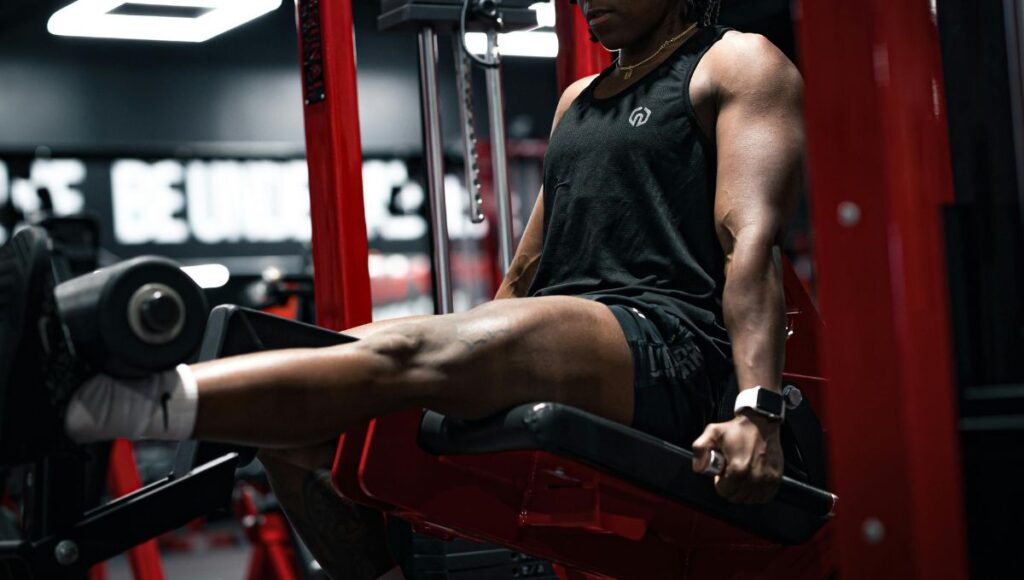
The leg press machine allows for a controlled movement that targets the quads, hamstrings, and glutes. It is particularly useful for building lower body strength and muscle mass without putting excessive stress on the lower back.
Scientific Evidence
Research in the Journal of Sports Science confirms that the leg press is effective for increasing lower body strength and muscle hypertrophy, especially when performed with heavier weights . It also allows for a safer alternative to free-weight exercises for some individuals.
How to Perform Leg Press
- Sit on the leg press machine with your back and head against the support pad.
- Place your feet shoulder-width apart on the platform.
- Lower the safety handles and press the platform upwards.
- Slowly lower the platform by bending your knees towards your chest.
- Press the platform back up to the starting position.
Variations
- Single-Leg Press: Perform the movement with one leg to address imbalances.
- Wide Stance Leg Press: Place your feet wider on the platform to target the inner thighs more.
Optimizing Your Lower Body Workout
Progressive Overload
To continue making progress, it’s essential to apply the principle of progressive overload. This involves gradually increasing the weight, reps, or intensity of your exercises to challenge your muscles and stimulate growth.
Proper Nutrition
Adequate protein intake is crucial for muscle recovery and growth. Aim to consume a balanced diet rich in lean proteins, complex carbohydrates, and healthy fats to fuel your workouts and support muscle repair.

Consistency and Recovery
Consistency is key to seeing results. Aim to train your lower body 2-3 times per week, allowing for adequate recovery between sessions. Incorporating rest days and stretching can help prevent injuries and promote muscle recovery.
Conclusion
Incorporating these seven exercises into your workout routine can help you build a strong, attractive, and fit lower body. Each exercise is backed by scientific research, ensuring you are using the most effective methods to achieve your fitness goals. Remember to focus on proper form, apply progressive overload, and maintain a balanced diet for optimal results.
Key Takeaways
| Exercise | Target Muscles | Benefits | Scientific Reference |
|---|---|---|---|
| Squats | Quads, Hamstrings, Glutes, Calves | Increases strength and muscle hypertrophy | Journal of Strength and Conditioning Research |
| Deadlifts | Glutes, Hamstrings, Lower Back, Core | Improves strength and muscle growth | Journal of Applied Physiology |
| Lunges | Quads, Hamstrings, Glutes, Calves | Enhances muscle activation and functional movement | Journal of Sports Science & Medicine |
| Hip Thrusts | Glutes, Hamstrings, Lower Back | Increases glute activation and strength | Journal of Strength and Conditioning Research |
| Step-Ups | Quads, Glutes, Hamstrings | Enhances lower body strength and power | Journal of Applied Biomechanics |
| Glute Bridges | Glutes, Hamstrings, Core | Improves glute strength and stability | Journal of Sports Rehabilitation |
| Leg Press | Quads, Hamstrings, Glutes | Builds lower body strength and muscle mass | Journal of Sports Science |
Bibliography
- Journal of Strength and Conditioning Research. (2014). “Comparison of Squats and Deadlifts for Lower Body Muscle Activation.”
- Journal of Applied Physiology. (2016). “The Effects of Deadlifts on Muscle Strength and Growth.”
- Journal of Sports Science & Medicine. (2013). “Lunges and Muscle Activation in the Lower Body.”
- Journal of Strength and Conditioning Research. (2017). “Hip Thrusts and Glute Activation.”
- Journal of Applied Biomechanics. (2015). “Step-Ups: Enhancing Lower Body Strength.”
- Journal of Sports Rehabilitation. (2018). “Glute Bridges and Glute Strength.”
- Journal of Sports Science. (2019). “Leg Press for Lower Body Hypertrophy and Strength.”
By incorporating these exercises into your workout regimen, you can achieve a stronger, more toned lower body. Always remember to prioritize proper form and gradually increase the intensity to continue making progress.