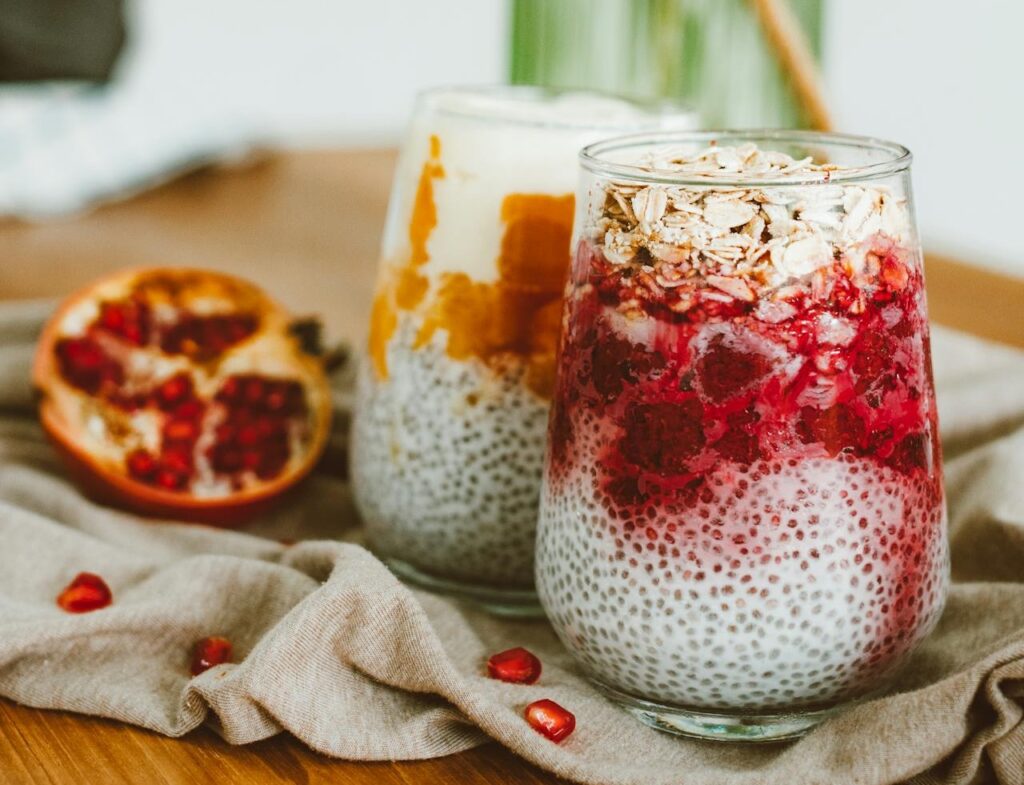
For individuals with an active lifestyle, integrating high-fiber foods into the diet is essential for sustaining energy levels due to their role in modulating blood glucose stability. However, high-fiber food is not only a way to keep yourself full and energized but also to maintain a healthy gut microbiome, which is necessary for a functional immune system. The good news is that there are many types of high-fiber foods you can include in your diet, even today. The great news is that this article will introduce you to five of the best high-fiber superfoods.
Oats
Oats, often underappreciated, play a pivotal role in dietary fiber intake due to their rich soluble and insoluble fiber content. Delicious, with understated flavor tones, they are easy to combine with a plethora of ingredients to create a meal that contains just enough of everything.


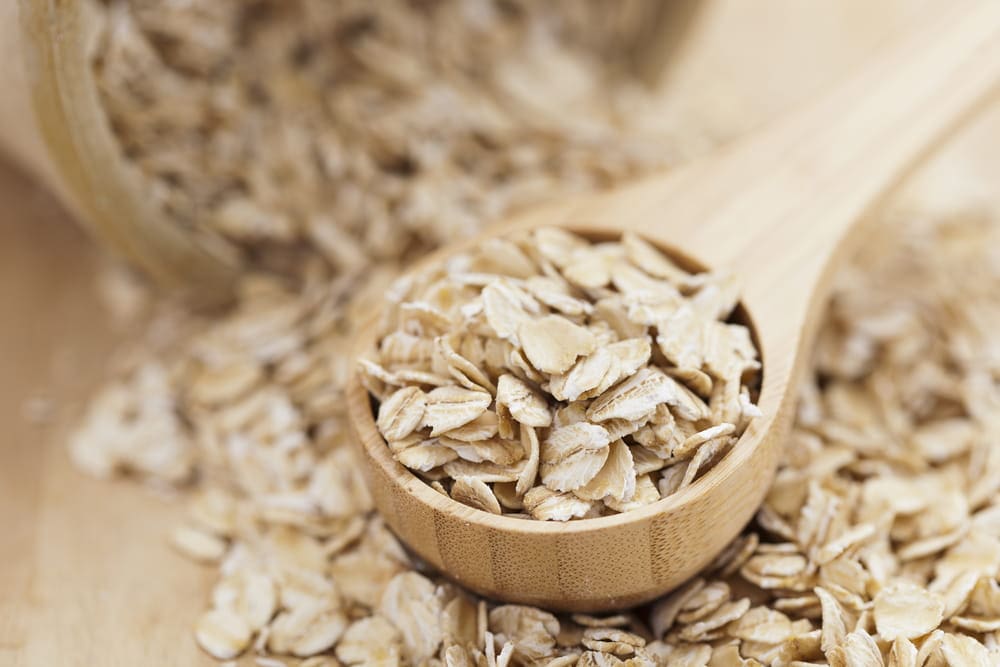
Oats are versatile and nutritious, rich in both soluble and insoluble fiber. The primary soluble fiber in oats is beta-glucan, which you have probably already heard of since it offers extraordinary health benefits.
Beta-glucan is clinically proven to reduce LDL cholesterol levels and associated cardiovascular risk, while also boosting immune function. Beta-glucan has been shown to enhance the immune system’s response to infection by activating immune cells, which may offer much-needed protection against certain illnesses.
The high fiber content in oats contributes to prolonged satiety and sustained energy release, making them an ideal breakfast choice to initiate daily activities effectively. Also, fiber’s satiety-increasing feature translates into reduced overall calorie intake, which makes it a great option if you are on a calorie-restriction diet.
Oats also have a low glycemic index, meaning they cause a slower rise in blood sugar levels. This gives you sustained energy without the ups and downs of sugar spikes and crashes that can lead to unhealthy snacking and sudden energy dips. For individuals experiencing midday energy declines, regular consumption of oats can stabilize blood glucose levels, mitigating the common afternoon crash.
In addition to being fiber-rich, oats are also rich in antioxidants, such as avenanthramides, which have anti-inflammatory properties that may help reduce blood pressure and provide supplementary cardiovascular protection.
Lastly, none of the above would matter if oats were hard to find or if oats were incorporated into your diet. Fortunately, you can find them at any store and enjoy them with almost everything in your fridge.

They can be enjoyed as oatmeal, added to smoothies, or used in baking. The versatility of oats allows for their incorporation into various culinary creations, demonstrating that health-oriented foods can also deliver on flavor.
Lentils
Lentils, though small, are densely packed with nutrients and provide a substantial amount of dietary fiber, supporting overall digestive health. One cup of cooked lentils contains about 63% of the recommended daily intake, meaning you have already exceeded your daily fiber dose with cups.
The high fiber content in lentils aids in maintaining a healthy gut environment, which is essential for good immune function. The fiber also serves as a prebiotic, feeding the good bacteria in the gut. Moreover, lentils improve the brain-gut connection as they keep you full for an extended period of time, preventing a malfunction in your biochemical hunger cues.
Lentils are particularly rich in soluble fiber, which helps regulate blood sugar levels and improve digestive health. The presence of resistant starch in lentils increases their ability to improve blood sugar control by delaying the absorption of carbohydrates, which makes lentils excellent for those suffering from diabetes or insulin resistance.
On top of this, the insoluble fibre in lentils adds bulk to the stool, promoting regular bowel movements and preventing constipation, which is crucial when it comes to the natural detoxification of the body.
Lentils also contain polyphenols, bioactive compounds with potent antioxidant effects that provide protection against oxidative stress and may reduce the risk of chronic conditions such as cardiovascular diseases and certain cancers.
Lentils are also a great source of plant-based protein, making them ideal for vegetarians and vegans or if you just don’t enjoy meat that much. There’s also lentil protein powder, which makes their incorporation in your daily menu even easier.
Versatility and ease of use is another superpower of lentils. Being that you can find them everywhere, they pose absolutely no challenge in terms of availability and cooking. You can mix them in a salad, make delicious patties, add them to different side dishes, or make them the main meal- everything goes.
Chia Seeds
Chia seeds exemplify how small sources can be incredibly nutrient-dense, offering substantial health benefits. One ounce of chia seeds (about two tablespoons) contains around 11 grams of fibre.
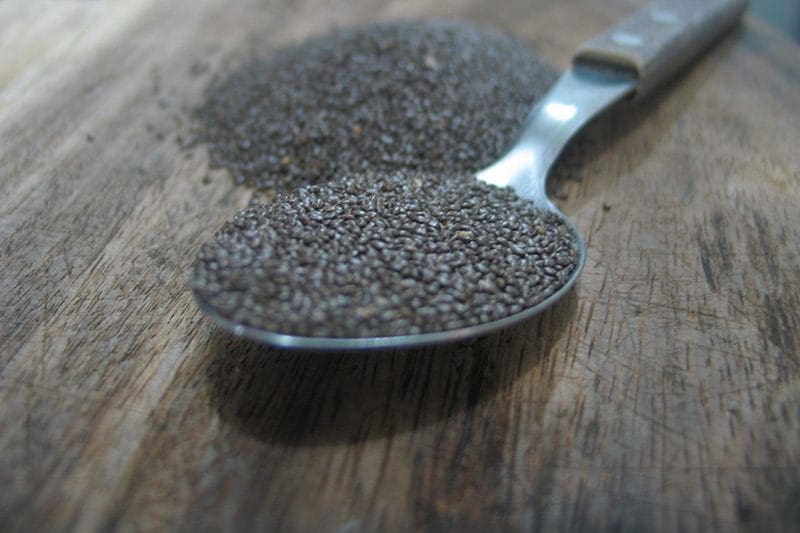
The high fiber content in chia seeds has multiple health benefits. It can help with weight loss by reducing appetite and preventing overeating. Additionally, the gel-forming property of chia seeds can help regulate blood sugar levels, making them a very good breakfast or a between-meal snack when you need to maintain energy levels. They also do a great job keeping you full so that you don’t reach for snacks.
Chia seeds also contain significant amounts of antioxidants, which help neutralize harmful free radicals in the body, reducing the risk of chronic diseases and boosting immune function.
The fiber in chia seeds is mostly soluble, forming a gel-like substance when mixed with liquid, which can help slow down digestion and provide a feeling of fullness, which makes it clearer why chia puddings are so satiating.
Chia seeds are also an abundant source of omega-3 fatty acids, which have anti-inflammatory properties and are crucial for heart health. They can be easily incorporated into your diet by adding them to smoothies, yogurt, oatmeal, or even as a fun addition to your salad when you need some extra texture.
Another hidden power of the mighty chia seeds is their use as an egg substitute, so even if you don’t prefer them as a snack, you can always add them to your pancakes or other tasty treats and enjoy their benefits.
Avocados
You may know avocados as the creamy exotic addition to your toast, but they do much more than decoration, although they do give class to many dishes.
One medium-sized avocado contains about 14 grams of fiber, with a balanced mix of both soluble and insoluble fiber. This combination makes avocados particularly beneficial for digestive health.
The soluble fiber in avocados helps to feed the good bacteria in the gut, making a significant contribution to a healthy gut microbiome, which reflects a highly effective immune function.

On the other side, the insoluble fiber in avocados facilitates consistent bowel regularity, Additionally, avocados are a potent source of essential nutrients, notably potassium, which plays a pivotal role in regulating blood pressure.
Beyond their fiber content, avocados are abundant in monounsaturated fats, known for their cardiovascular benefits and their ability to support overall bodily health.
Lastly, avocados are the shapeshifters among tropical fruits! You can have them any way you want: as a dip, sauce, in a smoothie, or as a spread. The availability of avocados may vary by region, though they are commonly found in most markets. In any case, they will only bother you with cooking.
Apples
An apple a day indeed keeps the doctor away! Probably the most convenient choice on this list, apples are also a tasty source of dietary fiber. A medium-sized apple contains about 4 grams of fiber, most of which is in the form of pectin, a type of soluble fiber.
Pectin improves gut health and lowers cholesterol levels, which makes it an excellent ally when it comes to maintaining and improving immune function. Apples also contain a variety of phytonutrients and antioxidants that can help reduce the risk of chronic diseases.
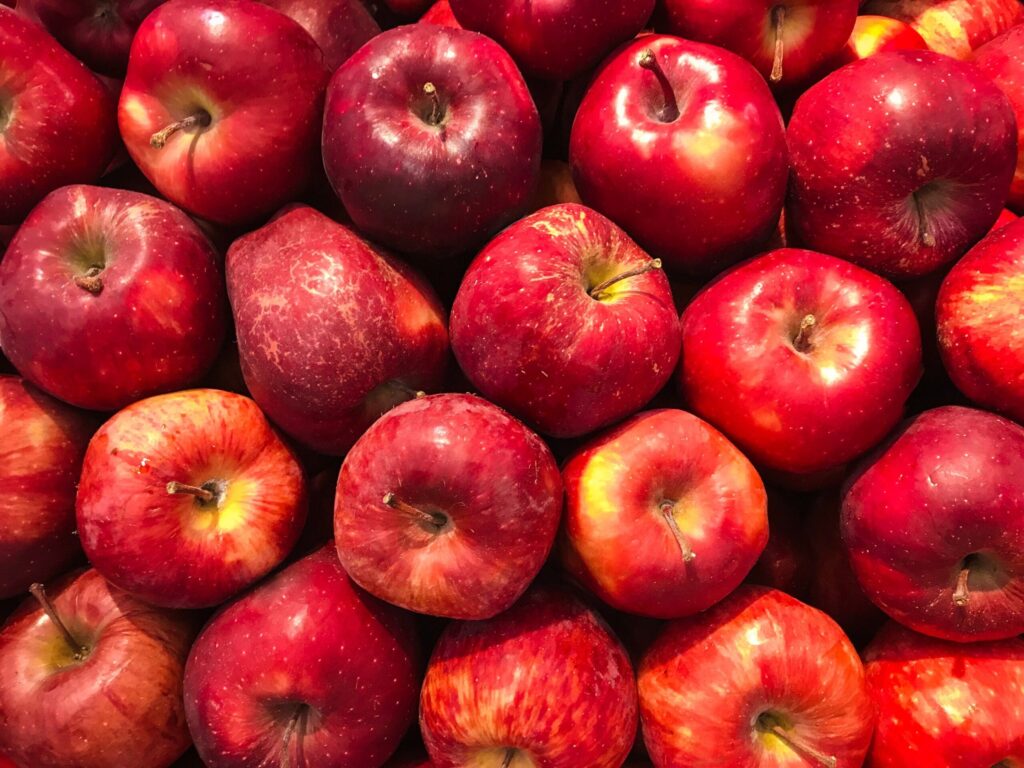
The fiber in apples also significantly slows down the absorption of sugar, making it an excellent preventative measure against the roller-coaster of sugar highs and lows. Because of this, the fiber in apples helps maintain energy levels and even boosts them when necessary, making it the perfect midday snack.
Apples are also rich in antioxidants, particularly flavonoids, mainly concentrated in the peel, which have anti-inflammatory properties and can help reduce the risk of chronic and even malign diseases.
Including apples in your diet is the easiest thing in the world. Considering that you can buy them at any grocery store or even grow them yourself, the only thing preventing you from getting them is not wanting to. You can have them fresh or cooked in a light dessert, as well as a part of a smoothie, or in any other combination you might like.