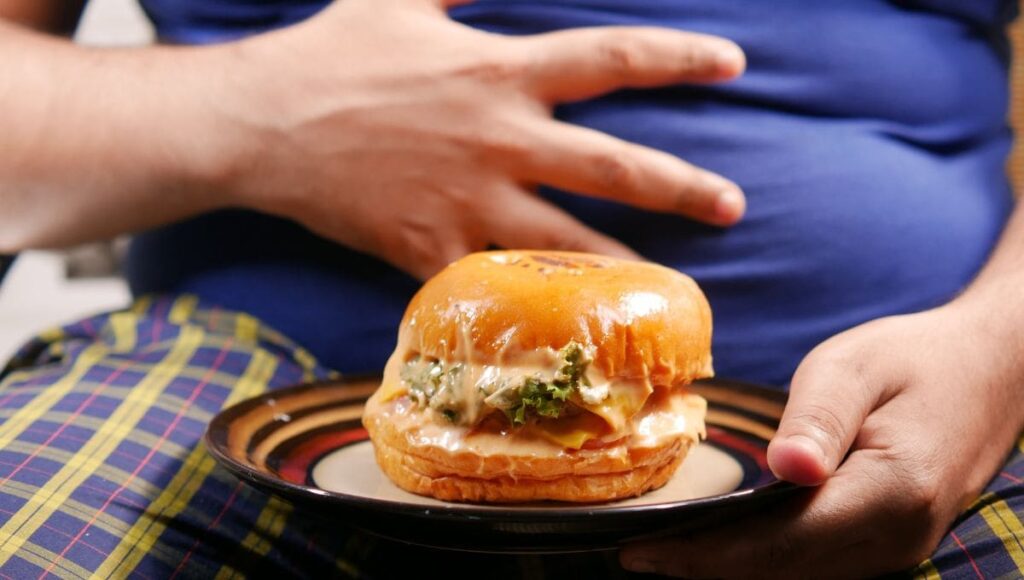
Add these low carb meals into your nutrition.
In the pursuit of a healthier lifestyle and weight loss, particularly around the abdominal area, many turn to various dietary strategies. Among the most popular and potentially effective approaches is the low-carbohydrate diet.


This diet emphasizes reducing carbohydrate intake in favor of higher proportions of proteins and fats. The primary goal is to induce a metabolic state known as ketosis, where the body, deprived of carbs for energy, starts burning fat for fuel.

This process not only helps in general weight loss but is particularly effective at targeting stubborn belly fat.
Carbohydrates are a common source of calories in many diets, and reducing their intake can lead to a significant decrease in calorie consumption. Additionally, low-carb diets tend to increase satiety due to higher intake of proteins and fats, which reduces overall food intake. This combination of lower calorie consumption and higher satiety can be a powerful tool for weight management and fat loss.
Moreover, studies suggest that low-carb diets can specifically aid in reducing visceral fat, the dangerous type of fat that accumulates around the abdominal organs. This type of fat is particularly concerning because it is associated with an increased risk of various health issues, including cardiovascular disease, diabetes, and insulin resistance.

Thus, incorporating low-carb meals into one’s diet not only supports overall weight loss but also aids in the reduction of belly fat, contributing to significant improvements in overall health and well-being.
In this article, we will explore three quick and delicious low-carb meals that can help you achieve these health goals, offering a practical way to manage your weight and reduce abdominal fat effectively.
Why Low-Carb Meals Can Be Effective for Losing Belly Fat
Low-carbohydrate diets have become a cornerstone in the fight against abdominal obesity due to several physiological effects they exert on the body, particularly in how they manage insulin levels and enhance metabolic function.
Reduced Insulin Levels and Enhanced Fat Loss from Low Carb Meals
Carbohydrates are the primary drivers of insulin secretion in the body. Insulin is a hormone that facilitates the uptake of glucose (sugar) from the bloodstream into cells. When carbohydrate intake is high, insulin levels rise significantly, leading to increased glucose absorption and storage, often as fat.
By cutting down on carbohydrates, low-carb diets keep insulin levels lower and more stable. This lower insulin environment encourages the body to burn stored fat for energy, as the immediate glucose from meals is not readily available. This process is particularly effective in mobilizing and burning visceral fat—the type of fat that accumulates around the abdominal organs.
Satiety Benefits from Higher Protein and Fat Intake from Low Carb Meals
Low-carb meals generally contain higher amounts of proteins and fats, which are known to be more satiating than carbohydrates. Protein, for instance, can help reduce the hormone ghrelin, commonly known as the hunger hormone, and boost the production of satiety hormones like peptide YY and GLP-1.

Fats, although energy-dense, digest slowly, prolonging feelings of fullness. This natural reduction in hunger helps decrease overall calorie intake without the need for calorie counting or portion control, making it easier to maintain a healthy weight and reduce fat accumulation, especially around the waist.
Metabolic Advantages for Abdominal Fat Loss
Low-carb diets not only alter the hormonal landscape to favor fat burning but also have specific metabolic advantages that aid in the reduction of belly fat. By lowering insulin and increasing fat mobilization, these diets change the way the body uses and stores energy.
The shift towards using fat as a primary energy source over carbohydrates means that the body becomes more adept at accessing and burning fatty acids for energy, reducing fat stores directly from the adipose tissue around the abdomen. Additionally, the reduction in carbohydrate intake also mitigates the typical spikes and dips in blood sugar levels, which can contribute to fat accumulation and cravings, further supporting sustained fat loss.
Together, these mechanisms make low-carb meals particularly effective not just for weight loss in general but crucially for reducing the stubborn fat that clings to the abdominal area. By understanding and utilizing these principles, individuals can tailor their diets to target belly fat more effectively, leading to better health outcomes and a reduced risk of associated diseases.
Low Carb Meals: Zesty Chicken and Avocado Salad
This vibrant and flavorful salad combines lean protein, healthy fats, and fresh vegetables to create a deliciously satisfying low-carb meal. Here’s how you can prepare this Zesty Chicken and Avocado Salad:
Ingredients Needed:
- 2 grilled chicken breasts (about 6 oz each), sliced or chopped
- 2 ripe avocados, diced
- 4 cups mixed leafy greens (such as spinach, arugula, and romaine)
- 1 cup cherry tomatoes, halved
- 2 tablespoons olive oil
- Juice of 1 lemon
- Salt, pepper, and any other preferred seasonings (like garlic powder or paprika)
Cooking and Assembly Instructions:
If not already grilled, season the chicken breasts with salt, pepper, and your choice of seasonings. Grill over medium heat until cooked through, about 6-7 minutes per side. Allow to rest before slicing.
In a small bowl, whisk together the olive oil, lemon juice, and a pinch of salt and pepper. Adjust the seasoning to taste.
In a large salad bowl, toss the mixed leafy greens with half of the dressing to coat them lightly.
Add the cherry tomatoes and diced avocado to the greens.
Top with the grilled chicken.
Drizzle the remaining dressing over the top and gently toss to combine everything.
Nutritional Breakdown
This salad is a powerhouse of nutrients. Each serving contains roughly:
- Calories: 450
- Fat: 30g (Healthy fats from avocado and olive oil)
- Protein: 35g
- Carbohydrates: 15g
- Fiber: 7g
The Zesty Chicken and Avocado Salad is ideal for those looking to lose belly fat for several reasons:
High Protein Content: The grilled chicken provides a high-quality source of protein, which is essential for building muscle and enhancing satiety, both of which help in managing weight and reducing belly fat.
Healthy Fats: Avocados and olive oil are rich in monounsaturated fats, which are linked to reduced visceral fat and improved metabolic health.
Low Carb and High Fiber: The low overall carbohydrate content helps maintain low insulin levels, facilitating fat burning. The fiber in leafy greens and avocados aids digestion and prolongs satiety, minimizing calorie intake during the day.
This salad not only satisfies your taste buds but also supports your body’s fat-burning processes, making it a perfect meal for anyone aiming to trim their waistline.
Low Carb Meals: Salmon and Asparagus with a Lemon Herb Dressing
For those seeking a delicious, nutritious meal that fits within a low-carb framework, this salmon and asparagus dish dressed with a zesty lemon herb dressing is a fantastic choice. Not only is it easy to prepare, but it also brings a wealth of health benefits, particularly from the omega-3 fatty acids found in salmon.
Ingredients
- 2 salmon fillets (6 oz each)
- 1 bunch of asparagus, trimmed
- 1 lemon, zested and juiced
- 2 tablespoons olive oil
- 2 garlic cloves, minced
- Fresh herbs (dill or parsley), finely chopped
- Salt and pepper to taste
Cooking Instructions
Preheat your oven to 400°F (204°C) to ensure a quick and even cooking of the salmon and asparagus.
Spread the asparagus on a baking sheet in a single layer. Drizzle with one tablespoon of olive oil and sprinkle with salt and pepper. Toss to coat evenly and push to one side of the sheet.
Place the salmon fillets on the same baking sheet, skin-side down, next to the asparagus. Season with salt and pepper.
In a small bowl, combine the lemon juice and zest, minced garlic, chopped herbs, and the remaining olive oil. Whisk together until well blended.
Drizzle half of the lemon herb dressing over the salmon. Place the baking sheet in the oven and roast for about 12-15 minutes, or until the salmon is cooked through and flakes easily with a fork. The asparagus should be tender-crisp.
Serve the salmon and asparagus hot, drizzled with the remaining lemon herb dressing.
Health Benefits
Omega-3 Fatty Acids: Salmon is one of the best sources of omega-3 fatty acids, which are crucial for reducing inflammation throughout the body. Inflammation is a key contributor to obesity and metabolic diseases, so incorporating omega-3-rich foods like salmon can support weight loss efforts and overall health. Omega-3s also help regulate the hormones involved in fat metabolism and can decrease appetite.
High-Protein Content: Both salmon and asparagus are high in protein, which is essential for building and repairing tissues and maintaining muscle mass during weight loss. Protein also helps you feel full longer, reducing the likelihood of snacking on high-calorie foods.
Low-Carb and Low-Calorie: This meal is low in carbohydrates, which helps prevent spikes in blood sugar levels, thereby reducing the risk of fat accumulation, especially around the belly area. It’s also relatively low in calories, making it an ideal choice for those looking to manage their weight effectively.
This combination of salmon and asparagus not only tantalizes the taste buds but also offers significant health benefits, making it a perfect addition to a healthy, low-carb diet focused on reducing belly fat and enhancing overall wellness.
Low Carb Meals: Beef Stir-Fry with Mixed Vegetables
This beef stir-fry combines lean protein, colorful vegetables, and a savory sauce to create a vibrant, low-carb meal that’s perfect for a quick dinner. Not only is it delicious, but it also aligns well with dietary strategies aimed at reducing belly fat.
Ingredients
- 1 lb lean beef strips (such as flank steak or sirloin)
- 2 cups broccoli florets
- 1 red bell pepper, thinly sliced
- 1 yellow bell pepper, thinly sliced
- 2 tablespoons low sodium soy sauce
- 1 tablespoon fresh ginger, grated
- 2 garlic cloves, minced
- 2 tablespoons olive oil or sesame oil
- Optional: sesame seeds or chopped green onions for garnish
Cooking Instructions
Trim any excess fat from the beef and slice it into thin strips if not already pre-cut.
Wash and cut the broccoli and bell peppers into bite-sized pieces.
Peel and grate the ginger and mince the garlic.
In a small bowl, combine the soy sauce, grated ginger, and minced garlic. Add the beef strips and toss to coat. Let marinate for at least 15 minutes to infuse the flavors.
Heat one tablespoon of oil in a large skillet or wok over medium-high heat.
Add the broccoli and bell peppers to the pan, stirring frequently, until the vegetables are tender but still crisp, about 5-7 minutes. Remove the vegetables from the pan and set aside.
Add the remaining tablespoon of oil to the skillet. Remove the beef from the marinade (reserve the marinade) and add it to the skillet. Stir-fry for about 3-4 minutes or until the beef is browned and cooked through.
Return the vegetables to the skillet with the beef. Pour the reserved marinade over the top and stir everything together. Cook for an additional 1-2 minutes until everything is heated through and coated with the sauce.
Serve the stir-fry hot, garnished with sesame seeds or chopped green onions if desired.
How This Meal Fits Into a Low-Carb Diet and Aids in Reducing Belly Fat
High in Protein, Low in Carbs: The lean beef provides a high-quality protein source that helps in muscle building and repair, which is essential for a healthy metabolism. Protein is also satiating, reducing the likelihood of overeating.
Rich in Fiber: The mixed vegetables not only add color and texture but also provide fiber, which helps stabilize blood sugar levels and prevents insulin spikes that can lead to fat storage, especially around the belly.
Nutrient-Dense: This meal is packed with vitamins and minerals from the vegetables and beef, supporting overall health without adding excessive carbohydrates.
Metabolic Boost: The combination of ginger and garlic not only adds flavor but also has metabolic benefits. Both are known for their anti-inflammatory properties and can aid in digestion and fat burning.
This beef stir-fry is not just a feast for your taste buds; it’s also aligned with dietary goals that focus on reducing belly fat and improving metabolic health.
Additional Tips for Enhancing the Benefits of Low Carb Meals
Adopting a low-carb diet can be a powerful way to reduce belly fat and improve overall health. However, ensuring the diet is balanced and sustainable is key to long-term success.
Here are some additional tips to enhance the benefits of low-carb meals:
Healthy Fat Sources to Add to Meals
Avocado: Rich in monounsaturated fats, avocados can be added to salads, spread on sandwiches in place of higher carb options, or eaten alone with a sprinkle of salt and lemon.
Nuts and Seeds: Almonds, walnuts, chia seeds, and flaxseeds are excellent sources of healthy fats and can be great snacks or toppings for yogurt and salads.
Read Also: 10 Worst Testosterone Killers You Should Avoid
Olive Oil and Coconut Oil: Use these oils for cooking or as dressings for salads. Both are heart-healthy fats that can help increase satiety and enhance the flavor of meals.
Fatty Fish: Salmon, mackerel, and sardines are not only good low-carb options but are also packed with omega-3 fatty acids, which are beneficial for heart health and inflammation.
Tips for Maintaining a Balanced Low-Carb Diet Without Feeling Deprived
Include a Variety of Foods: Ensure your diet includes a diverse range of foods to provide different nutrients. This includes high-quality proteins, healthy fats, and low-carb vegetables.
Experiment with Low-Carb Substitutes: Try cauliflower rice instead of white rice, zucchini noodles instead of pasta, and lettuce wraps instead of bread to keep meals interesting and satisfying.
Plan Your Meals: Planning ahead can help you avoid the temptation of high-carb options. Prep meals in advance and always have low-carb snacks on hand.
Stay Hydrated: Sometimes thirst is mistaken for hunger. Drinking plenty of water can help you feel full and aid in digestion.
Advice on Portion Control and Meal Timing for Optimal Results
Understand Portion Sizes: Even with low-carb foods, it’s important to understand appropriate portion sizes. Use measuring cups or scales to get familiar with standard portions.
Eat Mindfully: Pay attention to your hunger cues. Eat slowly and stop when you are full to avoid overeating.
Timely Meals: Eating at regular intervals can help manage hunger and maintain energy levels. Avoid skipping meals to prevent overeating later.
Incorporate Intermittent Fasting: If suitable, consider intermittent fasting as a way to improve metabolic health and accelerate fat loss. This involves eating within a specific window during the day, which can help control calorie intake and reduce insulin resistance.
By incorporating these tips into your low-carb diet, you can enhance its effectiveness, enjoy varied and delicious meals, and sustain a healthy lifestyle that supports long-term weight management and health.
Low Carb Meals: Conclusion
Embracing a low-carb lifestyle can be a transformative step towards losing belly fat and enhancing overall health.
The meals we’ve explored—Zesty Chicken and Avocado Salad, Salmon and Asparagus with Lemon Herb Dressing, and Beef Stir-Fry with Mixed Vegetables—demonstrate that a low-carb diet doesn’t have to be restrictive or monotonous. Instead, it can be vibrant, delicious, and fully satisfying.
By incorporating a variety of lean proteins, healthy fats, and low-carb vegetables into your diet, you can enjoy flavorful meals that not only satisfy your taste buds but also contribute to your health goals.
Remember, the key to successful weight loss and health benefits lies in consistency and balance. Paying attention to portion control, meal timing, and including diverse food sources ensures that your diet remains balanced and enjoyable.
Related: 5 Worst Supplements Everyone Takes For Muscle Growth
As you continue on your low-carb journey, be creative, stay motivated, and keep in mind that each meal is an opportunity to nourish your body and step closer to your wellness goals. Try these meals and adjust them to your liking to keep your diet interesting and effective. Whether you’re looking to shed a few pounds or improve your overall dietary habits, low-carb meals can be a practical and tasty part of your routine.
Studies
Study on the Effects of Low-Carbohydrate Diets on Weight Loss and Cardiovascular Risk Factor
- Authors: Dyson, P. A.
- Date of Publication: 2008
- Place of Publication: Published in “The British Journal of Nutrition.”
Key Findings: This study concluded that low-carbohydrate diets are more effective at reducing body weight and cardiovascular risk factors than low-fat diets.
Comparison of Low- and High-Carbohydrate Diets for Type 2 Diabetes Management: A Randomized Trial
- Authors: Tay, J., Luscombe-Marsh, N. D., Thompson, C. H., Noakes, M., Buckley, J. D., Wittert, G. A., Yancy, W. S., Brinkworth, G. D.
- Date of Publication: 2015
- Place of Publication: Published in “The American Journal of Clinical Nutrition.”
Key Findings: This study found that a low-carbohydrate diet was more effective than a high-carbohydrate diet in reducing body weight and controlling blood sugar levels over a year.
Long-term Effects of a Low Carbohydrate, Low Fat or High Unsaturated Fat Diet Compared to a No-intervention Control
- Authors: Bazzano, L. A., Hu, T., Reynolds, K., Yao, L., Bunol, C., Liu, Y., Chen, C-S., Klag, M. J., Whelton, P. K., He, J.
- Date of Publication: 2014
- Place of Publication: Published in “Annals of Internal Medicine.”
Key Findings: The study demonstrated that low-carbohydrate diets can lead to significant loss of visceral adipose tissue, which can help decrease the risk of metabolic syndrome.
Effect of Low-Fat vs Low-Carbohydrate Diet on 12-Month Weight Loss in Overweight Adults and the Association With Genotype Pattern or Insulin Secretion
- Authors: Gardner, C. D., Trepanowski, J. F., Del Gobbo, L. C., Hauser, M. E., Rigdon, J., Ioannidis, J. P. A., Desai, M., King, A. C.
- Date of Publication: 2018
- Place of Publication: Published in “JAMA.”
Key Findings: This study indicated that individuals on low-carb diets typically experienced better overall fat loss, particularly from the abdominal region, compared to those on low-fat diets.
Dietary Intervention for Overweight and Obese Adults: Comparison of Low-Carbohydrate and Low-Fat Diets. A Meta-Analysis
- Authors: Mansoor, N., Vinknes, K. J., Veierød, M. B., Retterstøl, K.
- Date of Publication: 2016
- Place of Publication: Published in “PLoS ONE.”
Key Findings: This meta-analysis of randomized controlled trials showed that low-carbohydrate diets are more effective than low-fat diets in achieving significant weight loss.