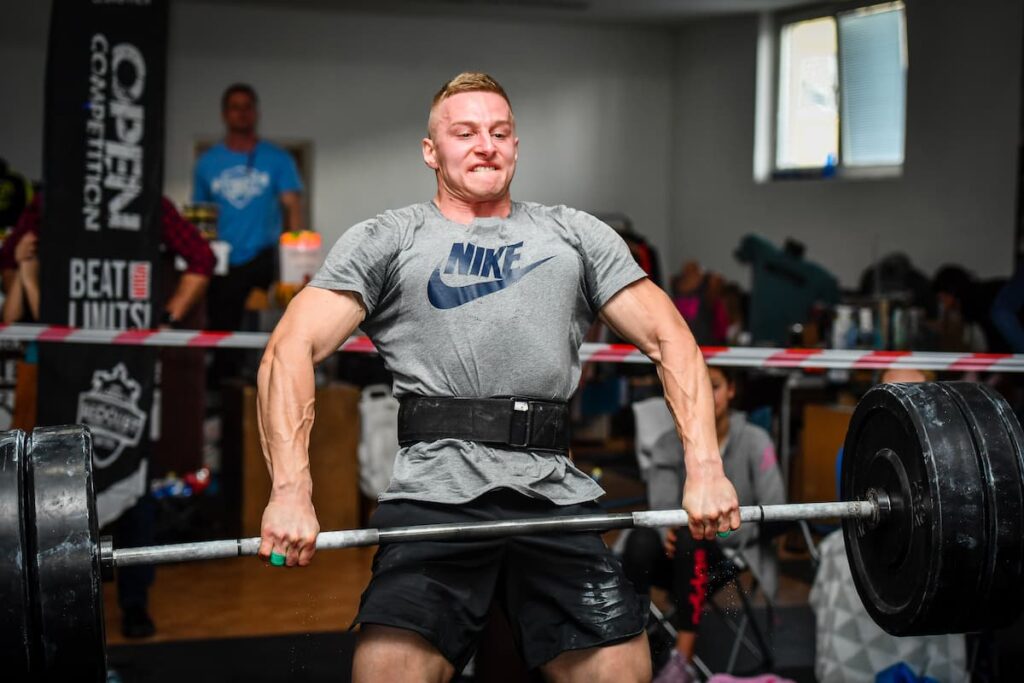
Optimise your post workout foods because when it comes to building muscle and recovering from intense workouts, protein plays a pivotal role.
This essential nutrient is the building block of muscle tissue, helping to repair the micro-tears caused by weight lifting or strenuous exercise. Consuming adequate amounts of protein is not just about quantity; it’s also about timing and quality to maximize muscle gain and recovery.


Protein’s role in post-workout nutrition is crucial. After a workout, your body is in a state known as the “anabolic window,” a period when your muscles are particularly receptive to nutrients and can use them to repair and grow.

Protein provides the amino acids necessary to rebuild muscle fibers and facilitate growth. This is why a high-protein post-workout meal is not just beneficial but essential for anyone looking to increase muscle mass and improve recovery times.
The timing of protein intake plays a significant role in how effectively your body utilizes it for muscle repair. Research suggests that consuming protein shortly after exercising—typically within 30 to 45 minutes—can significantly enhance the muscle recovery process. This timing helps to capitalize on the increased blood flow to the muscles immediately after exercise, which increases the delivery of amino acids to the muscle, enhancing muscle synthesis and reducing recovery time.
In the upcoming sections, we will delve into the top three high-protein foods that are not only packed with the necessary nutrients to foster muscle repair but are also convenient and versatile enough to fit into any dietary regimen. Each of these foods provides unique benefits, making them indispensable in your post-workout nutrition plan.
1. Post Workout Foods: Greek Yogurt
Greek yogurt stands out in the dairy aisle due to its rich, creamy texture and impressive nutritional profile. It is particularly renowned for its high protein content, which is about double that of regular yogurt.
5 Tips to Lose Love Handles for Good
A typical serving (one cup) of non-fat Greek yogurt contains around 20 grams of protein, alongside essential nutrients such as calcium, vitamin B-12, iodine, and potassium. It also contains probiotics, which are beneficial for gut health.

Benefits of Greek Yogurt for Muscle Repair and Growth
The protein in Greek yogurt is predominantly casein, a slow-digesting protein that provides a steady supply of amino acids to muscle tissues over several hours. This makes Greek yogurt particularly beneficial for muscle repair and growth, as it helps sustain muscle protein synthesis, the process through which the body rebuilds and strengthens muscle fibers.
The calcium found in Greek yogurt also plays a key role in muscle function and metabolic processes essential for recovery and growth.
How to Incorporate Greek Yogurt into Post-Workout Meals
Greek yogurt is incredibly versatile and can be easily incorporated into your post-workout meal regimen. It can serve as the protein-rich base for a variety of dishes, or it can be a simple, quick snack on its own. Its creamy texture makes it an excellent addition to smoothies, boosting their protein content without altering the flavor significantly.
Post Workout Foods: Recipe Ideas
Greek Yogurt with Berries and Granola: Combine a cup of Greek yogurt with a handful of mixed berries such as strawberries, blueberries, and raspberries for a burst of antioxidants, topped with a sprinkle of granola for a satisfying crunch and extra fiber.
This meal is not only delicious but also packs a punch of protein, fiber, and essential nutrients, making it an ideal post-workout snack.
Greek Yogurt Smoothies: For a refreshing post-workout drink, blend Greek yogurt with your choice of fruits such as bananas or mangoes, a tablespoon of honey for natural sweetness, and a handful of spinach for an iron boost.
How Long Should You Diet to Get a Six-Pack?
Add a scoop of protein powder for an extra protein hit if desired. This smoothie is a perfect way to replenish your body after a rigorous workout session, providing essential proteins and carbohydrates for muscle recovery and energy replenishment.
By integrating Greek yogurt into your post-workout diet, you’re not only enjoying a delicious treat but also aiding your muscles in the recovery and growth process, ensuring you’re ready and at your best for your next workout.
2. Post Workout Foods: Chicken Breast
Chicken breast is a staple in the diet of many health enthusiasts and athletes due to its exceptional nutritional profile. It is particularly valued for its high protein content with a relatively low amount of fat, making it an ideal choice for muscle maintenance and growth.
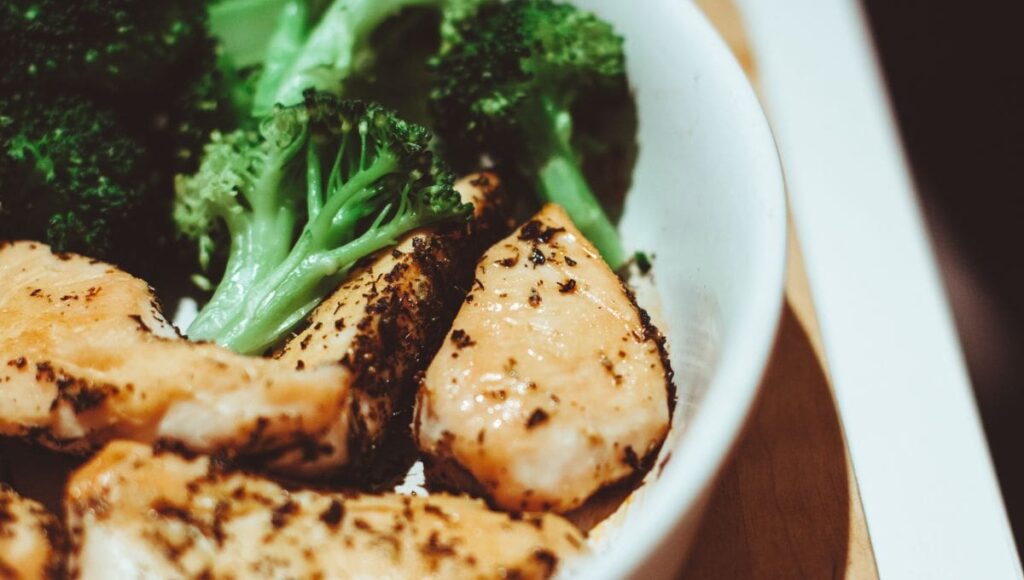
A typical 3-ounce serving of cooked chicken breast contains about 26 grams of protein while being low in calories. This lean meat also provides important vitamins and minerals such as B vitamins (especially niacin and B6), phosphorus, selenium, and iron, which are vital for overall health and metabolic functions.
Lean Protein Content and Muscle Recovery
The high-quality, lean protein found in chicken breast is crucial for muscle recovery and growth. Protein from chicken is complete, meaning it provides all the essential amino acids necessary for muscle repair. After a workout, the body needs these amino acids to heal the microtears in muscle fibers caused by intense exercise. Consuming chicken breast post-workout ensures a supply of these essential nutrients, facilitating quicker recovery and efficient muscle growth.
Ways to Prepare and Consume Chicken Breast Post-Workout
Chicken breast is incredibly versatile and can be prepared in numerous healthy ways to fit into any post-workout meal:
- Grilled: Grilling chicken preserves its leanness while adding a satisfying charred flavor.
- Baked: Baking chicken with a variety of herbs and spices allows for a flavorful, low-fat meal option.
- Boiled or Poached: For a no-fuss preparation, boiling or poaching chicken keeps it moist and tender, ideal for shredding into salads or wraps.
Post Workout Foods: Recipe Ideas
Grilled Chicken Salad: Toss slices of grilled chicken breast with mixed greens, cherry tomatoes, cucumbers, and avocados. Drizzle with a vinaigrette made from olive oil, lemon juice, salt, and pepper. This salad is refreshing, full of nutrients, and provides a balanced meal of proteins, fats, and carbohydrates.
Chicken and Vegetable Stir-Fry: Sauté sliced chicken breast with a selection of colorful vegetables like bell peppers, broccoli, and snap peas. Add garlic, ginger, and a splash of soy sauce or tamari for flavor. Serve this stir-fry over a small portion of brown rice or quinoa for a complete meal that replenishes energy stores and aids muscle recovery.
Incorporating chicken breast into your post-workout routine can significantly contribute to your fitness goals, providing the necessary nutrients for muscle repair, while also being adaptable to a wide range of dietary preferences.
3. Post Workout Foods: Cottage Cheese
Cottage cheese is often overshadowed by more popular dairy products, but it’s a powerhouse when it comes to nutritional benefits, especially for athletes and those looking to gain muscle. Low in fat and high in protein, cottage cheese provides about 28 grams of protein per cup, making it an excellent choice for a muscle-repairing post-workout snack.
It also offers a good amount of calcium, which is essential for bone health and muscle function.
Advantages of the Slow-Digesting Casein Protein in Cottage Cheese
One of the key benefits of cottage cheese is its high content of casein protein, a slow-digesting protein that provides a prolonged release of amino acids into the bloodstream. This makes it particularly beneficial for muscle recovery, especially when consumed post-workout or before bed.
The slow and steady absorption helps to sustain muscle protein synthesis over a longer period, potentially reducing muscle breakdown and supporting growth.
Suggested Ways to Eat Cottage Cheese After a Workout
Cottage cheese is incredibly versatile and can be consumed in several ways to suit different tastes and recovery needs:

- Plain: Enjoy it straight out of the container for a quick and easy protein-rich snack.
- With Fruits: Combine it with fresh or dried fruits for added vitamins and a touch of natural sweetness.
- As a Dip or Spread: Mix it with herbs and spices to use as a dip for vegetables or a spread on whole grain crackers.
Post Workout Foods: Recipe Ideas
Cottage Cheese with Pineapple: Mix a cup of cottage cheese with chopped fresh pineapple. The sweetness of the pineapple complements the mild flavor of the cottage cheese, providing a refreshing and tropical twist that also offers the added benefits of bromelain, an enzyme in pineapple that can help reduce inflammation and aid digestion.
Cottage Cheese and Pepper Crackers: Spread cottage cheese on whole grain or pepper-flavored crackers for a satisfying crunch. Top with a sprinkle of cracked black pepper or a dash of hot sauce for an extra flavor kick. This combination not only satisfies hunger but also helps to replenish sodium lost through sweat during a workout.
By incorporating cottage cheese into your post-workout diet, you’re opting for a nutritious, protein-packed food that supports sustained muscle recovery and growth. Whether you prefer it sweet or savory, cottage cheese can be a delightful part of your muscle-building regimen.
Post Workout Foods: Comparing the Benefits
When considering the best high-protein foods to incorporate into your post-workout regimen, Greek yogurt, chicken breast, and cottage cheese each offer unique benefits that cater to different dietary needs and workout recovery requirements.
Here’s a detailed comparison of their protein content and other health benefits to help you decide which might be best for your fitness goals.
Protein Content and Nutritional Benefits
- Greek Yogurt: Typically, one cup of Greek yogurt contains around 20 grams of protein, mostly from casein, which is a slow-digesting protein. It is also rich in calcium, probiotics, and iodine, which enhance gut health and metabolic function.
- Chicken Breast: A 3-ounce serving of cooked chicken breast provides about 26 grams of high-quality, complete protein. It’s rich in B vitamins, particularly niacin and B6, which are essential for energy production and efficient metabolic function. It’s also low in fat, making it an excellent choice for lean muscle maintenance.
- Cottage Cheese: One cup of cottage cheese offers about 28 grams of protein, predominantly casein, which ensures a slow and steady amino acid supply. It’s also a good source of calcium and serves as a versatile low-calorie option that can be beneficial for weight management.
Best Choices Based on Workout Type and Dietary Needs
For Endurance Athletes: After long-duration endurance workouts, such as running or cycling, replenishing glycogen stores is as important as protein intake. Greek yogurt or cottage cheese mixed with fruits can provide a good balance of protein and carbohydrates.
For Strength Training: Following strength training, where muscle repair is crucial, the high protein content in chicken breast makes it particularly beneficial. It provides the necessary amino acids for muscle recovery without extra calories from fat.
For Weight Management: If you’re looking to build muscle while managing your weight, cottage cheese is an excellent option due to its high protein and low calorie content. It can be a particularly good choice for evening snacks due to its casein protein content, which helps reduce muscle breakdown during sleep.
For General Fitness Enthusiasts: For those who engage in moderate exercise and are looking for convenient yet healthy options, Greek yogurt offers ease of use, portability, and a balance of nutrients alongside its protein content.
Each of these foods has its strengths depending on your specific fitness goals and dietary preferences. Combining elements from each can also be an effective strategy to maximize muscle repair, growth, and overall health. Choosing the right post-workout food involves considering what your body needs to recover effectively and what fits best into your overall diet and lifestyle.
Practical Tips for Incorporating These Foods into Your Diet
Incorporating high-protein foods like Greek yogurt, chicken breast, and cottage cheese into your post-workout routine not only accelerates muscle recovery and growth but also enhances overall health.
Here are some practical tips on meal prep and how to combine these foods with other nutrients for balanced post-workout meals.
Tips on Meal Prep for Easy Access After Workouts
Pre-Cook Protein Sources: Cook a batch of chicken breasts at the beginning of the week. Grill, bake, or poach them and store in the refrigerator. This makes it easy to slice or dice for salads, wraps, or quick stir-fries throughout the week.
Portion and Pack: Divide Greek yogurt into single-serving containers. You can mix in frozen berries or nuts and seeds for a grab-and-go option. Similarly, portion out cottage cheese into containers and pair with cut-up fruits or a small bag of whole-grain crackers.
Prepare Mix-Ins in Advance: Chop fruits like pineapple or mango for the cottage cheese or prepare a homemade granola for the Greek yogurt. Store these in separate containers so you can quickly top your protein base and eat.
Use Freezer Options Smartly: Freeze cooked chicken in portion-sized bags. Thaw in the fridge the night before you plan to use it, ensuring you always have a protein source ready for your post-workout meal.
Suggestions for Combining These High-Protein Foods with Other Nutrients
Balance with Carbohydrates: After a workout, it’s important to replenish glycogen stores with carbohydrates. Combine Greek yogurt with a banana or a mix of berries, blend cooked chicken breast with quinoa or brown rice, and mix cottage cheese with high-fiber fruits like apples or pears.
Include Healthy Fats: Add avocado slices to a chicken salad, mix nuts or seeds into your Greek yogurt, or drizzle some flaxseed oil over your cottage cheese. Healthy fats help with inflammation and can enhance the absorption of fat-soluble vitamins.
Add Vegetables for Fiber and Micronutrients: Incorporate a variety of vegetables like leafy greens in salads with grilled chicken, bell peppers and cucumbers with cottage cheese, or steamed vegetables in a stir-fry with chicken breast. Vegetables add fiber, which helps keep you full and aids in digestion.
Use Herbs and Spices for Flavor and Health Benefits: Season your meals with herbs and spices instead of salt. For example, add cinnamon to Greek yogurt, paprika to chicken, or chives to cottage cheese. Herbs and spices enhance flavor while also providing health benefits.
By preparing in advance and combining these protein-rich foods with carbohydrates, fats, and vegetables, you can create delicious, nutritious, and balanced meals that support your workout recovery and overall health goals.
Conclusion
Incorporating high-protein foods into your post-workout regimen is essential for anyone looking to optimize muscle repair, growth, and overall fitness. Greek yogurt, chicken breast, and cottage cheese each offer unique benefits that can cater to different dietary needs and fitness goals.
Whether you’re an endurance athlete needing a mix of carbs and protein, a strength trainer focusing on muscle recovery, or someone managing weight while trying to stay fit, these foods provide versatile, nutritious options.
Understanding the roles of Greek yogurt, chicken breast, and cottage cheese in muscle recovery enables you to make informed choices about your diet. With practical meal-prep strategies and creative ways to mix these proteins with other healthy foods, you can ensure that your body receives the nourishment it needs in a convenient and delicious manner.
Experiment with different combinations and recipes to keep your post-workout meals interesting and aligned with your dietary preferences. By doing so, you not only enhance your physical recovery but also enjoy the journey of maintaining a healthy, balanced diet.
Remember, the key to sustained fitness is not just in the exercise you do but also in the nutrients you provide your body afterward. Keep exploring, keep adjusting, and most importantly, keep fueling your body with the right ingredients it needs to perform at its best.