Muscle building is more than just an avenue to a more aesthetic physique; it’s a cornerstone of healthy living. Strengthening muscles through targeted exercise not only enhances physical appearance but also significantly boosts overall health and fitness.
Benefits range from improved metabolism and bone density to better posture and reduced risk of chronic diseases.


When it comes to upper body training, many adhere to tried-and-true methods like bench presses, push-ups, and bicep curls.
These conventional exercises are undoubtedly effective and form the backbone of strength training. However, the human body is remarkably adaptable and can quickly plateau if subjected to the same routines repeatedly. This necessitates a fresh approach to stimulate muscles in new ways, ensuring continuous growth and improvement.
Table of Contents
The purpose of this article is to diverge from the mainstream path and shed light on three lesser-known but potent techniques that can dramatically enhance upper body muscle growth. These methods not only provide new challenges but also help break through plateaus, offering exciting progress where you might least expect it.
So, let’s delve into these unconventional strategies and discover how they can help you achieve a stronger, more sculpted upper body.
3 Unusual Muscle Building Tips for a Jacked Upper Body
1. Eccentric Overload Training
Eccentric overload training is a strength training technique that emphasizes the eccentric, or lowering, phase of an exercise.
This approach contrasts with traditional resistance training, which typically focuses equally on both the concentric (muscle shortening) and eccentric (muscle lengthening) phases. In eccentric overload, the key is to increase the load or tension during the muscle lengthening process, which can be more demanding and thus potentially more beneficial than the lifting phase.
Benefits for Muscle Growth
Scientific research underscores the effectiveness of eccentric overload in promoting muscle hypertrophy—more so than concentric training alone. When muscles lengthen under tension, they experience microscopic tears, which are critical for muscle growth through repair and strengthening processes.
This type of training can also lead to increased muscle fiber activation and improvements in muscular endurance and strength. The additional stress placed on the muscles during the eccentric phase effectively stimulates adaptation mechanisms that lead to larger muscle gains.
Practical Application

To incorporate eccentric overload into your routine, consider modifying common exercises to place more emphasis on the lowering phase. For example:
- Bench Press: Perform a regular bench press but lower the bar slowly to a count of three to five seconds.
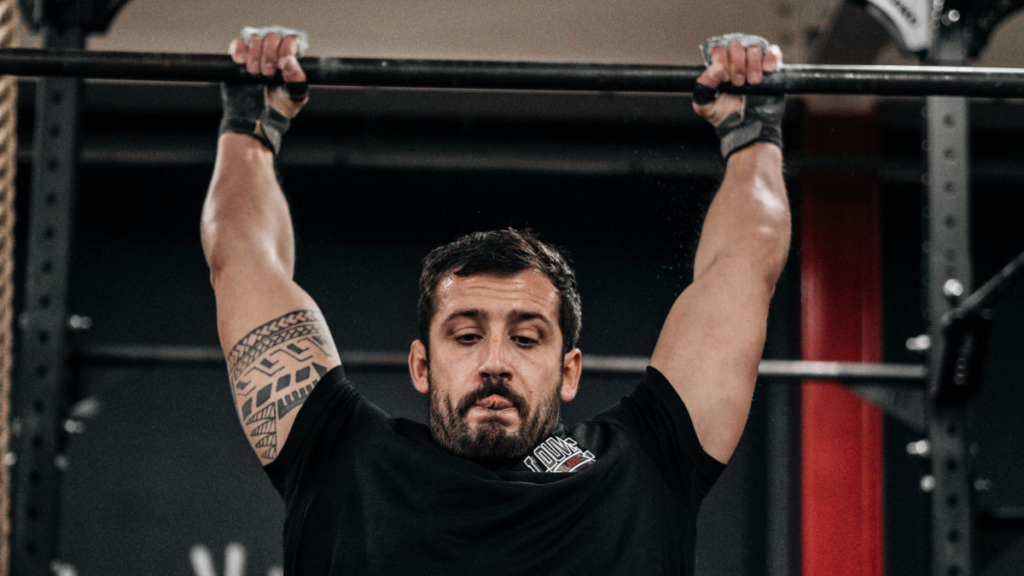
- Pull-Ups: Focus on a slow, controlled descent after pulling yourself up to the bar.
- Leg Curls: Use a traditional leg curl machine but increase the resistance during the lowering movement, allowing for a slow and controlled return to the starting position.
These exercises ensure that your muscles are under tension for a longer period during the eccentric phase, maximizing growth stimuli.
How to Safely Incorporate This Technique Into a Workout Routine
Start Slowly: If you are new to eccentric training, begin with lighter weights to get used to the increased strain of the lowering phase.
Use a Spotter: Especially when applying heavier loads, a spotter can help manage the weight safely during the more challenging eccentric phase.
Focus on Form: Maintain good form throughout each exercise to prevent injuries. Poor form, particularly under heavier loads, can lead to muscle strains or other injuries.
The Easiest Way to Get Lean (From 30% to 10% Body Fat)
Incorporate Recovery: Eccentric training can be more taxing on the muscles and connective tissues, so ensure adequate recovery time between sessions targeting the same muscle groups.
By following these guidelines, eccentric overload training can be a safe and highly effective way to enhance muscle growth and achieve a more robust and sculpted upper body.
2. Blood Flow Restriction (BFR) Training
Blood Flow Restriction (BFR) training is a cutting-edge exercise technique that involves applying a band or cuff to the limbs while exercising to partially restrict blood flow. This restriction is not meant to cut off circulation completely but to limit the amount of blood that can leave the muscle.
The principle behind BFR training is to create an environment in the muscles that enhances muscle protein synthesis through metabolic stress and increased cellular swelling, which occurs due to the accumulation of blood and metabolic byproducts like lactic acid.
Benefits for Muscle Growth
BFR training allows individuals to use significantly lighter weights while still achieving growth similar to heavy lifting. Studies have shown that BFR training can increase muscle protein synthesis rates, leading to rapid increases in muscle size and strength.
7 Best Exercises for a Stronger Back
The mechanism involves the accumulation of metabolites like lactic acid, which helps to stimulate growth hormone production, a key factor in muscle growth. Importantly, because the weights used are lighter, there’s less mechanical stress on joints and tendons, which makes BFR an excellent strategy for those recovering from injury or those who are unable to lift heavier weights due to other constraints.
Practical Application
To safely use BFR bands during exercises, follow these steps:
- Placement: Place the BFR bands just proximal to the biceps for upper body exercises like bicep curls and tricep extensions. Ensure the band is tight enough to restrict venous flow but not so tight that it cuts off arterial circulation.
- Intensity and Volume: Use a weight that is about 20-30% of your one-rep max, and aim for a higher volume of repetitions, typically 15-30 reps per set with short rest periods between sets.
- Monitoring: Pay attention to how the limb feels during the workout. Mild discomfort is normal, but pain, numbness, or a cold sensation are indicators that the bands are too tight and should be adjusted.
Addressing Common Concerns and Safety Tips

Safety First: Never use BFR training if you have a history of circulatory or vascular disease without consulting a healthcare professional.
Proper Banding: Use specially designed BFR cuffs or bands rather than makeshift items like rope or elastic bands, which can be uneven and unsafe.
Start Gradually: Begin with lighter pressures and shorter training sessions to allow your body to adapt to the sensations and stresses of BFR.
Stay Hydrated: As with any form of exercise, maintaining hydration is crucial, especially as BFR training can significantly increase sweat and fluid loss.
By adhering to these guidelines, BFR training can be a powerful and safe tool to enhance muscle growth and improve strength, especially when traditional heavy lifting is not feasible.
3. Isometric Holds for Time Under Tension
Isometric training involves exercises where the muscle length does not change and the joints involved do not move, even though the muscles are contracted. This form of exercise focuses on holding a position under tension.
The role of isometric training in muscle development is significant, as it helps improve muscular endurance, increase strength, and can contribute to better muscle stabilization.
Benefits for Muscle Growth
Isometric holds increase time under tension—a key factor in muscle growth—without the wear and tear caused by moving weights.
This prolonged tension helps to maximize the recruitment of muscle fibers, particularly those that are not always engaged during dynamic movements.
This can lead to enhanced muscle strength and noticeable increases in muscle size. Studies have shown that isometric training can also lead to improvements in static strength and can be an effective way to overcome plateaus in traditional weight training.
Practical Application

To incorporate isometric holds into your routine, consider these exercises targeted at different upper body muscles:
Planks: Ideal for the core, maintaining a plank position engages a wide array of stabilizing muscles throughout the upper body.
Wall Sits: While primarily known for targeting the legs, wall sits can be modified to engage the shoulders and upper back by pressing the arms against the wall above your head.
Isometric Push-Ups: Hold the body in a lowered push-up position to target the chest, shoulders, and triceps.
What Happens If You Eat ZERO Carbs and Sugar for 1 Week?
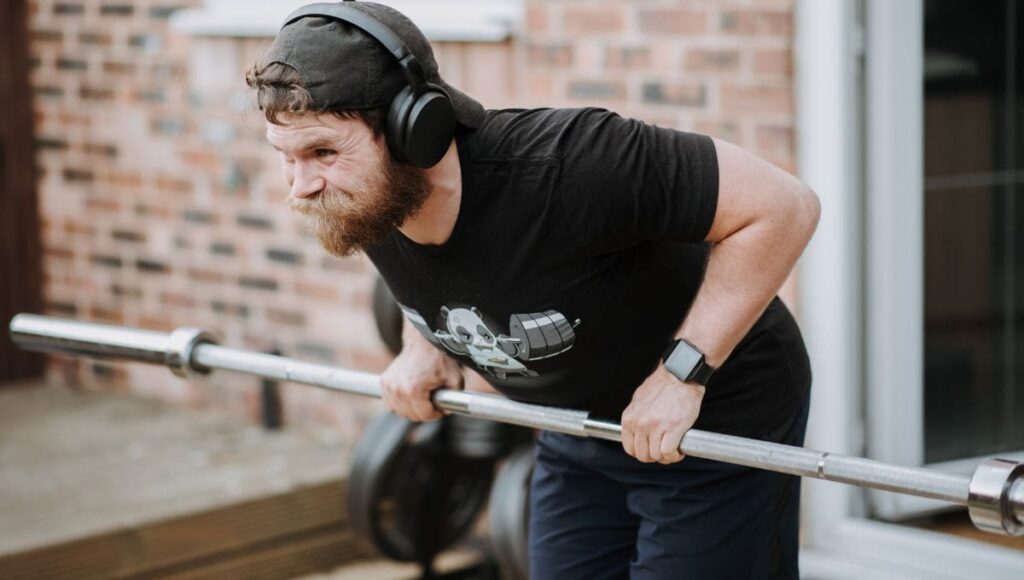
Door Frame Rows: Stand in a doorway, grasp both sides of the frame, and pull yourself forward without moving your feet, focusing on squeezing the shoulder blades together.
Guidelines on Duration and Frequency
- Duration: Start with holding each position for 20-30 seconds per set. As you build endurance, aim to extend the hold time up to 60 seconds.
- Frequency: Incorporate isometric holds 2-3 times per week, allowing for at least 48 hours of recovery between sessions to optimize muscle recovery and growth.
- Progression: Increase the intensity of the holds by adding more time or by incorporating slight movements within the hold position to further challenge the muscles.
By following these guidelines, you can effectively use isometric holds to enhance muscle strength and size. This training method is not only effective for building muscles but also highly beneficial for those needing low-impact exercises due to joint concerns.
Conclusion
Incorporating unconventional methods like eccentric overload training, blood flow restriction (BFR) training, and isometric holds into your upper body workout regimen can open up new pathways to muscle growth and strength gains.
Each of these techniques offers a unique approach to stimulate your muscles in ways that traditional exercises might not, helping you break through plateaus and keep your training sessions fresh and effective.
Eccentric overload focuses on the lengthening phase of muscle contractions, providing intense stimuli for muscle growth due to increased tension.
Blood flow restriction training allows you to use lighter weights while still achieving significant hypertrophy by enhancing metabolic stress. Isometric holds increase muscle endurance and strength by maximizing time under tension and engaging muscle fibers continuously.
By blending these methods into your existing workout plan, you can achieve more pronounced muscle development, improved overall fitness, and greater functional strength.
Remember, the key to success in any fitness program is consistency, proper technique, and ensuring adequate recovery. Always consider consulting with a fitness professional when trying out new techniques, especially those that involve significant changes to your routine, to ensure they are performed safely and effectively.
Embrace these unusual muscle-building tips to keep your workouts challenging and enjoy the journey towards a stronger, more jacked upper body. Whether you’re looking to enhance your physique, boost your performance, or simply add variety to your fitness routine, these strategies can provide you with the tools you need to succeed.
Studies
Study: “The effects of eccentric training on muscle strength, muscle size, and EMG activity in humans.”
- Authors: Hedayatpour N., Falla D.
- Publication: European Journal of Applied Physiology
- Date: April 2009
Details: This study explores the physiological effects of eccentric training, finding that emphasizing the eccentric phase of muscle contractions during training leads to significant increases in muscle strength and size. The study also highlights increased electromyographic (EMG) activity, which suggests higher muscle fiber activation during eccentric movements.
Study: “Low-intensity blood flow restriction training: a meta-analysis.”
- Authors: Luebbers P.E., Fry A.C., Kriley L.M., Butler M.S.
- Publication: European Journal of Applied Physiology
- Date: March 2014
Details: This meta-analysis reviews several studies on BFR training and concludes that low-intensity exercise combined with blood flow restriction can lead to increases in muscle hypertrophy and strength comparable to those seen with high-intensity training.
The synthesis of research indicates that BFR training is particularly useful for those unable to perform high-load exercise due to injury or other limitations.
Study: “Isometric training and long-term adaptations: Effects of muscle length, intensity, and intent: A systematic review.”
- Authors: Oranchuk D.J., Storey A.G., Nelson A.R., Cronin J.B.
- Publication: Scandinavian Journal of Medicine & Science in Sports
- Date: April 2019
Details: This systematic review assesses the long-term adaptations to isometric training, noting significant improvements in muscle strength and size across various studies.
The review emphasizes that isometric exercises performed at different muscle lengths and with high intensity can effectively increase time under tension, leading to greater muscle hypertrophy and strength gains.