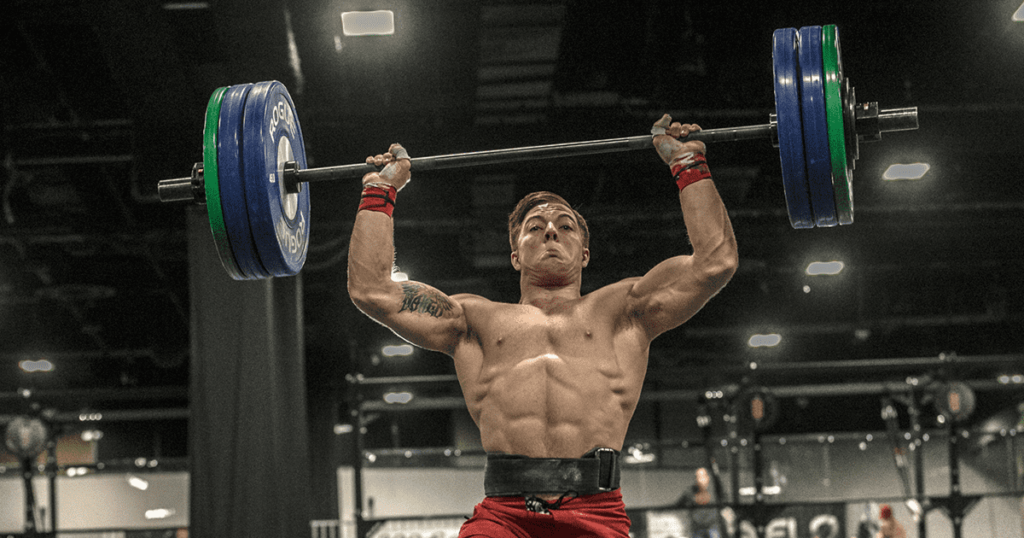
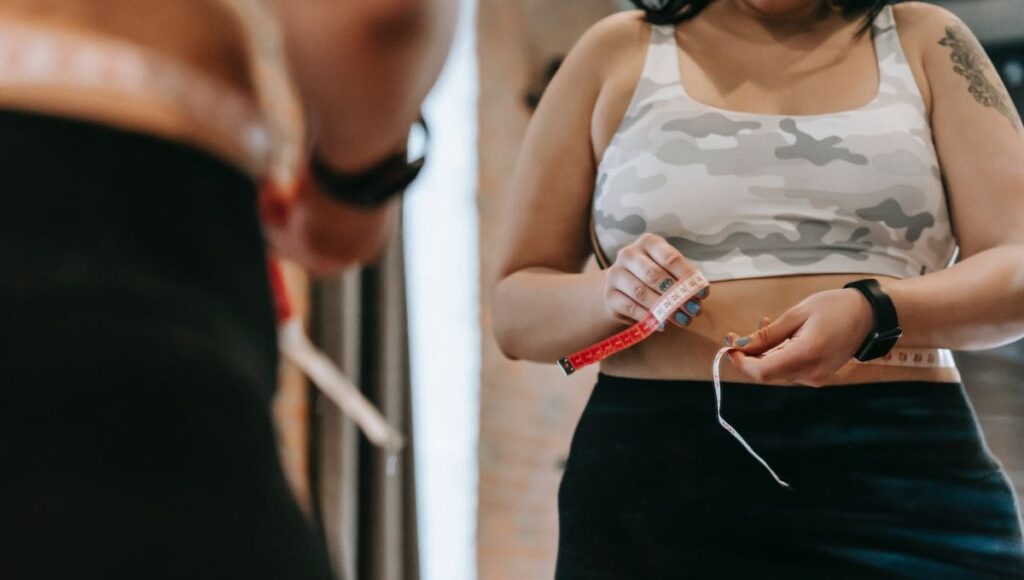
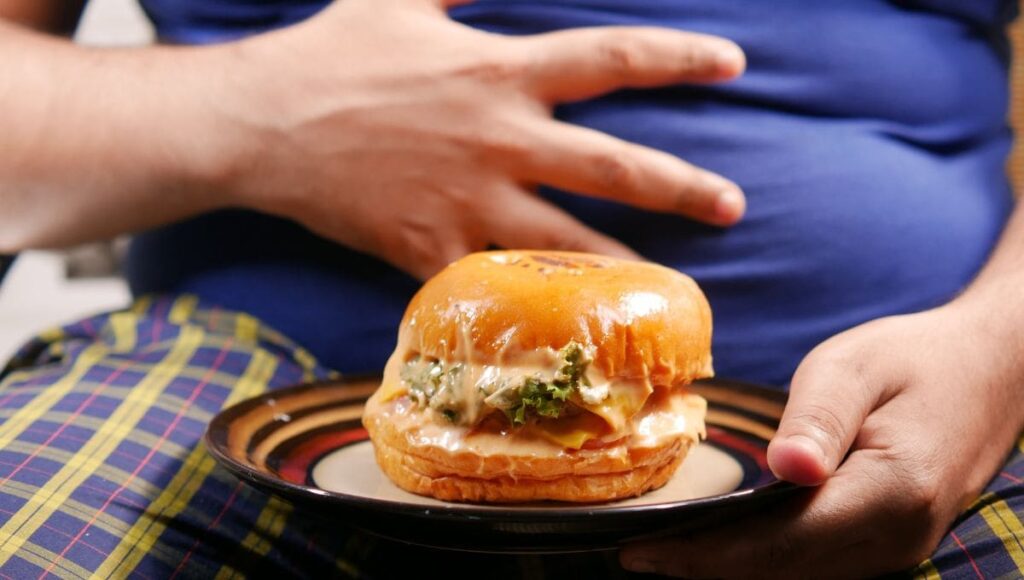
Lower belly fat is a common concern for both gym enthusiasts and professional bodybuilders. Despite consistent efforts to achieve a flat midsection, many find it challenging to burn off that last bit of stubborn fat around the lower midsection. While it’s well-known that achieving a calorie deficit, avoiding processed foods, and exercising regularly are crucial steps, there are several lesser-known factors that can impact your progress.
Max Posternak talked about 7 things nobody tells you about lower belly fat in one of his recent videos. Max Posternak is the founder of Gravity Transformation, a website focused on giving tips and training guidance for people looking to improve their fitness and lose weight. His YouTube channel has over 4.8 million subscribers.


Here are the top seven insights into lower belly fat that can help you set realistic expectations and effectively target this stubborn area.
7 Things Nobody Tells You About Lower Belly Fat
1. Unrealistic Expectations of a Perfect Six-Pack
One of the most common misconceptions is that a perfect six-pack will look chiseled and flawless at all times, regardless of body position, food intake, or relaxation level. This is not true. Human anatomy is designed to be flexible and functional, not perpetually rigid. The skin and underlying tissues need to stretch and fold to accommodate movement and changes in body position.
Even professional bodybuilders and fitness models do not maintain a perfect set of abs at all times. After eating a big meal or when sitting down, it’s normal to have some folds, creases, and rolls. The appearance of the abs can vary significantly depending on the body’s condition and positioning.

2. Alpha and Beta Receptors in Fat Cells
Fat cells contain alpha and beta receptors, which influence how fat is stored and mobilized. Beta receptors stimulate fat breakdown, while alpha receptors inhibit it. Unfortunately, the lower belly has a higher concentration of alpha receptors, making fat in this area more resistant to breakdown. This biological factor means that even when you’re in a calorie deficit, the lower belly fat is harder to lose compared to fat in other areas like the arms, legs, and face.
3. Metabolic Adaptation
Metabolic adaptation, also known as adaptive thermogenesis, is a process where the body adjusts its energy expenditure in response to changes in diet and activity levels. When you consume fewer calories, your metabolism slows down to conserve energy, making it harder to continue losing fat over time.
As you lose weight, your body requires less energy to maintain a smaller body mass, necessitating continuous adjustments to your calorie intake and macronutrient requirements. Hitting a plateau is common, and to break through, you might need to reduce your calorie intake further or increase your physical activity.
4. Blood Flow and Fat Cell Size
The lower belly area receives less blood flow and has larger fat cells than many other parts of the body. Blood flow is essential for fat loss because it ensures that fat-mobilizing hormones can reach fat cells effectively. Reduced blood flow to the lower belly means fewer hormones can stimulate fat breakdown in this area. Additionally, larger fat cells are more resistant to breakdown, making it even more challenging to lose lower belly fat.
5. Genetic Influence

Genetics play a significant role in fat storage patterns and the anatomy of abdominal muscles. Some people are genetically predisposed to store more fat in the abdominal region, including the lower belly. Similarly, the shape and insertion points of the obliques and rectus abdominis muscles are influenced by genetics. This means that even with the same body fat percentage, two people can have very different-looking abs.
6. Misleading Supplement Claims
Many supplements claim to target belly fat specifically, but these claims are misleading. Fat burners, thermogenics, fat blockers, and appetite suppressants can aid in overall fat loss by increasing metabolism or reducing calorie intake. However, they do not target belly fat specifically. Fat loss occurs uniformly across the body based on overall caloric deficit and genetic factors. No supplement can selectively burn lower belly fat.
7. Impact of Posture
Your posture, even when standing upright, can affect the appearance of your lower belly fat. Poor posture, such as shoulder protraction (slouching) or anterior pelvic tilt (pelvis tilted forward), can make the lower belly appear more pronounced. Improving your posture by strengthening your hips and upper back, sitting less, and practicing good posture can help make your midsection appear flatter. While this doesn’t reduce fat, it can improve the overall appearance of your lower belly.
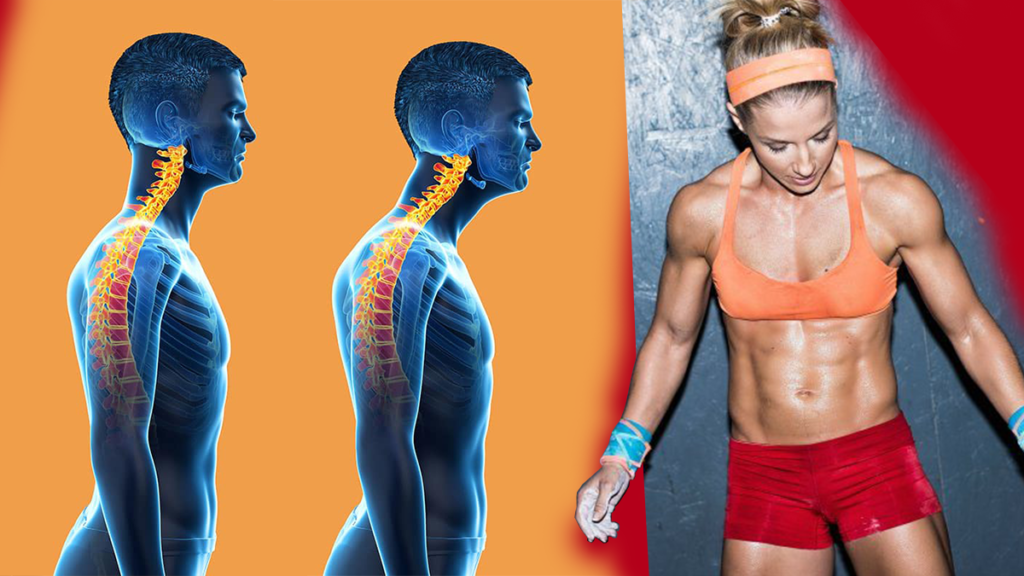
Understanding these seven insights can help set realistic expectations and improve your strategy for targeting lower belly fat. Remember, it’s normal to have some folds and creases when sitting down or relaxing. Focus on overall fat loss through a calorie deficit, regular exercise, and a healthy diet, and be aware of factors like metabolic adaptation and genetic influences. Improving posture and being cautious of misleading supplement claims can also aid in your journey to a flatter midsection.
Read More: 1000 Reps Of Abs For 7 Days in a Row: What Happens To Your Body?