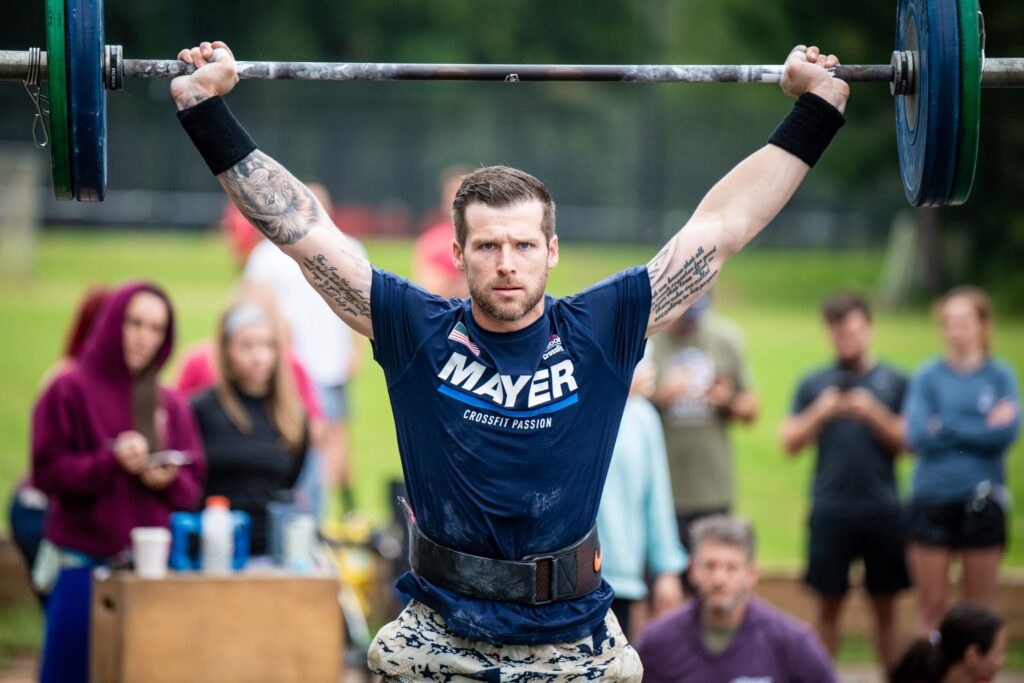
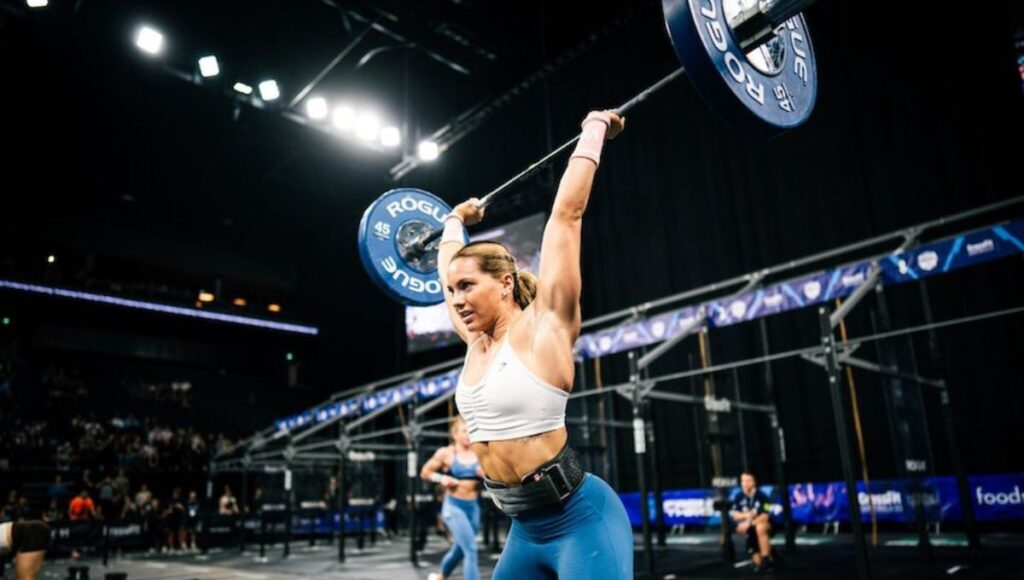
Snatch balance, this dynamic exercise not only enhances your strength but also improves your overall lifting technique. Whether you’re a seasoned lifter or just starting out, understanding the snatch balance can significantly boost your performance and help you achieve your fitness goals faster.


What is the Snatch Balance?
The snatch balance is a weightlifting movement that combines elements of the snatch and overhead squat. It involves explosively pushing a barbell overhead while dropping into a squat position to catch the weight. This exercise requires coordination, balance, and strength, making it a staple in the training routines of Olympic weightlifters and CrossFit athletes alike.
Understanding the Snatch Balance Technique
The snatch balance begins with the barbell positioned at shoulder height in a racked position. Gripping the bar slightly wider than shoulder-width, maintain a stable stance with feet hip-width apart. The movement initiates with a slight dip of the knees and hips, generating momentum to drive the barbell overhead. This dip-and-drive action is crucial for setting up the explosive extension of the hips, knees, and ankles, propelling the barbell upwards.
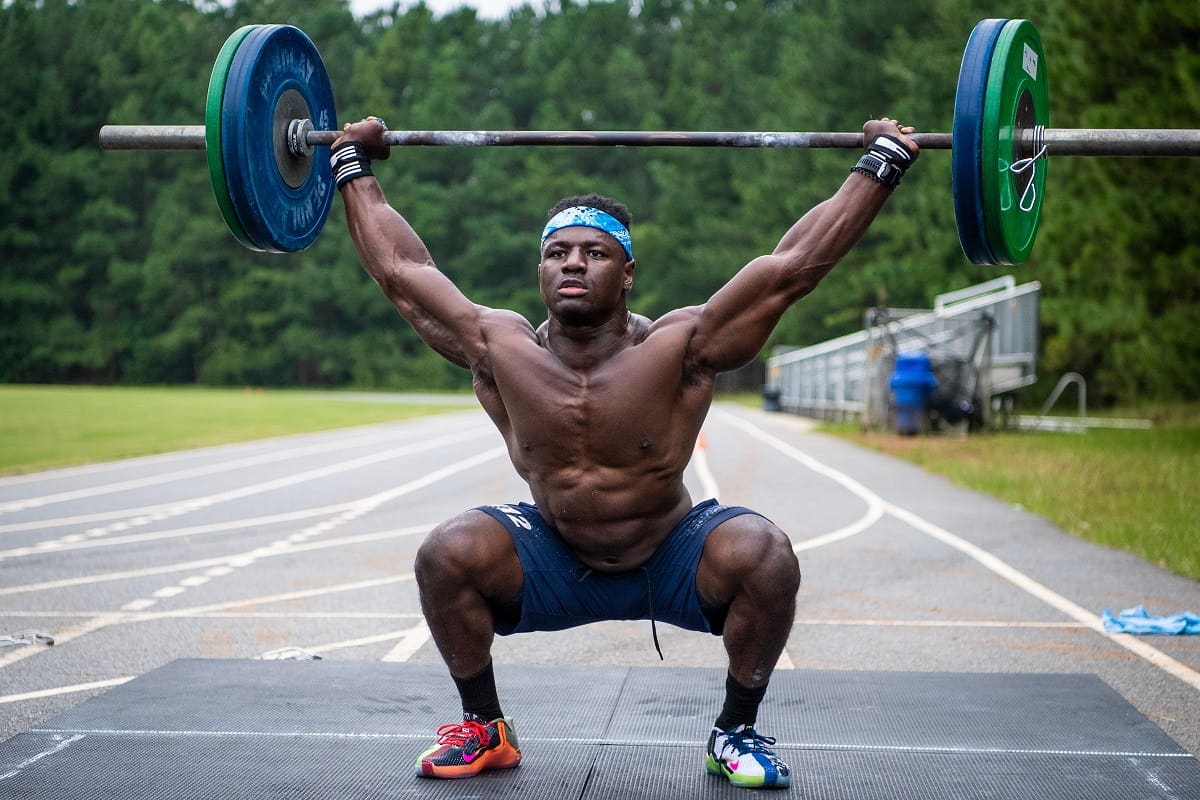
As you extend forcefully, simultaneously drop into a squat position to catch the barbell overhead. This rapid descent requires agility and flexibility, ensuring the arms are fully extended to support the weight. The depth of the squat should be sufficient to maintain balance and control, with the barbell aligned over the midline of the body. Once stabilized, stand up from the squat to complete the lift, maintaining proper posture and alignment throughout.
Mastering the Technique
Perfecting the technique of the snatch balance starts with understanding the proper setup and execution:
- Starting Position: Begin with the barbell racked at shoulder height. Grip the bar slightly wider than shoulder-width apart, and position yourself with feet hip-width apart.
- Initiating the Movement: Dip slightly by bending your knees and hips, maintaining an upright torso. This movement generates momentum to drive the bar overhead.
- Driving Up: Explosively extend your hips, knees, and ankles, pushing the barbell upward. Simultaneously, press yourself under the bar by quickly dropping into a squat position.
- Catching the Weight: Receive the barbell in a full squat position with arms fully extended overhead. Maintain stability and control throughout the movement.
- Standing Up: Once stable, stand up from the squat to complete the lift. Ensure you maintain proper alignment of the barbell over your midline.
Benefits of Snatch Balance
Integrating snatch balances into your training regimen offers a multitude of benefits:
- Enhanced Coordination: Improves the synchronicity of explosive movements, translating to better overall athletic performance.
- Increased Power Output: Develops rapid force production essential for various sports and activities.
- Improved Flexibility: Enhances mobility in the shoulders, hips, and ankles, crucial for maintaining proper lifting form and reducing injury risk.
- Core Strength: Engages the core muscles throughout the movement, promoting stability and balance.
Common Mistakes to Avoid
To optimize your snatch balance technique, steer clear of these common errors:
- Insufficient Dip: Inadequate knee and hip bend before driving the barbell overhead can compromise the lift’s power and stability.
- Forward Bar Path: Failing to keep the barbell in a vertical path overhead during the movement can lead to loss of balance and potential injury.
- Incomplete Squat: Not achieving a full-depth squat upon catching the weight reduces the effectiveness of the exercise and limits its benefits.
- Over-Gripping: Holding the bar too tightly can restrict the natural movement of the wrists and elbows, hindering proper technique execution.
Incorporating Snatch Balances into Your Workout
To maximize the benefits of snatch balances, incorporate them strategically into your training routine:
- Warm-up: Begin with dynamic stretches and light cardio to prepare your muscles and joints for the exercise.
- Practice Sessions: Dedicate specific sessions to perfecting snatch balance technique with lighter weights and higher repetitions.
- Progressive Overload: Gradually increase the weight as you master the movement to continually challenge your strength and skill.
- Supplementary Exercises: Combine snatch balances with complementary exercises like overhead squats, power cleans, and mobility drills to enhance overall performance.
Conclusion
The snatch balance is more than just a lift—it’s a skill that requires dedication and practice to master. By focusing on proper technique, avoiding common pitfalls, and integrating it into a well-rounded training program, you can harness its full potential to improve strength, coordination, and athletic performance. Whether you’re aiming to compete at a higher level or simply enhance your fitness journey, mastering the snatch balance will undoubtedly propel you toward your goals.
Incorporate this dynamic exercise into your routine today and experience firsthand the transformative benefits it offers. Elevate your lifting prowess with snatch balances and elevate your fitness journey to new heights.
Your will also like:
Build Bigger Muscles and Solid Strength with the Snatch Grip Deadlift
The 4 Best Exercises to Improve Your Snatch
5 Reasons Why the Snatch Balance is a Great Exercise for You