Maintaining optimal brain health is often slept on, but it is obviously super important, as it modifies cognitive function, emotional well-being, and overall quality of life. Of course, genetics and lifestyle choices are a major part of brain health, but nutrition is a powerful tool in boosting brain power and preventing cognitive decline.
Here are the best 3 foods that boost brain power and how they help!


Dark Chocolate

Enhancing Concentration and Cognitive Function
It is nothing strange you start craving chocolate when studying or working, as it actually skyrockets concentration. Its impact on brain health is multifaceted, so let’s examine all the biochemical and physiological mechanisms. Dark chocolate is stuffed with flavonoids, caffeine, and antioxidants.
Boosting Neuroplasticity and Neuron Production
Flavonols are the primary flavonoids in chocolate, particularly epicatechin. They are a group of antioxidant compounds that actually accumulate in brain areas and are responsible for learning and memory. This means they skyrocket neuroplasticity – the brain’s ability to form new connections.
Flavonols also stimulate the production of brain-derived neurotrophic factor (BDNF), a protein that urges the survival of existing neurons. At the same time, the protein encourages the growth of new neurons and synapses. New neurons grow (neurogenesis) in the hippocampus, a brain region involved in memory and learning.
Improving Cerebral Blood Flow and Neurotransmitter Activity
Flavonoids improve cerebral blood flow because they enhance the bioavailability of nitric oxide. Nitric oxide is a particle that dilates blood vessels, ensuring better oxygen and nutrient delivery to brain tissues. This process props up cognitive function (including improved memory, faster reaction times, and greater problem-solving abilities) and protects against age-related decline.

Dark chocolate contains smaller amounts of caffeine, though, but still enough for its benefits to shine through. Caffeine blocks adenosine receptors in the brain, cutting drowsiness and boosting the “alert mode” that way. This action magnifies attention, reaction time, and overall cognitive performance.
By inhibiting adenosine, caffeine causes the increased release of neurotransmitters – dopamine and norepinephrine. Dopamine sparks up the feeling of pleasure and reward, while norepinephrine intensifies alertness and energy.
Antioxidant and Anti-inflammatory Benefits
Antioxidants in dark chocolate are polyphenols and catechins, which neutralize free radicals. Free radicals are unstable molecules that trigger oxidative stress and damage cells. This damage goes hand in hand with various neurodegenerative diseases like Alzheimer’s and Parkinson’s.
Chronic inflammations in the brain are also a huge concern, as they contribute to cognitive decline. The anti-inflammatory properties of antioxidants in dark chocolate work to reduce those inflammations, thus protecting brain health.
Mood Enhancement
Dark chocolate triggers certain bioactive compounds, which have a great influence on mood. First in line is phenylethylamine (PEA). The brain releases it when you feel in love, so it acts like a neuromodulator to elevate the mood. Next are endorphins, the body’s natural painkillers, that produce a feeling of well-being.
Along with those two, you will find an amino acid, tryptophan, as well. It is actually a precursor of serotonin – a neurotransmitter responsible for mood regulation. Higher serotonin levels help to soothe stress and enhance a positive mood.
Of course, not every chocolate has these perks. Choose high-quality dark chocolate with minimal added sugars and fats to ensure a greater concentration of beneficial compounds. Go for 70% or more cocoa content to maximize benefits without excessive calorie intake. 1-2 ounces (30-60 grams) daily is enough.
Pumpkin Seeds
Antioxidant and Anti-inflammatory Properties
Pumpkin seeds are a nutrient powerhouse that is incredibly beneficial for brain health. They contain two types of antioxidants: vitamin E and carotenoids. Vitamin E is a powerful brain cell protector from oxidative stress and free radical damage.

Carotenoids include lutein and zeaxanthin, which work to cushion cells from damage by reactive oxygen species. It is important to understand what oxidative stress actually means. It is an imbalance between free radicals and antioxidants in the body, which damages brain cells and contributes to neurodegenerative disease development.
Antioxidants in pumpkin seeds counteract free radicals, thereby protecting brain cells. By reducing inflammation, antioxidants preserve cognitive function and delay brain aging.
Essential Minerals for Brain Function
They also contain magnesium, which is essential for synaptic plasticity – the ability of synapses (the connections between neurons) to strengthen or wear out over time. The plasticity is prime for learning and memory, so adequate magnesium intake boost them both by enhancing the function of NMDA receptors.
Magnesium protects neurons from excitotoxicity, as well. This is the process in which excessive stimulation by transmitters like glutamate damages and kills neurons. The mineral has a calming effect on the nervous system, soothing stress and anxiety.

It regulates the hypothalamic-pituitary-adrenal (HPA) axis, which, in fact, controls the body’s response to stress. Next in line is zinc – it is involved in the modulation of neurotransmitter signaling and is chief for brain communication processes. It skyrockets synaptic function and plasticity as it plays a role in cognitive processes, including attention, learning, and memory.
Supporting Neurotransmitter Function and Iron Synthesis
Zinc deficiency is linked to cognitive impairment and a higher risk of neurological conditions. It acts as an antioxidant, defending brain cells from oxidative damage and inflammation. Pumpkin seeds are rich in iron, as well.
Inadequate iron intake results in anemia, leading to reduced oxygen supply to the brain and subsequent cognitive deficits. It is necessary for the synthesis of dopamine, serotonin,and other neurotransmitters that balance mood and cognitive function.
Last but not least is copper. It is entangled in the synthesis of neurotransmitters needed for communication between neurons. Its deficiency causes neurological issues, including cognitive decline and impaired brain function. Copper protects neurons from damage by keeping a protective sheath around nerve fibers (myelin) healthy.
Pumpkin seeds hold omega-3 fatty acids, as well, but we will talk about their impact on brain health a tad later; just scroll down.
Around 1 ounce (28 grams) of pumpkin seeds daily is enough to obtain brain health benefits. You can devour them both raw and roasted or simply add them to various dishes – salads, yogurt, oatmeal, and smoothies.
Salmon
Omega-3 Fatty Acids and Neuroprotection
Salmon is one of the best fish to include in your daily menu and is highly regarded for its countless health benefits, particularly for brain health. It has such positive effects on brain health and cognitive function, mostly due to loads of omega-3 fatty acids, high-quality protein, vitamins, and minerals in its content.
There are two sorts of omega-3 fatty acids in salmon: docosahexaenoic acid (DHA) and eicosapentaenoic acid (EPA). DHA is a key structural element of brain cell membranes, while EPA has numerous anti-inflammatory properties. DH acid is inevitable for maintaining the structural integrity and fluidity of cell membranes in neurons.
It supports the formation and repair of these membranes, making sure they have optimal neuronal function. Omega-3s boost synaptic plasticity, too. As mentioned above, it is defined as the ability of synapses to toughen or weaken over time, influencing learning and memory.
One of the most important perks of omega-3 fatty acids is their impact on neurogenesis. They prop up the growth of new neurons in the brain, especially in the hippocampus, a region vital for memory. On the other note, EP acids reduce neurodegenerative-linked inflammations in the brain, making sure to protect brain cells from damage.
Protein and Amino Acids for Cognitive Health
Salmon is a protein-packed fish which is vital for brain function, too. Salmon provides all nine essential amino acids. This is extremely significant because those amino acids are building blocks of neurotransmitters – serotonin, dopamine, and norepinephrine.
This means only one thing – sufficient protein intake is mandatory for the synthesis and regulation of the neurotransmitters that predispose mood, cognition, and overall brain function. Of course, the protein doesn’t need to be from salmon, but with other nutrients, this fish is the best source to keep your brain healthy.
By regulating mood, amino acids lessen the risk of depression and anxiety, but at the same time, they uplift brain health in general, including memory, attention, and problem-solving skills.
Vitamin and Mineral Support
Now, let’s talk about vitamins and minerals a bit. Key vitamins are vitamin D and B vitamins – B6 and B12. Vitamin D has a hand in brain development and function. It magnifies brain health by modulating the immune system and soothing inflammation. It also stimulates the making of neurotrophic factors. These factors elevate neuron survival and growth.
Because it is involved in the synthesis of neurotransmitters (serotonin and dopamine), vitamin B6 aids in mood regulation and cognitive function. Furthermore, vitamin B12 is a major part of preserving the health of nerve cells and myelin. B12 deficiency leads to cognitive impairments and mood disorders.
Selenium and iodine are two lead minerals in salmon. Selenium shields neurons from oxidative stress by nullifying free radicals, so it gains the status of an antioxidant. Its deficiency has a connection with an increased risk of cognitive decline.
Iodine is imperative for the synthesis of thyroid hormones. These hormones are crucial for brain development and function; thus, their deficiency during pregnancy can trigger developmental brain disorders.
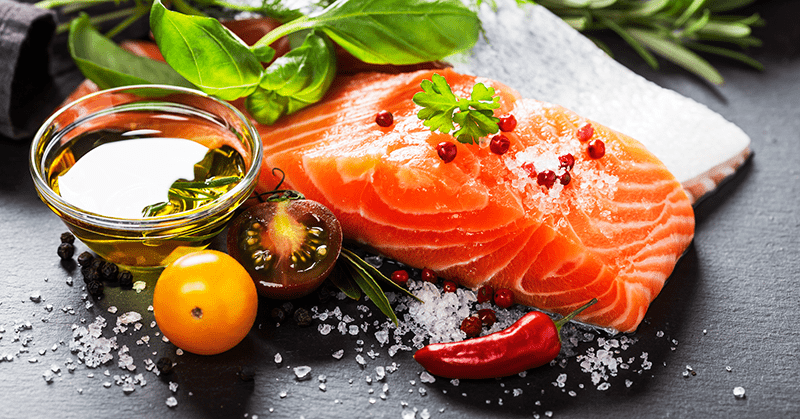
Adding fatty fish to your menu 2-3 times a week is a general recommendation and just enough to acquire the full brain health benefits. A typical serving size of salmon is about 3-4 ounces (85-113 grams) per meal. When preparing it, make sure you choose the right cooking methods to preserve all of the nutritional benefits.
Go for baking, grilling, or steaming, and pair the fish with healthy fats like olive oil. Add herbs and spices to enhance both its flavor and nutritional benefits, and pair it with vegetables, whole grains, and nuts.