Maintaining muscle while cutting is a primary concern for athletes and fitness enthusiasts who aim to shed body fat without sacrificing their hard-earned muscle mass. As you embark on a cutting phase, it’s essential to understand that losing muscle can significantly hinder your metabolism, making it harder to achieve and maintain a lean physique. This article delves into effective strategies to preserve muscle during calorie restriction, focusing on optimal strength training, high protein intake, and controlled caloric deficits. By incorporating these methods, you can ensure that your cutting phase results in a leaner, stronger body rather than diminished muscle mass.
Not only it is possible to lose weight while preserving muscle, but there are many things to consider to manage it at all. That is what the guys from Mind Pump Show decided to chat about, which is a part of the Mind Pump Podcast, an online radio show that talks all fitness related and, usually, is provocative. Its hosts are Sal Di Stefano, Adam Schafer, Justin Andrews, and Doug Egge. They also have a YouTube channel with more than 700k subscribers.


Cutting fat while retaining muscle requires a carefully balanced approach that differs from traditional weight loss methods. Many people mistakenly prioritize cardio and drastic calorie reductions, only to find that they lose muscle alongside fat.
However, by maintaining a structured strength training routine, adjusting your diet to include adequate protein, and strategically managing your caloric intake, you can signal your body to preserve muscle tissue. This article provides comprehensive guidance on how to achieve these goals, ensuring that your efforts lead to a lean, muscular physique.
The Best Way to Preserve Muscle While Cutting
Maintaining muscle while cutting is crucial to ensure you don’t lose hard-earned muscle mass while shedding fat. Here are the best strategies:
- Lift Weights:
Strength Training: Focus on lifting weights to send a signal to your body that you need the muscle. Training for strength, rather than just for hypertrophy, is particularly effective as it provides a strong muscle-building signal.
Variety in Training: If you’ve been following a particular strength training routine, switch it up. For instance, if you were doing a 5×5 strength program, switching to a hypertrophy-focused routine can help maintain muscle by providing a novel stimulus.
- High Protein Intake:
Consume a high-protein diet even while in a caloric deficit. Protein is essential to preserve muscle mass during weight loss. Aim for at least 1 gram of protein per pound of body weight.
- Minimize Cardio:
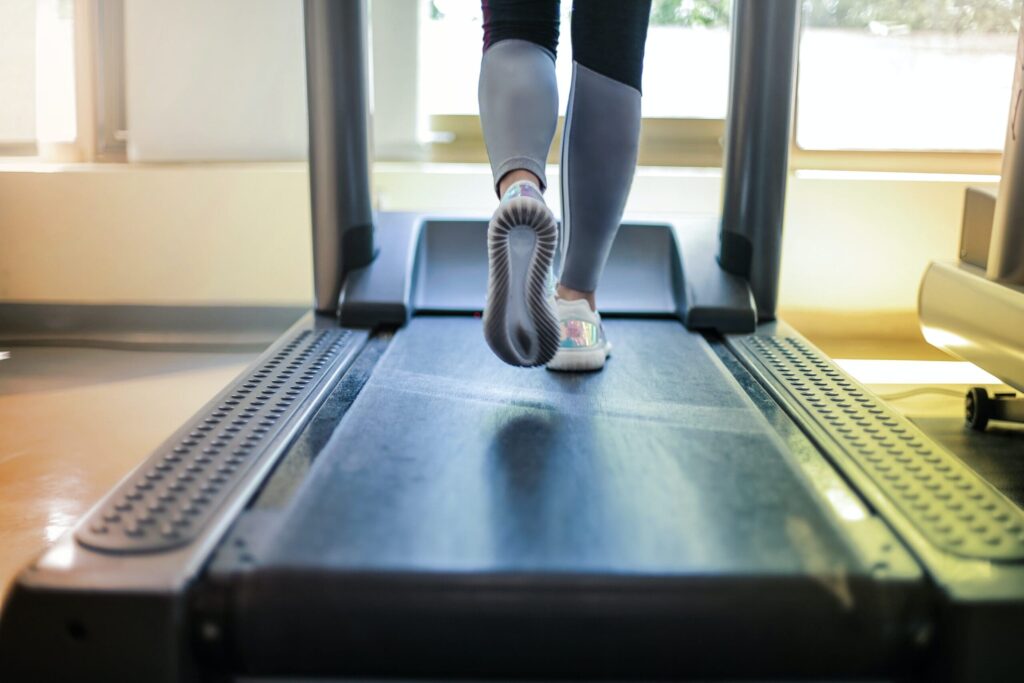
Cardio Management: Avoid excessive cardio. While cardio can help create a caloric deficit, too much of it can signal your body to shed muscle. If needed, introduce cardio only in the final weeks of your cutting phase.
Caloric Deficit Through Diet: Prefer to adjust your diet to create a caloric deficit rather than relying heavily on cardio.
- Controlled Caloric Deficit:
Small Deficit: Keep your caloric deficit small to prevent muscle loss. A large deficit can cause your body to burn muscle for energy.
Nutrient Timing: Ensure you’re consuming enough calories around your workouts to fuel your training and recovery.
- Progressive Overload:
Continue to progressively overload your muscles by gradually increasing the weights you lift. This helps maintain muscle mass by continuously challenging your muscles.
- Rest and Recovery:
Prioritize rest and recovery. Muscles repair and grow during rest periods, so ensure you get adequate sleep and allow for recovery time between workouts.

Can You Build Muscle While in a Deficit?
Building muscle while in a caloric deficit is challenging, but not impossible, especially under certain conditions:
- Beginners:
Newbie Gains: Beginners can often build muscle while losing fat because their bodies are more responsive to the training stimulus.
- High Protein Intake:
Consuming adequate protein can help support muscle growth even when calories are low.
- Small Deficit:
Minimal Deficit: A very small caloric deficit combined with a high protein intake and a well-structured training program might allow for some muscle gain while losing fat.
- Enhanced Individuals:
Steroid Use: Those using anabolic steroids can build muscle while in a caloric deficit due to the enhanced muscle-building effects of these substances.
However, for most natural, experienced lifters, it’s more realistic to aim for maintaining muscle rather than building new muscle during a cutting phase.

In conclusion, preserving muscle while cutting is achievable through a multifaceted approach that prioritizes strength training, high protein intake, and a controlled caloric deficit. By focusing on lifting weights and varying your training routines, you send strong signals to your body to maintain muscle mass. Additionally, ensuring that your diet is rich in protein and making strategic caloric adjustments can help create an environment conducive to fat loss without sacrificing muscle. This balanced approach not only protects your muscle mass but also enhances your overall metabolic health, making it easier to maintain a lean physique in the long term.
While building muscle in a caloric deficit is challenging, especially for seasoned lifters, it is not entirely out of reach for beginners and those using specific performance enhancers. For most natural athletes, the goal during a cutting phase should be to maintain muscle rather than increase it. By implementing the strategies outlined in this article, you can effectively navigate your cutting phase, ensuring that you emerge with a lean, strong, and well-defined body. Maintaining muscle during cutting ultimately supports your long-term fitness goals, promoting a healthier, more sustainable approach to body composition.
Read Also: Getting Toned is a Waste of Time