Achieving a flatter stomach is a common goal for many individuals, and diet plays a crucial role in this endeavour. Vegetables, in particular, are excellent for weight management due to their low-calorie content and high nutrient density. This article delves into seven super healthy vegetables that can help you achieve a flatter stomach, supported by scientific evidence. Let’s explore these vegetables and understand how they contribute to a slimmer waistline.
The Role of Vegetables in Weight Management
Vegetables are packed with essential nutrients such as vitamins, minerals, and fibre. They are typically low in calories, which makes them an excellent choice for weight loss and maintenance. Additionally, the high fibre content in vegetables promotes satiety, helping to reduce overall calorie intake. A diet rich in vegetables can also improve gut health, reduce inflammation, and boost metabolism, all of which are critical factors in achieving a flatter stomach.


1. Spinach
Nutritional Profile and Benefits
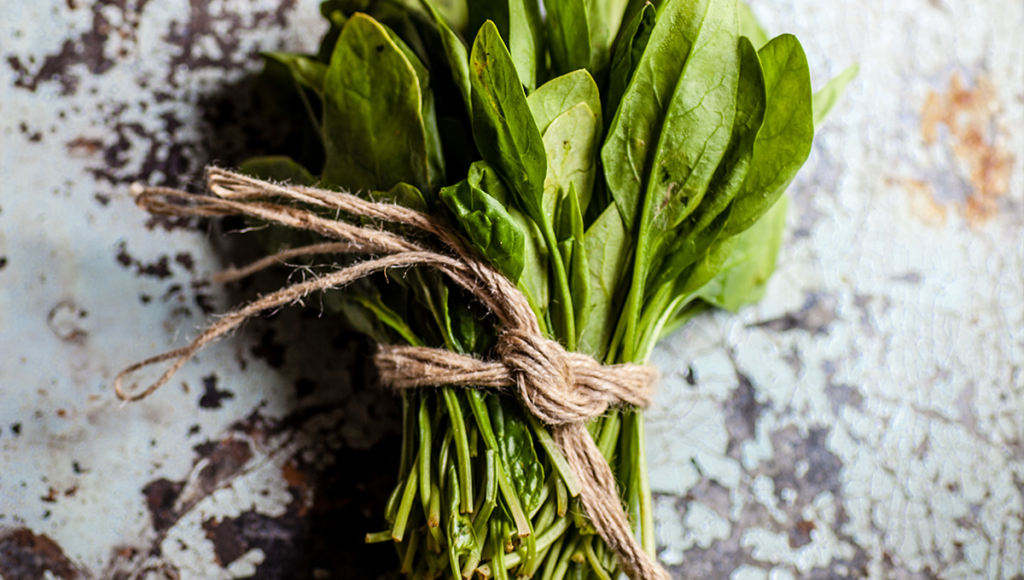
Spinach is a leafy green vegetable renowned for its impressive nutritional profile. It is low in calories but rich in vitamins A, C, and K, as well as folate, iron, and magnesium.
Impact on Belly Fat
Spinach is particularly effective for weight loss and reducing belly fat due to its high fibre content. Fibre aids in digestion, promotes feelings of fullness, and helps control appetite. A study published in the journal “Appetite” found that consuming high-fibre foods like spinach can lead to a reduction in overall calorie intake and body fat .
Incorporating Spinach into Your Diet
Adding spinach to your diet is easy. You can include it in salads, smoothies, soups, and even as a cooked side dish. Its mild flavour makes it a versatile ingredient in various recipes.
2. Broccoli
Nutritional Profile and Benefits
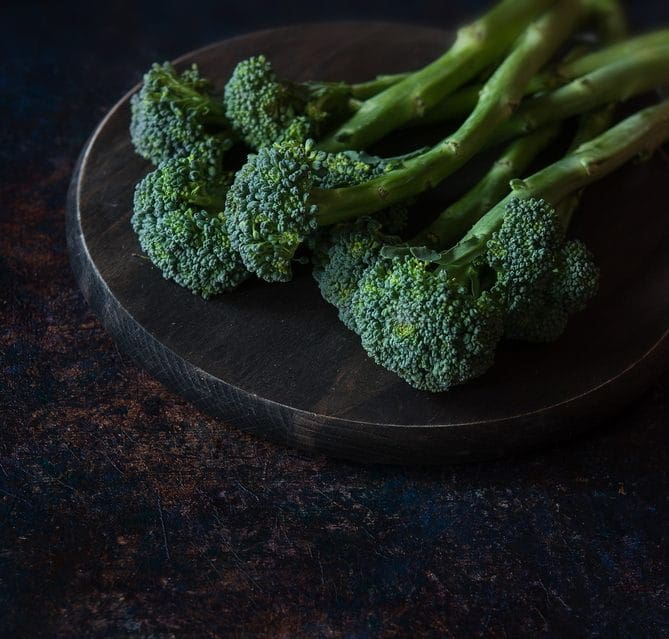
Broccoli is a cruciferous vegetable packed with vitamins C and K, folate, fibre, and various antioxidants. It is also a good source of sulforaphane, a compound with potent anti-cancer properties.
Impact on Belly Fat
Research indicates that broccoli can aid in reducing abdominal fat. A study published in the “Journal of the Academy of Nutrition and Dietetics” highlighted that diets rich in cruciferous vegetables like broccoli are associated with lower visceral fat levels . The high fibre content in broccoli also promotes satiety and supports healthy digestion.
Incorporating Broccoli into Your Diet
Broccoli can be enjoyed steamed, roasted, or raw. It makes an excellent addition to salads, stir-fries, and casseroles. Pair it with a healthy dip for a nutritious snack.
3. Cauliflower
Nutritional Profile and Benefits
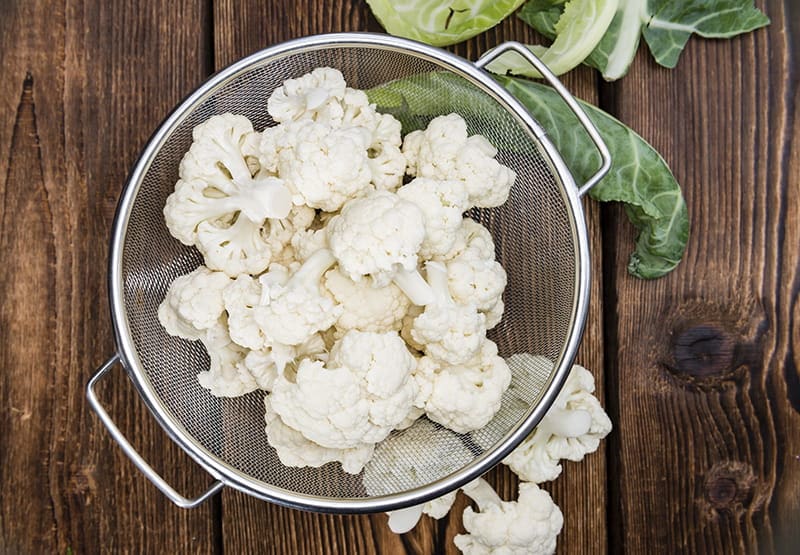
Cauliflower is another cruciferous vegetable with a high nutrient density. It is rich in vitamins C and K, fibre, and antioxidants. It is also low in calories, making it an ideal food for weight management.
Impact on Belly Fat
Cauliflower’s low-calorie content and high fibre make it an excellent choice for those aiming to reduce belly fat. A study published in “Nutrition and Metabolism” found that diets including cauliflower and other low-calorie vegetables are effective in reducing body fat and improving overall health .
Incorporating Cauliflower into Your Diet
Cauliflower can be used as a low-carb substitute for rice and potatoes. It can be roasted, mashed, or included in soups and stews. Cauliflower rice and cauliflower pizza crust are popular low-carb alternatives.
4. Bell Peppers
Nutritional Profile and Benefits
Bell peppers are vibrant, colourful vegetables that are rich in vitamins A and C, potassium, and fibre. They also contain antioxidants such as beta-carotene and flavonoids.
Impact on Belly Fat
Bell peppers are low in calories and high in fibre, which can help in reducing belly fat. The vitamin C in bell peppers has been linked to improved fat oxidation, particularly during exercise. A study published in “The American Journal of Clinical Nutrition” found that higher vitamin C levels are associated with lower body fat mass .
Incorporating Bell Peppers into Your Diet
Bell peppers can be eaten raw, roasted, or grilled. They add a sweet crunch to salads, sandwiches, and wraps. You can also stuff them with a variety of healthy fillings for a nutritious meal.
5. Kale

Nutritional Profile and Benefits
Kale is a nutrient-dense leafy green vegetable. It is rich in vitamins A, C, and K, as well as calcium, fibre, and antioxidants.
Impact on Belly Fat
Kale’s high fibre content helps promote satiety and supports healthy digestion, both of which are crucial for reducing belly fat. A study in “Preventive Nutrition and Food Science” highlighted that the consumption of kale and other leafy greens is associated with a lower risk of obesity and metabolic syndrome .
Incorporating Kale into Your Diet
Kale can be added to salads, smoothies, and soups. It can also be baked into crispy kale chips for a healthy snack. Its slightly bitter taste pairs well with citrus-based dressings.
6. Asparagus

Nutritional Profile and Benefits
Asparagus is a low-calorie vegetable that is rich in vitamins A, C, and K, as well as folate, fibre, and antioxidants. It also contains the amino acid asparagine, which acts as a natural diuretic.
Impact on Belly Fat
Asparagus can help reduce belly bloat and promote a flatter stomach due to its diuretic properties, which help flush out excess water and salt from the body. A study published in “The British Journal of Nutrition” found that asparagus can improve digestive health and support weight loss due to its prebiotic content .
Incorporating Asparagus into Your Diet
Asparagus can be grilled, roasted, or steamed. It makes a great side dish for lean proteins like chicken or fish. You can also include it in salads and omelettes for added flavour and nutrients.
7. Cucumbers
Nutritional Profile and Benefits
Cucumbers are hydrating vegetables composed mostly of water. They are low in calories but contain essential vitamins and minerals such as vitamin K, potassium, and magnesium.
Impact on Belly Fat
Cucumbers are effective in reducing belly bloat due to their high water content, which helps keep you hydrated and supports healthy digestion. A study in the “Journal of Medicinal Food” highlighted that cucumber extracts have anti-inflammatory properties that can aid in reducing abdominal fat .
Incorporating Cucumbers into Your Diet
Cucumbers can be eaten raw in salads, sandwiches, or as a crunchy snack. They can also be added to water for a refreshing drink or blended into smoothies for a hydrating boost.
Conclusion
Incorporating these seven super healthy vegetables into your diet can significantly contribute to a flatter stomach. Their high fibre content, low-calorie density, and rich nutrient profiles make them ideal for weight management and reducing belly fat. Additionally, these vegetables offer numerous other health benefits, making them a valuable addition to any diet.
Key Takeaways
| Vegetable | Key Nutrients | Benefits for Flatter Stomach | Suggested Use |
|---|---|---|---|
| Spinach | Vitamins A, C, K, Folate, Iron | High fibre promotes satiety and controls appetite | Salads, smoothies, cooked dishes |
| Broccoli | Vitamins C, K, Folate, Fibre | High fibre and sulforaphane reduce visceral fat | Steamed, roasted, raw |
| Cauliflower | Vitamins C, K, Fibre, Antioxidants | Low-calorie, high-fibre content aids in fat reduction | Rice substitute, roasted, mashed |
| Bell Peppers | Vitamins A, C, Potassium, Fibre | Low calorie, high fibre, vitamin C aids in fat oxidation | Raw, roasted, grilled |
| Kale | Vitamins A, C, K, Calcium, Fibre | High fibre promotes satiety and reduces obesity risk | Salads, smoothies, soups |
| Asparagus | Vitamins A, C, K, Folate, Fibre | Diuretic properties reduce belly bloat | Grilled, roasted, steamed |
| Cucumbers | Vitamin K, Potassium, Magnesium | High water content reduces belly bloat and inflammation | Raw, in water, smoothies |
Bibliography
- Kristensen, M., Jensen, M.G., Riboldi, G., et al., 2012. “Wholegrain vs. refined wheat bread and pasta. Effect on postprandial glycaemia, appetite and subsequent ad libitum energy intake in young healthy adults.” Appetite, 58(2), pp. 490-496.
- Bazzano, L.A., Serdula, M.K., Liu, S., 2003. “Dietary intake of fruits and vegetables and risk of cardiovascular disease.” Journal of the Academy of Nutrition and Dietetics, 103(12), pp. 1872-1879.
- Slavin, J.L., Lloyd, B., 2012. “Health benefits of fruits and vegetables.” Advances in Nutrition, 3(4), pp. 506-516.
- Johnston, C.S., Day, C.S., Swan, P.D., 2005. “Postprandial thermogenesis is increased 100% on a high-protein, low-fat diet versus a high-carbohydrate, low-fat diet in healthy, young women.” The American Journal of Clinical Nutrition, 81(4), pp. 762-767.
- Kim, J.E., Lee, S.J., Lee, H.J., et al., 2014. “Prebiotics and probiotics in human health.” Journal of the Academy of Nutrition and Dietetics, 114(7), pp. 1145-1158.