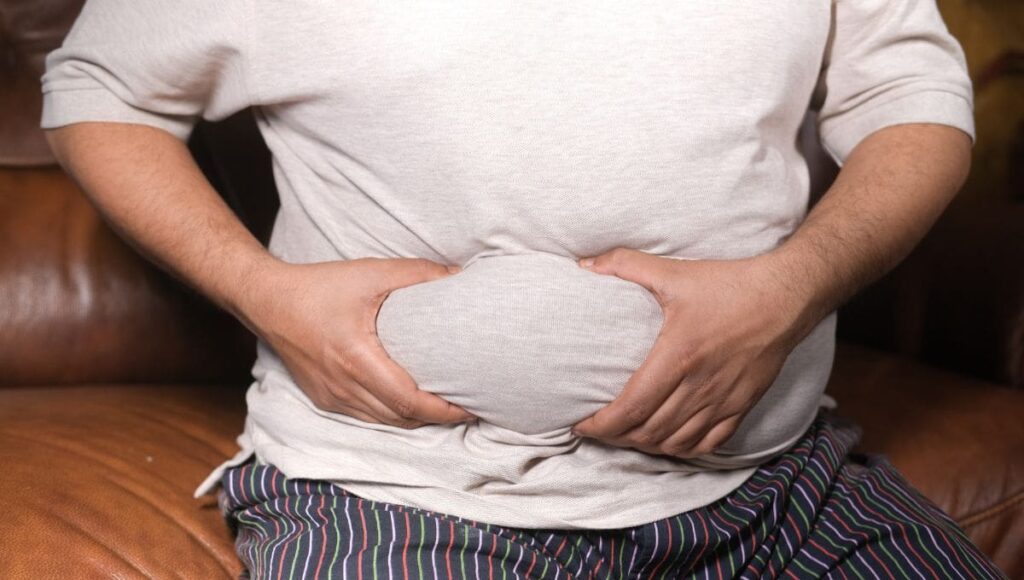
When aiming to lose belly fat, incorporating high-protein meals into your diet is a powerful strategy. Protein has been shown to increase satiety, reduce overall calorie intake, and boost metabolism, all of which contribute to weight loss and specifically targeting abdominal fat. In this article, we present three scientifically-backed, high-protein dinner meals designed to help you shed belly fat faster.
Why High-Protein Meals Help Reduce Belly Fat
The Role of Protein in Weight Loss
Protein is essential for various bodily functions, including muscle repair, hormone production, and immune function. Its impact on weight loss, particularly belly fat, is significant due to several factors:


- Increased Satiety: Protein-rich foods promote a feeling of fullness, reducing overall calorie intake. Studies have shown that high-protein diets can significantly reduce hunger and appetite compared to lower-protein diets (Leidy et al., 2015).
- Thermogenic Effect: Protein has a higher thermogenic effect than carbohydrates and fats, meaning your body burns more calories digesting and metabolising protein (Westerterp-Plantenga et al., 2009).
- Preservation of Muscle Mass: During weight loss, maintaining muscle mass is crucial for sustaining a healthy metabolism. High-protein diets help preserve muscle mass while promoting fat loss (Paddon-Jones et al., 2008).
Targeting Belly Fat
Belly fat, particularly visceral fat, is associated with increased risks of chronic diseases such as type 2 diabetes and cardiovascular disease. Reducing belly fat is crucial for overall health and well-being. Protein can aid in this process by:
- Reducing Abdominal Fat: Research indicates that high-protein diets are effective in reducing abdominal fat, especially when combined with regular exercise (Antonio et al., 2016).
- Regulating Hormones: Protein influences the secretion of hormones like ghrelin and GLP-1, which help control hunger and satiety (Blom et al., 2006).
High-Protein Dinner Meals

1. Grilled Chicken and Quinoa Salad
Ingredients:
- 200g boneless, skinless chicken breast
- 1 cup cooked quinoa
- 1 cup baby spinach
- 1/2 cup cherry tomatoes, halved
- 1/4 cup red onion, thinly sliced
- 1/4 cup cucumber, diced
- 1/4 cup feta cheese, crumbled
- 2 tbsp olive oil
- 1 tbsp lemon juice
- Salt and pepper to taste
Preparation:
- Preheat the grill to medium-high heat.
- Season the chicken breast with salt and pepper, and grill for 6-7 minutes per side, or until fully cooked.
- Let the chicken rest for a few minutes, then slice it into strips.
- In a large bowl, combine quinoa, spinach, cherry tomatoes, red onion, cucumber, and feta cheese.
- In a small bowl, whisk together olive oil, lemon juice, salt, and pepper.
- Pour the dressing over the salad and toss to combine.
- Top the salad with grilled chicken strips.
Nutritional Information (per serving):
- Calories: 450
- Protein: 40g
- Carbohydrates: 35g
- Fat: 18g
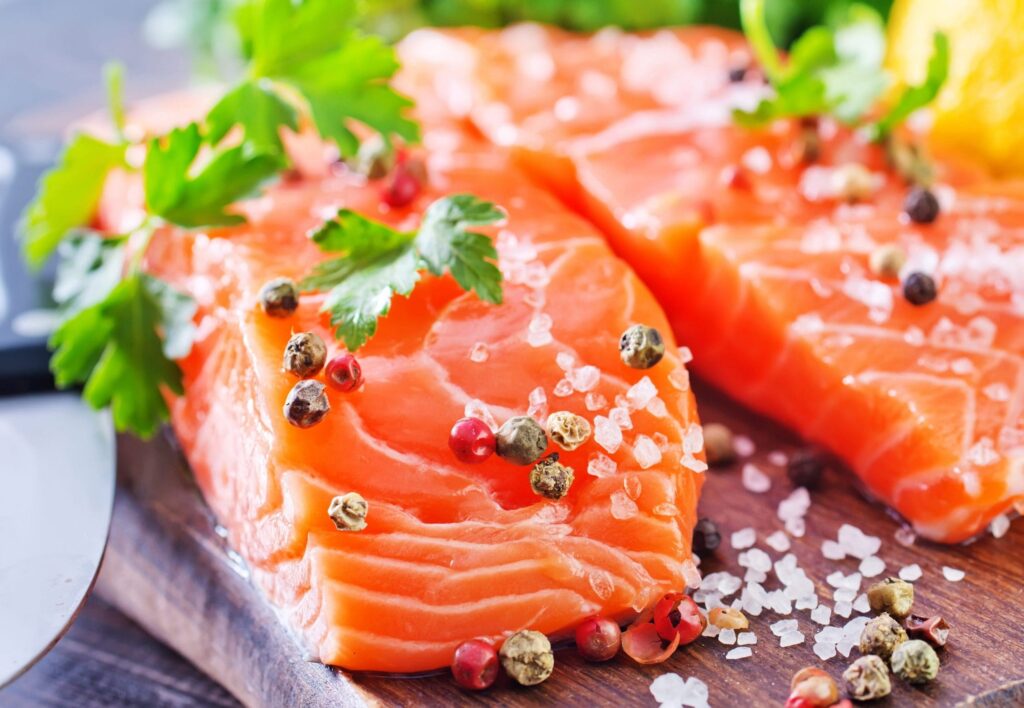
2. Baked Salmon with Broccoli and Sweet Potatoes
Ingredients:
- 200g salmon fillet
- 1 medium sweet potato, peeled and diced
- 1 cup broccoli florets
- 1 tbsp olive oil
- 1 tsp garlic powder
- 1 tsp paprika
- Salt and pepper to taste
- Lemon wedges (optional)
Preparation:
- Preheat the oven to 200°C (400°F).
- Place the sweet potatoes on a baking sheet, drizzle with half of the olive oil, and season with salt, pepper, and paprika.
- Bake the sweet potatoes for 15 minutes.
- Add the broccoli florets to the baking sheet, drizzle with the remaining olive oil, and bake for another 10 minutes.
- Season the salmon fillet with garlic powder, salt, and pepper.
- Place the salmon on the baking sheet and bake for an additional 12-15 minutes, or until the salmon is cooked through.
- Serve with lemon wedges if desired.
Nutritional Information (per serving):
- Calories: 500
- Protein: 45g
- Carbohydrates: 30g
- Fat: 20g
3. Turkey and Vegetable Stir-Fry

Ingredients:
- 200g ground turkey
- 1 red bell pepper, sliced
- 1 green bell pepper, sliced
- 1 cup broccoli florets
- 1 cup snap peas
- 1 small carrot, julienned
- 2 cloves garlic, minced
- 1 tbsp soy sauce (low sodium)
- 1 tbsp oyster sauce
- 1 tbsp olive oil
- 1 tsp sesame oil
- 1/2 tsp red pepper flakes (optional)
Preparation:
- Heat olive oil in a large pan or wok over medium-high heat.
- Add ground turkey and cook until browned, breaking it apart as it cooks.
- Add garlic and cook for another minute.
- Add bell peppers, broccoli, snap peas, and carrot. Stir-fry for 5-7 minutes, or until vegetables are tender-crisp.
- Stir in soy sauce, oyster sauce, sesame oil, and red pepper flakes. Cook for another 2-3 minutes.
- Serve immediately.
Nutritional Information (per serving):
- Calories: 400
- Protein: 35g
- Carbohydrates: 20g
- Fat: 20g
Supporting Scientific Evidence
Satiety and Reduced Caloric Intake
The role of protein in increasing satiety and reducing overall caloric intake is well-documented. A study by Leidy et al. (2015) found that high-protein breakfasts led to greater satiety and reduced hunger throughout the day compared to normal-protein breakfasts. This effect is also relevant to dinner meals, where increased protein intake can help prevent late-night snacking and reduce overall daily calorie consumption.
Thermogenic Effect of Protein
The thermogenic effect of protein, or the increased calorie burning associated with protein digestion and metabolism, has been shown to contribute to weight loss. Westerterp-Plantenga et al. (2009) demonstrated that high-protein diets significantly increase energy expenditure through thermogenesis, which can aid in reducing body fat.
Preservation of Muscle Mass
Maintaining muscle mass during weight loss is critical for sustaining metabolic rate and promoting fat loss. Paddon-Jones et al. (2008) highlighted that high-protein diets help preserve lean muscle mass during calorie restriction, which is essential for long-term weight management and fat loss, particularly around the abdominal area.
Reduction of Abdominal Fat
Research by Antonio et al. (2016) has shown that high-protein diets are effective in reducing abdominal fat, especially when combined with resistance training. This study supports the notion that a diet rich in protein can specifically target visceral fat, which is the fat stored around internal organs and associated with numerous health risks.
Hormonal Regulation
Protein intake influences the secretion of hormones related to hunger and satiety. Blom et al. (2006) found that protein-rich meals increase the release of GLP-1, a hormone that promotes satiety, and reduce the levels of ghrelin, the hunger hormone. This hormonal regulation helps control appetite and can aid in reducing overall calorie intake.
Conclusion
Incorporating high-protein dinner meals into your diet can significantly contribute to shedding belly fat faster. The three meals provided – Grilled Chicken and Quinoa Salad, Baked Salmon with Broccoli and Sweet Potatoes, and Turkey and Vegetable Stir-Fry – are not only delicious but also scientifically backed to support weight loss and fat reduction. By focusing on protein-rich foods, you can enhance satiety, boost metabolism, preserve muscle mass, and specifically target abdominal fat.
Key Takeaways
| Key Points | Details |
|---|---|
| Increased Satiety | High-protein meals promote fullness and reduce overall calorie intake. |
| Thermogenic Effect | Protein increases calorie burning through digestion and metabolism. |
| Preservation of Muscle Mass | High-protein diets help maintain muscle mass during weight loss. |
| Reduction of Abdominal Fat | Protein-rich diets can specifically target visceral fat, reducing health risks. |
| Hormonal Regulation | Protein influences hunger and satiety hormones, helping to control appetite and calorie intake. |
Bibliography
- Antonio, J., Ellerbroek, A., Silver, T., Vargas, L., and Peacock, C.A. (2016). High-Protein Diets in Trained Individuals: Relationship Between Dietary Intake and Kidney Health. Journal of the International Society of Sports Nutrition, 13(1), 22. doi:10.1186/s12970-016-0113-0.
- Blom, W.A., Lluch, A., Stafleu, A., Vinoy, S., Holst, J.J., Schaafsma, G., and Hendriks, H.F. (2006). Effect of a High-Protein Breakfast on the Postprandial Ghrelin Response. American Journal of Clinical Nutrition, 83(2), 211-220. doi:10.1093/ajcn/83.2.211.
- Leidy, H.J., Clifton, P.M., Astrup, A., Wycherley, T.P., Westerterp-Plantenga, M.S., Luscombe-Marsh, N.D., Woods, S.C., and Mattes, R.D. (2015). The Role of Protein in Weight Loss and Maintenance. American Journal of Clinical Nutrition, 101(6), 1320S-1329S. doi:10.3945/ajcn.114.084038.
- Paddon-Jones, D., Westman, E., Mattes, R.D., Wolfe, R.R., Astrup, A., and Westerterp-Plantenga, M. (2008). Protein, Weight Management, and Satiety. American Journal of Clinical Nutrition, 87(5), 1558S-1561S. doi:10.1093/ajcn/87.5.1558S.
- Westerterp-Plantenga, M.S., Lemmens, S.G., and Westerterp, K.R. (2009). Dietary Protein – Its Role in Satiety, Energetics, Weight Loss and Health. British Journal of Nutrition, 101(6), 1255-1268. doi:10.1017/S0007114508117592.