Achieving a well-defined six-pack is not solely dependent on intense workout routines; nutrition plays a pivotal role in sculpting those abdominal muscles. Including nutritious snacks in your lunch can significantly contribute to muscle definition and overall health. This article explores five scientifically-backed lunch snacks that can help you achieve a super defined six-pack.
The Role of Nutrition in Achieving a Six-Pack
Before delving into specific snacks, it’s essential to understand the importance of nutrition in muscle definition. A six-pack is the result of reduced body fat and well-toned abdominal muscles. To achieve this, you need a balanced diet rich in protein, healthy fats, fibre, vitamins, and minerals. Consuming the right nutrients at the right times can enhance muscle repair and growth while also aiding fat loss.


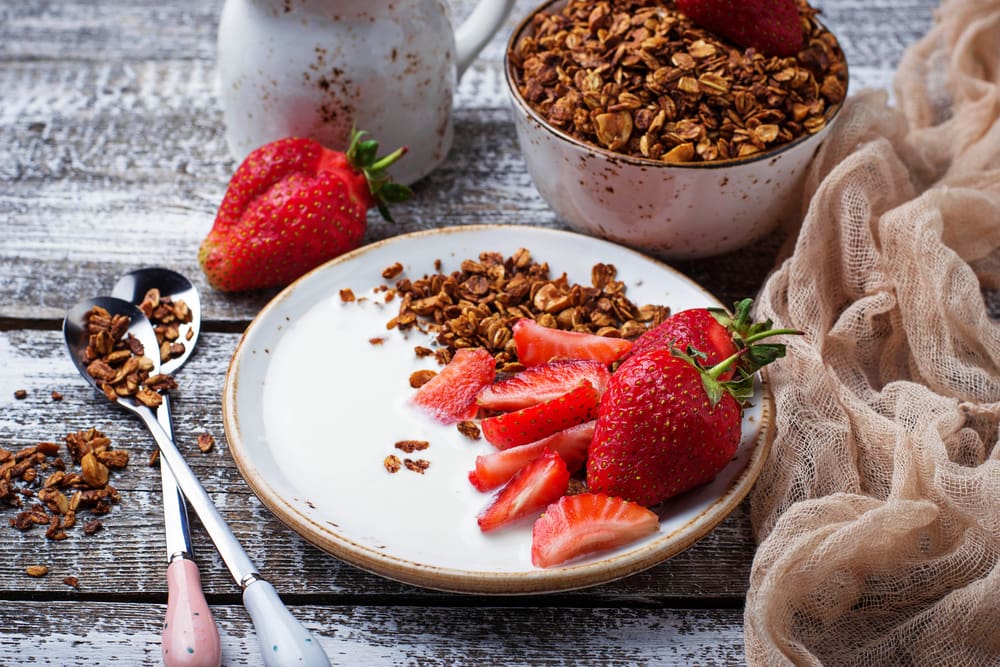
1. Greek Yoghurt with Berries and Nuts
Why It Works
Greek yoghurt is a powerhouse of protein, which is essential for muscle repair and growth. Protein also helps in satiety, keeping you fuller for longer and reducing overall calorie intake. Berries are rich in antioxidants and vitamins, particularly vitamin C, which is crucial for collagen production and muscle recovery. Nuts add a dose of healthy fats, which are necessary for hormone production, including those that regulate muscle growth.
Scientific Evidence
Studies have shown that high-protein diets contribute significantly to muscle mass maintenance and fat loss. One such study published in the “American Journal of Clinical Nutrition” demonstrated that participants on a high-protein diet lost more fat and preserved more muscle compared to those on a standard diet (Westerterp-Plantenga et al., 2009).
How to Prepare
- 1 cup of Greek yoghurt
- A handful of mixed berries (blueberries, strawberries, raspberries)
- A small handful of nuts (almonds, walnuts, or cashews)
2. Hard-Boiled Eggs with Avocado

Why It Works
Eggs are one of the best sources of complete protein, containing all nine essential amino acids. They are also rich in vitamins and minerals such as vitamin B12, which is crucial for energy metabolism. Avocado provides healthy monounsaturated fats, fibre, and potassium, which helps in reducing bloating and muscle cramps.
Scientific Evidence
Research published in “The Journal of Nutrition” highlighted that eggs are a superior protein source for muscle protein synthesis, essential for muscle building (van Vliet et al., 2015). Furthermore, a study in “Nutrition Journal” indicated that avocado consumption is linked to better diet quality and nutrient intake (Fulgoni et al., 2013).
How to Prepare
- 2 hard-boiled eggs
- Half an avocado, sliced
- Sprinkle with salt, pepper, and a dash of paprika for extra flavour
3. Cottage Cheese with Pineapple
Why It Works
Cottage cheese is high in casein protein, a slow-digesting protein that provides a steady release of amino acids to muscles. Pineapple contains bromelain, an enzyme that aids in protein digestion and reduces inflammation, making it a perfect post-workout snack to support recovery.
Scientific Evidence
A study in the “British Journal of Nutrition” found that casein protein consumption before bed improves overnight muscle protein synthesis compared to a placebo (Snijders et al., 2015). Bromelain’s anti-inflammatory properties have been documented in “The International Journal of Sports Medicine” (Klein et al., 1990).
How to Prepare
- 1 cup of low-fat cottage cheese
- 1 cup of fresh pineapple chunks
- Mix together for a refreshing and protein-packed snack
4. Hummus and Veggie Sticks
Why It Works
Hummus is made from chickpeas, which are a great source of plant-based protein and fibre. Fibre helps in maintaining a healthy digestive system and can aid in weight management by keeping you full. The accompanying veggie sticks (carrots, celery, bell peppers) are low in calories and high in vitamins and minerals, making them a perfect vehicle for hummus.
Scientific Evidence
According to a study in the “Journal of Food Science and Technology”, hummus consumption is associated with a lower body mass index (BMI) and smaller waist circumference (Wallace et al., 2016). The fibre content in chickpeas also supports weight loss and fat reduction by promoting satiety (Pereira & Ludwig, 2001).
How to Prepare
- 1 cup of hummus
- A variety of veggie sticks (carrots, celery, bell peppers, cucumber)
- Dip and enjoy
5. Tuna Salad with Whole Grain Crackers
Why It Works
Tuna is an excellent source of lean protein and omega-3 fatty acids, which are beneficial for reducing inflammation and promoting heart health. Whole grain crackers provide complex carbohydrates that give you sustained energy and contain fibre to aid in digestion.
Scientific Evidence
The benefits of omega-3 fatty acids in muscle health and fat loss are well-documented. A study in the “American Journal of Clinical Nutrition” found that omega-3 supplementation increased the anabolic response of muscle protein synthesis in healthy older adults (Smith et al., 2011). Another study in the “Journal of Nutrition” emphasised the role of whole grains in reducing body fat and improving overall health (Harland & Garton, 2008).
How to Prepare
- 1 can of tuna in water, drained
- 1 tablespoon of Greek yoghurt or low-fat mayonnaise
- Chopped celery and onion for crunch
- Salt and pepper to taste
- Serve with whole grain crackers
Conclusion
Incorporating these nutritious snacks into your lunch can significantly aid in achieving a super defined six-pack. Each of these snacks is rich in protein, healthy fats, fibre, and essential vitamins and minerals, all of which contribute to muscle growth, repair, and fat loss. Remember, consistency in both your diet and exercise regimen is key to seeing results.
Key Takeaways
| Snack | Benefits | Key Nutrients |
|---|---|---|
| Greek Yoghurt with Berries and Nuts | High in protein for muscle repair; antioxidants for recovery | Protein, antioxidants, healthy fats |
| Hard-Boiled Eggs with Avocado | Complete protein source; healthy fats for hormone production | Protein, monounsaturated fats, vitamins |
| Cottage Cheese with Pineapple | Slow-digesting protein for sustained muscle support; anti-inflammatory properties | Casein protein, bromelain |
| Hummus and Veggie Sticks | Plant-based protein and fibre for satiety; low-calorie, nutrient-dense | Protein, fibre, vitamins, minerals |
| Tuna Salad with Whole Grain Crackers | Lean protein and omega-3s for muscle health; complex carbs for energy | Protein, omega-3 fatty acids, fibre |
Bibliography
Fulgoni, V.L., Dreher, M., & Davenport, A.J. (2013). Avocado consumption is associated with better diet quality and nutrient intake, and lower metabolic syndrome risk in US adults: results from the National Health and Nutrition Examination Survey (NHANES) 2001-2008. Nutrition Journal, 12(1), 1-6.
Harland, J., & Garton, L. (2008). Whole-grain intake as a marker of health. British Journal of Nutrition, 99(S1), S17-S22.
Klein, G., Kullich, W., & Schnitker, J. (1990). The bromelains: anti-inflammatory and proteolytic properties. International Journal of Sports Medicine, 11(S2), S5-S10.
Pereira, M.A., & Ludwig, D.S. (2001). Dietary fiber and body-weight regulation. Pediatric Clinics of North America, 48(4), 969-980.
Smith, G.I., Atherton, P., Reeds, D.N., Mohammed, B.S., Yarasheski, K.E., & Rennie, M.J. (2011). Omega-3 polyunsaturated fatty acids augment the muscle protein anabolic response to hyperaminoacidemia-hyperinsulinemia in healthy young and middle-aged men and women. American Journal of Clinical Nutrition, 93(2), 402-412.
Snijders, T., Res, P.T., Smeets, J.S., van Vliet, S., van Kranenburg, J., Maase, K., Kies, A.K., & van Loon, L.J. (2015). Protein ingestion before sleep improves postexercise overnight recovery. British Journal of Nutrition, 114(8), 1048-1054.
van Vliet, S., Burd, N.A., & van Loon, L.J. (2015). The skeletal muscle anabolic response to plant- versus animal-based protein consumption. Journal of Nutrition, 145(9), 1981-1991.
Wallace, T.C., Murray, R., & Zelman, K.M. (2016). The nutritional value and health benefits of chickpeas and hummus. Journal of Food Science and Technology, 53(1), 32-45.
Westerterp-Plantenga, M.S., Lemmens, S.G., & Westerterp, K.R. (2009). Dietary protein – its role in satiety, energetics, weight loss and health. British Journal of Nutrition, 101(2), 133-145.