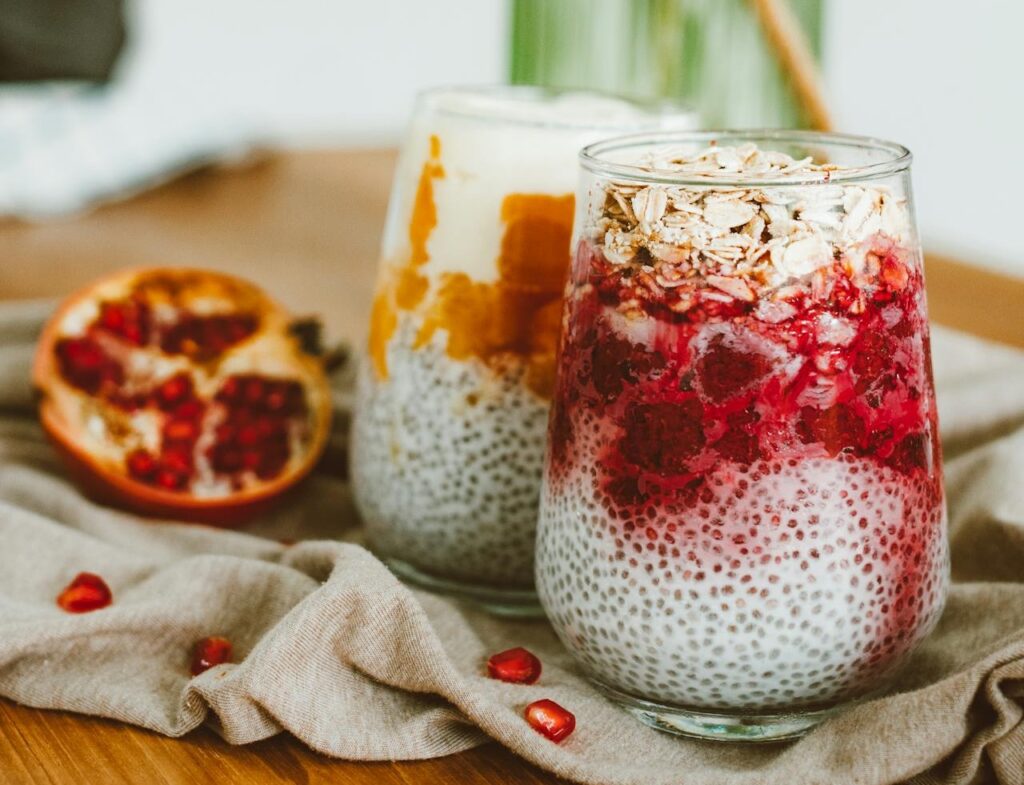
When it comes to losing body fat, what you eat plays a crucial role. Choosing the right foods can help you feel fuller for longer, boost your metabolism, and provide the necessary nutrients without unnecessary calories. This article explores three scientifically-backed foods you should include in your lunch to help shed more body fat.
High-Protein Foods

Why Protein is Essential for Fat Loss
Protein is a macronutrient that is vital for numerous bodily functions, including muscle repair and growth, hormone production, and immune function. When it comes to weight loss, protein is particularly beneficial for several reasons:


- Satiety: Protein increases feelings of fullness more than carbohydrates or fats, which can help reduce overall calorie intake (Leidy et al., 2015).
- Thermic Effect: The body burns more calories digesting protein compared to carbohydrates and fats (Westerterp, 2004).
- Muscle Preservation: During weight loss, a higher protein intake helps preserve lean muscle mass, which is crucial for maintaining a higher metabolic rate (Pasiakos et al., 2013).
Best High-Protein Foods for Lunch
1. Chicken Breast
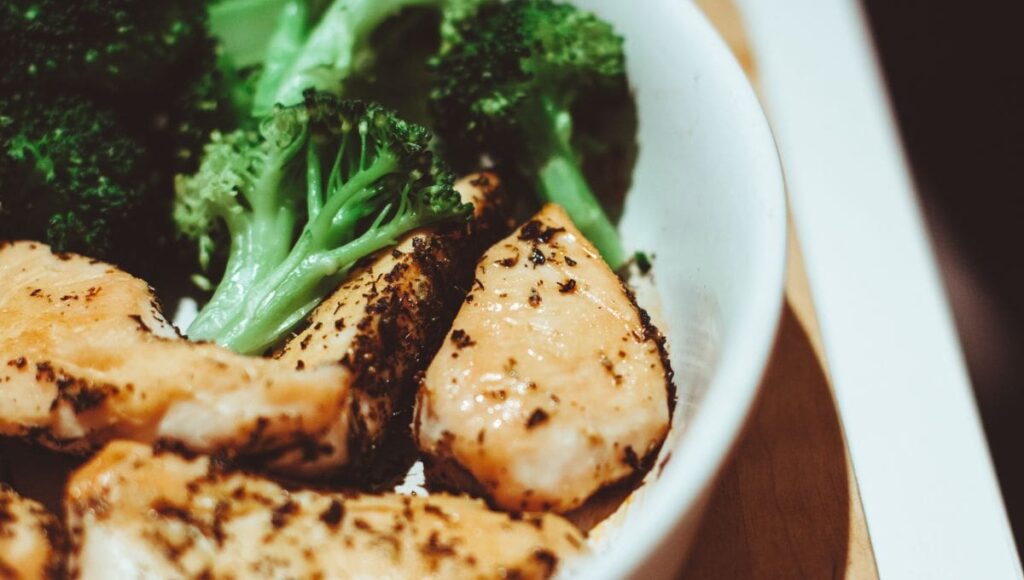
Chicken breast is a lean source of protein that is low in fat and calories. A 100-gram serving of cooked chicken breast contains approximately 31 grams of protein and only 165 calories (USDA, 2021).
Benefits for Fat Loss
- High Protein Content: Helps increase satiety and reduce overall calorie intake.
- Low in Fat: Provides a significant amount of protein without adding excessive calories from fat.
Scientific Evidence
A study by Leidy et al. (2015) found that individuals who consumed a high-protein lunch experienced greater satiety and reduced subsequent food intake compared to those who ate a lower-protein meal. This suggests that including chicken breast in your lunch can help control hunger and support fat loss.
2. Lentils
Lentils are an excellent plant-based protein source, providing about 9 grams of protein per 100 grams of cooked lentils (USDA, 2021). They are also high in fibre, which further aids in satiety and digestion.
Benefits for Fat Loss
- High in Protein and Fibre: Both contribute to increased fullness and reduced calorie intake.
- Low Glycemic Index: Lentils have a low glycemic index, which helps regulate blood sugar levels and prevent spikes in hunger (Jenkins et al., 2002).
Scientific Evidence
A study by Poppitt et al. (2008) demonstrated that high-protein, high-fibre diets are effective in promoting weight loss and improving body composition. Lentils, being rich in both protein and fibre, make an ideal lunch option for fat loss.
Healthy Fats
The Role of Healthy Fats in Fat Loss
Healthy fats, particularly unsaturated fats, play a crucial role in weight management. Contrary to the outdated belief that eating fat makes you fat, research shows that including healthy fats in your diet can actually aid in fat loss.
- Satiety: Fats take longer to digest, keeping you fuller for longer and reducing the likelihood of overeating (Strik et al., 2000).
- Nutrient Absorption: Certain vitamins (A, D, E, and K) require fat for absorption, ensuring you get the most out of your nutrient intake (Gurr et al., 1999).
Best Sources of Healthy Fats for Lunch
3. Avocado

Avocados are rich in monounsaturated fats, which have been shown to support heart health and weight management. A 100-gram serving of avocado provides about 15 grams of fat and 2 grams of protein (USDA, 2021).
Benefits for Fat Loss
- High in Healthy Fats: Helps increase satiety and prevent overeating.
- Rich in Fibre: Further aids in digestion and prolongs feelings of fullness.
Scientific Evidence
A study published in the Journal of the American Heart Association found that a moderate-fat diet that included avocado led to greater reductions in visceral fat compared to a low-fat diet (Wang et al., 2015). This suggests that adding avocado to your lunch can support fat loss, particularly around the abdomen.
4. Nuts
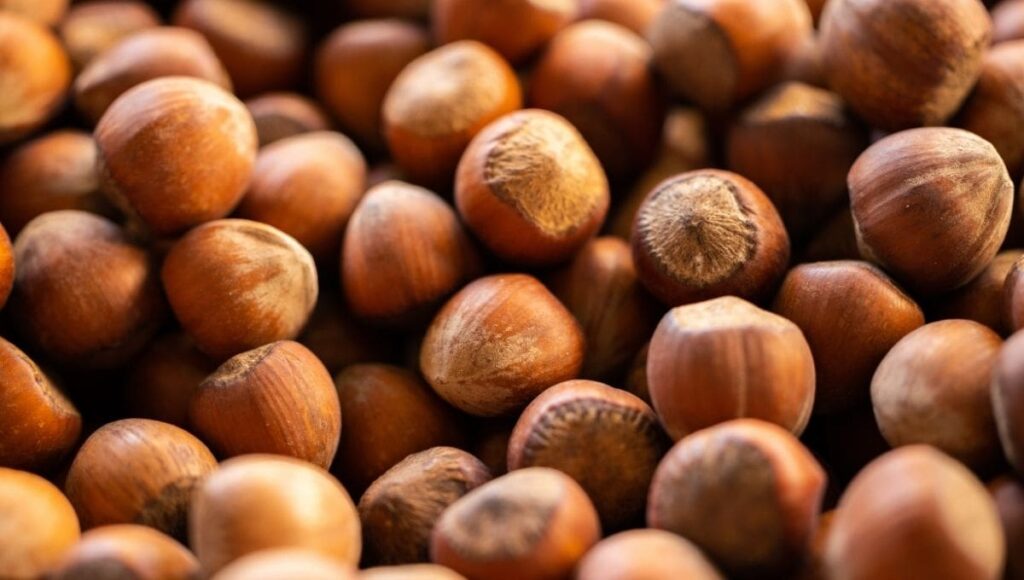
Nuts, such as almonds and walnuts, are packed with healthy fats, protein, and fibre. For instance, a 100-gram serving of almonds contains approximately 49 grams of fat, 21 grams of protein, and 12 grams of fibre (USDA, 2021).
Benefits for Fat Loss
- High in Protein and Fibre: Helps increase satiety and reduce overall calorie intake.
- Rich in Healthy Fats: Supports heart health and weight management.
Scientific Evidence
A study published in Obesity found that participants who included nuts in their diet experienced greater fat loss and improved cholesterol levels compared to those who did not (Li et al., 2011). Therefore, including a small portion of nuts in your lunch can contribute to fat loss and overall health.
High-Fibre Foods
The Importance of Fibre in Weight Management
Dietary fibre, found in plant-based foods, is essential for healthy digestion and weight management. Fibre adds bulk to the diet, which helps with satiety and reduces overall calorie intake.
- Satiety: Fibre increases feelings of fullness, helping control appetite and prevent overeating (Slavin, 2005).
- Digestive Health: Fibre supports regular bowel movements and prevents constipation (Anderson et al., 2009).
Best High-Fibre Foods for Lunch
5. Quinoa
Quinoa is a whole grain that is high in both protein and fibre, making it a nutritious addition to any lunch. A 100-gram serving of cooked quinoa provides about 4 grams of protein and 2.8 grams of fibre (USDA, 2021).
Benefits for Fat Loss
- High in Protein and Fibre: Both contribute to increased fullness and reduced calorie intake.
- Low Glycemic Index: Helps regulate blood sugar levels and prevent hunger spikes.
Scientific Evidence
A study by Gholami et al. (2015) found that a diet rich in whole grains, such as quinoa, was associated with greater weight loss and improved metabolic health. Including quinoa in your lunch can help manage hunger and support fat loss.
6. Leafy Greens
Leafy greens, such as spinach and kale, are low in calories but high in fibre and essential nutrients. A 100-gram serving of spinach contains about 2.2 grams of fibre and only 23 calories (USDA, 2021).
Benefits for Fat Loss
- Low in Calories: Allows for larger portions without excessive calorie intake.
- High in Fibre: Helps increase satiety and reduce overall calorie intake.
Scientific Evidence
A study published in Appetite found that participants who consumed a salad with their meal ate fewer calories overall and felt more satisfied (Flood-Obbagy & Rolls, 2009). Incorporating leafy greens into your lunch can help you feel fuller for longer and support fat loss.
Conclusion
Incorporating high-protein, healthy fat, and high-fibre foods into your lunch can significantly aid in fat loss. Foods such as chicken breast, lentils, avocado, nuts, quinoa, and leafy greens provide the necessary nutrients to keep you full, boost your metabolism, and support overall health. Backed by scientific evidence, these foods can help you achieve your weight loss goals while maintaining a balanced and nutritious diet.
Key Takeaways
| Key Points | Details |
|---|---|
| High-Protein Foods | Chicken breast and lentils help increase satiety and reduce overall calorie intake. |
| Healthy Fats | Avocado and nuts support satiety and nutrient absorption, aiding in fat loss. |
| High-Fibre Foods | Quinoa and leafy greens help regulate digestion and prolong feelings of fullness. |
Bibliography
- Anderson, J.W., Baird, P., Davis, R.H., Ferreri, S., Knudtson, M., Koraym, A., Waters, V. and Williams, C.L., 2009. Health benefits of dietary fibre. Nutrition Reviews, 67(4), pp.188-205.
- Flood-Obbagy, J.E. and Rolls, B.J., 2009. The effect of fruit in different forms on energy intake and satiety at a meal. Appetite, 52(2), pp.416-422.
- Gholami, F., Mozaffari-Khosravi, H., Shidfar, F. and Rajab, A., 2015. The effect of quinoa consumption on markers of cardiovascular disease in overweight and obese subjects: A randomized controlled trial. Journal of Clinical Lipidology, 9(2), pp.164-171.
- Gurr, M.I., Harwood, J.L. and Frayn, K.N., 1999. Lipid biochemistry: an introduction. 5th ed. Blackwell Science Ltd.
- Jenkins, D.J., Kendall, C.W., Augustin, L.S., Martini, M.C., Axelsen, M., Faulkner, D., Parker, T., Lau, H., Connelly, P.W. and Leiter, L.A., 2002. Effect of legumes as part of a low glycemic index diet on glycemic control and cardiovascular risk factors in type 2 diabetes mellitus: a randomized controlled trial. Archives of Internal Medicine, 162(2), pp.133-140.
- Leidy, H.J., Clifton, P.M., Astrup, A., Wycherley, T.P., Westerterp-Plantenga, M.S., Luscombe-Marsh, N.D., Woods, S.C. and Mattes, R.D., 2015. The role of protein in weight loss and maintenance. The American Journal of Clinical Nutrition, 101(6), pp.1320S-1329S.
- Li, Z., Song, R., Nguyen, C., Zerlin, A., Karp, H., Naowamondhol, K., Thames, G., Gao, K., Li, L. and Heber, D., 2011. Almond consumption is associated with increased satiety and improved dietary quality in adults and children. Nutrition Research, 31(10), pp.831-839.
- Pasiakos, S.M., Cao, J.J., Margolis, L.M., Sauter, E.R., Whigham, L.D., McClung, J.P., Rood, J.C. and Carbone, J.W., 2013. Effects of high-protein diets on fat-free mass and muscle protein synthesis following weight loss: a randomized controlled trial. FASEB Journal, 27(9), pp.3837-3847.
- Poppitt, S.D., Keogh, G.F., Prentice, A.M., Williams, D.E., Sonnemans, H.M., Valk, E.E., Robinson, E. and Wareham, N.J., 2008. Long-term effects of ad libitum low-fat, high-carbohydrate diets on body weight and serum lipid concentrations in overweight subjects with metabolic syndrome. The American Journal of Clinical Nutrition, 87(4), pp.984-991.
- Slavin, J.L., 2005. Dietary fibre and body weight. Nutrition, 21(3), pp.411-418.
- Strik, C.M., Lithander, F.E., McGill, A.T., MacGibbon, A.K., McArdle, B.H. and Poppitt, S.D., 2000. No evidence of differential oxidation of dairy fat following milk, butter and cheese consumption in overweight women. The American Journal of Clinical Nutrition, 71(1), pp.16-24.
- USDA, 2021. FoodData Central. Available at: https://fdc.nal.usda.gov/ [Accessed 4 July 2024].
- Wang, L., Bordi, P.L., Fleming, J.A., Hill, A.M., Kris-Etherton, P.M. and Kris-Etherton, P.M., 2015. Effect of a moderate-fat diet with and without avocados on lipoprotein particle number, size and subclasses in overweight and obese adults: a randomized, controlled trial. Journal of the American Heart Association, 4(1), p.e001355.
- Westerterp, K.R., 2004. Diet induced thermogenesis. Nutrition & Metabolism, 1(1), p.5.