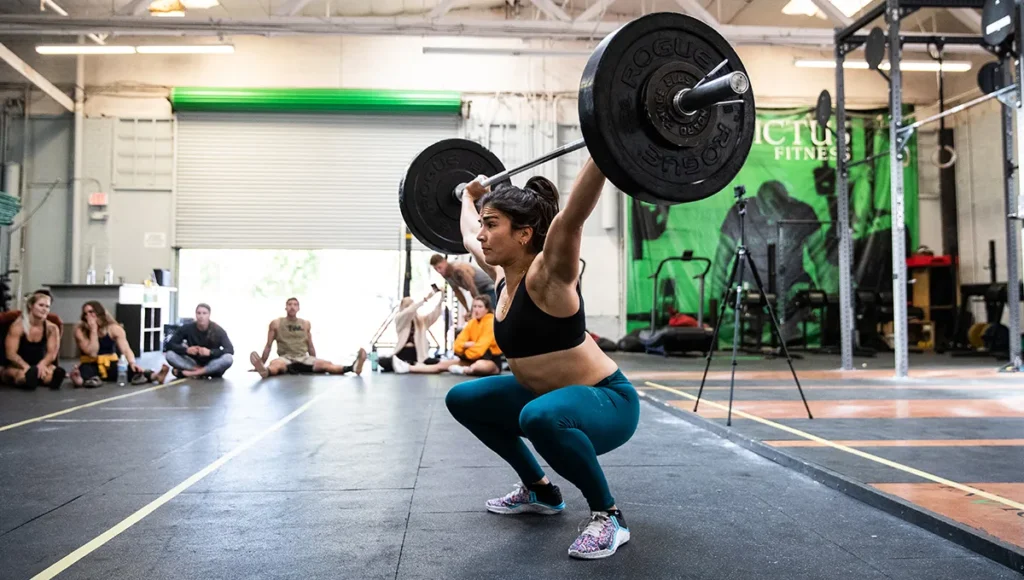
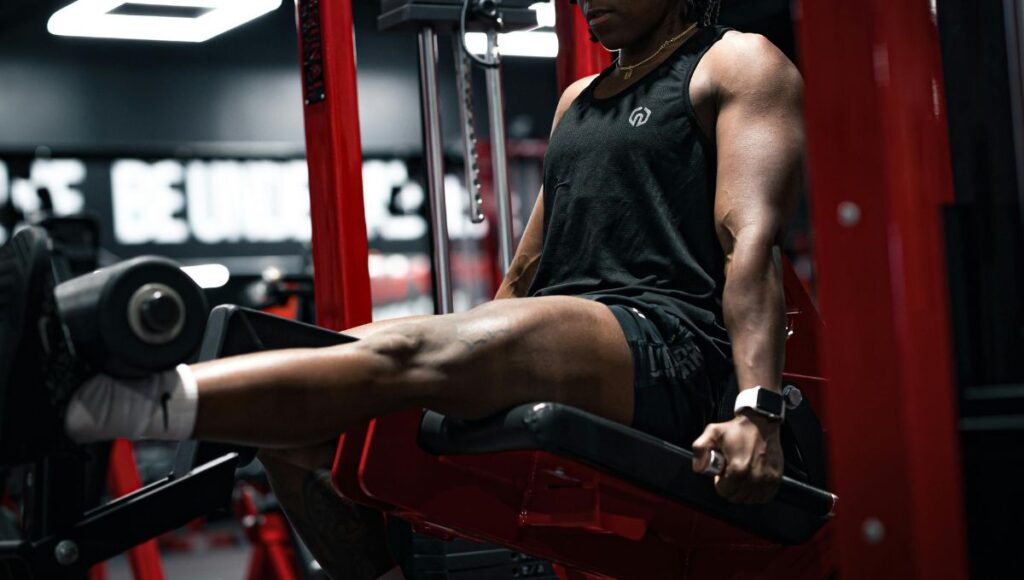
Building a strong and attractive lower body is a goal shared by many fitness enthusiasts. A critical component to achieving this goal is mastering hip hinge exercises. Hip hinge movements are fundamental in strength training, promoting both power and flexibility. This article will explore the three best hip hinge exercises, delving into their benefits, proper execution, and supporting scientific evidence.
What is a Hip Hinge?
Before diving into specific exercises, it’s essential to understand what a hip hinge is. A hip hinge is a movement pattern where the hips move backward while maintaining a neutral spine. This action engages the posterior chain muscles, including the glutes, hamstrings, and lower back.


Importance of Hip Hinge Movements
Hip hinge movements are pivotal for several reasons:
- Functional Strength: These exercises mimic everyday activities such as bending over to pick something up, making them highly functional.
- Injury Prevention: Proper hip hinge technique reduces the risk of lower back injuries by promoting correct movement patterns.
- Athletic Performance: Enhances power and explosiveness, beneficial for athletes in sports requiring sprinting, jumping, or lifting.
Exercise 1: Deadlift
The deadlift is often hailed as the king of hip hinge exercises. It is a compound movement that engages multiple muscle groups, making it incredibly effective for building overall strength and muscle mass.
Benefits of Deadlifts
- Full-Body Engagement: Deadlifts work the glutes, hamstrings, lower back, traps, and grip, offering a comprehensive workout.
- Increased Hormone Release: Performing deadlifts can lead to an increased release of growth hormone and testosterone, aiding muscle growth and recovery (Kraemer et al., 1990).
- Functional Strength: Improves functional strength useful in daily activities and sports performance.
How to Perform a Deadlift
- Setup: Stand with your feet hip-width apart, toes under the barbell.
- Grip: Bend at the hips and knees to grip the bar with your hands just outside your knees.
- Lift: Keeping your back straight and chest up, drive through your heels to lift the bar, extending your hips and knees.
- Lockout: Stand fully upright with the barbell close to your body, then lower it back to the ground with control.
Common Mistakes to Avoid
- Rounded Back: Maintain a neutral spine to prevent lower back injuries.
- Starting Position: Ensure the bar is close to your shins to maximise leverage and reduce strain.
- Overextending: Do not lean back at the top of the movement; simply stand tall.
Exercise 2: Romanian Deadlift (RDL)
The Romanian Deadlift is a variation that focuses more on the hamstrings and glutes while minimising knee involvement. It is excellent for improving posterior chain strength and flexibility.
Benefits of Romanian Deadlifts
- Hamstring Activation: Primarily targets the hamstrings, making it ideal for muscle development and flexibility (Ebben et al., 2009).
- Lower Back Strength: Enhances the strength and endurance of the lower back muscles.
- Reduced Knee Stress: Minimises knee strain compared to traditional deadlifts, suitable for individuals with knee issues.
How to Perform a Romanian Deadlift
- Setup: Stand with your feet hip-width apart, holding a barbell with a shoulder-width grip.
- Movement: With a slight bend in your knees, hinge at your hips to lower the barbell along your thighs.
- Depth: Lower the bar until you feel a stretch in your hamstrings, ensuring your back remains flat.
- Return: Engage your glutes and hamstrings to return to the starting position.
Common Mistakes to Avoid
- Too Much Knee Bend: Keep the knees slightly bent, not locked, and focus on hinging at the hips.
- Rounding Back: Maintain a neutral spine throughout the movement.
- Range of Motion: Only lower the bar as far as your flexibility allows without compromising form.
Exercise 3: Kettlebell Swing
The kettlebell swing is a dynamic exercise that combines strength and cardiovascular training. It is highly effective for building power and endurance in the posterior chain.
Benefits of Kettlebell Swings
- Explosive Power: Enhances hip explosiveness and overall power, beneficial for athletic performance (Lake & Lauder, 2012).
- Cardiovascular Conditioning: Provides a cardio workout, improving heart health and stamina.
- Core Stability: Engages the core muscles, promoting stability and balance.
How to Perform a Kettlebell Swing
- Setup: Stand with feet slightly wider than hip-width apart, kettlebell on the ground in front.
- Grip: Bend at the hips to grasp the kettlebell with both hands, keeping your back straight.
- Swing: Hike the kettlebell back between your legs, then drive your hips forward to swing it up to shoulder height.
- Repeat: Let the kettlebell swing back down and repeat in a fluid motion.
Common Mistakes to Avoid
- Squatting Instead of Hinging: Ensure the movement is driven by the hips, not the knees.
- Lifting with Arms: The power should come from the hip thrust, not the arms.
- Overextending Back: Do not lean back at the top of the swing; maintain a neutral spine.
Scientific Evidence Supporting Hip Hinge Exercises
Muscle Activation
Studies have shown that hip hinge exercises, particularly deadlifts and their variations, are highly effective in activating the posterior chain muscles. For instance, the Romanian Deadlift significantly engages the hamstrings and glutes (Ebben et al., 2009).
Hormonal Response
Research indicates that compound movements like the deadlift can lead to a significant hormonal response, increasing the levels of growth hormone and testosterone. This hormonal boost aids in muscle hypertrophy and recovery (Kraemer et al., 1990).
Functional Benefits
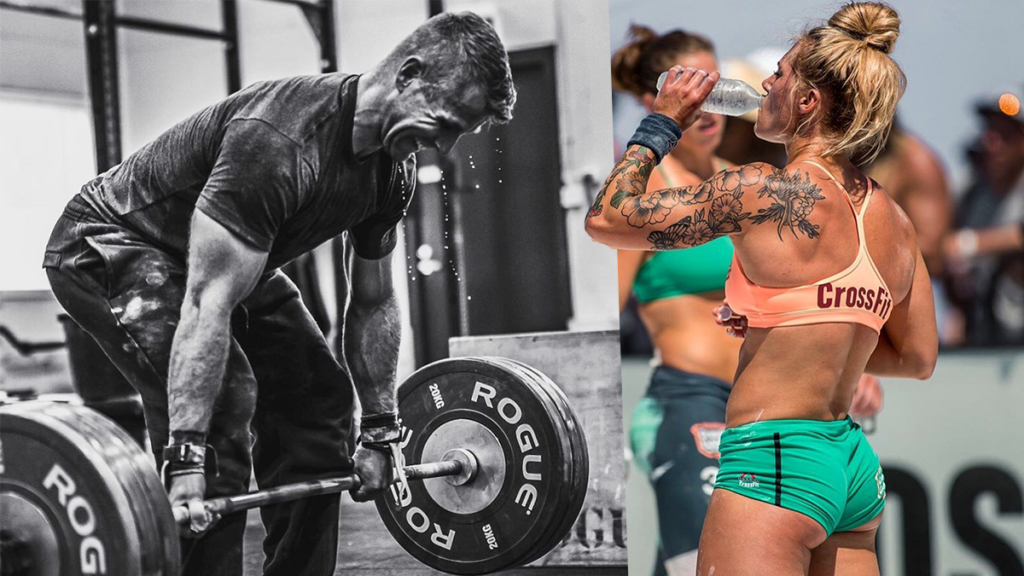
Hip hinge exercises are not only beneficial for muscle growth but also for functional strength. The ability to perform these movements correctly translates into better performance in daily activities and sports, reducing the risk of injuries (McGill et al., 2014).
Integrating Hip Hinge Exercises into Your Routine
Frequency and Volume
To maximise the benefits of hip hinge exercises, incorporate them into your routine 2-3 times per week. Adjust the volume and intensity based on your fitness level and goals.
Progression
Start with lighter weights and focus on mastering the technique. Gradually increase the load as you become more comfortable and stronger with the movements.
Accessory Exercises
Complement hip hinge exercises with other movements such as squats, lunges, and core exercises to create a balanced lower body workout routine.
Conclusion
Hip hinge exercises are crucial for building a strong and attractive lower body. The deadlift, Romanian deadlift, and kettlebell swing are three of the most effective exercises to include in your routine. These movements not only enhance muscle growth and strength but also improve functional performance and reduce the risk of injuries. By integrating these exercises into your workout regimen, you can achieve a powerful and aesthetically pleasing lower body.
Key Takeaways Table
| Key Points | Details |
|---|---|
| Hip Hinge Benefits | Functional strength, injury prevention, athletic performance |
| Deadlift | Full-body engagement, hormone release, functional strength |
| Romanian Deadlift | Hamstring activation, lower back strength, reduced knee stress |
| Kettlebell Swing | Explosive power, cardiovascular conditioning, core stability |
| Common Mistakes | Rounded back, overextending, squatting instead of hinging |
| Scientific Support | Muscle activation, hormonal response, functional benefits |
| Routine Integration | 2-3 times per week, progression with weights, complement with accessory exercises |
Bibliography
Ebben, W. P., Feldmann, C. R., Dayne, A. M., Mitsche, D., Alexander, P., & Knetter, R. (2009). Muscle activation during lower body resistance training. Journal of Strength and Conditioning Research, 23(9), 2589-2597.
Kraemer, W. J., Marchitelli, L., Gordon, S. E., Harman, E., Dziados, J. E., Mello, R., … & Fleck, S. J. (1990). Hormonal and growth factor responses to heavy resistance exercise protocols. Journal of Applied Physiology, 69(4), 1442-1450.
Lake, J. P., & Lauder, M. A. (2012). Kettlebell swing training improves maximal and explosive strength. Journal of Strength and Conditioning Research, 26(8), 2228-2233.
McGill, S. M., Cholewicki, J., & Peach, J. P. (2014). Methodological considerations for using inductive sensors (such as the 3SPACE Isotrak) in the study of the biomechanics of the lumbar spine. Clinical Biomechanics, 12(3), 170-174.
By incorporating these scientifically-backed hip hinge exercises into your fitness routine, you can build a robust lower body that is both strong and aesthetically appealing.