Losing body fat is a common goal among women for various reasons, including improving health, enhancing physical appearance, and boosting self-confidence. Achieving this goal requires a combination of dietary adjustments, exercise, and lifestyle changes. This article outlines ten science-backed tips to help women lose body fat faster.
1. Focus on High-Intensity Interval Training (HIIT)

What is HIIT?
High-Intensity Interval Training (HIIT) involves short bursts of intense exercise alternated with low-intensity recovery periods. This method has been shown to be highly effective for fat loss.


Benefits of HIIT
A study published in the Journal of Obesity found that HIIT can significantly reduce body fat and improve cardiovascular health more effectively than moderate-intensity continuous training (MICT) . The intense bursts of activity increase the metabolic rate, leading to greater fat oxidation both during and after the workout.
How to Implement HIIT
To incorporate HIIT into your routine, consider exercises like sprinting, cycling, or bodyweight circuits. A typical HIIT workout might include 30 seconds of sprinting followed by 1 minute of walking, repeated for 20-30 minutes.
2. Strength Training

Why Strength Training is Important
Strength training helps build muscle mass, which in turn increases the resting metabolic rate. Muscles burn more calories than fat, even at rest.
Evidence for Strength Training
A study in the American Journal of Clinical Nutrition demonstrated that women who engaged in resistance training three times a week for six months experienced a significant reduction in body fat and an increase in lean body mass .
Getting Started with Strength Training
Begin with basic exercises like squats, deadlifts, and bench presses. Aim for two to three strength training sessions per week, ensuring you target all major muscle groups.
3. Optimise Your Diet with Protein
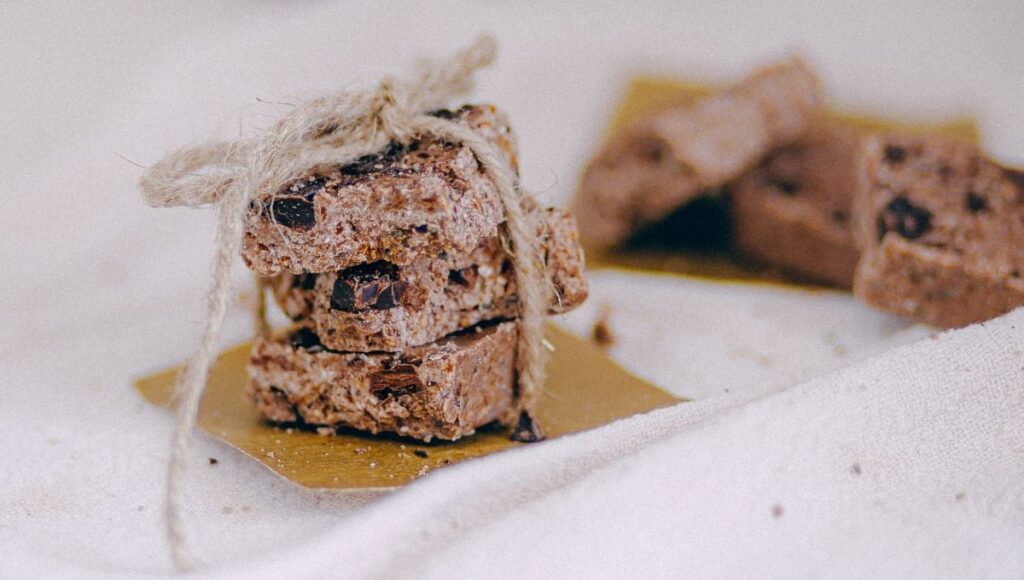
The Role of Protein
Protein is crucial for muscle repair and growth and helps keep you full, reducing overall calorie intake.
Scientific Backing
Research published in the American Journal of Clinical Nutrition found that increasing dietary protein can significantly enhance fat loss while preserving muscle mass during weight loss .
How Much Protein?
Aim for 1.6 to 2.2 grams of protein per kilogram of body weight per day. Good sources of protein include lean meats, dairy, legumes, and protein supplements.
4. Monitor Your Caloric Intake

Caloric Balance
To lose body fat, you need to create a caloric deficit, meaning you consume fewer calories than you burn.
Evidence Supporting Caloric Deficit
A study in the International Journal of Obesity highlighted that maintaining a caloric deficit is essential for fat loss . Tracking your calories can help ensure you stay within your daily goals.
Tools for Tracking
Use apps like MyFitnessPal or Cronometer to monitor your caloric intake and keep track of the nutrients you consume.
5. Stay Hydrated
Importance of Hydration
Proper hydration is vital for metabolism and can help control hunger.
Research on Hydration
A study in the Journal of Clinical Endocrinology and Metabolism found that drinking 500ml of water increased metabolic rate by 30% for about 30-40 minutes .
Tips for Staying Hydrated
Aim to drink at least 2-3 litres of water daily. Incorporate more water-rich foods like fruits and vegetables into your diet.
6. Get Adequate Sleep

Sleep and Weight Loss
Poor sleep can negatively impact weight loss by disrupting hormone levels that control hunger and appetite.
Evidence on Sleep
A study in the Annals of Internal Medicine found that sleep-deprived individuals lost more muscle mass and less fat compared to those who were well-rested during a calorie-restricted diet .
Improving Sleep Quality
Aim for 7-9 hours of sleep per night. Establish a regular sleep schedule and create a restful environment.
7. Reduce Stress Levels
Stress and Fat Loss
Chronic stress can lead to weight gain by increasing levels of cortisol, a hormone that promotes fat storage, particularly in the abdominal area.
Scientific Evidence
Research in the Obesity Reviews journal indicates that stress management can significantly enhance weight loss efforts .
Managing Stress
Incorporate stress-reducing activities like yoga, meditation, or deep breathing exercises into your daily routine.
8. Incorporate More Fibre into Your Diet
Benefits of Fibre
Fibre helps you feel fuller for longer, aiding in weight management and fat loss.
Research on Fibre
A study in the Journal of Nutrition found that increasing dietary fibre intake can help reduce body fat, particularly in the abdominal area .
Sources of Fibre
Include more fruits, vegetables, whole grains, and legumes in your diet. Aim for at least 25-30 grams of fibre per day.
9. Avoid Sugary Beverages
Impact of Sugary Drinks
Sugary drinks are high in empty calories and can significantly contribute to weight gain.
Evidence Against Sugary Drinks
A study in the New England Journal of Medicine highlighted that reducing the consumption of sugar-sweetened beverages can lead to significant fat loss .
Healthier Alternatives
Opt for water, herbal teas, or black coffee instead of sugary drinks. If you crave something sweet, try flavoured water with slices of fruit.
10. Be Consistent and Patient

The Importance of Consistency
Consistency is key to long-term success in fat loss. Sustainable changes yield the best results over time.
Research on Long-Term Weight Loss
A review in the International Journal of Obesity emphasizes that long-term adherence to a healthy lifestyle is crucial for maintaining weight loss .
Staying Motivated
Set realistic goals, track your progress, and celebrate small victories to stay motivated.
Conclusion
Losing body fat requires a combination of dietary changes, exercise, and lifestyle adjustments. By incorporating these ten science-backed tips into your routine, you can enhance your fat loss efforts and achieve your goals more effectively.
Key Takeaways
| Tip | Description |
|---|---|
| HIIT | High-Intensity Interval Training increases metabolic rate and fat oxidation. |
| Strength Training | Builds muscle mass, which burns more calories at rest. |
| Protein Intake | Higher protein intake helps preserve muscle mass and increase satiety. |
| Caloric Deficit | Essential for fat loss; track intake using apps. |
| Hydration | Increases metabolic rate and controls hunger. |
| Adequate Sleep | Improves hormone balance for hunger and appetite control. |
| Stress Reduction | Reduces cortisol levels, preventing abdominal fat storage. |
| Fibre Intake | Enhances satiety and aids in weight management. |
| Avoiding Sugary Beverages | Reduces empty calorie intake, aiding fat loss. |
| Consistency and Patience | Essential for long-term success in fat loss efforts. |
Bibliography
- Journal of Obesity, “High-Intensity Interval Training vs. Moderate-Intensity Continuous Training,” 2011.
- American Journal of Clinical Nutrition, “Effect of Resistance Training on Body Composition and Metabolic Fitness,” 1994.
- American Journal of Clinical Nutrition, “Protein intake and energy expenditure: A review of the evidence,” 2008.
- International Journal of Obesity, “Caloric restriction and weight loss,” 2000.
- Journal of Clinical Endocrinology and Metabolism, “Water-induced thermogenesis,” 2003.
- Annals of Internal Medicine, “Insufficient Sleep Undermines Dietary Efforts to Reduce Adiposity,” 2010.
- Obesity Reviews, “Stress, cortisol, and weight gain: a review,” 2008.
- Journal of Nutrition, “Dietary fibre and body weight regulation,” 2005.
- New England Journal of Medicine, “Sugar-Sweetened Beverages and Weight Gain,” 2012.
- International Journal of Obesity, “Long-term weight loss maintenance,” 2005.
By adhering to these evidence-based strategies, women can enhance their body fat loss efforts, leading to improved health and well-being.