As men age, their bodies undergo several changes that can make building muscle more challenging. However, with the right approach, men over 35 can still achieve impressive gains and maintain an attractive, muscular physique. Here are five science-backed training tips to help you optimise your workouts and maximise your results.
Understanding the Challenges
Before diving into the training tips, it’s essential to understand the physiological changes that occur with age. Testosterone levels decline, muscle mass decreases, and recovery times increase. These factors necessitate a tailored approach to training and nutrition to ensure continued progress.


1. Focus on Compound Movements

Why Compound Movements Matter
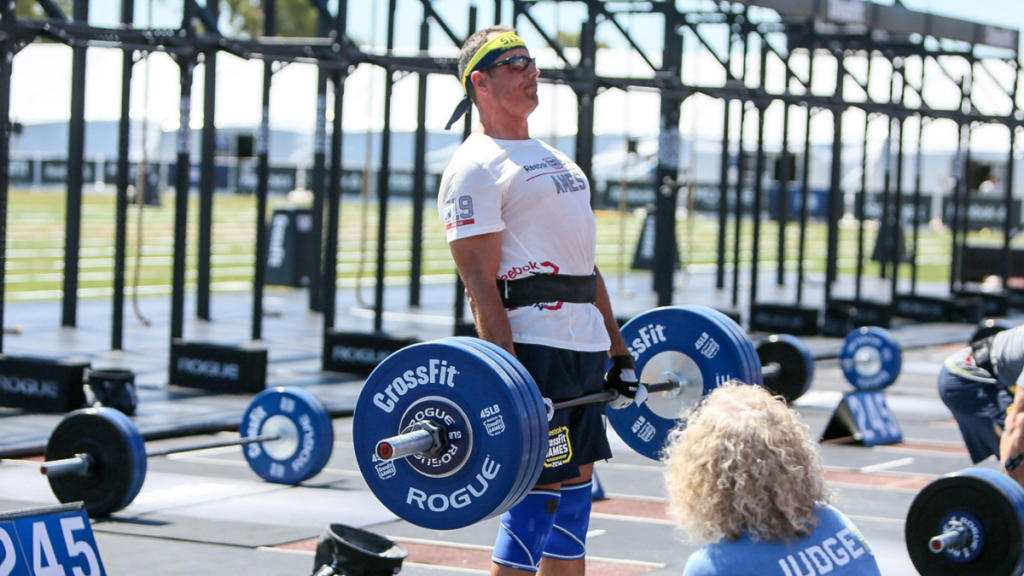
Compound exercises, such as squats, deadlifts, bench presses, and pull-ups, engage multiple muscle groups and joints simultaneously. This leads to greater muscle activation, increased calorie expenditure, and improved hormonal responses compared to isolation exercises.
Scientific Backing
A study published in the Journal of Strength and Conditioning Research found that compound exercises produce a significantly higher testosterone response than isolation exercises (Ritti-Dias et al., 2011). This hormonal boost is particularly beneficial for men over 35, as natural testosterone production declines with age.
Practical Application
Incorporate compound movements as the foundation of your training routine. Aim for 3-4 compound exercises per session, ensuring you target all major muscle groups throughout the week. For example:
- Leg Day: Squats, lunges, leg press.
- Upper Body Day: Bench press, pull-ups, rows.
2. Optimise Recovery Time
Importance of Recovery
Recovery is crucial for muscle growth, especially as you age. Without adequate recovery, you risk overtraining, which can lead to injuries and stalled progress.
Scientific Backing
Research from the European Journal of Applied Physiology indicates that older adults require longer recovery periods due to decreased muscle protein synthesis rates (Kosek et al., 2006). Ensuring you get sufficient rest between workouts helps your muscles repair and grow.
Practical Application
Schedule at least one rest day between intense training sessions for the same muscle group. Implement active recovery techniques such as light cardio, stretching, or yoga to enhance blood flow and reduce muscle stiffness.
3. Prioritise Progressive Overload
Understanding Progressive Overload
Progressive overload involves gradually increasing the weight, frequency, or number of repetitions in your strength training routine. This principle ensures continuous muscle adaptation and growth.
Scientific Backing
A meta-analysis in the Journal of Sports Sciences highlights that progressive overload is a key factor in muscle hypertrophy and strength gains (Wernbom et al., 2007). Without it, muscles quickly adapt to the same stimulus, leading to plateaus.
Practical Application
Track your workouts and aim to increase the load or volume regularly. This can be achieved by adding more weight, performing additional sets or reps, or reducing rest intervals. For example, if you bench press 60 kg for 8 reps, aim to increase the weight to 62.5 kg or perform 10 reps over time.
4. Incorporate High-Intensity Interval Training (HIIT)
Benefits of HIIT
High-Intensity Interval Training (HIIT) involves short bursts of intense exercise followed by periods of rest or low-intensity exercise. HIIT is effective for burning fat, preserving muscle mass, and improving cardiovascular health.
Scientific Backing
A study in the Journal of Obesity found that HIIT significantly reduces body fat while maintaining lean muscle mass (Boutcher, 2011). This makes it an excellent choice for men over 35 who want to stay lean and muscular.
Practical Application
Include HIIT sessions 1-2 times per week. A typical HIIT workout might involve 30 seconds of sprinting followed by 90 seconds of walking, repeated for 20 minutes. Ensure these sessions complement your strength training without causing excessive fatigue.
5. Adjust Nutrition for Muscle Growth

Importance of Nutrition
Nutrition plays a vital role in muscle growth and recovery. As you age, your dietary needs change, requiring more focus on protein intake, healthy fats, and micronutrients.
Scientific Backing
Research in the American Journal of Clinical Nutrition shows that older adults benefit from higher protein intake to counteract muscle protein breakdown (Paddon-Jones et al., 2008). Adequate protein supports muscle repair and growth.
Practical Application
Aim for a protein intake of 1.2 to 1.6 grams per kilogram of body weight per day. Include a variety of protein sources such as lean meats, fish, dairy, legumes, and protein supplements. Additionally, ensure you consume enough healthy fats and carbohydrates to fuel your workouts and recovery.
Sample Meal Plan
- Breakfast: Greek yoghurt with berries and nuts.
- Lunch: Grilled chicken salad with olive oil dressing.
- Dinner: Baked salmon with quinoa and steamed vegetables.
- Snacks: Protein shake, mixed nuts, cottage cheese.
Conclusion
Building a muscular and attractive body over the age of 35 is entirely achievable with the right approach. By focusing on compound movements, optimising recovery, prioritising progressive overload, incorporating HIIT, and adjusting your nutrition, you can overcome the challenges of aging and achieve your fitness goals.
Key Takeaways
| Key Point | Summary |
|---|---|
| Focus on Compound Movements | Compound exercises engage multiple muscle groups and joints, leading to greater muscle activation and hormonal responses. |
| Optimise Recovery Time | Adequate recovery is crucial for muscle growth, particularly for older adults who require longer recovery periods. |
| Prioritise Progressive Overload | Gradually increasing the weight, frequency, or reps in your training ensures continuous muscle adaptation and growth. |
| Incorporate High-Intensity Interval Training (HIIT) | HIIT is effective for burning fat, preserving muscle mass, and improving cardiovascular health. |
| Adjust Nutrition for Muscle Growth | Higher protein intake, along with healthy fats and carbohydrates, supports muscle repair, growth, and overall performance. |
Bibliography
Boutcher, S.H., 2011. High-intensity intermittent exercise and fat loss. Journal of Obesity, [online] 2011. Available at: https://www.hindawi.com/journals/jobe/2011/868305/.
Kosek, D.J., Kim, J.S., Petrella, J.K., Cross, J.M. and Bamman, M.M., 2006. Efficacy of 3 days per week resistance training on myofiber hypertrophy and myogenic mechanisms in young vs. older adults. European Journal of Applied Physiology, [online] 97(5), pp.531-538. Available at: https://link.springer.com/article/10.1007/s00421-006-0199-0.
Paddon-Jones, D., Short, K.R., Campbell, W.W., Volpi, E. and Wolfe, R.R., 2008. Role of dietary protein in the sarcopenia of aging. The American Journal of Clinical Nutrition, [online] 87(5), pp.1562S-1566S. Available at: https://academic.oup.com/ajcn/article/87/5/1562S/4668430.
Ritti-Dias, R.M., Avelar, A., Salvador, E.P. and Cyrino, E.S., 2011. Influence of exercise order on the number of repetitions performed and perceived exertion during resistance exercises. Journal of Strength and Conditioning Research, [online] 25(3), pp.909-912. Available at: https://journals.lww.com/nsca-jscr/Abstract/2011/03000/Influence_of_Exercise_Order_on_the_Number_of.35.aspx.
Wernbom, M., Augustsson, J. and Thomeé, R., 2007. The influence of frequency, intensity, volume and mode of strength training on whole muscle cross-sectional area in humans. Sports Medicine, [online] 37(3), pp.225-264. Available at: https://link.springer.com/article/10.2165/00007256-200737030-00004.