Building impressive biceps requires more than just lifting weights. It involves a strategic approach to training, nutrition, and recovery. This article will delve into three essential steps you must take to develop bigger and better-looking biceps, backed by scientific research.
Step 1: Implement Effective Training Techniques

Focus on Progressive Overload
Progressive overload is the cornerstone of muscle growth. It involves gradually increasing the weight, frequency, or number of repetitions in your strength training routine to challenge your muscles continuously. This concept is supported by a study conducted by Schoenfeld et al. (2010), which found that progressive overload is a fundamental principle in muscle hypertrophy.


Incorporate Compound and Isolation Exercises
Compound exercises, such as chin-ups and rows, work multiple muscle groups simultaneously and are highly effective for overall upper body strength. Isolation exercises, like bicep curls, target the biceps specifically. Combining both types of exercises can lead to optimal muscle growth.
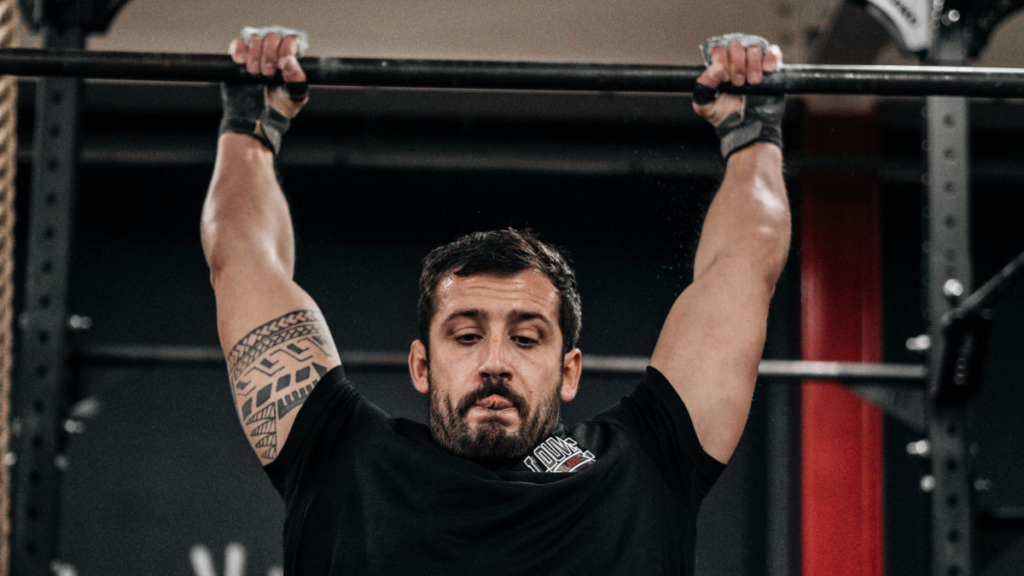
- Chin-Ups: These are excellent for bicep development as they engage both the biceps and the back muscles. According to a study by Youdas et al. (2010), chin-ups activate the biceps brachii significantly, making them a vital exercise for bicep growth.
- Bicep Curls: Traditional bicep curls focus directly on the biceps. Variations such as hammer curls and concentration curls can provide different stimuli to the muscle, promoting balanced growth.
Use a Variety of Training Modalities
Using different training modalities can prevent plateaus and stimulate muscle growth through varied stimuli. Research by Wernbom et al. (2007) suggests that varying the types of resistance training can lead to greater hypertrophy. Here are some modalities to consider:
- Free Weights: Dumbbells and barbells are versatile and allow for a full range of motion.
- Machines: These can help isolate the biceps and reduce the risk of injury.
- Resistance Bands: These provide variable resistance, which can be useful for maintaining tension throughout the entire range of motion.
Train with Proper Volume and Frequency
Volume and frequency are critical factors in muscle hypertrophy. A meta-analysis by Schoenfeld, Ogborn, and Krieger (2016) found that higher training volumes (more sets and reps) are associated with greater muscle growth. Aim to train your biceps 2-3 times per week with a total of 10-20 sets per week.
Step 2: Optimize Nutrition for Muscle Growth

Ensure Adequate Protein Intake
Protein is essential for muscle repair and growth. According to a study by Morton et al. (2018), consuming 1.6-2.2 grams of protein per kilogram of body weight per day is optimal for muscle hypertrophy. Sources of high-quality protein include:
- Lean Meats: Chicken, turkey, and beef are excellent sources of protein.
- Dairy Products: Milk, cheese, and yogurt provide both protein and calcium.
- Plant-Based Proteins: Beans, lentils, and tofu are good options for vegetarians and vegans.
Balance Macronutrients
While protein is crucial, carbohydrates and fats also play significant roles in muscle growth. Carbohydrates replenish glycogen stores, providing energy for workouts, while fats are necessary for hormone production. A balanced diet includes:
- Carbohydrates: Whole grains, fruits, and vegetables should form the bulk of your carb intake.
- Fats: Focus on healthy fats from sources like avocados, nuts, and olive oil.
Stay Hydrated
Hydration is often overlooked but is vital for optimal muscle function and recovery. A study by Judelson et al. (2007) highlights that dehydration can impair muscle strength and endurance. Aim to drink at least 3-4 litres of water per day, adjusting for exercise intensity and climate.
Step 3: Prioritise Recovery and Avoid Overtraining

Get Sufficient Sleep
Sleep is a critical component of recovery. During sleep, the body releases growth hormone, which is essential for muscle repair and growth. Research by Walker (2008) shows that 7-9 hours of sleep per night is optimal for most individuals.
Incorporate Rest Days
Rest days allow muscles to repair and grow. A study by Bruusgaard et al. (2010) found that muscles need time to recover from the micro-tears caused by resistance training. Incorporate at least one to two rest days per week into your training regimen.
Use Active Recovery Techniques
Active recovery, such as light cardio or stretching, can enhance blood flow to the muscles, aiding in recovery. According to a study by Hilbert, Sforzo, and Swensen (2003), active recovery can reduce muscle soreness and improve muscle function.
Conclusion
Building bigger and better-looking biceps requires a multifaceted approach that includes effective training techniques, optimal nutrition, and prioritised recovery. By focusing on progressive overload, ensuring adequate protein intake, and getting sufficient rest, you can maximise your bicep growth. Remember, consistency and dedication are key to achieving your fitness goals.
Bibliography
- Bruusgaard, J.C., Johansen, I.B., Egner, I.M., Rana, Z.A., and Gundersen, K. (2010). Myonuclei acquired by overload exercise precede hypertrophy and are not lost on detraining. Proceedings of the National Academy of Sciences, 107(34), 15111-15116.
- Hilbert, J.E., Sforzo, G.A., and Swensen, T. (2003). The effects of massage on delayed onset muscle soreness. British Journal of Sports Medicine, 37(1), 72-75.
- Judelson, D.A., Maresh, C.M., Farrell, M.J., Yamamoto, L.M., Armstrong, L.E., Kraemer, W.J., Volek, J.S., and Casa, D.J. (2007). Effect of hydration state on strength, power, and resistance exercise performance. Medicine and Science in Sports and Exercise, 39(10), 1817-1824.
- Morton, R.W., Murphy, K.T., McKellar, S.R., Schoenfeld, B.J., Henselmans, M., Helms, E., Aragon, A.A., Devries, M.C., Banfield, L., Krieger, J.W., and Phillips, S.M. (2018). A systematic review, meta-analysis and meta-regression of the effect of protein supplementation on resistance training-induced gains in muscle mass and strength in healthy adults. British Journal of Sports Medicine, 52(6), 376-384.
- Schoenfeld, B.J., Ogborn, D., and Krieger, J.W. (2016). Dose-response relationship between weekly resistance training volume and increases in muscle mass: A systematic review and meta-analysis. Journal of Sports Sciences, 34(18), 1827-1833.
- Schoenfeld, B.J., Ogborn, D.I., and Vigotsky, A.D. (2010). Effects of resistance training frequency on measures of muscle hypertrophy: A systematic review and meta-analysis. Sports Medicine, 46(11), 1689-1698.
- Walker, M.P. (2008). Sleep-dependent memory processing. Harvard Review of Psychiatry, 16(5), 287-298.
- Wernbom, M., Augustsson, J., and Thomeé, R. (2007). The influence of frequency, intensity, volume and mode of strength training on whole muscle cross-sectional area in humans. Sports Medicine, 37(3), 225-264.
- Youdas, J.W., Amundson, C.L., Cicero, K.S., Hahn, J.J., Harezlak, D.T., and Hollman, J.H. (2010). Surface electromyographic activation patterns and elbow joint motion during a pull-up, chin-up, or perfect-pullup™ rotational exercise. Journal of Strength and Conditioning Research, 24(12), 3404-3414.
Key Takeaways
| Key Takeaways |
|---|
| 1. Implement progressive overload in your training to ensure continuous muscle growth. |
| 2. Combine compound exercises like chin-ups with isolation exercises like bicep curls for optimal bicep development. |
| 3. Maintain a balanced diet with adequate protein, carbohydrates, and fats to support muscle growth. |
| 4. Stay hydrated and get 7-9 hours of sleep each night to facilitate recovery and muscle repair. |
| 5. Incorporate rest days and active recovery techniques to prevent overtraining and enhance muscle function. |